
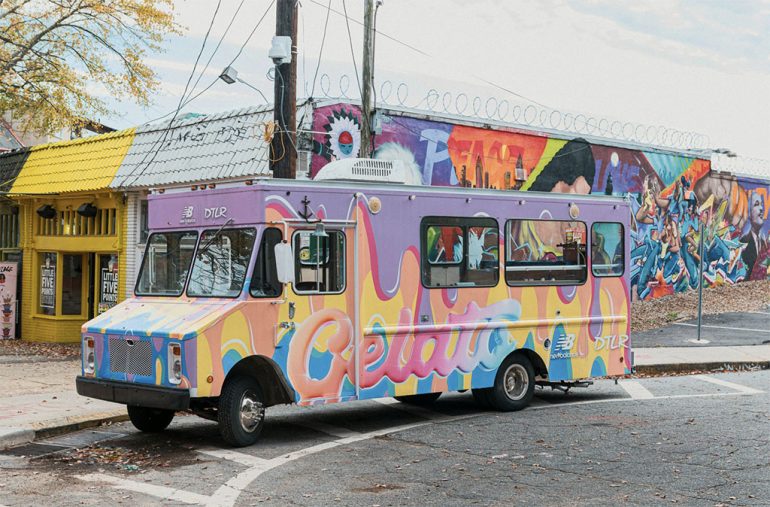
Designing a food truck or restaurant goes beyond just making it look good—it’s about creating an environment that reflects your brand, ensures efficiency, and provides a great experience for customers. To achieve this balance, the materials you choose play a significant role. Stainless steel and aluminium are two of the most popular options in food service design due to their durability, functionality, and modern aesthetic. Here’s how these materials can elevate your food service business while enhancing both style and practicality.
Building Your Brand with the Right Materials
The materials you choose for your food truck or restaurant are not just functional—they tell a story about your brand. Stainless steel and aluminium are both sleek and modern, making them perfect choices for businesses that want to project a high-end, professional image. These materials also reflect cleanliness and efficiency, important qualities in the food service industry.
For example, a contemporary, industrial-style restaurant or food truck may use stainless steel for countertops, kitchen equipment, and decorative accents. The shiny surface of stainless steel gives a polished look while also maintaining a hygienic, easy-to-clean surface. Aluminium, on the other hand, with its matte finish or textured surface, can be used in areas that need a more rugged, durable touch. The combination of these two materials can create a strong, cohesive look that aligns with your brand’s identity.
Stainless Steel: Durability Meets Design
When it comes to functionality and style, stainless steel has a clear edge. It’s a go-to material in commercial kitchens, known for its ability to withstand high temperatures, resist corrosion, and maintain a clean surface even in the busiest environments. Whether you’re designing the kitchen of a high-end restaurant or the interior of a food truck, stainless steel provides a durable, low-maintenance option that ensures both hygiene and style.
A stainless steel sheet can be used in a variety of ways within a food truck or restaurant, including as countertops, shelving, or backsplash. Its smooth, non-porous surface makes it easy to wipe down, ensuring that food preparation areas remain hygienic. This is especially important in environments where food safety regulations must be strictly followed, and where quick cleanup is essential.
Stainless steel also adds an elegant touch to your design. The reflective surface helps to brighten up spaces, making them feel more open and inviting. In a food truck, where space is often limited, using stainless steel can help create a feeling of openness and cleanliness, both of which are appealing to customers.
Aluminium: Lightweight and Versatile
While stainless steel is ideal for many areas of your food truck or restaurant, aluminium is an equally versatile material that can be used for both functional and aesthetic purposes. Aluminium is lightweight yet strong, making it an excellent choice for structural components of your food truck, such as walls, shelves, and storage units. In restaurants, it can be used for cabinetry, doors, or decorative elements like feature walls.
The main advantage of aluminium is its ability to provide durability without adding excess weight. This is especially beneficial in a food truck, where every inch counts, and the vehicle’s weight must be carefully managed. Aluminium can also be more affordable than stainless steel, which makes it a great choice for larger applications, like wall panels or storage units, without sacrificing quality or appearance.
Incorporating aluminium checker plates into your food truck or restaurant design is another great way to combine style and function. The raised pattern provides both traction and visual interest, making it perfect for floors or high-traffic areas. The pattern also adds an industrial edge that complements the sleekness of stainless steel while providing extra durability in areas that are prone to spills or heavy use.
Maximizing Functionality in Your Design
Designing a functional space is just as important as creating a visually appealing one. When it comes to food trucks and restaurants, efficiency and ease of use are essential for success. The layout should allow staff to move seamlessly from one task to the next, while materials should be durable and easy to maintain.
Stainless steel is the ideal choice for work surfaces. Its heat-resistant properties make it perfect for kitchen counters, while its smooth surface ensures that cleaning is quick and easy. Similarly, aluminium’s lightweight nature and resistance to corrosion make it perfect for shelving and storage units, where durability and functionality are key.
When designing a food truck, the space is often cramped, and every inch needs to be maximized. Using stainless steel and aluminium allows you to make the most of your space, creating areas for food preparation, cooking, and storage without overcrowding the space. These materials are easy to work with, meaning custom solutions can be made to fit even the smallest areas.
Designing for the Customer Experience
The experience your customers have in your restaurant or food truck goes beyond just the food. The design of your space plays a big part in creating a welcoming, comfortable atmosphere. Stainless steel and aluminium can both help achieve this.
For instance, stainless steel’s reflective properties can help bounce light around your space, making it feel brighter and more inviting. In a food truck, where natural light might be limited, this effect can be particularly useful. Similarly, aluminium’s clean lines and industrial appeal make it a great option for feature walls or display areas, helping to create a modern, stylish environment that draws customers in.
In a food truck, the exterior design is just as important as the interior. Stainless steel can be used on the outside of the truck to create a sleek, polished look that reflects your brand’s quality. Aluminium can be used for signage, window frames, or even as part of the truck’s exterior panels, adding durability while keeping the weight low. Combining both materials ensures that your food truck looks as good on the outside as it functions on the inside.
Conclusion
When it comes to food truck or restaurant design, the materials you choose are just as important as the food you serve. Stainless steel and aluminium are both practical and stylish materials that help elevate your space. Whether it’s stainless steel’s sleek, modern look or aluminium’s lightweight versatility, these materials can work together to create a space that is both functional and on-brand. By incorporating stainless steel sheets and aluminium checker plates into your design, you’ll ensure that your food truck or restaurant not only looks great but also functions efficiently, providing a seamless experience for both your staff and customers.

Automotive Addicts Contributors are a collective of guest writers, industry professionals, and passionate enthusiasts who bring fresh perspectives to the Automotive Addicts platform. Focused on delivering timely news, in-depth reviews, and unique insights, these contributors help keep the site dynamic and engaging. Many use the platform to expand their reach and build credibility within the automotive media world, adding depth and variety to the content that drives the Automotive Addicts community.


