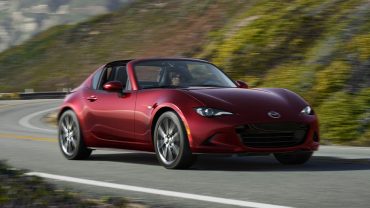
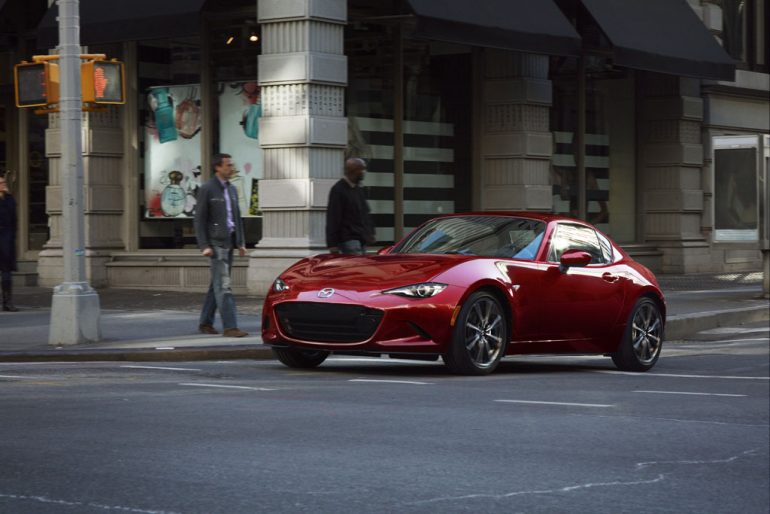
Mazda’s beloved MX-5 Miata is officially on the clock. The current ND generation has been around for more than a decade, and while it still nails that light, playful formula, it’s starting to feel like it has been on sale forever. Now the buzz is building around what comes next, and a new report out of Europe suggests the next Miata is still a few years away because Mazda is sorting out the toughest part of the whole project: the powertrain.
In an interview with the Dutch outlet AutoRAI, Mazda executives indicated the fifth-generation Miata, often referred to as the NE internally, has not locked in its final setup yet. The big takeaway is that Mazda wants to keep internal combustion alive if possible, but tightening emissions rules mean the company has to get creative. That is why electrification is on the table, even for a car that has always been defined by simplicity.

The challenge is obvious if you have ever driven a Miata hard on a good back road. Hybrids can be great for efficiency and they bring instant electric torque, but batteries and extra hardware add weight. Mazda’s own design leadership in Europe reportedly summed it up best: the MX-5 has to stay fun, light, and affordable, and if any of those pillars fall away, it stops being a Miata. Even a mild hybrid using a 48-volt system could help without turning the car into something else, but it sounds like Mazda is exploring a wide range of options rather than rushing to the easiest answer.
There is also a fascinating wildcard here: synthetic fuels. Mazda’s European R&D leadership reportedly sees carbon-neutral synthetic fuel as a clean way to keep the internal-combustion experience without reinventing the whole car. In theory, that approach lets the Miata keep its familiar character, its sound, and its straightforward layout while tackling emissions in a more future-friendly way.
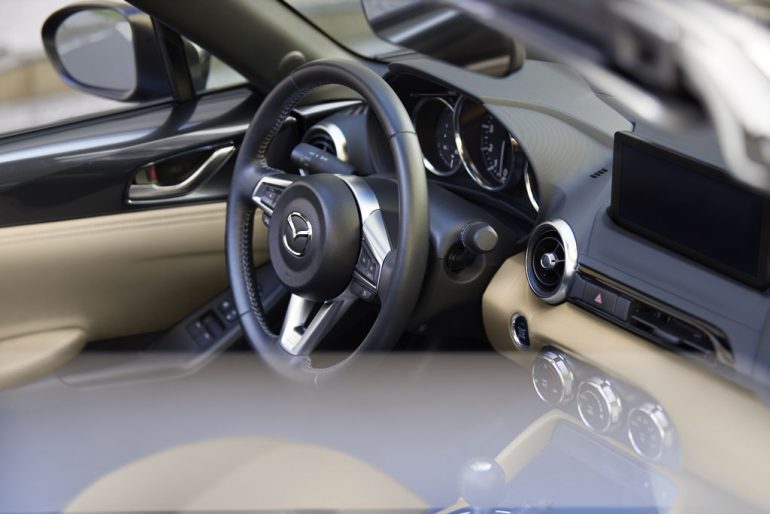
The problem is that synthetic fuel is still stuck in the real world. Limited production and a lack of refueling infrastructure make it hard for a smaller automaker to bet a major product on it, especially when buyers need to be able to fuel up anywhere. So the most realistic path could be some form of hybrid assistance, as long as Mazda can engineer it without losing the Miata’s trademark lightness and driver-focused feel. However Mazda lands this, the mission is clear: meet regulations, keep it engaging, and make sure the next MX-5 still feels like the sports car people fell in love with in the first place.

Lloyd Tobias is a seasoned automotive journalist and passionate enthusiast with over 15 years of experience immersed in the world of cars. Whether it’s exploring the latest advancements in automotive technology or keeping a close pulse on breaking industry news, Lloyd brings a sharp perspective and a deep appreciation for all things automotive. His writing blends technical insight with real-world enthusiasm, making his contributions both informative and engaging for readers who share his love for the drive. When he’s not behind the keyboard or under the hood, Lloyd enjoys test driving the newest models and staying ahead of the curve in an ever-evolving automotive landscape.