
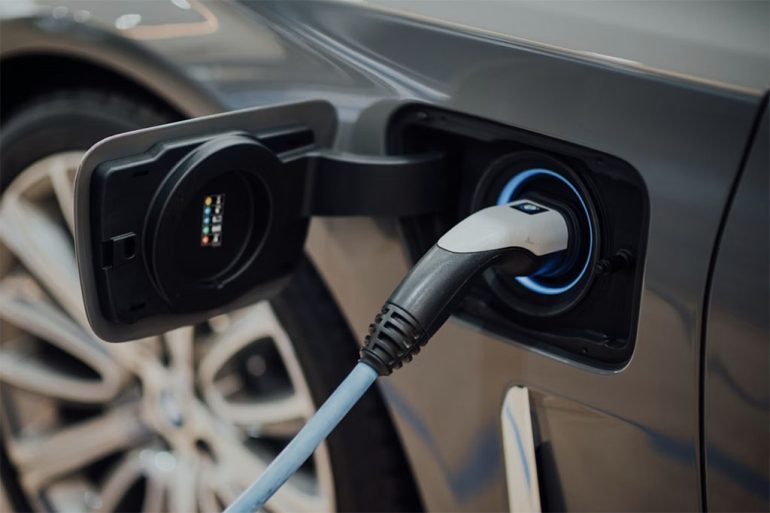
To buy an EV from another state, you must coordinate a remote purchase through a dealership or private seller and then arrange professional transport. The most efficient delivery method is hiring a specialized auto carrier that offers door-to-door service, as driving long distances in a new EV requires multiple charging stops and adds unnecessary mileage. You will need to handle sales tax in your home state and ensure the carrier is equipped for the extra weight of electric batteries.
Why the Best EV Might Be Three States Away
Let’s be honest: finding the exact EV configuration you want, the right trim, the long-range battery, and that specific interior color is often impossible at your local dealership. Maybe you live in a state where EVs aren’t the priority, or perhaps the “waitlist” at your local dealer is six months long, while a showroom in a neighboring state has the car sitting on the lot right now.
Buying out of state is a power move. It gives you leverage and choice. However, it also introduces a “logistics gap.” You can’t just drive down the street to pick up the keys. You have to figure out how to get a 5,000-pound piece of high-tech machinery across several borders without depleting the battery or risking a single scratch on that pristine factory paint.
Choosing Your Delivery Strategy: The Pros’ Playbook
When the deal is signed and the digital ink is dry, you have three main ways to get the car home. Each has its own set of “human” frustrations and hidden costs.
1. The “Road Trip” (Not Recommended)
You fly out, take an Uber to the dealer, and drive it back.
- The Reality: If you’re buying an EV, your first experience shouldn’t be hunting for working DC fast chargers in a town you don’t know. New EVs often need software updates or a “run-in” period. Plus, you’re putting 500+ miles on a car before you even get it into your driveway.
- The Cost: Flight + Hotel + Charging + Your Time + Depreciation.
2. Dealership In-House Shipping
Some large dealership groups have their own trucks or “preferred” partners.
- The Reality: This is convenient, but you often pay a “convenience tax.” Dealers frequently mark up the transport price by $200–$500 just for making the phone call for you. You also have less control over the insurance and the timeline.
3. Independent Professional Transport
This is where you hire a dedicated carrier. It’s almost always the most cost-effective and safest route. By arranging vehicle shipping across states yourself, you cut out the middleman and deal directly with the people responsible for your car’s safety.
The Transport Choice: Open vs. Enclosed for New EVs
Since this is a new purchase, the “Open vs. Enclosed” debate takes on a different tone. You aren’t just moving a car; you’re protecting an investment.
- Open Transport: This is the “standard” move. Your EV will sit on a two-level trailer with other cars. It’s exposed to the wind, rain, and road grime. If you’re buying a more budget-friendly EV like a Chevy Bolt or a base-model Nissan Leaf, this is perfectly fine. A good car wash at the end fixes most issues.
- Enclosed Transport: This is the “white glove” service. Your car is inside a sealed trailer. For a brand-new Tesla Model S, a Rivian, or a Lucid Air, this is practically mandatory. Why? These cars are aerodynamic masterpieces with sensitive sensors and cameras. Enclosed transport prevents rock chips that can cost thousands to repair or recalibrate.
| Factor | Open Transport | Enclosed Transport |
| Exposure | High (Weather/Debris) | Zero (Sealed) |
| Cost | ~$600 – $1,200 | ~$1,000 – $2,500 |
| Best For | Used or Budget EVs | Luxury/Performance EVs |
| Peace of Mind | Moderate | Maximum |
The “Weight Tax” and Pricing Reality
Here is the part most buyers forget: an electric car is significantly heavier than its gas-powered equivalent. A Tesla Model X weighs about as much as a heavy-duty Chevrolet Tahoe.
Transport trailers have a strict legal weight limit. If a carrier fills a trailer with six heavy EVs, they might be over the legal limit, whereas they could carry eight gas cars without an issue. This weight affects their fuel economy and their risk. When you use a car shipping cost calculator, make sure you select the exact trim of your EV. A “Performance” or “Long Range” version often has a larger, heavier battery pack than the base model, and that extra 300 lbs can actually change your shipping quote.
Coordinating with the Dealership
Don’t assume the dealer knows how to handle a private transport pick-up. You need to be the “Project Manager” here.
Steps for a Smooth Handover:
- The “Release” Paperwork: Ensure the dealer has a signed “Vehicle Release Form.” The truck driver cannot just show up and take the car; they need legal permission.
- The Battery Level: Explicitly ask the dealer to charge the car to 50%. Dealerships often leave cars on the lot with 10% battery. If the car arrives at your house with a dead 12V battery and a 2% main pack, you’re going to have a very stressful first hour of ownership.
- The Key Handover: Confirm that the dealer will hand the physical key fobs (or key cards) to the driver. The driver should note the receipt of these keys on the Bill of Lading.
- Photo Evidence: Ask your salesperson to take high-resolution photos of the car as it is being loaded onto the truck. This creates a clear “chain of custody” if a dispute arises later.
Registration, Taxes, and the “Hidden” Paperwork
The biggest headache of buying out of state isn’t the truck, it’s the DMV.
Most people worry they will have to pay sales tax twice. You won’t. Most states have “reciprocity” agreements. Usually, you pay the sales tax of the state where you will register the car (your home state), not where you bought it. However, some states (like California) are very aggressive and might try to collect tax if you drive the car off the lot.
This is why shipping is better: if the car is delivered to you by a professional carrier, it is considered an interstate commerce transaction, making it much easier to prove you owe the tax to your home state, not the dealer’s state.
Mastering the Remote Purchase: Inspections, Payments, and Technical Handover
To safely buy an EV from a private seller or remote dealer, you must hire an independent third-party inspector to verify the battery health and cosmetic condition before payment. Using a secure escrow service for private sales protects your funds until the vehicle is picked up by the carrier. Upon arrival, you must immediately verify the vehicle’s VIN and “State of Health” (SoH) report against the original sales agreement to ensure no discrepancies occurred during transit.
The “Eyes on the Ground”: Why Remote Inspections are Non-Negotiable
Buying a car sight-unseen is inherently risky, but with an EV, the stakes are higher. You aren’t just looking for oil leaks (which don’t exist here); you’re looking for battery degradation and electrical gremlins.
Don’t rely on the high-resolution photos the dealer sends you. They are paid to make the car look perfect. Instead, hire a Third-Party Inspector (TPI). For about $150 to $250, a professional will go to the lot, scan the car’s computer, and check the “State of Health” of the battery.
The Expert’s Insight: If a dealer refuses to let an independent inspector look at the car, walk away. There is no “good deal” that justifies a compromised lithium-ion battery. A TPI will also check for “hidden” damage, like a scraped undercarriage, that could lead to battery casing issues later.
Private Seller vs. Dealership: Navigating the Payment Minefield
When buying from a dealership, the process is usually “standard.” You wire the money, they send the title via FedEx, and the car is released to the truck. Private sales are the “Wild West.”
- For Dealerships: Ensure the “Buyer’s Guide” and the “Bill of Sale” match exactly. If you’re paying for a “Long Range” trim, verify the VIN (Vehicle Identification Number) yourself through a decoder. Dealers make mistakes, and shipping a car back because it’s the wrong battery size is an expensive nightmare.
- For Private Sellers: Never, under any circumstances, wire money directly to a stranger’s bank account. Use an Escrow Service. These services hold your money in a “neutral zone.” The seller gets paid only when the shipping company picks up the car and verifies the VIN. It protects you from “ghost” sellers who disappear the moment the wire hits their account.
Preparing the Car for the Driver: The “Tech Talk”
Most truck drivers are experts at moving cars, but they may not be experts at your specific EV. Since EVs are “computers on wheels,” they have specific settings that must be engaged before they are strapped to a trailer.
The “Transport Mode” Checklist
Most modern EVs, especially Teslas, Rivians, and Lucids, have a specific Transport Mode (sometimes called “Tow Mode”).
- Air Suspension: If your new EV has air suspension, it must be set to the “Transport” or “High” setting. If the car tries to self-level while it is strapped down, it can blow out the airbags or damage the suspension sensors.
- Brake Release: Ensure the driver knows how to put the car in “Neutral” without the engine running. On many EVs, the electronic parking brake engages automatically when the door opens. This can cause the tires to “skid” across the trailer floor during loading, leading to flat spots.
- Connectivity: Disable “Valet Mode” but keep “Location Services” on. This allows you to track your car’s journey home via your phone app. Just remember: don’t “wake up” the car too often, or you’ll drain the 12V battery.
| Brand | Key Setting to Verify | Why It Matters |
| Tesla | Transport Mode | Disengages parking brake/prevents alarm |
| Rivian | Shipping Mode | Prevents battery drain/levels suspension |
| Ford/GM | 12V Battery Check | Essential for electronic lock functions |
| Luxury EVs | High Clearance | Prevents underside scraping on ramps |
The Arrival: The “Golden Hour” of Delivery
When that truck finally pulls into your neighborhood, don’t let the excitement cloud your judgment. You are currently in the “legal window” for damage claims.
The “Walk-Around” Strategy:
- VIN Verification: Before the car even touches the ground, check the VIN on the dashboard against your title. Ensure this is the exact car you paid for.
- The “Under-Car” Scan: Use your phone’s camera in video mode to scan the underside of the car. Look for fresh scratches on the battery casing.
- The “SOH” Check: Turn the car on and check the range. It should be roughly where the dealer said it would be (minus a few miles for loading/unloading). If the battery is significantly lower, it might indicate the driver left the HVAC or lights on during the trip.
- Sign the BOL: If you find a scratch, a chip, or a malfunctioning sensor, write it on the Bill of Lading (BOL) before the driver leaves. If you sign a “clean” BOL, you have legally agreed that the car arrived in perfect condition.
Dealing with the Paperwork (Post-Delivery)
Once the car is in your garage, the “Out-of-State” part of the deal isn’t quite finished. You’ll need to take your packet of documents (Title, Bill of Sale, and the BOL from the driver) to your local DMV.
- VIN Inspection: Some states require a physical VIN inspection by a local officer or DMV clerk for out-of-state purchases.
- Sales Tax Reconciliation: This is when you pay your local sales tax. Be prepared for a large bill; most states won’t let you register the car until this is settled.
- EV Incentives: If your new home state offers “Clean Vehicle” rebates, file the paperwork immediately. Many of these programs are “first-come, first-served” and have limited annual funding.
Final Thoughts: Was it Worth It?
Buying an EV across state lines can feel like a part-time job for two weeks. Between vetting carriers, arguing with out-of-state dealers about sales tax, and tracking a truck across the country, it’s a lot of moving parts.
However, the result is exactly what you wanted: the perfect car, at a better price, delivered to your door. By doing the “boring” work, hiring the inspector, using escrow, and communicating tech settings to your driver, you turn a high-risk gamble into a professional logistics operation.
The first time you pull your new EV out of the garage and hit that silent, instant torque, you’ll realize that the extra paperwork was a small price to pay for the future of your commute.


