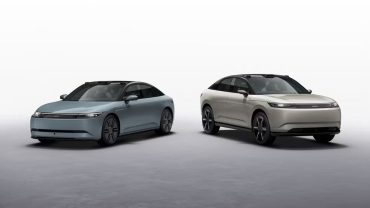
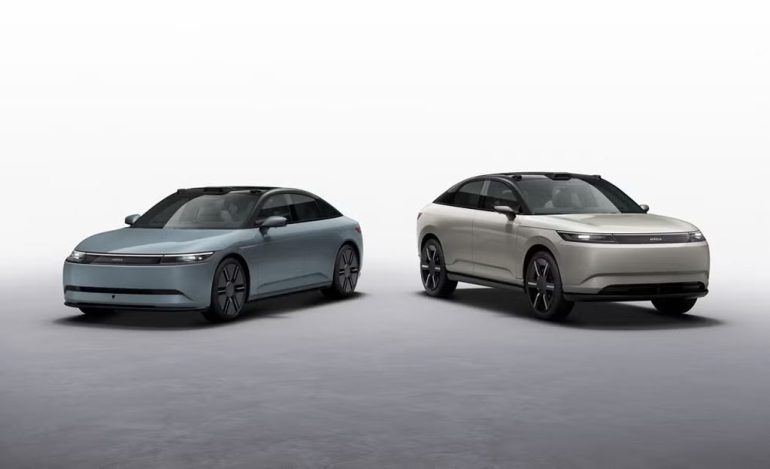
For a project that once felt like a bold glimpse into the future, the Afeela 1 has reached an abrupt and surprisingly unceremonious end.
Sony Honda Mobility has officially canceled development of the Afeela 1 electric sedan, a move that also takes its planned SUV sibling down with it. That is a major reversal for a joint venture that arrived with plenty of buzz, a flashy CES presence, and the kind of branding that suggested the car world was about to get a fresh tech-driven disruptor. Instead, Afeela now looks like another ambitious EV idea that simply ran out of road.
The timing is not exactly shocking. Honda recently backed away from its own plans for several U.S.-bound EVs, and once that happened, the writing was on the wall for a low-volume, high-cost project like Afeela. Even when Sony Honda Mobility tried to project business as usual, it was hard to ignore how deeply the Afeela program appeared tied to Honda’s larger EV strategy and manufacturing support.
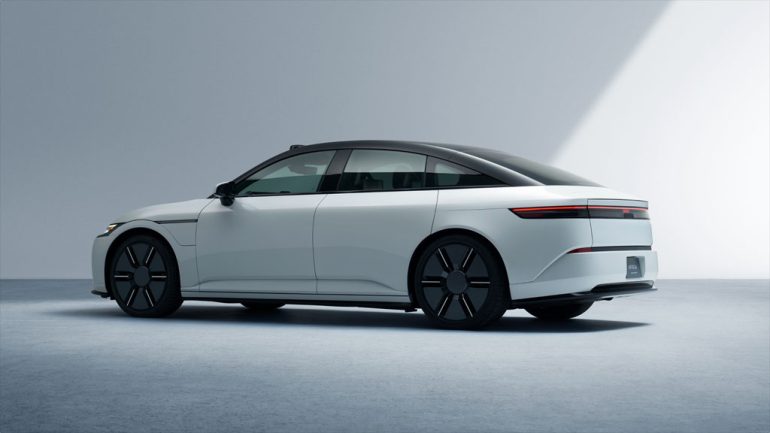
That connection turned out to be the breaking point. According to Sony Honda Mobility, Honda’s shift meant key technologies and assets originally expected for the program would no longer be available. Without those building blocks, the company concluded there was no realistic path to bring the Afeela models to market as planned. In plain English, the partnership lost too much of its backbone to keep going.
It is a sharp fall for a car that once carried plenty of curiosity. When the Afeela prototype first appeared, it sparked interest mostly because of who was involved. Sony brought its consumer tech clout, software ambitions, and entertainment ecosystem. Honda brought the automotive credibility, production know-how, and the promise that this would be more than just another CES concept destined for a museum of what-could-have-been. On paper, that combination sounded compelling.
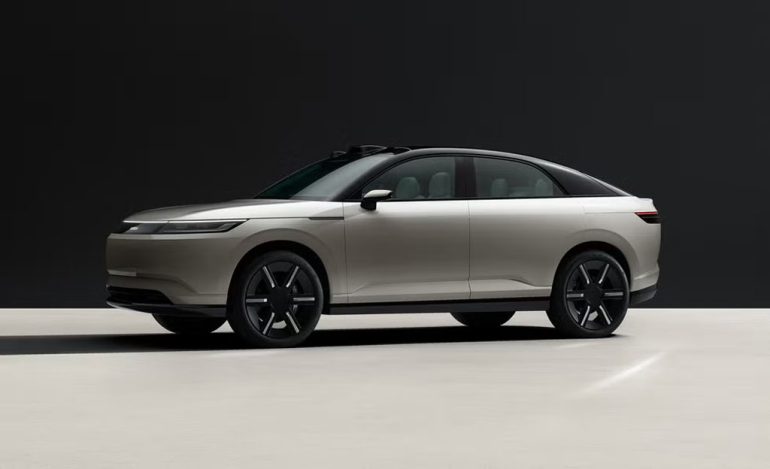
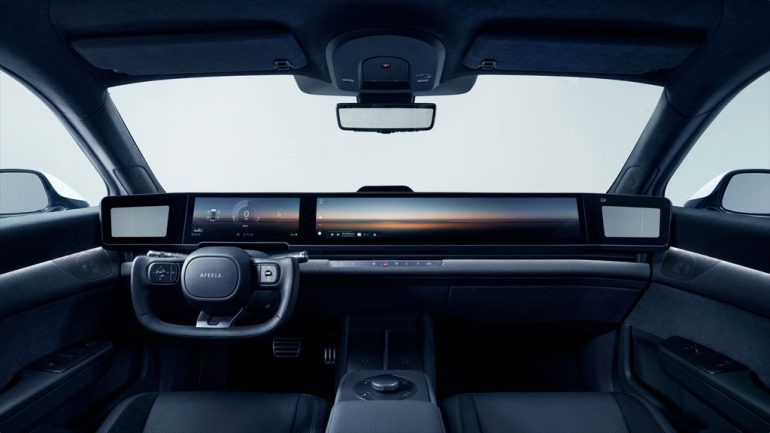
The trouble is that once the production-spec Afeela 1 came into focus, the package never quite matched the promise. Its design was sleek enough, but it also came off a little anonymous in a crowded EV space where standout styling matters more than ever. The technology story was front and center, with heavy emphasis on sensors, advanced driver assistance, computing power, and in-cabin digital experiences. That might resonate with early adopters, but for a vehicle expected to start at $89,900 and climb to $102,900, buyers were always going to ask a more basic question first: why this over the alternatives?
That question became even harder to answer once the specs settled in. More than 400 horsepower is perfectly respectable, but not groundbreaking in today’s premium EV market. An estimated range of around 300 miles is decent, though hardly class-leading. For a car positioned as a futuristic flagship from two major Japanese brands, the Afeela 1 never seemed to land the knockout punch in performance, luxury, or emotional appeal.
And that may be the real story here. Afeela always felt more impressive as a concept than as a car people were desperate to own. It was easy to admire the ambition, the screens, the sensors, and the broader idea of Sony entering the auto space in a meaningful way. It was harder to look at the final product and see something that would genuinely disrupt Tesla, Lucid, Mercedes-Benz, BMW, or even the next wave of premium EVs arriving from more traditional automakers.
There is also the bigger market reality. The EV landscape has changed quickly. Automakers that once rushed headfirst into battery-electric expansion are now reevaluating product plans, scaling back spending, and leaning harder into hybrids where consumer demand has proven more consistent. Honda is far from alone in that reset, but Afeela became one of the more visible casualties because it represented such a high-profile collaboration.
For reservation holders, at least there is a clean ending. Sony Honda Mobility says customers who placed deposits for the Afeela 1 will receive full refunds. That does not soften the disappointment for anyone who bought into the vision, but it does signal just how complete this shutdown appears to be.
As for the future of Sony Honda Mobility, the company says discussions with Sony and Honda will continue regarding future business plans. That leaves the door cracked open, at least officially. Still, it is difficult to look at this situation and see anything other than a major setback for the venture. Canceling both the sedan and the SUV before the first model ever reaches customers is not a pause. It is a collapse of momentum at the exact moment the brand needed proof that it could deliver.
In the end, Afeela may be remembered less as the EV that changed the game and more as the one that showed how hard it is to turn a flashy tech partnership into a compelling automobile. In a market where buyers want substance as much as innovation, being futuristic is not enough. You still have to build something people cannot ignore.

Lloyd Tobias is a seasoned automotive journalist and passionate enthusiast with over 15 years of experience immersed in the world of cars. Whether it’s exploring the latest advancements in automotive technology or keeping a close pulse on breaking industry news, Lloyd brings a sharp perspective and a deep appreciation for all things automotive. His writing blends technical insight with real-world enthusiasm, making his contributions both informative and engaging for readers who share his love for the drive. When he’s not behind the keyboard or under the hood, Lloyd enjoys test driving the newest models and staying ahead of the curve in an ever-evolving automotive landscape.