
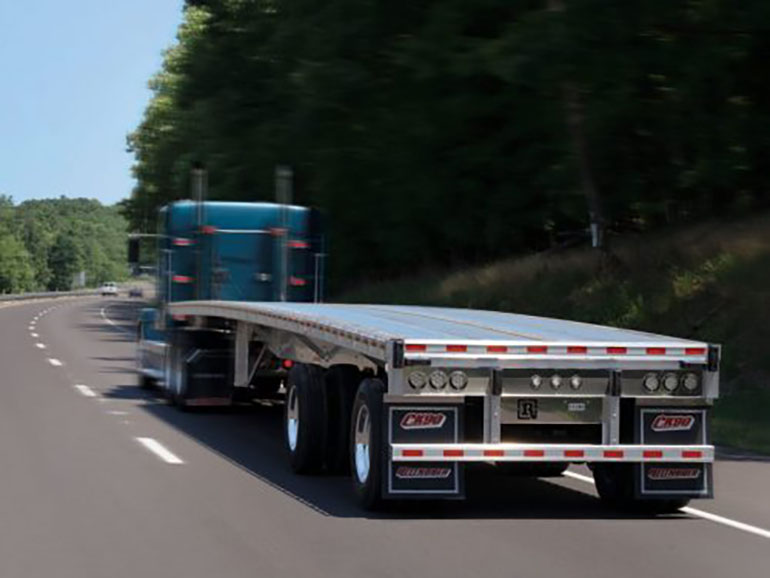
If you haul freight long enough, you stop caring about shiny paint and start caring about two things: how the trailer behaves under weight and how often it breaks your schedule. A trailer can look perfect on day one and still become a money pit if it twists, eats tires, or forces you to waste time on securement hacks. That is why so many owner-operators and fleets keep an eye on Reitnouer Trailers when they want a lighter build without giving up the toughness needed for real work.
If you want a quick brand overview and examples of trailer types, use this reference page: Reitnouer Trailers
Why the “Right Trailer” Is a Business Decision
Your trailer affects your operation every day, even when you do not notice it. A smart spec can help you:
- carry more legal payload because the trailer weighs less
- spend less time in the shop
- load faster and secure freight with less stress
- reduce tire wear by staying aligned
- hold value better when you trade or sell
A bad trailer does the opposite. It quietly taxes you until you finally replace it.
What Makes Aluminum Trailers So Popular
Payload Advantage Without Getting Cute
In flatbed and drop deck work, weight matters. Lighter trailers can give you more room for freight weight before you hit axle limits. That extra margin can be the difference between:
- taking a heavier load that pays better
- avoiding a partial load
- staying legal without moving freight around like a puzzle
This is one reason Reitnouer Trailers get mentioned often in conversations about efficiency and profitability.
Less Corrosion, Less Long-Term Ugly
Road salt, coastal air, and harsh cleaning routines punish steel. Aluminum typically holds up better against corrosion, which means your trailer can stay cleaner, stronger, and easier to maintain over time. That also helps resale because buyers can spot rust problems fast.
Key Features to Check Before You Buy
1) Structural Design That Handles Real Loads
A trailer’s strength is not just about “thick metal.” It is about how the design handles stress. Pay attention to areas that take repeated punishment:
- kingpin and front section
- main beams
- crossmembers and deck support
- suspension mounting areas
- rear frame and impact zones
You want a trailer that stays straight when you run heavy point loads like equipment, steel, or dense building materials.
2) Securement That Helps You, Not Slows You Down
If securement points are awkward, every load becomes a time sink. The right trailer makes it easy to run straps and chains cleanly. Look for:
- usable tie-down positions along the length
- a layout that works for both straps and chains
- rails and edges that support securement without tearing gear
- a deck setup that does not block your options
Securement is a safety issue, but it is also a speed issue. Faster securement means faster turns, and faster turns can mean more revenue.
3) Deck and Loading Practicality
Your deck takes abuse from forklifts, pallets, and uneven loads. A trailer that loads smoothly saves you time and avoids damage. Think about how your common freight loads:
- do you need long, open deck space
- do you often deal with awkward cargo shapes
- do you load at job sites with poor angles
- do you need lower deck height for tall equipment
Matching deck style to your freight mix prevents headaches later.
4) Suspension, Tires, and Stability
Suspension influences more than ride comfort. A solid setup helps with:
- predictable handling
- reduced bounce that can loosen securement
- better tire wear
- less stress on the trailer frame over time
A trailer that tracks straight and rides stable can save you money in ways you feel monthly, not yearly.
Choosing Between Flatbed and Drop Deck
Flatbed: Simple and Versatile
Flatbeds work well for a wide range of freight. If you haul:
- lumber
- pallets
- construction materials
- mixed general freight
a flatbed can be your “do everything” option. The main focus becomes securement flexibility and deck durability.
Drop Deck: Better Height Control and Equipment Loading
Drop decks help when you need to manage height and center of gravity. They can be a strong choice for:
- machinery and equipment
- taller loads that risk height limits
- freight that loads better with a lower deck
If you handle equipment regularly, a drop deck can make loading less risky and less stressful.
How to Spec for Your Actual Work
Consider Your Most Common Load, Not Your Best Day
A lot of people spec a trailer based on the rare “perfect load” that pays great. Instead, spec for what you haul most weeks. Ask yourself:
- what is my most common freight type
- how often do I chain instead of strap
- what load lengths do I see most
- do I deal with uneven job sites
- do I run routes with heavy winter salt
Your answers should shape your choice more than any sales pitch.
Think About Maintenance Like a Schedule, Not a Surprise
Even good trailers need service. The difference is how predictable it is. A well-built trailer usually lets you plan maintenance instead of reacting to failures. That matters because surprise downtime kills revenue and adds stress.
Why Reitnouer Trailers Stay on People’s Shortlists
Owner-operators like equipment that works without drama. Fleets like equipment that stays in service and holds value. Many buyers see Reitnouer Trailers as a smart middle ground: lightweight benefits with the kind of build quality that fits heavy-duty hauling.


