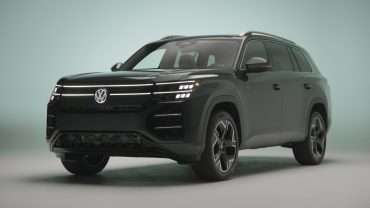
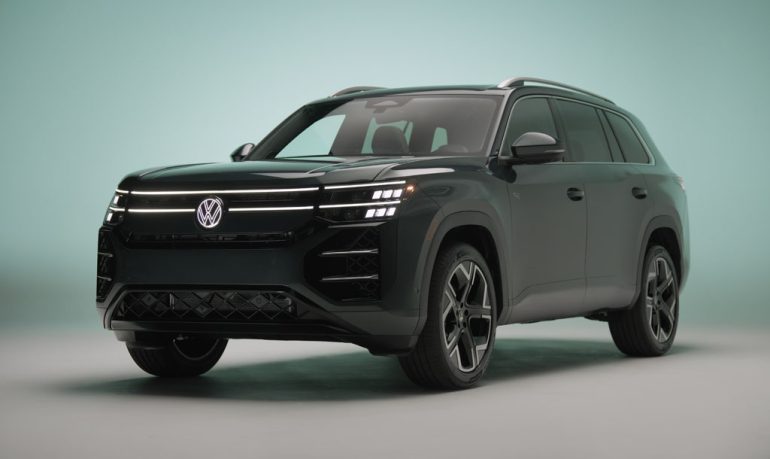
Volkswagen is giving the Atlas a meaningful overhaul for 2027, and while the overall shape remains familiar, this second-generation version looks like a sharper, more polished take on the three-row SUV families already know well. The new Atlas keeps its square-shouldered presence and practical proportions, but nearly every important touchpoint appears to have been updated. From the styling to the cabin tech to the safety equipment, this is less of a simple facelift and more of a serious effort to push the Atlas upmarket without losing the practicality that made it relevant in the first place.
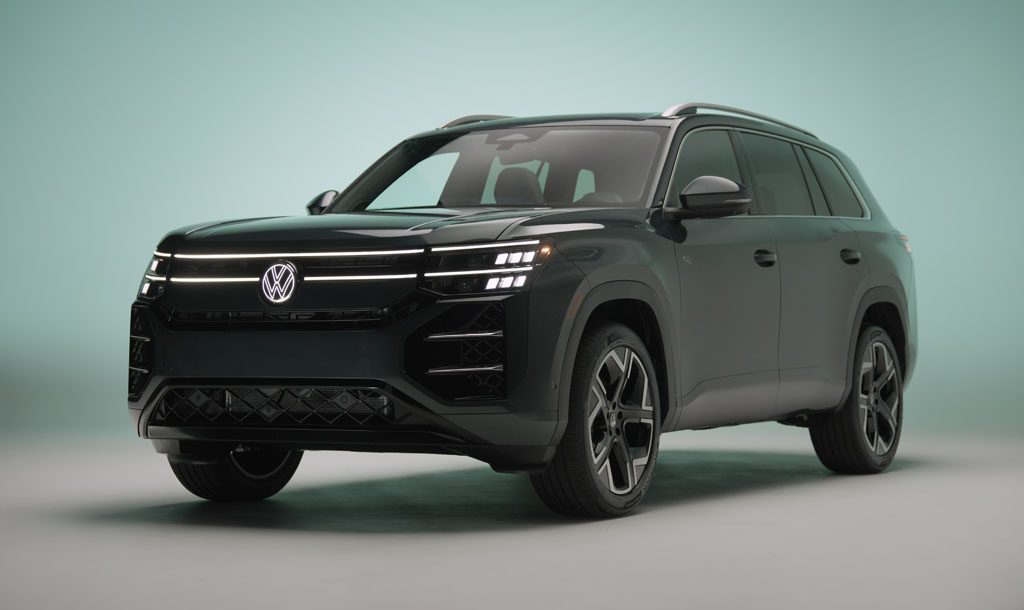
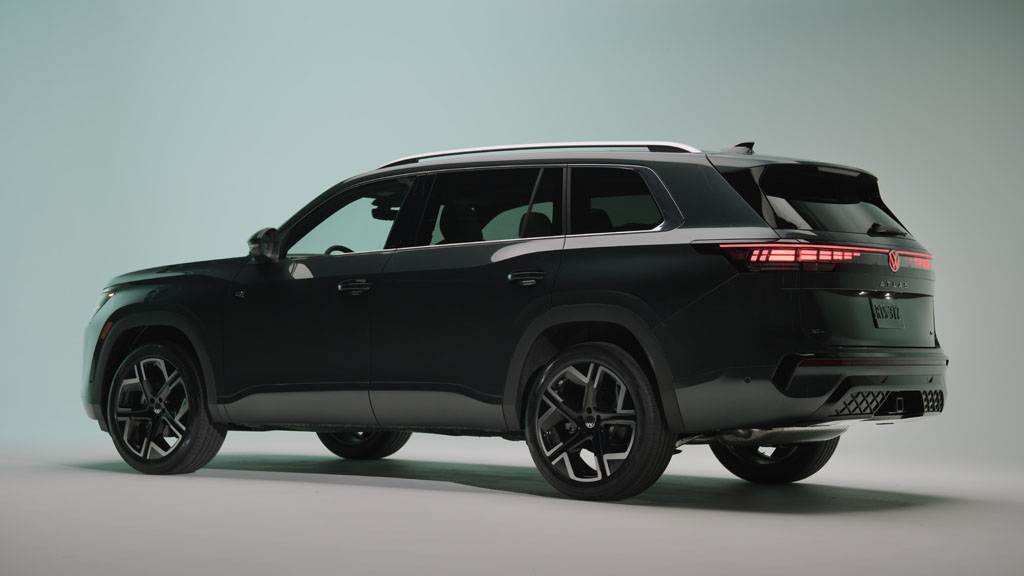
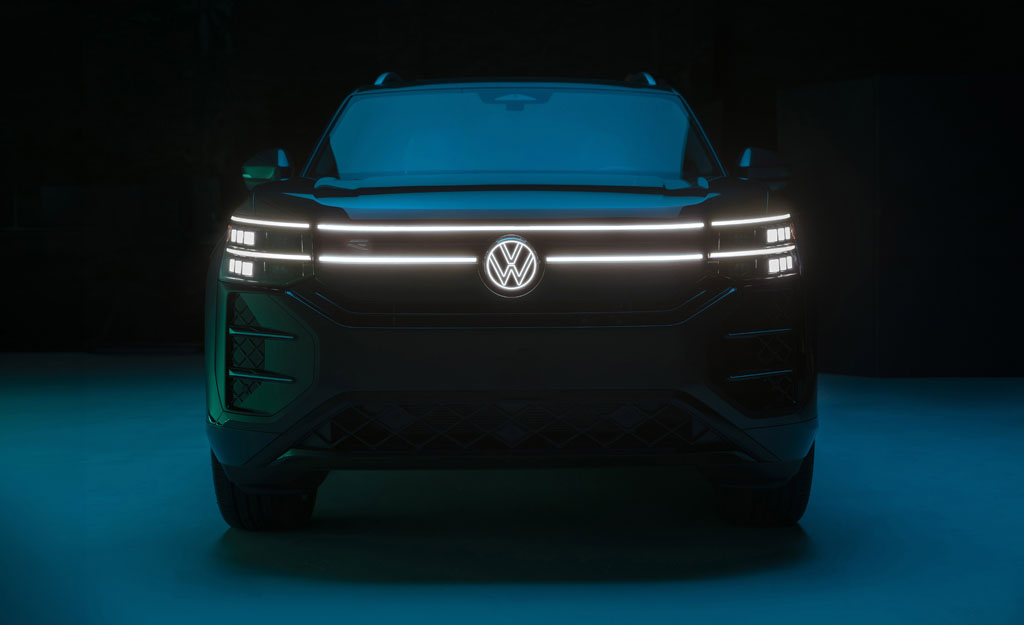
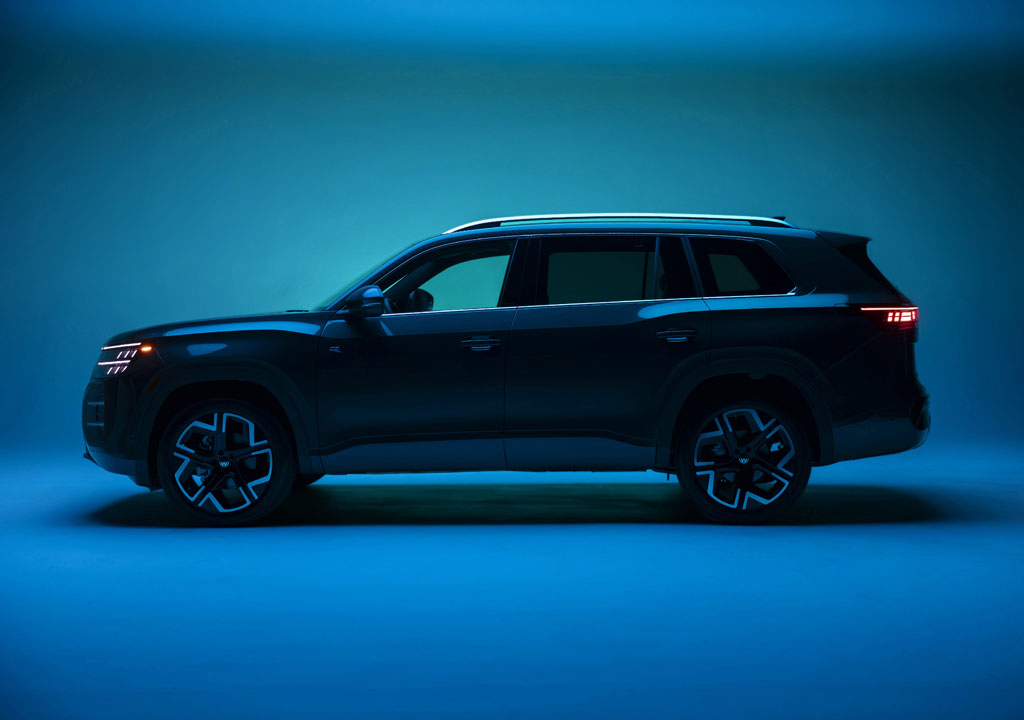
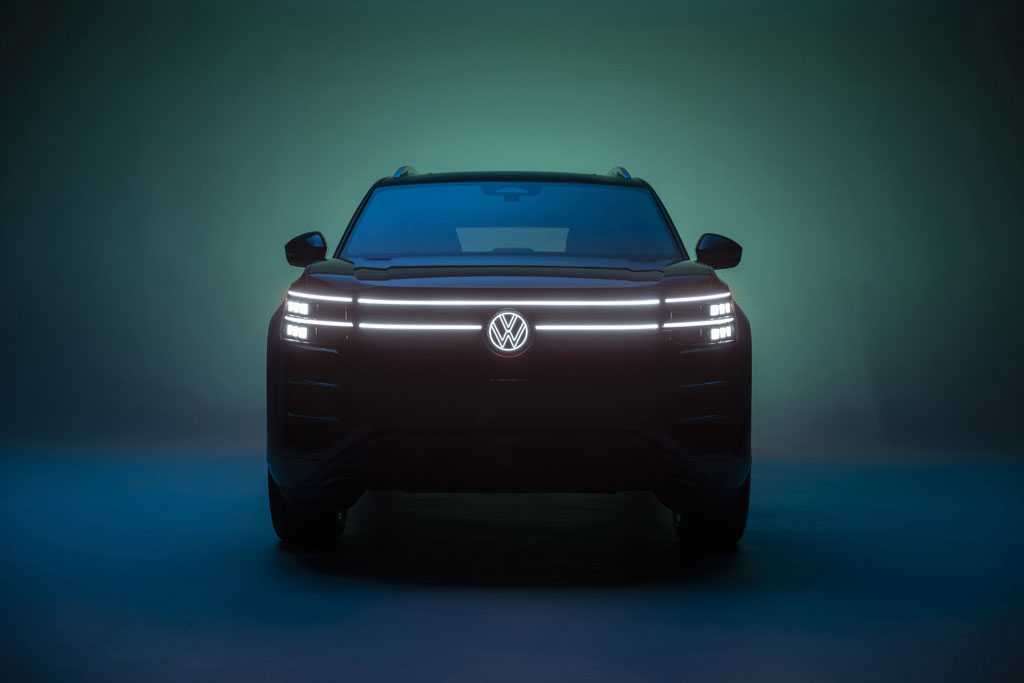
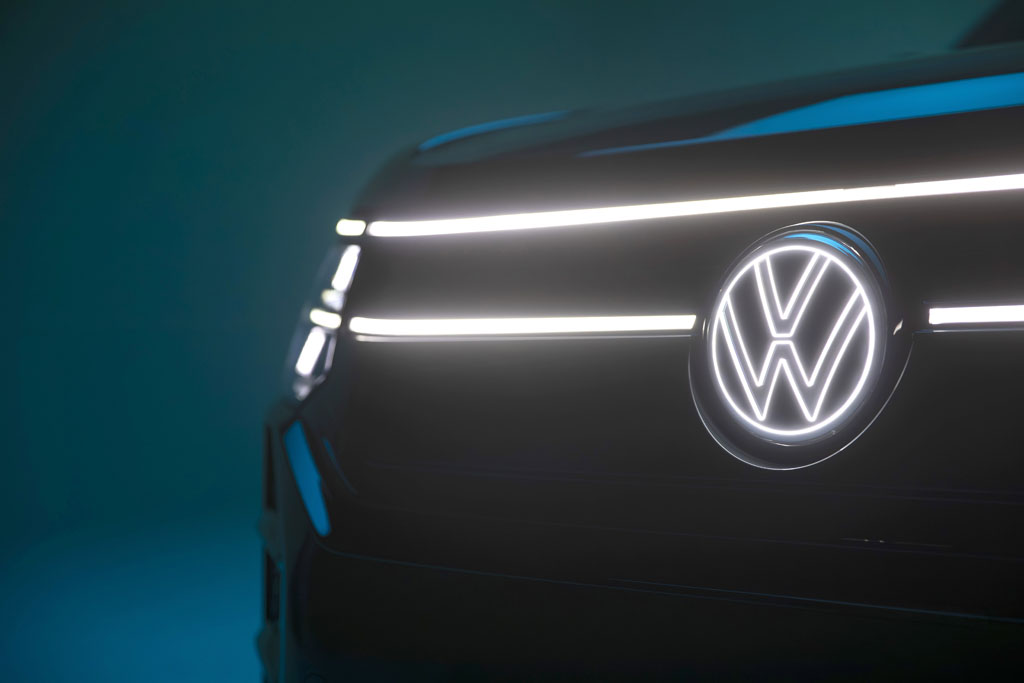
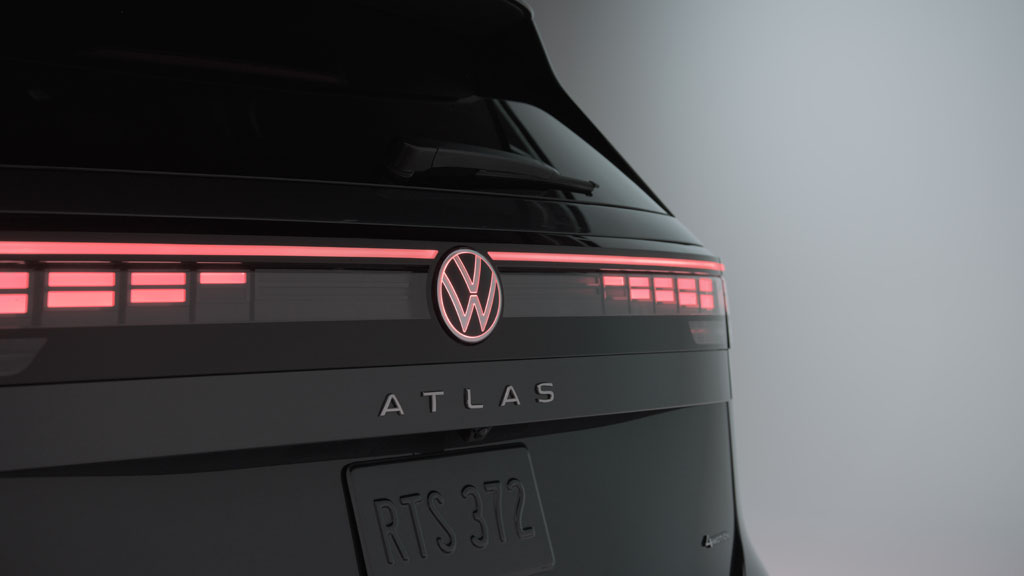
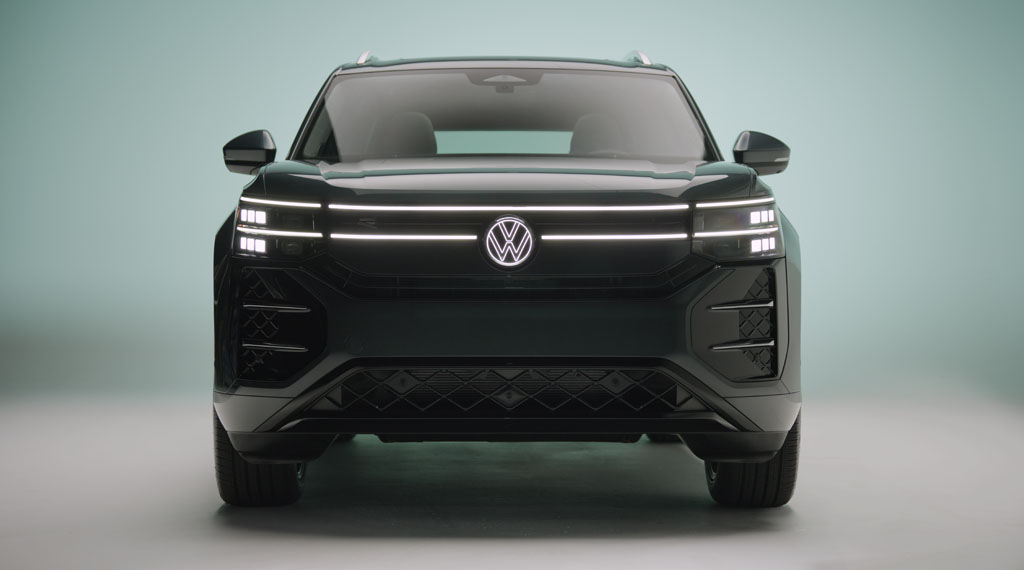
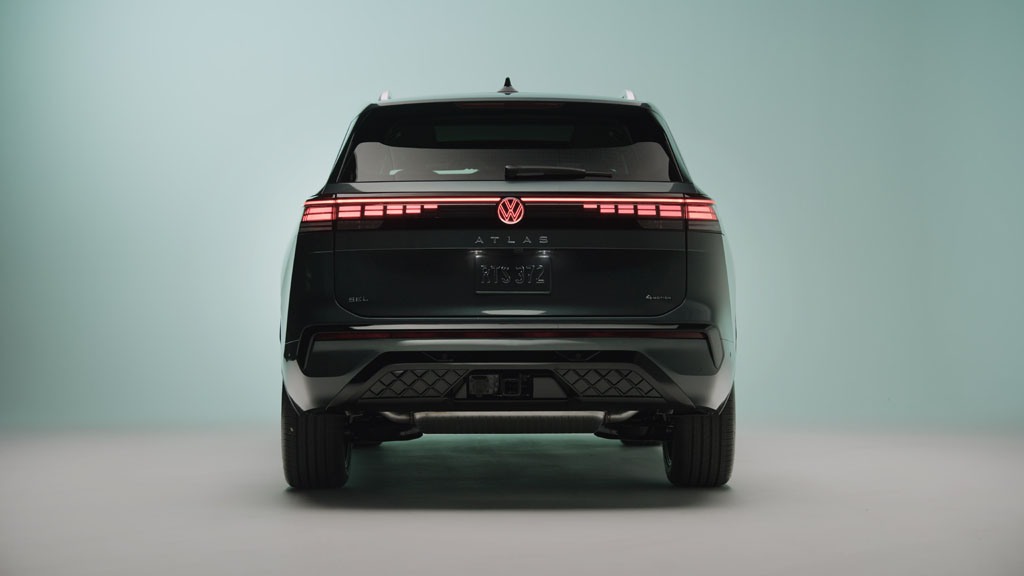
Outside, the changes seem aimed at making the Atlas feel more modern and a little more premium without going overboard. The front end now leans heavily on lighting for its visual identity, with LED elements stretching across the grille and an illuminated VW emblem adding extra nighttime drama on most trims. Around the rest of the body, the SUV gets cleaner side glass, more defined surfacing, a larger rear spoiler, and a full-width taillight treatment that helps it look wider and more planted. It is still unmistakably an Atlas, but it now carries itself with more confidence.
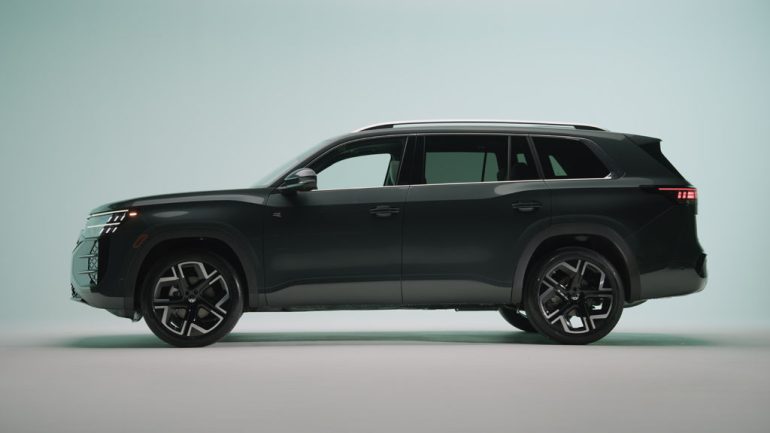
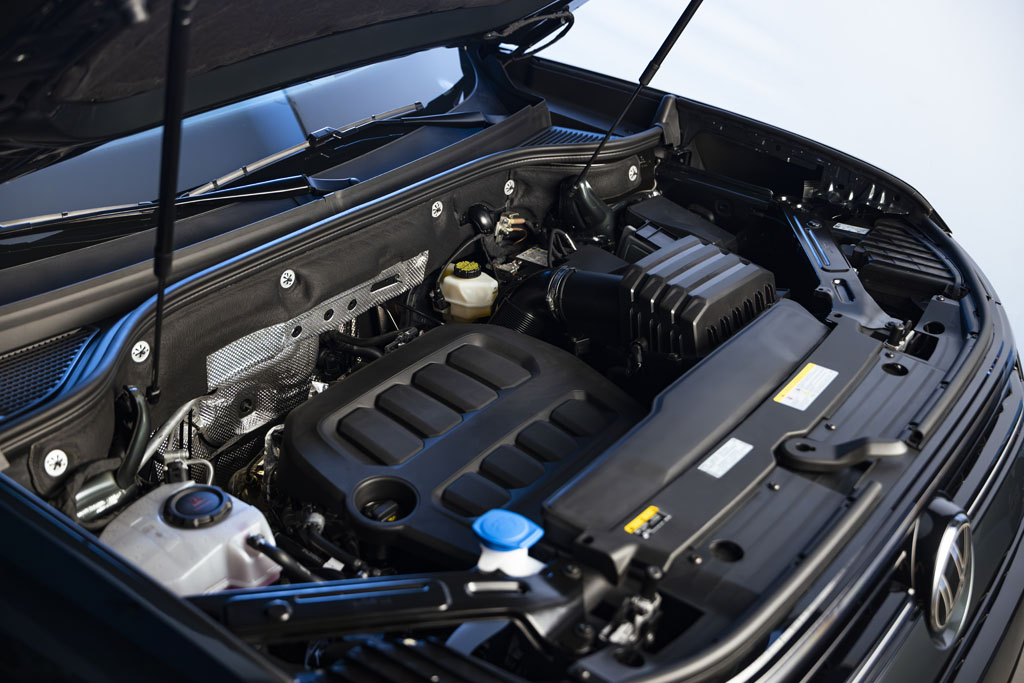
Under the hood, Volkswagen has updated the EA888 turbocharged 2.0-liter four-cylinder, and the result is a modest bump in horsepower to 282 hp. Torque drops slightly to 258 lb-ft, but VW says fuel economy should improve, which will likely matter more to many family buyers than a spec-sheet bragging point. The eight-speed automatic stays, front-wheel drive remains standard, and all-wheel drive is still available. Just as important, the Atlas continues to offer up to 5,000 pounds of towing capacity, which keeps it useful for buyers who need their three-row SUV to do more than just shuttle kids and groceries.
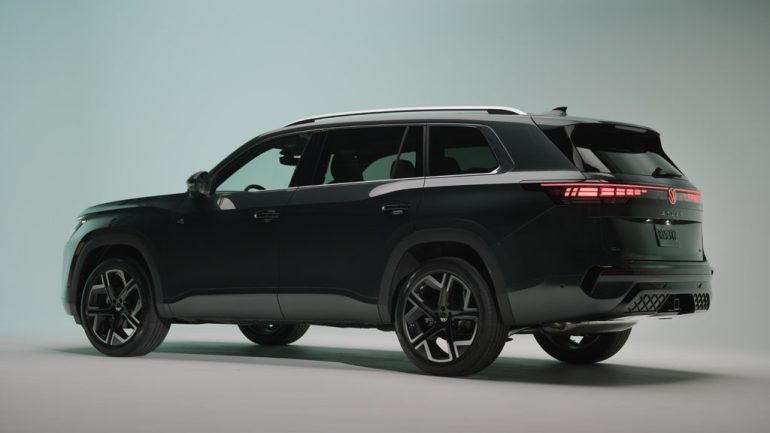
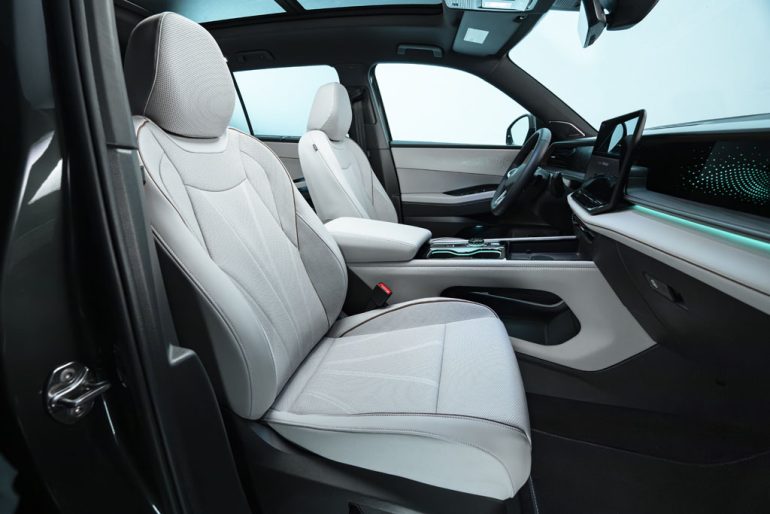
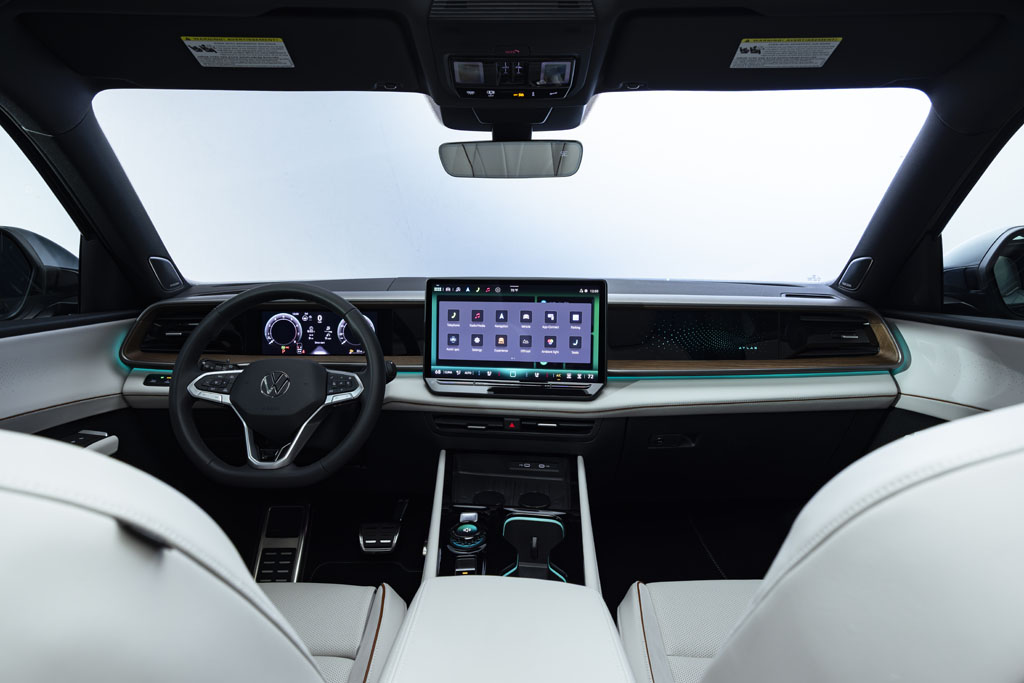
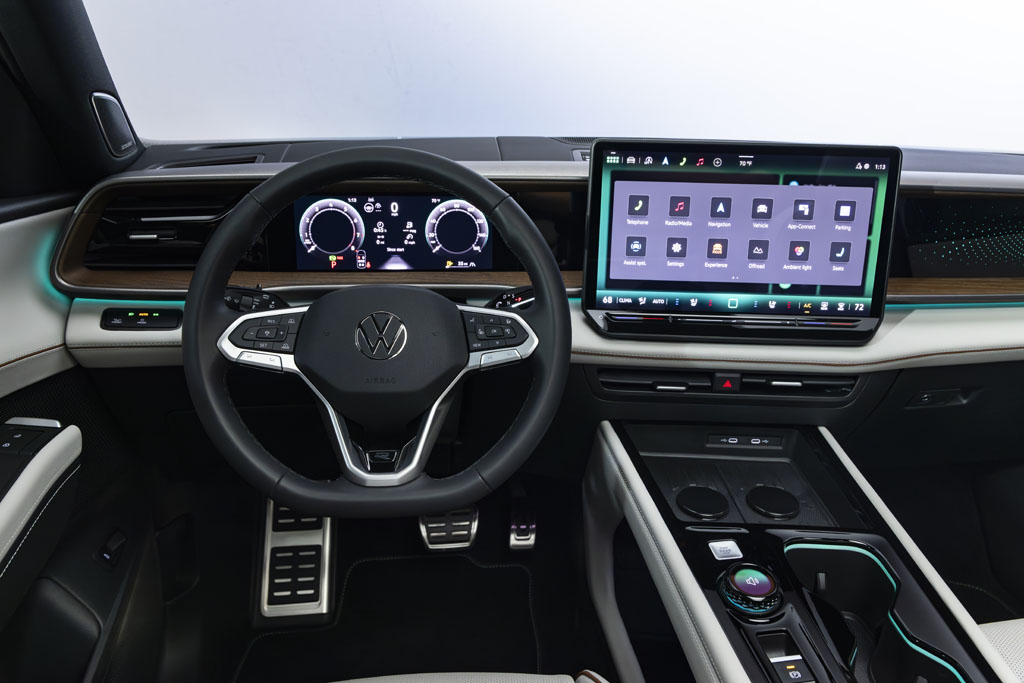
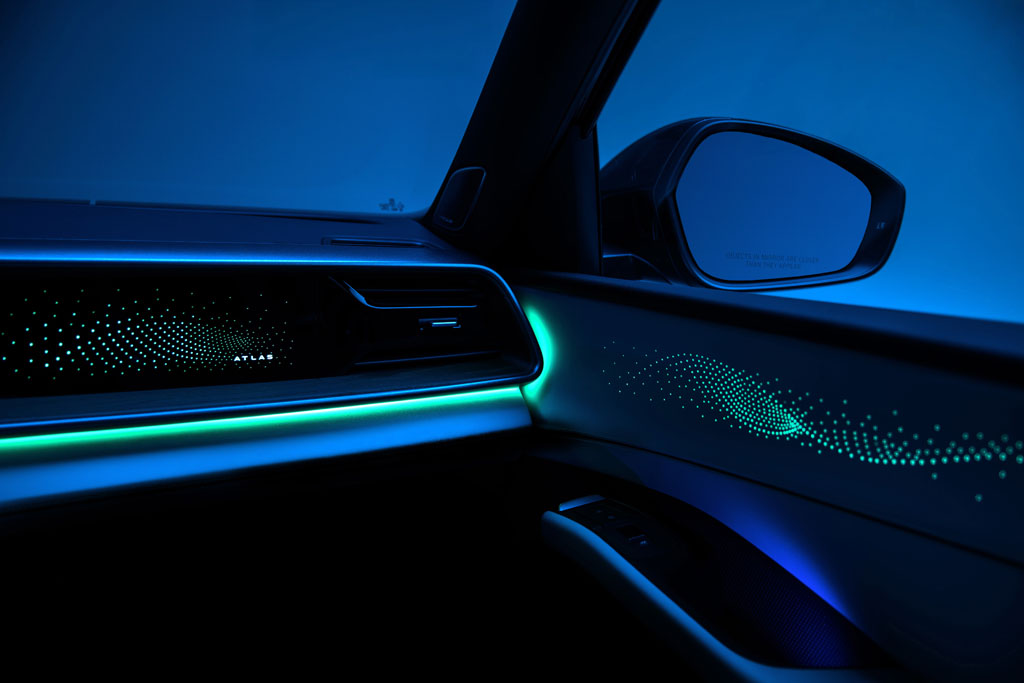
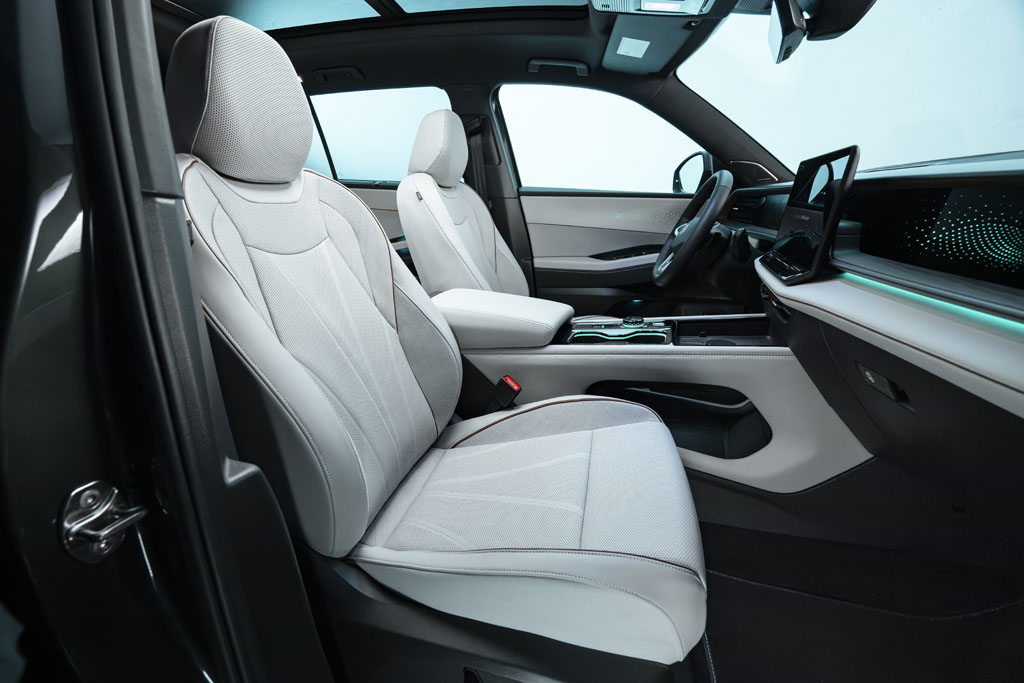
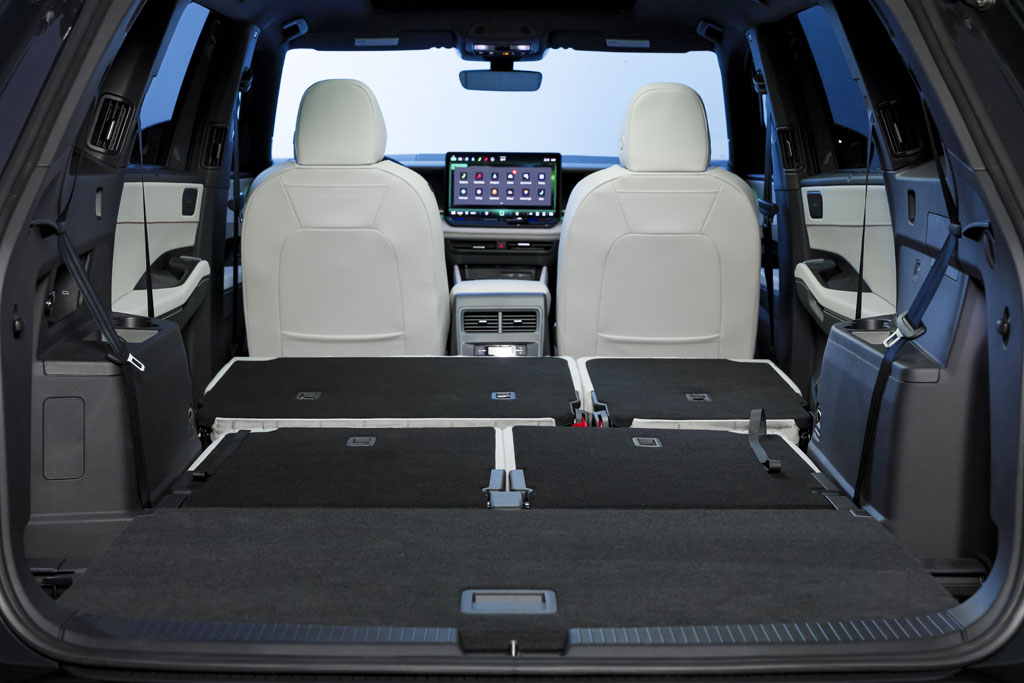
The biggest transformation may be inside. Volkswagen appears to have put real effort into making the Atlas cabin feel richer and more distinctive, and not just in the usual touchscreen-heavy way. A new 15-inch central display headlines the dashboard on most trims, backed by a 10.3-inch digital gauge cluster, but the more interesting story is how much attention was paid to atmosphere. Ambient lighting now plays a major role in the cabin experience, especially on upper trims where spiral-pattern perforations in the doors glow in a way that is far more dramatic than most buyers probably expect in this segment. It may sound like a small thing, but touches like that can make a family vehicle feel more special in daily use.
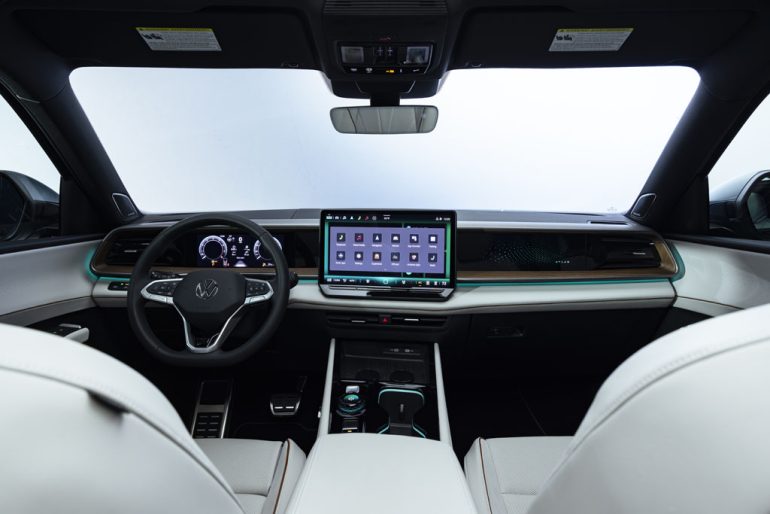
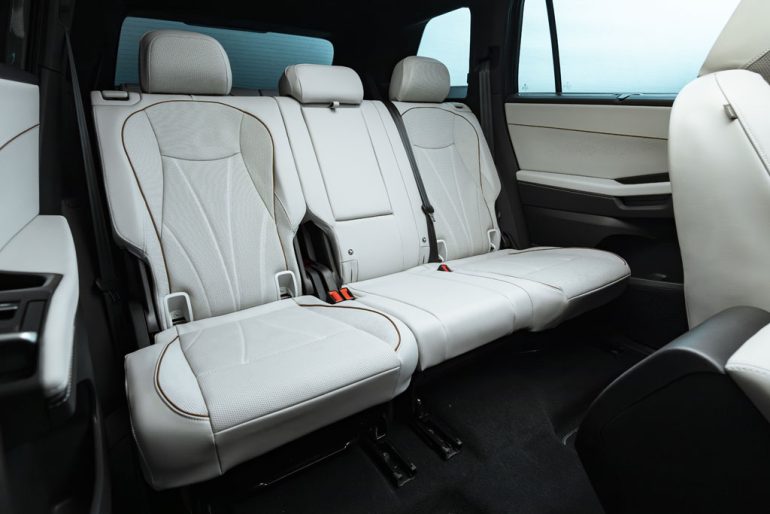
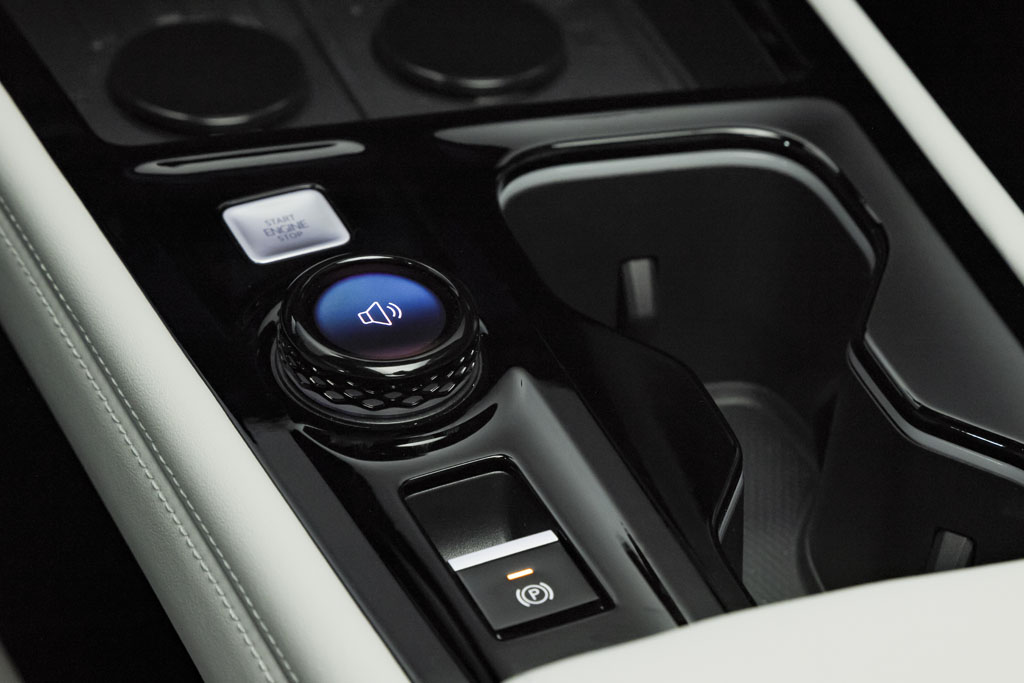
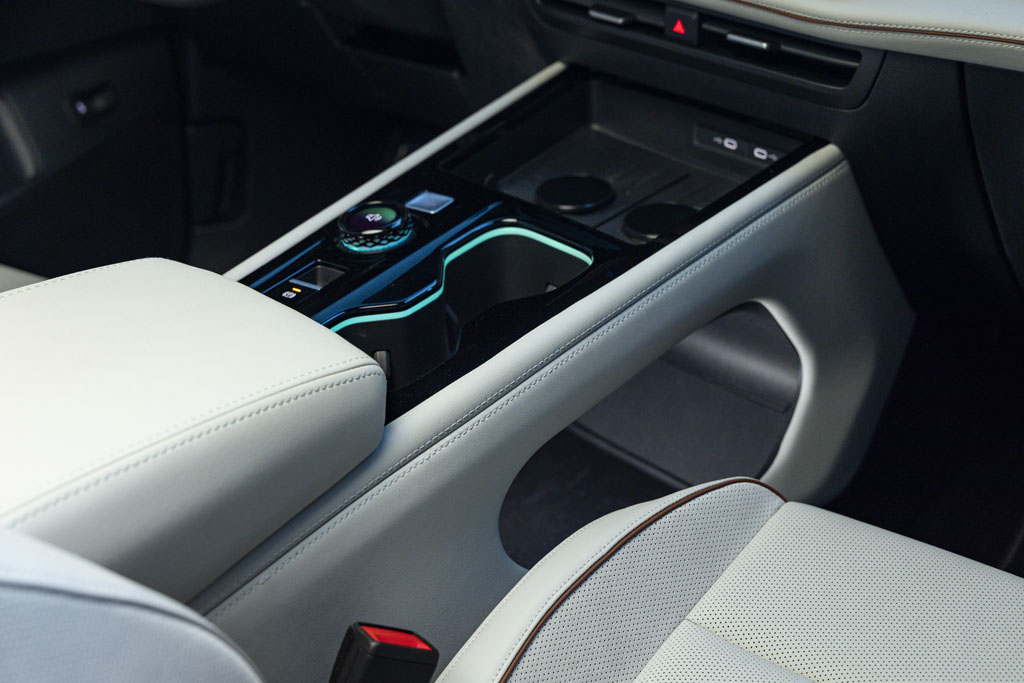
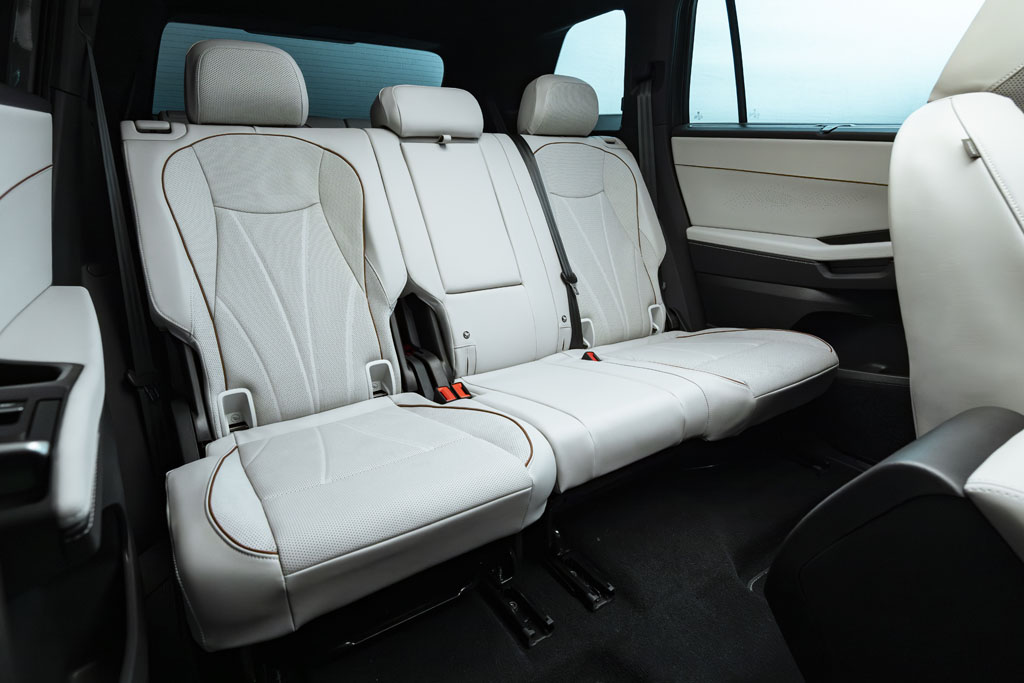
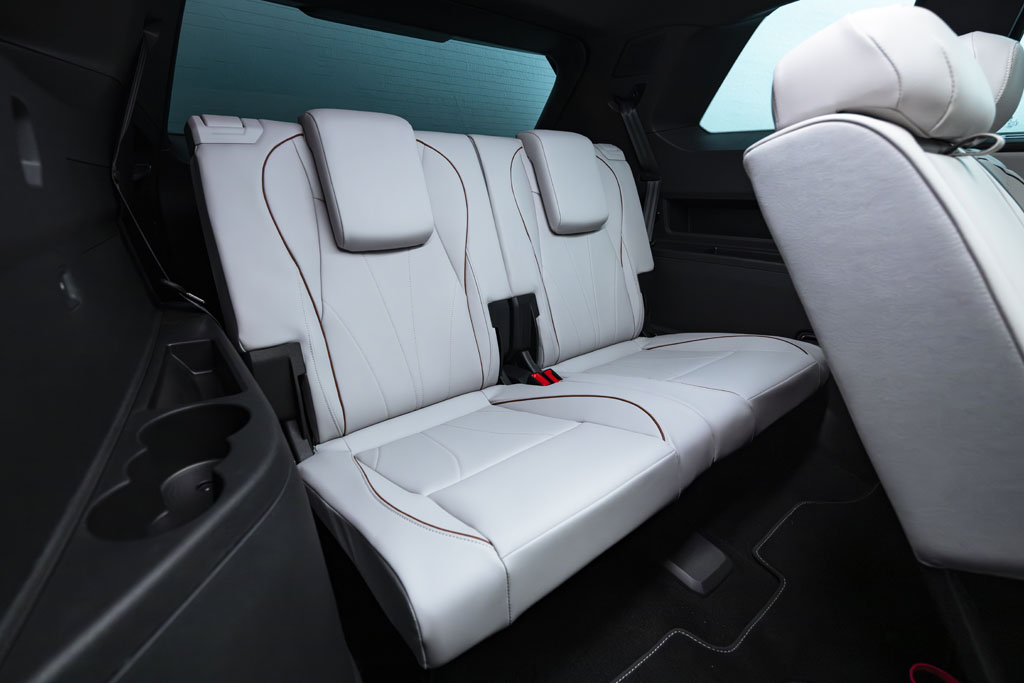
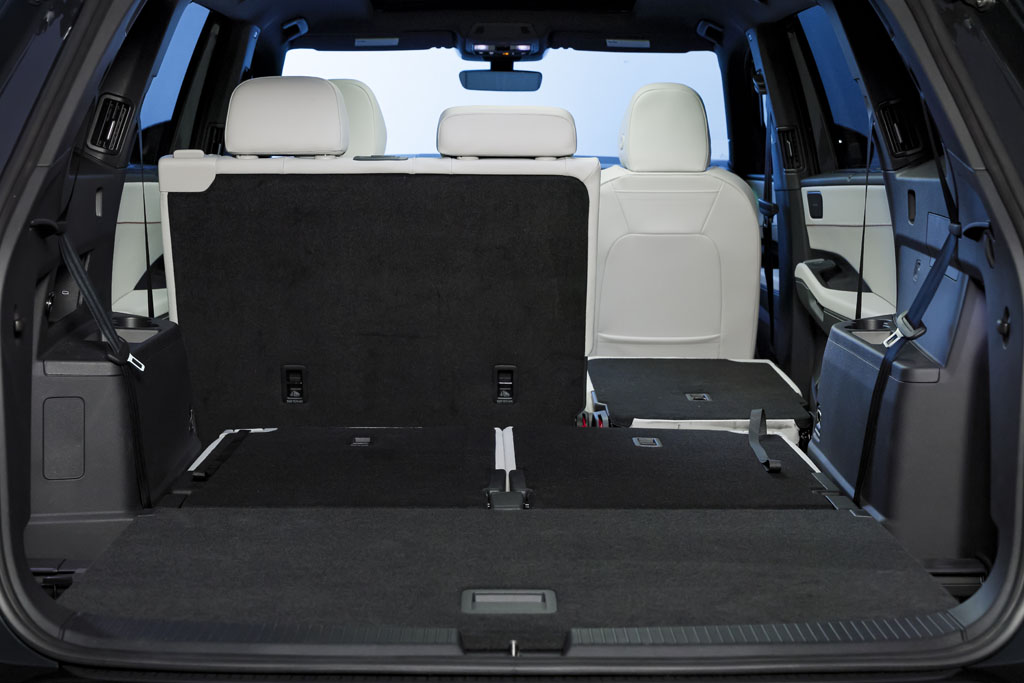
Volkswagen also made several practical improvements that should matter just as much as the flashy stuff. Moving the gear selector to the steering column frees up more room in the center console, where buyers will now find dual Qi2 wireless charging pads designed to hold phones in place and reduce heat buildup. Better rear-seat ventilation, available second-row seat ventilation, more standard speakers, rear sunshades, extra cargo-area lighting, and available captain’s chairs all point to a company that understands this SUV has to work hard for busy households. Even the available materials, including Varenna leather and nappa leather on upper trims, suggest VW wants the Atlas to feel more refined without abandoning its family-first mission.
Safety and driver assistance also get a notable boost. Volkswagen has added a front center airbag and improved Travel Assist, which now allows driver-initiated lane changes while working with adaptive cruise control and lane centering. Emergency Assist can also bring the vehicle to a stop and guide it to the side of the road if it senses a possible medical issue. These are the kinds of upgrades that do not always get headline treatment, but they matter in a vehicle likely to spend much of its life carrying families on crowded highways, school runs, and long road trips.
There is another detail worth highlighting here, and that is where the Atlas continues to be built. Production remains in Chattanooga, Tennessee, which gives this Volkswagen an important American manufacturing story in a segment where local production still matters to a lot of buyers. Pricing has not yet been announced, but with the current Atlas starting at $40,785, it is reasonable to expect a modest increase when the new model arrives this fall. Even so, if Volkswagen delivers on the promise of more polish, more technology, and better day-to-day livability, the 2027 Atlas looks positioned to stay a strong contender in the crowded three-row SUV field.


Mike Floyd is a finance executive by trade and a car enthusiast at heart. As a CFO with a keen eye for detail and strategy, Mike brings his analytical mindset to the automotive world, uncovering fresh insights and unique perspectives that go beyond the surface. His passion for cars—especially his favorite, the Porsche 911, fuels his contributions to Automotive Addicts, where he blends a love for performance and design with his professional precision. Whether he’s breaking down industry trends or spotlighting emerging innovations, Mike helps keep the site both sharp and forward-thinking.

Mike Floyd is a finance executive by trade and a car enthusiast at heart. As a CFO with a keen eye for detail and strategy, Mike brings his analytical mindset to the automotive world, uncovering fresh insights and unique perspectives that go beyond the surface. His passion for cars—especially his favorite, the Porsche 911, fuels his contributions to Automotive Addicts, where he blends a love for performance and design with his professional precision. Whether he’s breaking down industry trends or spotlighting emerging innovations, Mike helps keep the site both sharp and forward-thinking.