Nissan could soon take a major step in reshaping its electric vehicle strategy in North America, with the automaker now openly evaluating exports of Chinese-built EVs to Canada. The move follows Canada’s recent decision to ease restrictions on Chinese-made electric vehicles, creating an opportunity for global automakers to tap into lower production costs and a rapidly growing EV market.
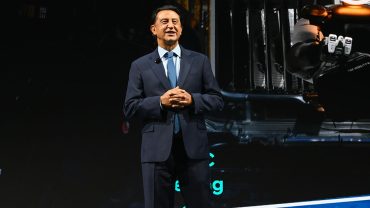
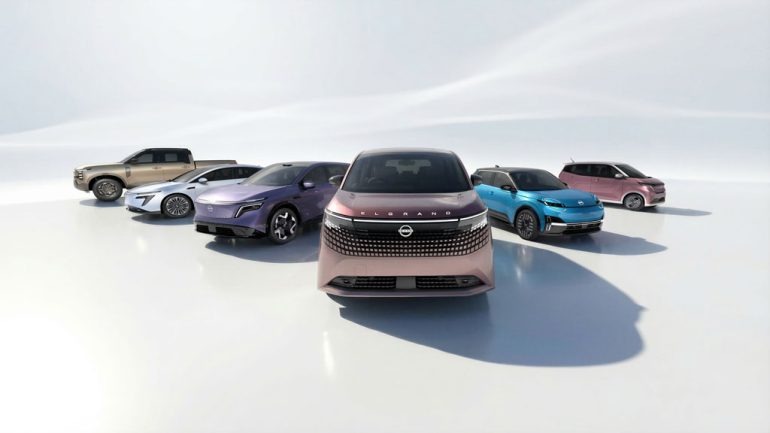
The Japanese automaker is reportedly studying the possibility of shipping vehicles produced through its Dongfeng joint venture in China into Canada, potentially including future EVs like the N7 electric sedan and the Frontier Pro pickup. While Nissan has not officially confirmed which models could arrive or when they might launch, company leadership has acknowledged that Canada is now firmly on the radar as part of a larger global export strategy. CEO Ivan Espinosa is said to be targeting exports of up to 100,000 China-built vehicles annually, with ambitions that could eventually grow to 300,000 units worldwide.
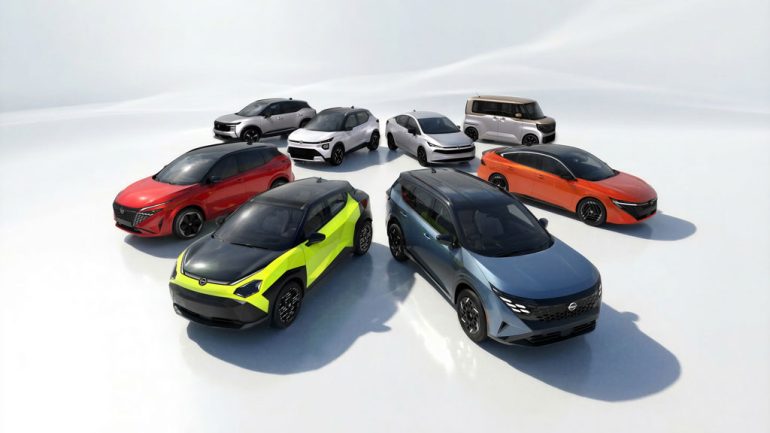
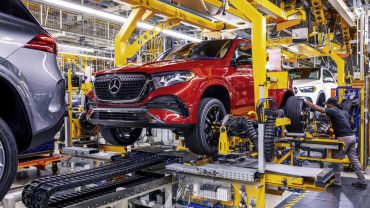
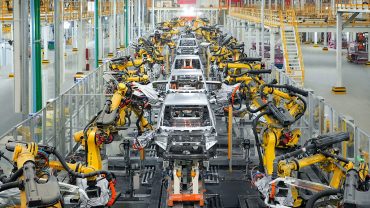
For Nissan, the timing could not be more important. The company has faced mounting pressure to modernize its aging vehicle lineup while staying competitive in an increasingly crowded EV space. Manufacturing in China offers significant advantages, including lower production costs, faster development cycles, and access to a supply chain that has become highly efficient at building affordable electric vehicles. Those advantages could help Nissan close the gap with rivals that have already embraced Chinese production for global markets.
Canada also presents a particularly attractive opportunity right now. EV demand in the country has surged, with sales climbing sharply thanks in part to federal incentives worth up to $5,000 for qualifying vehicles. Consumers are becoming more comfortable with EV ownership, while interest in hybrids and plug-in hybrids continues to rise as buyers look for practical alternatives to traditional gasoline-powered vehicles. If Nissan enters the market with aggressively priced Chinese-built models, it could put pressure on competitors ranging from legacy automakers to Tesla, which already imports some Shanghai-built vehicles into Canada.
Still, several factors could shape how quickly Nissan moves forward. Trade policy remains a wildcard, especially as governments around the world continue debating tariffs and domestic manufacturing protections tied to Chinese EV production. If Canada maintains its current policy direction and consumer demand keeps accelerating, Nissan could position itself as one of the next major automakers to leverage Chinese manufacturing for North American growth. On the other hand, political resistance or changing tariff structures could slow those ambitions and redirect Nissan’s focus toward Latin America and other emerging markets that may prove more receptive in the near future.

Mike Floyd is a finance executive by trade and a car enthusiast at heart. As a CFO with a keen eye for detail and strategy, Mike brings his analytical mindset to the automotive world, uncovering fresh insights and unique perspectives that go beyond the surface. His passion for cars—especially his favorite, the Porsche 911, fuels his contributions to Automotive Addicts, where he blends a love for performance and design with his professional precision. Whether he’s breaking down industry trends or spotlighting emerging innovations, Mike helps keep the site both sharp and forward-thinking.

Mike Floyd is a finance executive by trade and a car enthusiast at heart. As a CFO with a keen eye for detail and strategy, Mike brings his analytical mindset to the automotive world, uncovering fresh insights and unique perspectives that go beyond the surface. His passion for cars—especially his favorite, the Porsche 911, fuels his contributions to Automotive Addicts, where he blends a love for performance and design with his professional precision. Whether he’s breaking down industry trends or spotlighting emerging innovations, Mike helps keep the site both sharp and forward-thinking.