
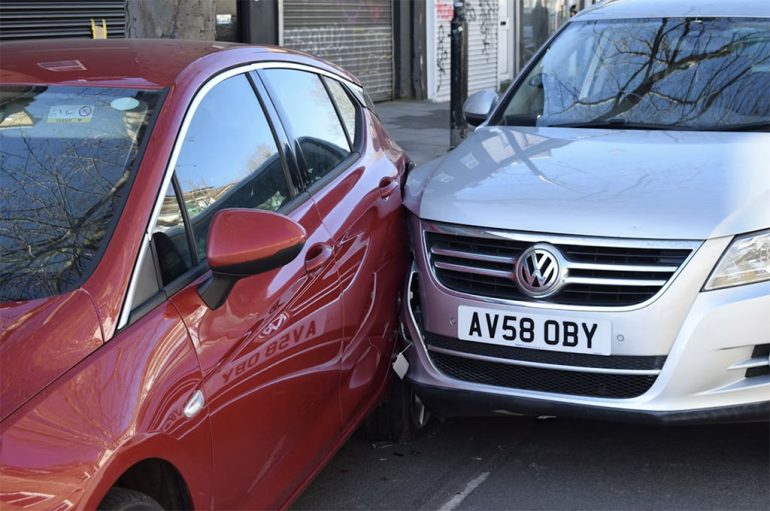
The first few minutes after a crash can feel strangely unreal. One moment you’re driving, the next you’re on the roadside, shaken, unsure what just happened, and trying to work out what to do after a car accident.
If the collision wasn’t your fault, start with the basics. Check for injuries, call 911 if anyone is hurt or the vehicles are damaged, exchange information, take photos, report the crash to your insurer, and get medical care. You don’t need to argue about fault at the scene. Your job is to stay safe, gather the right information, and avoid saying anything that can muddy the facts later.
These steps can help you handle those first decisions one at a time and even get free accident legal guidance.
1. Stay Calm, Check for Injuries, and Call 911
After a car accident, take a breath, turn on your hazard lights, and check yourself and your passengers for injuries. Look for pain, bleeding, dizziness, confusion, or anyone who seems unable to move safely.
If the vehicle is drivable and it’s in a dangerous location, move it to a safer place. Stay nearby, but don’t stand in an active lane or walk around the crash scene unless it’s safe.
Call 911 if anyone may be hurt, if the vehicles are damaged, if traffic is blocked, or if the other driver becomes aggressive or tries to leave.
When officers arrive, answer their questions calmly. Say what you saw, heard, and experienced, and avoid filling in details you’re unsure about.
A police report documents the date, location, drivers, vehicles, and basic crash details, which can be useful later if the other driver changes their story or an insurance company asks for proof of what happened.
2. Do Not Admit Fault or Apologize
At an accident scene, even a polite apology can be interpreted as an admission of guilt.
Never say sorry at the scene – it can be used against you
You can still check whether people are okay, speak respectfully to the police, and share the information you are required to provide. Just keep the conversation factual and avoid making comments about who caused the crash until the evidence has been reviewed.
Avoid guessing about speed, signals, braking, or what the other driver saw. Comments like “I didn’t see you,” “I should have stopped sooner,” or “you came out of nowhere” can be taken out of context later.
A simple approach works best. Explain where you were, what direction you were traveling, and what happened next.
3. Exchange Information With the Other Driver
Get the driver’s name, phone number, address, driver’s license number, license plate number, insurance company, and policy number. Write down the vehicle’s make, model, color, and visible damage.
If the other driver is willing, photograph the insurance card and license plate so you don’t have to copy everything by hand while you are still shaken. Keep the conversation short and practical. You are collecting details, not debating the crash.
Before people leave, ask any witnesses for their name and phone number. It also helps to note who was in each vehicle, since passengers may have seen or heard something useful. If the other driver refuses to share details, wait for the police and explain the issue to the responding officer.
4. Document the Scene Before Evidence Disappears
Document the scene as quickly as possible by using your phone to capture what you can while it’s still safe to do so. Take wider photos that show the road, vehicle positions, lanes, nearby signs, traffic lights, and the surrounding area. Then take closer photos of vehicle damage, license plates, broken glass, skid marks, construction work, potholes, weather conditions, or anything other evidence that may help explain the impact.
A video can help if your photos don’t clearly show the road or the layout of the crash scene. A slow pan of the road can show where the vehicles came from, where they stopped, and what each driver may have been able to see.
While the details are fresh, make a short note on your phone with the time, location, direction of travel, road conditions, and what you remember about the impact.
5. Notify Your Insurance Company
You should generally report the crash to your own insurance company, even if another driver caused it. Your policy may expect you to report an accident within a certain timeframe, and your insurer can explain how the claim process works, what documents they need, and which coverage may apply.
When you call, keep the first conversation straightforward. Share the date, time, location, vehicles involved, police report number if you have one, and the other driver’s insurance details. It’s better to avoid guessing about fault or giving a full opinion about your injuries before a doctor has checked you.
Keep a record of each insurance conversation as the claim moves forward. Write down the claim number, the adjuster’s name, the date of the call, and what was discussed. Save emails, letters, repair estimates, medical bills, and claim forms in one place so you don’t have to piece everything together later.
6. See a Doctor, Even If You Feel Fine
Pain doesn’t always show up right away, and it can be masked by adrenaline. A stiff neck, headache, dizziness, numbness, confusion, sleep problems, or back pain after a car accident may appear hours or days later.
In 2024, according to Injury Facts, total motor vehicle injury costs were estimated at $559.3 billion, confirming how quickly medical expenses, lost income, and other accident-related losses can accumulate after a crash. Getting checked gives you a clearer understanding of the short and long-term impact on your body. It also creates an important medical record of your symptoms, treatment plan, and any limits on work, driving, or daily activity.
Follow the treatment plan, attend follow-up appointments, discuss any delayed symptoms after the car accident, and keep copies of discharge papers, prescriptions, imaging results, work restrictions, and medical bills. These records can help if an insurer later questions when your symptoms started or whether they are linked to the accident.
Waiting too long can make recovery harder and may also give an insurance company room to question the timing and cause of your symptoms.
7. Should You Get a Lawyer After a Car Accident That Was Not Your Fault?
If nobody was hurt, the damage is minor, and the insurance company is handling the claim clearly, you may be able to work through the process yourself.
However, it can be different when the crash affects your health, work, or day-to-day life. Medical bills can pile up quickly, symptoms take time to settle, and an insurer may push for you to accept a low settlement before you understand the full impact of the crash. If the other driver denies responsibility, has no insurance, or the settlement offer feels too low, it may be worth getting legal advice before you respond.
A local lawyer can bring valuable knowledge of the area’s roads, traffic patterns, courts, and legal procedures, which makes a major difference after a crash. For example, if your accident happened in Pennsylvania, a Scranton car accident lawyer can provide guidance tailored to local laws, assist you with the claims process, and ensure important deadlines and requirements are met.
FAQs About Car Accidents That Are Not Your Fault
How Long After a Car Accident Can You Sue?
The deadline for filing a lawsuit after an accident depends on the state where the crash occurred. Personal injury deadlines commonly range from one to six years, although many states give you two or three years to file a car accident injury claim. Claims involving government vehicles, minors, or delayed injuries can follow different rules, so check the deadline early.
How Much Can I Expect to Receive in a Car Accident Injury Claim?
There is no fixed amount you can expect to receive in a car accident claim. Every claim depends on the injuries, medical bills, lost income, vehicle damage, insurance coverage, and evidence of fault.
What If the Other Driver Has No Insurance?
If the other driver has no insurance, you may still be able to make a claim through your own policy if you have uninsured or underinsured motorist coverage. Report the crash to your insurer, keep the police report, and save all medical and repair documents.
Should I Talk to the Other Driver’s Insurance Company?
You can talk to the other driver’s insurance company to provide basic information, but be careful with recorded statements or detailed comments about injuries, fault, or what happened. Keep your answers brief and factual, especially if you are still getting medical care.


