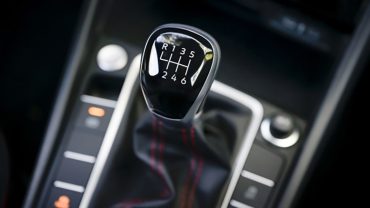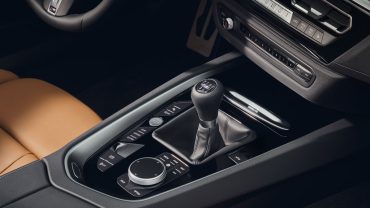
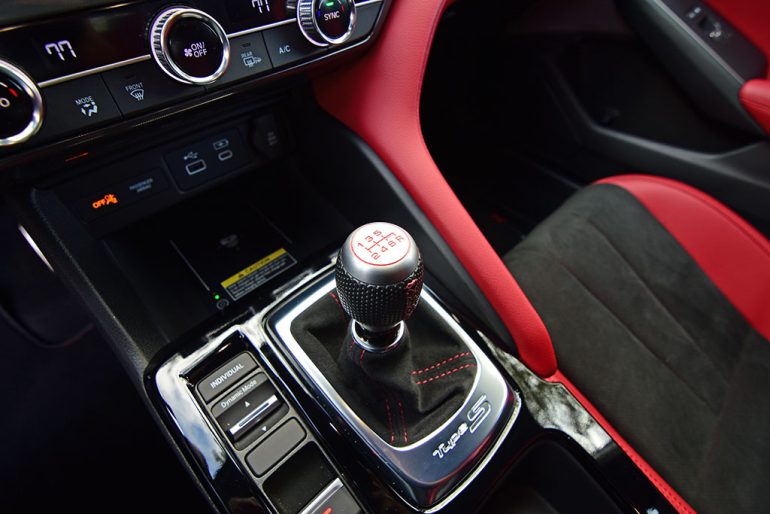
Manual transmission fans have always had plenty of emotional reasons to defend the clutch pedal. The feel of a perfectly timed shift, the extra layer of control, and the simple joy of being more involved in the drive have kept the manual alive even as automatics continue to get faster and more efficient. Now, a Japanese neuroscience study is giving stick-shift loyalists another reason to smile, suggesting that driving a manual may stimulate parts of the brain in ways an automatic simply does not.
The research, linked to Professor Ryuta Kawashima of Tohoku University, focuses on activity in the prefrontal cortex, the area associated with memory, attention, decision-making, and other higher-level cognitive functions. The thinking is pretty straightforward: when you drive a manual, your brain and body are constantly working together. You are reading traffic, judging speed, choosing the right gear, modulating the clutch, and coordinating throttle input, all while keeping the car smooth and settled. That extra involvement appears to create a small but meaningful mental workout.
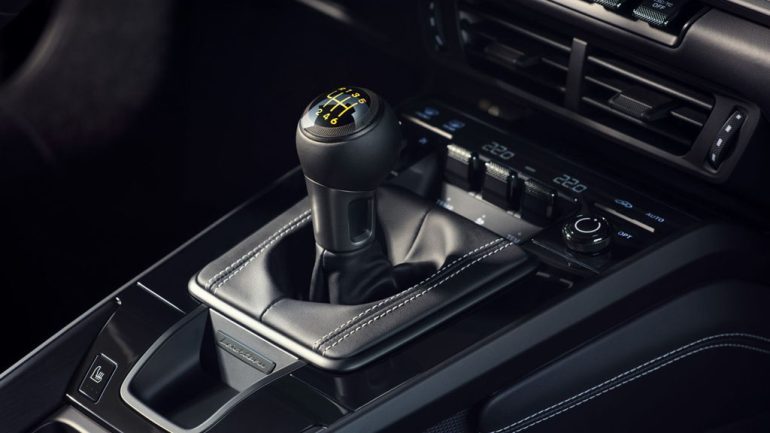
Of course, this comes at a strange time for the manual gearbox. New vehicles with a clutch pedal have become increasingly rare, especially in markets like Japan and the United States, where manual take rates have dropped to tiny percentages of overall new-car sales. Europe still holds on a bit more strongly in certain countries, but even there, electrification, traffic congestion, and the steady refinement of automatic transmissions continue to push manuals toward enthusiast-only status.
For those of us who still love driving, the study feels like a fun bit of validation rather than a medical prescription. No one is saying a six-speed sports car should replace proper exercise, good sleep, or a healthy lifestyle, but there is something satisfying about the idea that an engaging drive might keep more than just your passion alive. With only a small number of new manual-equipped vehicles still available in the U.S., the clutch pedal is becoming something worth preserving. Not just for nostalgia, but for the connection it creates between driver, machine, and maybe even the mind itself.

Darryl Taylor Dowe is a seasoned automotive professional with a proven track record of leading successful ventures and providing strategic consultation across the automotive industry. With years of hands-on experience in both business operations and market development, Darryl has played a key role in helping automotive brands grow and adapt in a rapidly evolving landscape. His insight and leadership have earned him recognition as a trusted expert, and his contributions to Automotive Addicts reflect his deep knowledge and passion for the business side of the car world.