The next big efficiency move in the auto industry may not come from a new battery chemistry, wild aerodynamics, or another software trick. It may come from something far less glamorous but deeply important: wiring. According to Reuters, Ferrari and BMW are joining Tesla and several Chinese EV makers in expanding the use of aluminum wiring as automakers look to reduce weight, manage rising material costs, and improve efficiency in electrified vehicles.
Copper has been the go-to material for automotive wiring for generations because it conducts electricity extremely well and has proven durability. The problem is that copper has become increasingly expensive, with prices reportedly climbing close to $15,000 per metric ton earlier this year. Aluminum, by comparison, is far cheaper at about $3,100 per ton and much lighter, which makes it especially attractive for hybrid and electric vehicles where every pound can affect range, performance, and packaging.
Ferrari told Reuters it began using aluminum power cables on the 296 hybrid last year and has since expanded the material into other models, including the Luce, its first EV. The Italian automaker says the change can save up to 20% of total wiring weight, which is a meaningful figure for a brand that obsesses over performance and feel. Ferrari also made it clear that it is not simply chasing a cheaper material, but rather choosing aluminum where it can provide the right performance benefit.
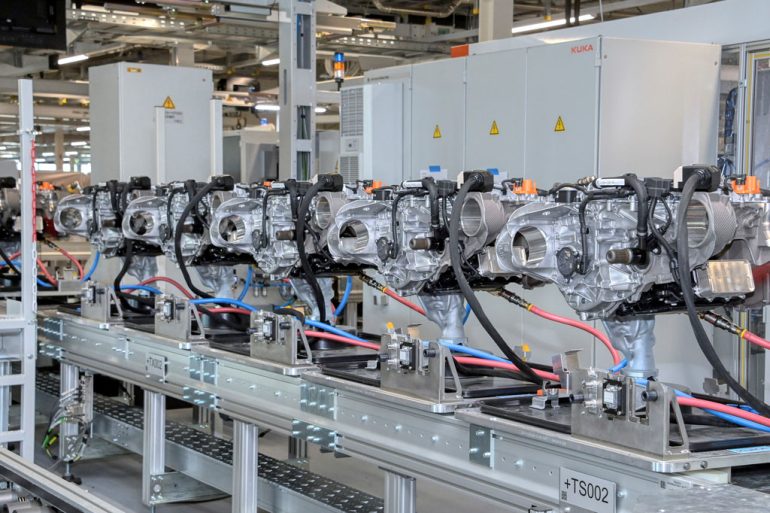
BMW has been working with aluminum conductors for much longer, first using them in the 1 Series back in 2011 and gradually expanding their use in hybrids and EVs. The company now uses a large number of aluminum cables in high-voltage and low-voltage applications within its latest eDrive electric technology. Stellantis has also reportedly begun replacing some copper wiring with aluminum, although the automaker declined to comment to Reuters.
The trend is moving even faster in China, where price pressure in the EV market has made cost savings especially valuable. Reuters reported that suppliers such as JONVER have seen aluminum wiring products grow as a share of sales, while Chinese EV brands including AVATR, XPeng, and Xiaomi are said to be among those adopting the material. Tesla is also viewed as an early mover in this area, having used aluminum wiring in the Model Y and later in the Cybertruck.
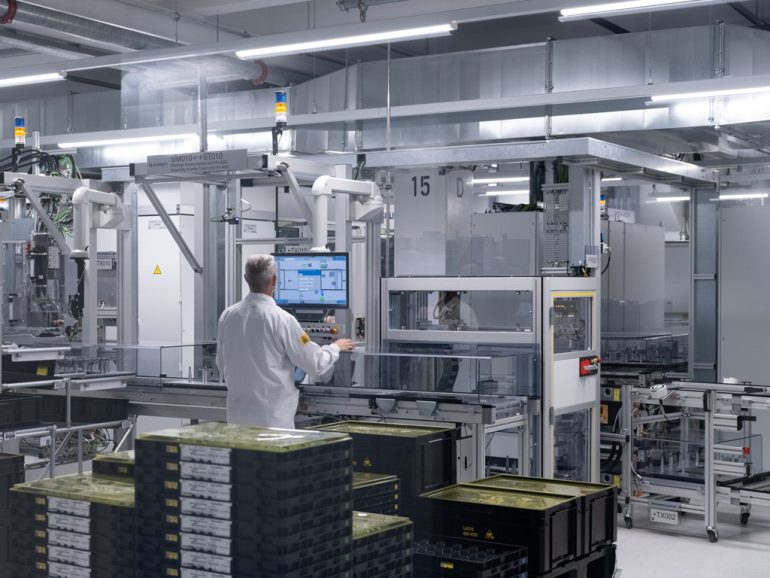
There are trade-offs, of course. Aluminum is not as electrically efficient as copper, so more material may be needed to carry the same current. Producing aluminum also requires a large amount of energy, which complicates the environmental math. Still, with copper demand rising from EVs, power grids, green energy projects, and data centers, the industry appears to be reaching a point where aluminum is simply too attractive to ignore in the right applications.
For car buyers, this shift will mostly happen out of sight, buried inside harnesses, battery connections, and power systems. But it could have a real impact on future vehicles, especially EVs and hybrids where weight and cost remain major battlegrounds. If Ferrari, BMW, Tesla, and China’s fast-moving EV brands are all leaning into aluminum, it is a strong signal that the humble wiring harness is becoming another front in the race to build lighter, smarter, and more cost-efficient cars.

Mike Floyd is a finance executive by trade and a car enthusiast at heart. As a CFO with a keen eye for detail and strategy, Mike brings his analytical mindset to the automotive world, uncovering fresh insights and unique perspectives that go beyond the surface. His passion for cars—especially his favorite, the Porsche 911, fuels his contributions to Automotive Addicts, where he blends a love for performance and design with his professional precision. Whether he’s breaking down industry trends or spotlighting emerging innovations, Mike helps keep the site both sharp and forward-thinking.