
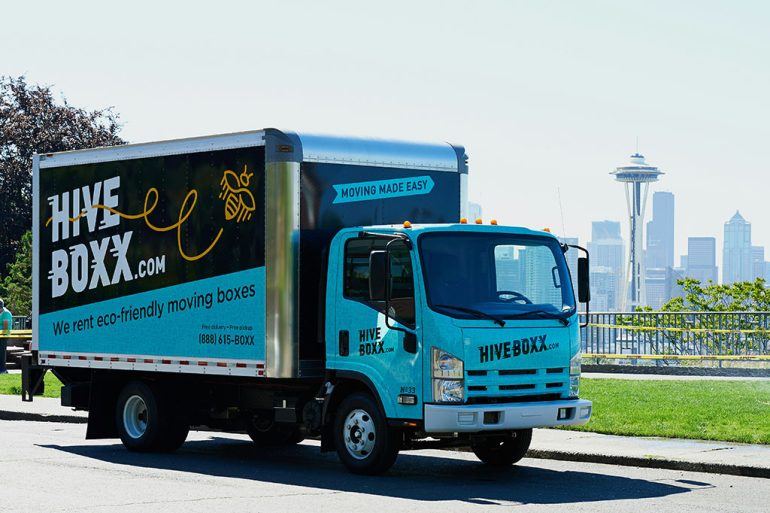
Moving takes a lot from the body and the calendar. People lift awkward loads, make repeated trips, and work under time pressure. A sound rental plan reduces that strain by matching cargo, distance, access, and schedule before heavy work begins. With the right vehicle and equipment, families, crews, and businesses can protect belongings, conserve energy, and keep each stage orderly.
Vehicle choice should begin with weight, volume, doorway access, parking limits, and driver confidence. A truck rental agency can help you compare cargo vans, pickups, flatbeds, box trucks, and trailers to the actual load. That review can prevent cramped packing, poor visibility, excess fuel use, and avoidable damage during turns, stops, or unloading.
Good matching also reduces physical stress. Tall items may need interior height, while dense materials require payload capacity, not just floor space. A careful fit helps movers avoid stacking beyond safe sightlines or forcing furniture into poor angles.
Extra trips drain time, fuel, and muscle endurance. Each repeat run means more lifting, more parking, and more chances for boxes to shift or break. A properly sized truck keeps rooms, departments, or job materials grouped together, which makes unloading easier to control.
That matters for both homes and workplaces. Crews can place items once, instead of correcting scattered deliveries later. Fewer runs also reduce exposure to traffic, weather, stairs, and tight loading zones.
Moving budgets often suffer from vague transportation costs. Rental terms give planners a clear base for daily rates, mileage, deposits, fuel policy, and coverage choices. Reviewing those items early helps compare a short booking with a longer rental window.
Cost clarity can shape the entire plan. A household may decide to pack earlier. A business may add labor for one focused day. Clear numbers reduce rushed choices, especially near lease deadlines or closing dates.
Some moves need more than open cargo space. Ramps, lift gates, tie-downs, shelving, ladder racks, and trailers can change how safely work gets done. Heavy appliances, shop tools, stacked cartons, and building supplies each demand different handling.
The right equipment protects joints and soft tissue. Lift gates reduce shoulder strain. Ramps limit sudden twisting. Anchor points help stabilize cargo before motion begins. Better preparation lowers the risk of dropped items, strained backs, and crushed fingers.
Loading injuries often come from awkward posture, weak grip, poor footing, or rushed teamwork. A suitable truck reduces those risks by providing wider openings, a lower deck height, stable steps, and secure tie points. Good access allows movers to use their legs instead of twisting through narrow gaps.
Payload limits deserve close attention. Overloaded vehicles brake poorly, sway more, and place extra stress on tires. Shifting cargo can also strike walls, crush fragile items, or throw the weight off balance during turns.
Moves rarely follow the first schedule written down. Closings shift, elevators fill up, rain slows loading, and crews sometimes need extra hours. Rental flexibility gives people room to adjust without forcing unsafe speed.
Short terms can suit apartment moves or single-room deliveries. Longer periods help staged office transfers, renovation work, storage changes, or warehouse reorganization. More time can mean steadier lifting, better sorting, and fewer last-minute mistakes.
Business moves often include more than desks and file boxes. Teams may need to move tools, signage, fixtures, samples, records, parts, or job materials. Commercial vehicle choices help match those needs with pickups, cargo vans, flatbeds, service trucks, or trailers.
Reliable access protects operations. A crew can move inventory before opening hours, shift equipment between sites, or handle deliveries without interrupting customer work. Planning vehicle availability around business hours can reduce downtime and keep commitments intact.
A truck rental provider simplifies moving by replacing guesswork with practical decisions. The value appears in better vehicle fit, fewer trips, clearer pricing, useful equipment, safer loading, flexible timing, and commercial support. Whether the job involves a home, office, shop, or work site, careful rental planning helps protect belongings, reduce physical strain, and finish with fewer setbacks.

Automotive Addicts Contributors are a collective of guest writers, industry professionals, and passionate enthusiasts who bring fresh perspectives to the Automotive Addicts platform. Focused on delivering timely news, in-depth reviews, and unique insights, these contributors help keep the site dynamic and engaging. Many use the platform to expand their reach and build credibility within the automotive media world, adding depth and variety to the content that drives the Automotive Addicts community.

Automotive Addicts Contributors are a collective of guest writers, industry professionals, and passionate enthusiasts who bring fresh perspectives to the Automotive Addicts platform. Focused on delivering timely news, in-depth reviews, and unique insights, these contributors help keep the site dynamic and engaging. Many use the platform to expand their reach and build credibility within the automotive media world, adding depth and variety to the content that drives the Automotive Addicts community.


