
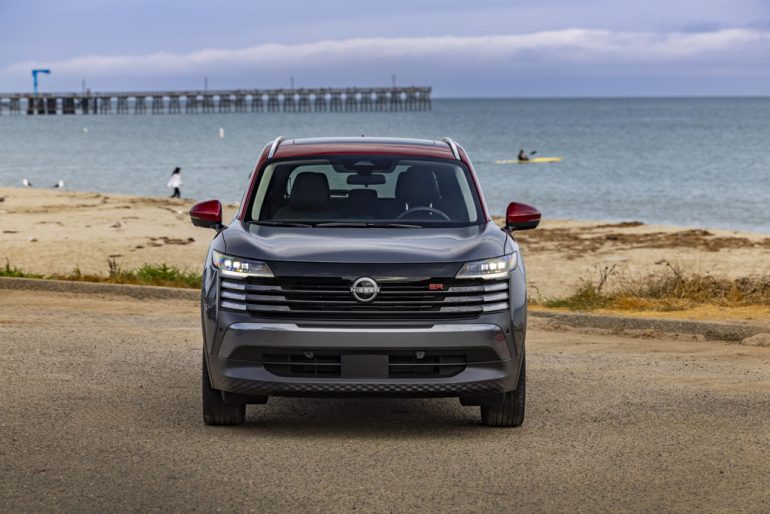
Buying a Nissan in 2026 should start with the way the vehicle will be used every week: commuting distance, parking space, passenger needs, cargo habits, fuel budget, weather, and how long the owner plans to keep it. Nissan has enough range for different U.S. drivers – from compact daily cars to family crossovers, trucks, and enthusiast models – but the right choice depends on matching the vehicle to real driving routines rather than chasing the newest trim or the biggest screen.
A Nissan shopper usually has a practical goal in mind: a dependable commuter, a family vehicle, a second car for city driving, a crossover for road trips, or a truck that can handle work and weekend jobs. Before comparing trims, the cleaner move is to narrow the body style. A driver with a 40-mile daily commute may care more about comfort and fuel use, while a family with two kids may care more about rear-seat access, cargo shape, and how straightforward it is to load strollers, groceries, or sports gear.
Local inventory can also shape the decision because the best match on paper still has to be available with the right mileage, trim, color, and payment range. Drivers comparing nearby Nissan options can use https://www.oldorchardnissan.com/ as part of that research after they know what type of vehicle makes sense for their budget and driving habits.
A useful test drive should feel closer to a normal Tuesday than a quick spin around the block. The driver should check how the seat feels after several minutes, whether the steering feels natural in tight turns, how easy it is to see around the pillars, and whether the cabin stays calm at highway speed. Small annoyances during the test drive often become daily complaints after purchase, especially when the vehicle is used for commuting.
Phone pairing, climate controls, parking camera clarity, lane-change visibility, brake feel, and low-speed ride comfort deserve attention before discussing numbers. A crossover may look perfect online but feel too wide in a tight garage. A sedan may seem basic until the buyer notices it parks easily, uses less fuel, and keeps road noise low enough for longer drives.
A smart test drive includes:
Nissan appeals to U.S. buyers because the lineup covers several types of ownership without making every vehicle feel aimed at the same person. A compact or midsize sedan can still make sense for commuters who want value, easy parking, and lower running costs. A crossover often fits families and road-trip drivers who need flexible cargo space. A truck works better for owners who tow, haul, carry tools, or spend time away from clean pavement.
The mistake is choosing capability that looks good in a brochure but rarely gets used. A buyer who never tows and mostly drives downtown may not need a larger truck or SUV. Another buyer who regularly carries equipment may regret choosing a smaller vehicle just to save a little on the monthly payment.
| Driver need | Nissan category to compare | Practical buying angle |
| Daily commuting | Sedan or compact crossover | Fuel use, seat comfort, parking ease |
| Family driving | Compact or midsize crossover | Rear-seat access, cargo room, safety tech |
| Weekend utility | Truck or larger SUV | Towing, payload, storage, tires |
| Driving enjoyment | Sportier trim or performance model | Steering feel, power delivery, long-term upkeep |
A used Nissan can be a strong value if well maintained, but inspection matters more than the discount. Mileage alone is not the only factor to consider. A lower-mileage car with weak service history may be a worse buy than a higher-mileage one with clean records, even tire wear, and regular maintenance.
Buyers should seek service records, accident history, tire condition, brake feel, warning lights, fluid leaks, and signs that the interior wear matches the odometer. During the drive, the vehicle should accelerate smoothly, shift consistently, track straight, and stop without vibration or pulling. If the buyer is unsure, a pre-purchase inspection is worth the cost, especially outside certified inventory.
Financing should be reviewed before the buyer becomes attached to one specific vehicle. A monthly payment can look comfortable while the total cost still stretches the budget through interest, insurance, taxes, fees, tires, maintenance, and fuel. This is especially true when choosing a larger vehicle, a higher trim, or a longer loan term.
A practical buyer should compare the full ownership picture, not just the payment shown on the first quote. A longer loan can lower the monthly number but raise total interest. A higher trim may add comfort features used every day, or it may add extras the owner forgets about after a week. The better question is whether each upgrade improves daily driving enough to justify the cost.
Before signing, buyers should review:
Modern vehicles offer more screens, sensors, alerts, cameras, and driver-assistance features than ever, but more equipment does not automatically mean a better match. Some drivers want the most advanced safety and convenience package available. Others would rather keep the cabin simple and reduce long-term complexity.
The best approach is to separate features into three groups: used daily, used occasionally, and unlikely to matter. Heated seats in a cold climate may be used for months. A larger display may help with navigation and camera views. Premium audio may matter to a driver who spends hours commuting. By contrast, some appearance packages or rarely used tech extras may not change ownership enough to justify a higher payment.
A car purchase does not end at delivery. The ownership experience depends on service access, maintenance habits, tire replacement, warranty coverage, and how well the vehicle still fits after a year or two. A family may need more room later. A commuter may change jobs. A driver who buys a truck for occasional utility may discover that parking and fuel costs matter more than expected.
This is why practical buying beats emotional buying. A vehicle should feel good during the test drive, but it also has to work when the weather changes, the commute gets longer, or the cargo area is full. Nissan gives buyers several routes, yet the best choice still comes down to honest use.
The right Nissan is the one that fits the owner’s real week: the roads they drive, the people they carry, the space they need, and the budget they can maintain without stress. A sedan may be the smartest choice for one buyer, while a crossover, truck, or sportier model may make more sense for another. The badge starts the search, but the test drive, service history, financing details, and daily-use checklist should finish it.

Automotive Addicts Contributors are a collective of guest writers, industry professionals, and passionate enthusiasts who bring fresh perspectives to the Automotive Addicts platform. Focused on delivering timely news, in-depth reviews, and unique insights, these contributors help keep the site dynamic and engaging. Many use the platform to expand their reach and build credibility within the automotive media world, adding depth and variety to the content that drives the Automotive Addicts community.


