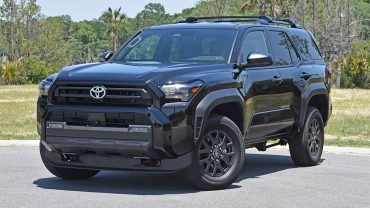
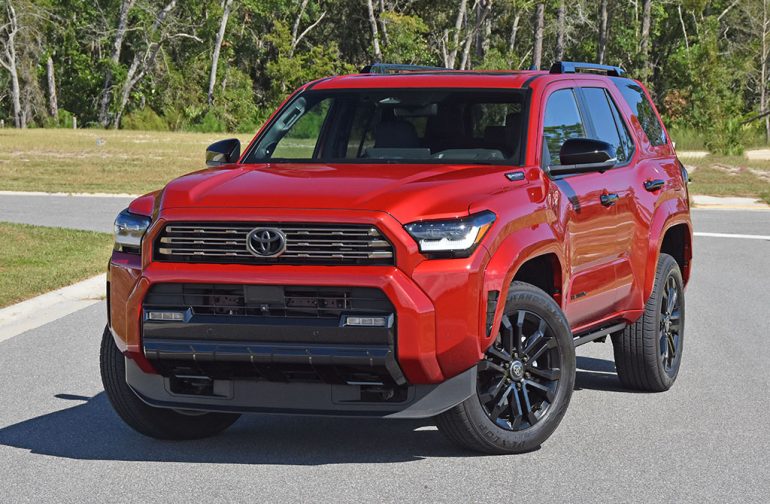
The Toyota 4Runner has been an unmistakable staple in the automotive industry for many decades, thriving on a proven midsized body-on-frame SUV platform. After its aged fifth generation was finally succeeded by an all-new sixth generation platform, many remained skeptical, but after a couple of years of the new model winning many over, the 4Runner has once again found its assured footing.
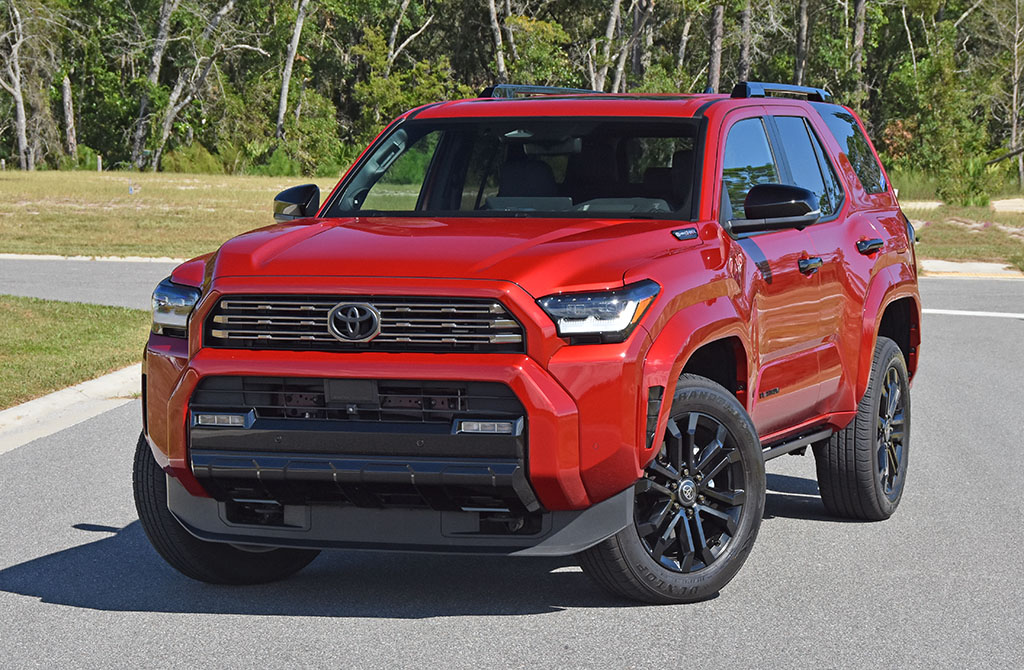
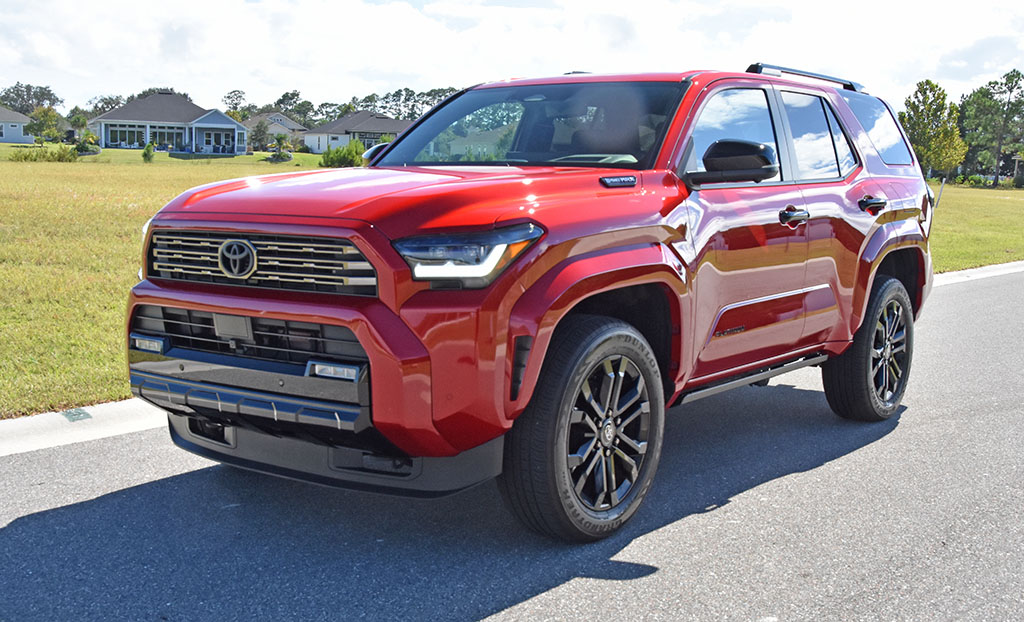
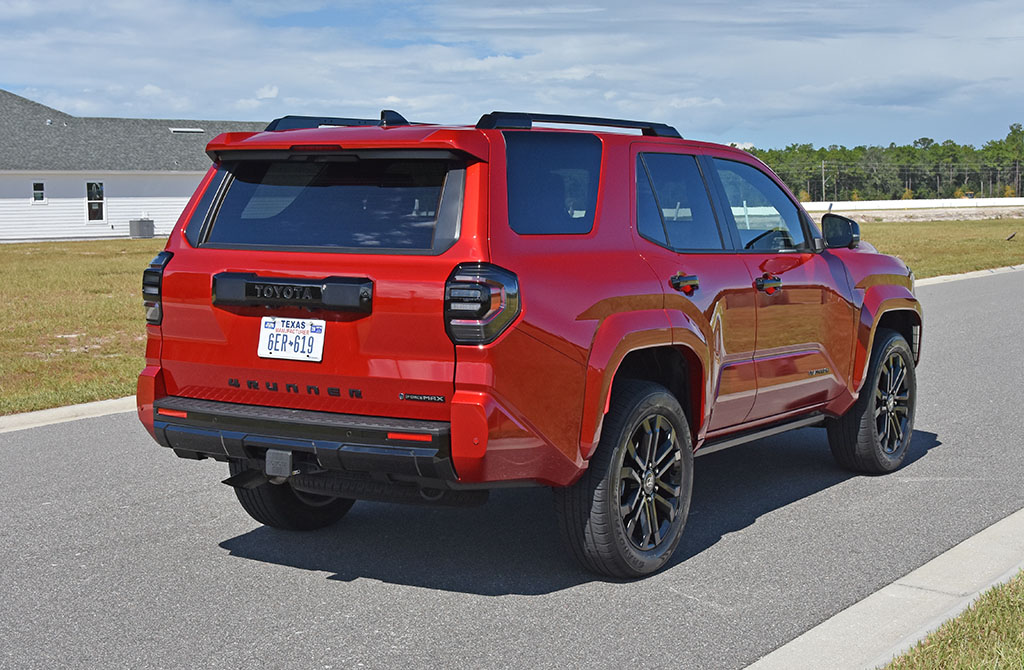
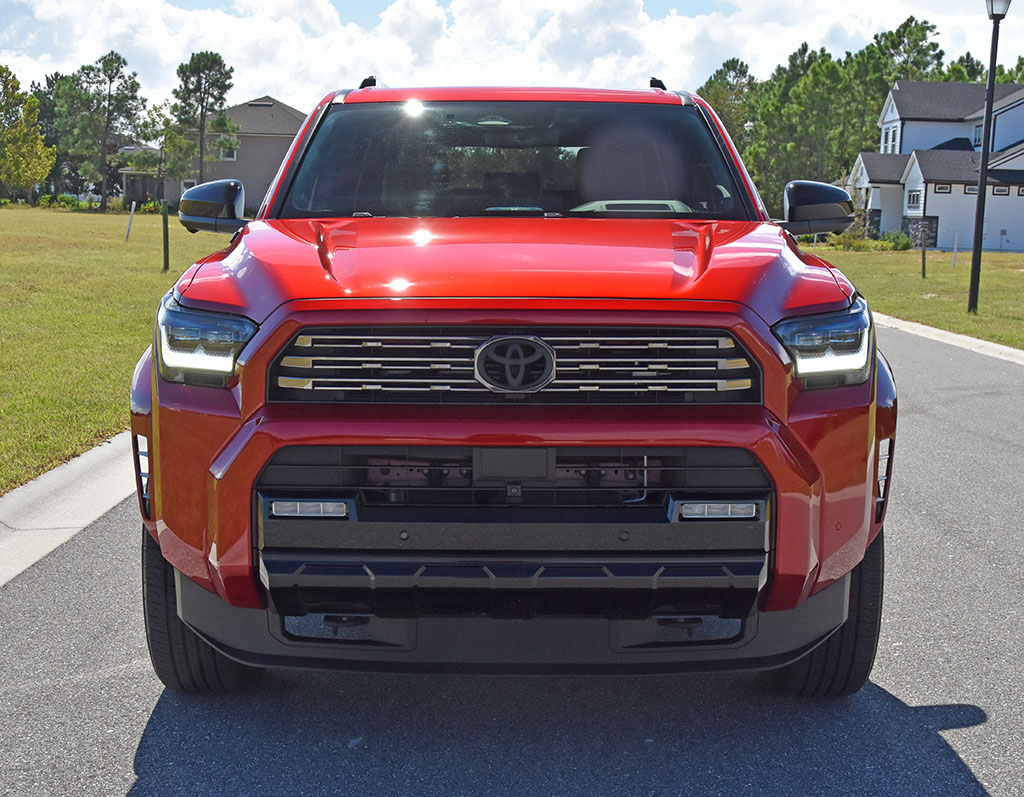
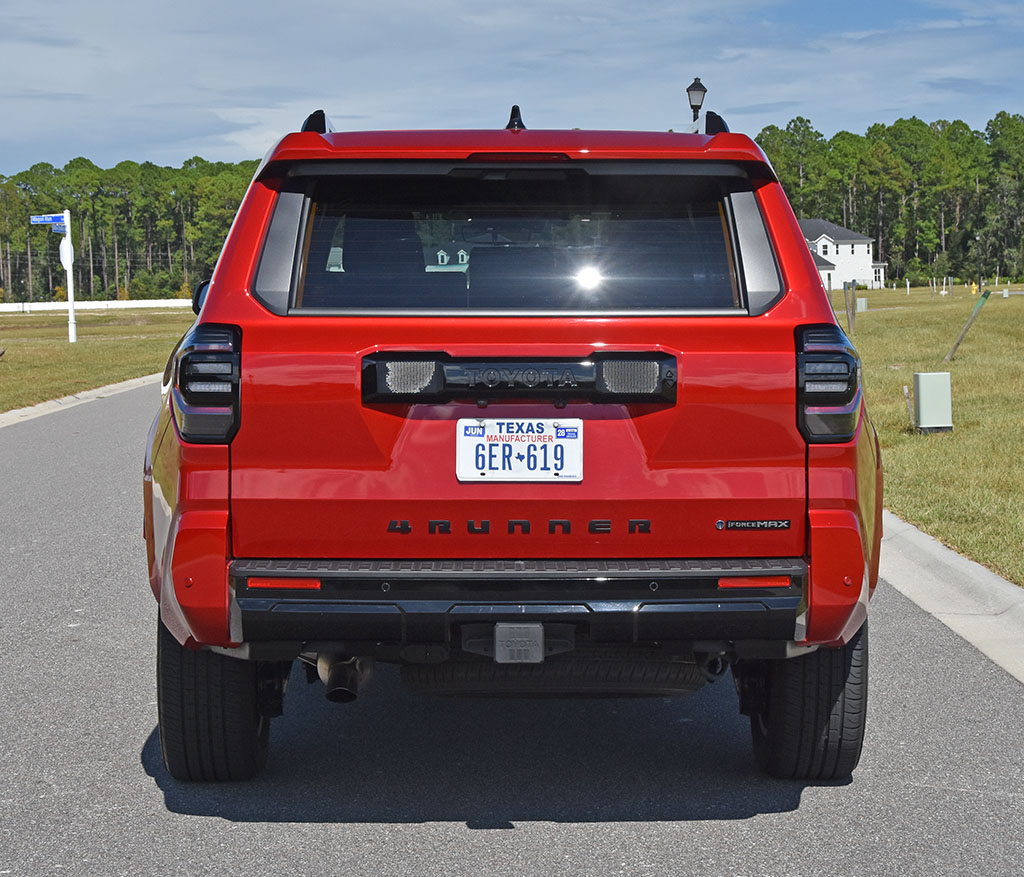
With the Toyota 4Runner not having much direct competition, it has its work cut out to run amongst the vast field of other crossovers. After a week with the new 4Runner Platinum hybrid, I can assure you that there’s some good substance found in the latest 4Runner package that does just fine against a multitude of other SUVs. Toyota methodically retains the classic looks of the 4Runner and doesn’t do much to upset the dedicated fanbase of such a vehicle, which is all a good thing even when you venture into the new i-FORCE MAX turbocharged hybrid powertrain setup found in my loaded-up test Platinum trimmed test vehicle. It looks like the fitting part for its rugged disposition and performs up to the task that you’d expect out of a 4Runner – now having the chops to match modern tech and mechanics.
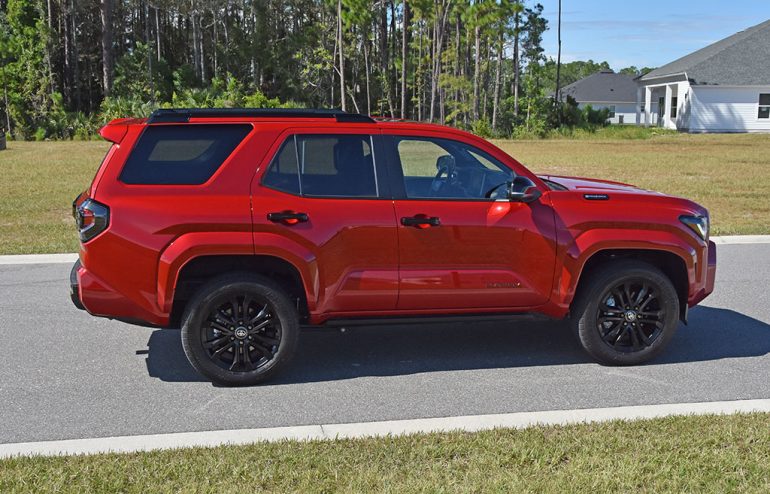
Powering the new sixth-generation Toyota 4Runner is either the fully gas-powered versions sporting a 2.4-liter turbocharged 4-cylinder engine that’s good for 278 horsepower and 317 lb-ft of torque, or my hybrid test vehicle’s more-powerful setup with 326 horsepower and 465 lb-ft of torque. Power is sent through an 8-speed automatic transmission, a respectable choice for more of a direct feeling and a far departure from the outgoing generation’s aged 5-speed automatic. That power out of the hybrid setup feels up to the task of moving with some authority out on the road and conquering off-roading adventures via its full-time four-wheel-drive setup with the option of locking differential and transfer case settings for four-low and a four-high. The full-time all-wheel-drive in the four-high full-time setting is welcomed as it’s versatile in a way to drive on the road without fear of the drivetrain binding and having to default to a two-wheel-drive mode, which isn’t available.
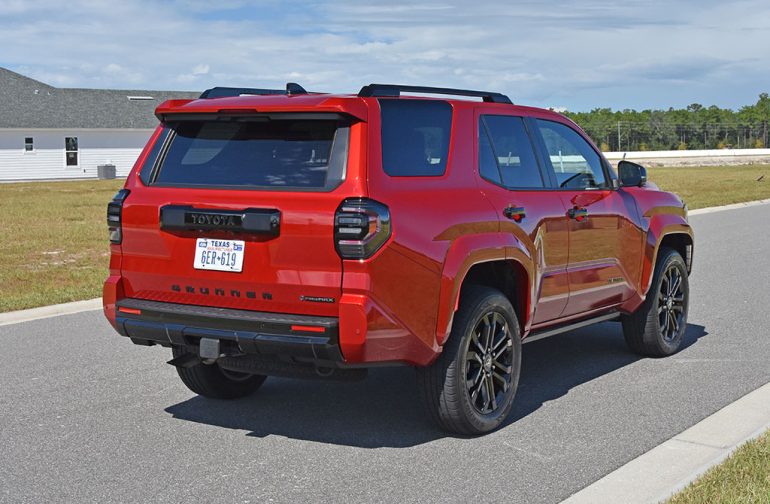
The 4Runner rides as most would expect, with more of a rugged approach to things, which makes things often enough rather bumpy and jittery. The adaptive dampers on my 4Runner Platinum hybrid test vehicle do a good job of keeping things from getting lofty, and the three modes of comfort, normal, and sport do well to subtly firm things up on the fly or when you set the drive mode, which you can vary for different aspects of the vehicle through a custom drive mode. Overall, the 4Runner remains a capable vehicle for off-roading and offers up a somewhat decent road-going attitude – though with a bit of compromise in overall smoothness and body-rolling handling attributes that often remind you that this SUV is far from being sporty on the road. And all of that is just fine, because this is still true to the 4Runner roots and off-roading abilities, utilizing dedicated drive modes and its full-time all-wheel-drive system. Zero to 60 mph takes place in about 7 seconds flat.
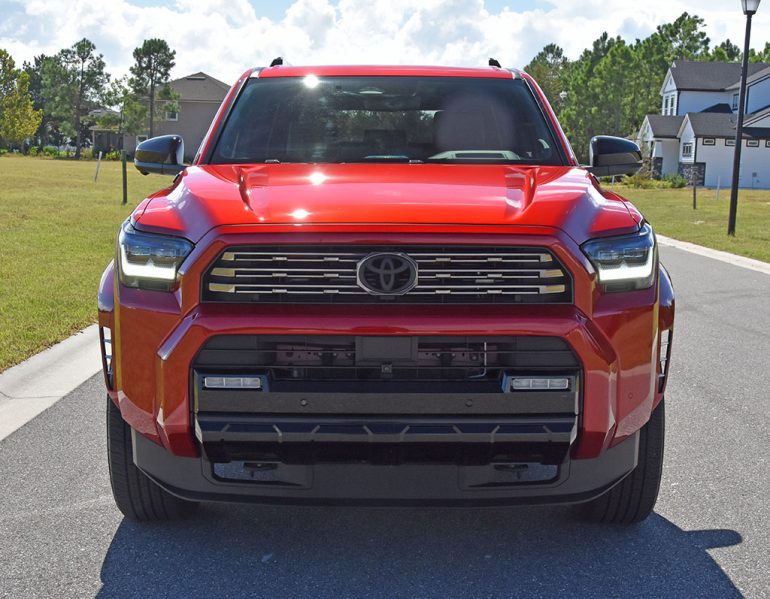
Fuel economy was quite interesting as my hybrid test vehicle sometimes returned some remarkable numbers, besting the EPA estimates of 22 mpg city, 24 mpg highway, and 23 mpg combined. In the city, I would see 23 mpg with no issue and seldomly get as much as 26 mpg when I would consciously drive to take advantage of the hybrid system shutting down the engine when I didn’t demand acceleration. Toyota again proves they are the best in the business of hybrids designed to not only offer some extra grunt but to be decently fuel efficient, and for the 4Runner’s boxy-chiseled body and heft, the hybrid setup does well. On the highway, you’ll expect to get a cruising range of 456 miles or more with a full 19-gallon tank of regular unleaded fuel.
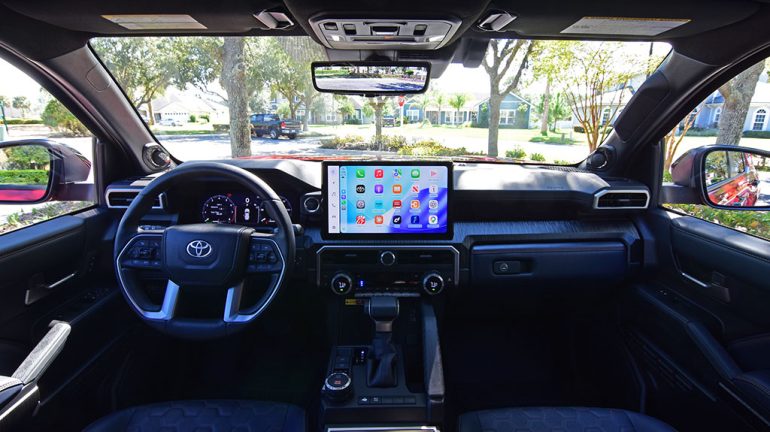
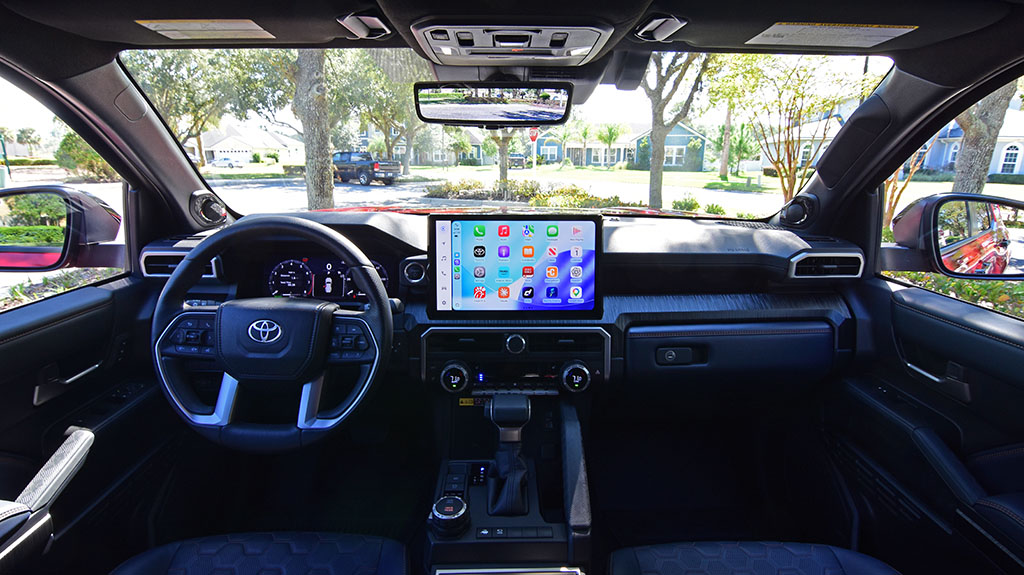
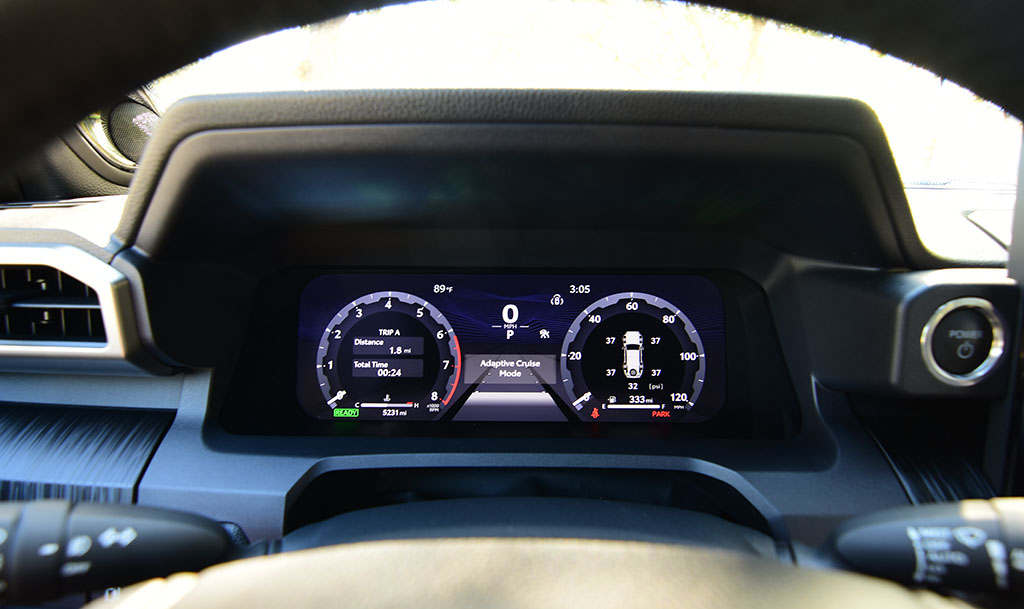
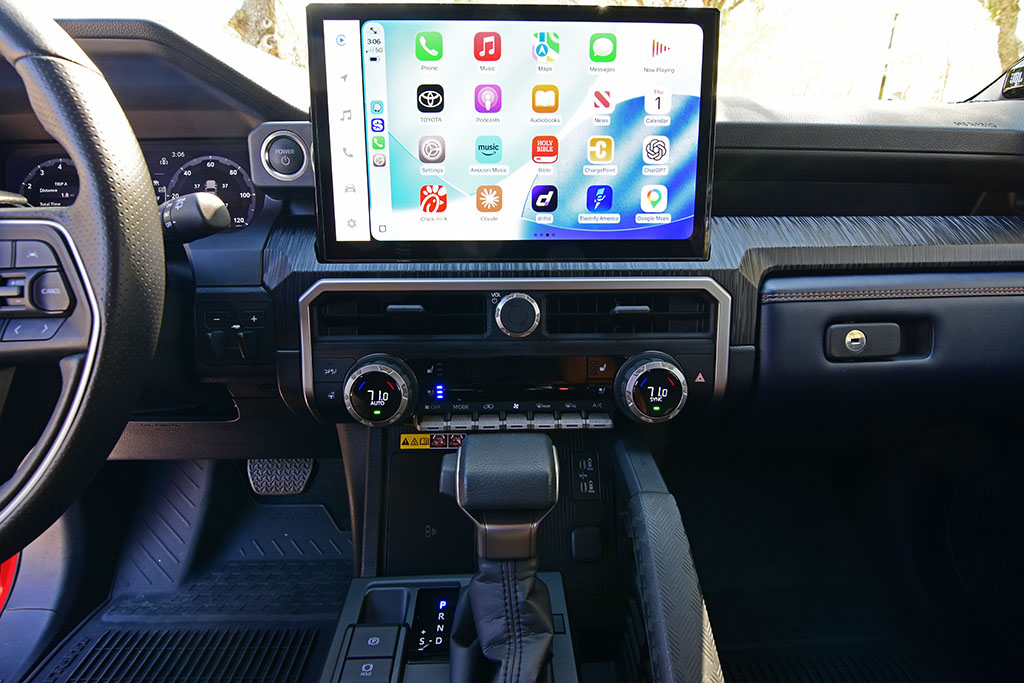
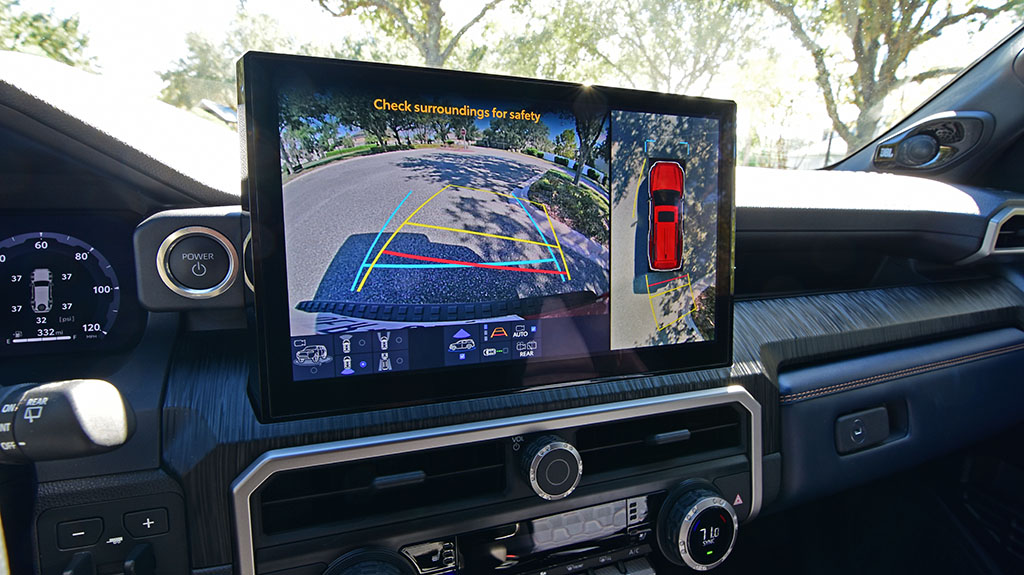
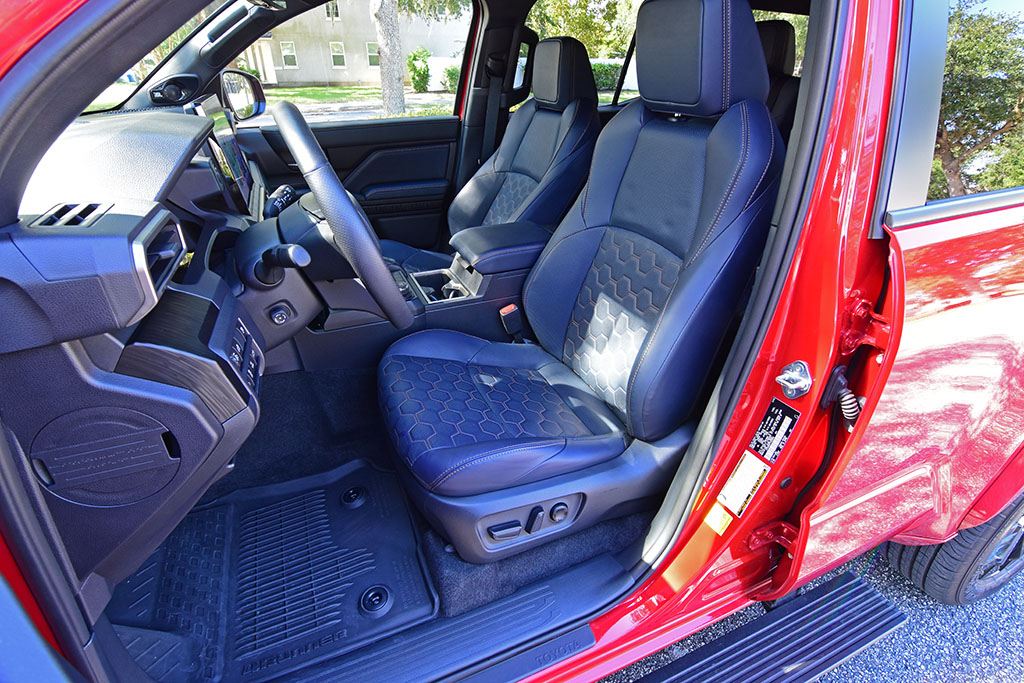
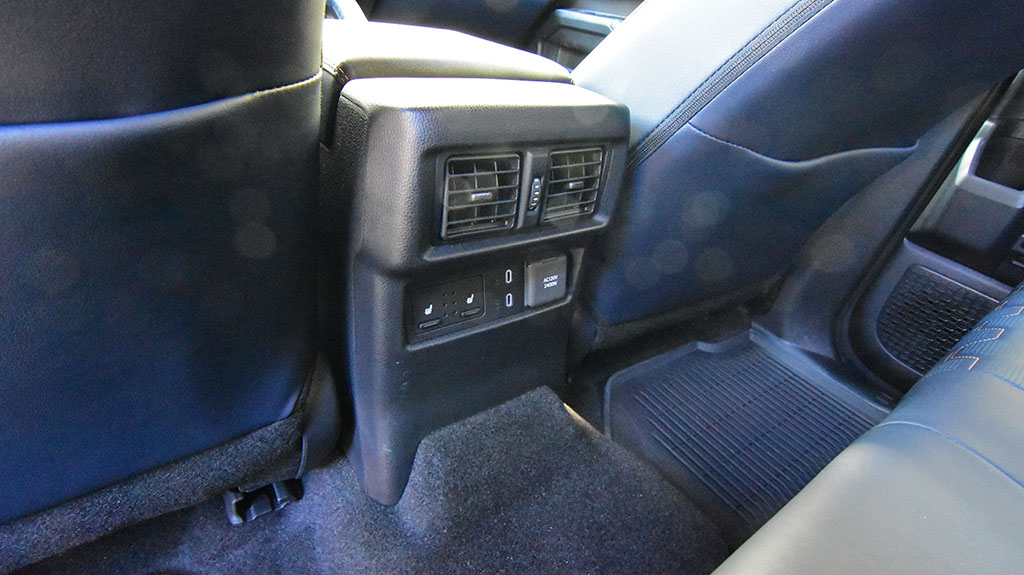
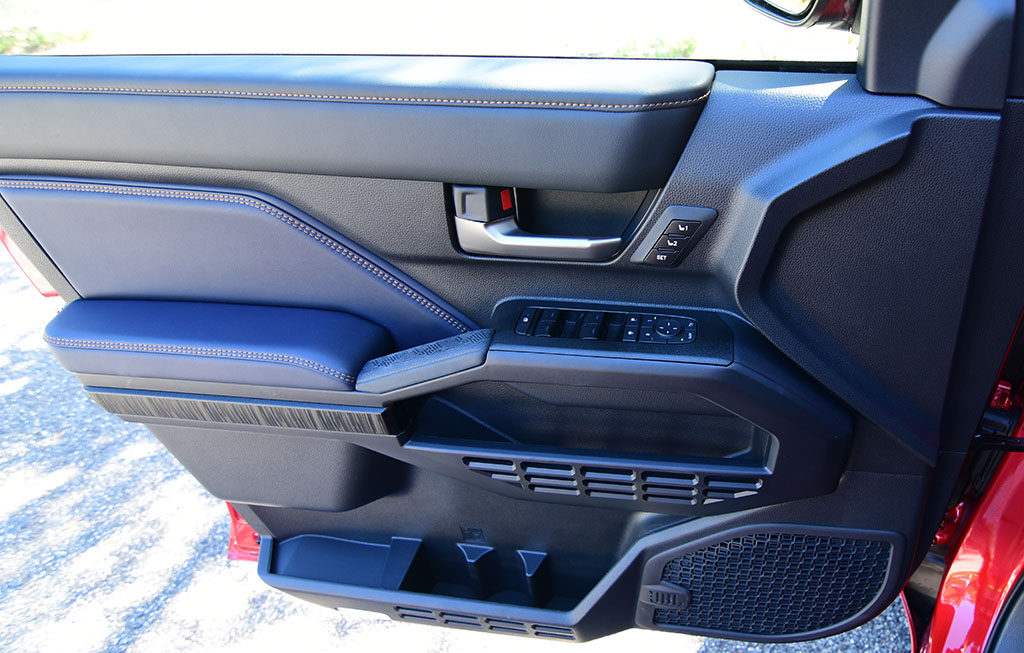
The interior of the new 4Runner, as explained in my first brush with the newly redesigned 4Runner, is much improved and offers better use of its space. Moreover, I appreciate the added softness and upscale interior theme of the Platinum trim versus lower trims, such as the base SR5 test vehicle that I experienced last year. There’s a lot of added and welcomed content to appreciate in the Platinum trim, such as heated and ventilated front seats, heated rear outboard seats, a heated and power tilt/telescoping front steering wheel, a fully digital gauge cluster, a much larger 14-inch infotainment touchscreen, a digital rearview mirror, a power rear liftgate, and the nicely accent-stitched perforated leather seating surfaces.
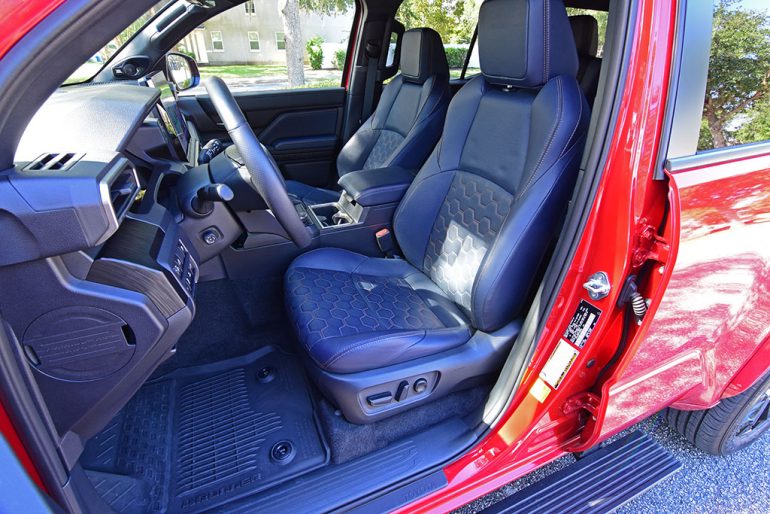
The new 4Runner gets wireless Apple CarPlay and Android Auto integration with a nice way of displaying the system on the larger touchscreen while leaving the core system functions still displayed. I also enjoy the 4Runner having a full set of physical dual-zone automatic climate controls below the screen for easy and quick access. Overall, the appeal of the 4Runner Platinum goes the distance to properly compete with other segmented SUVs as far as available content and appointments go.
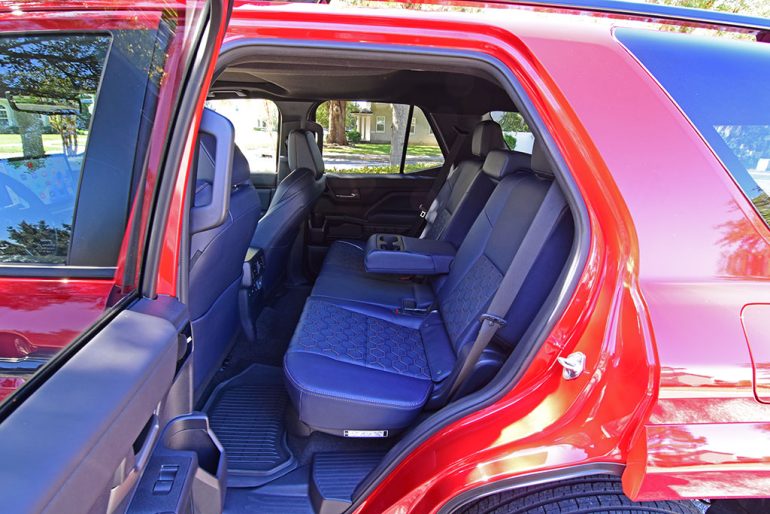
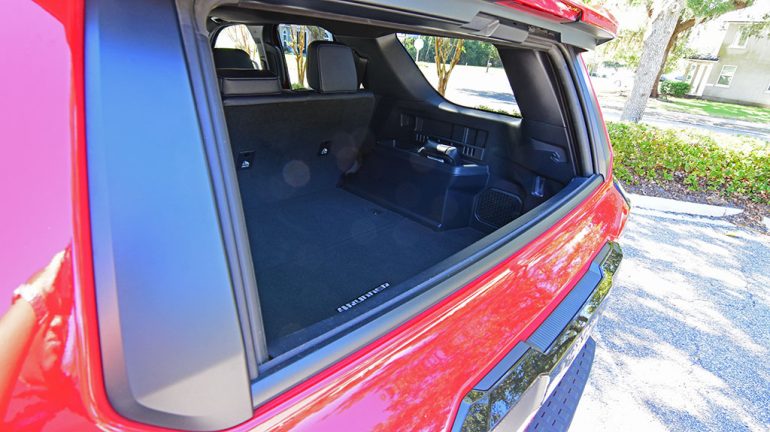
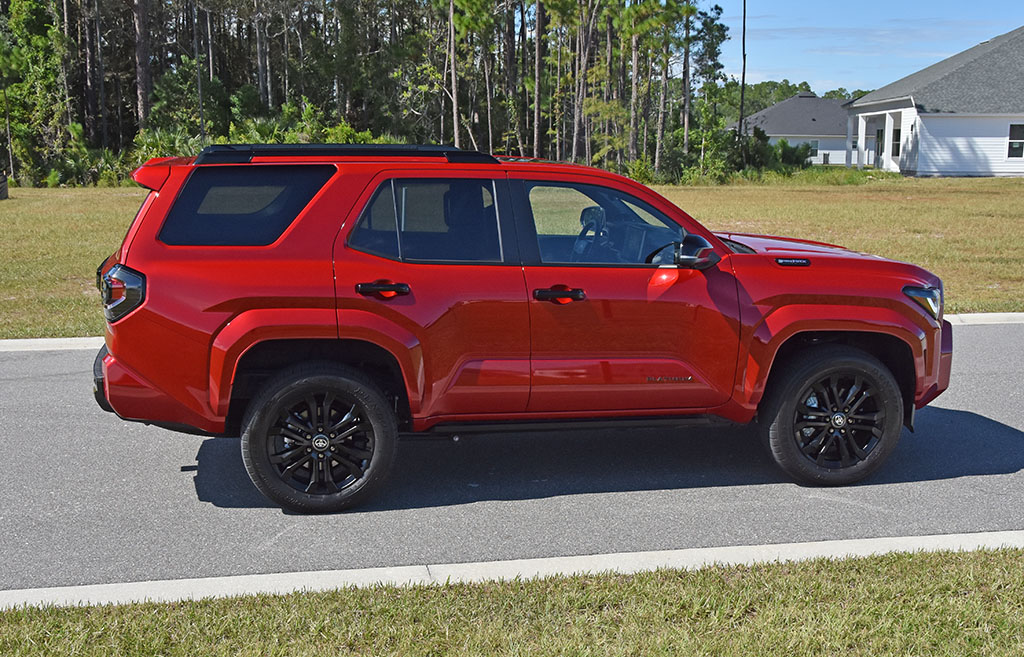
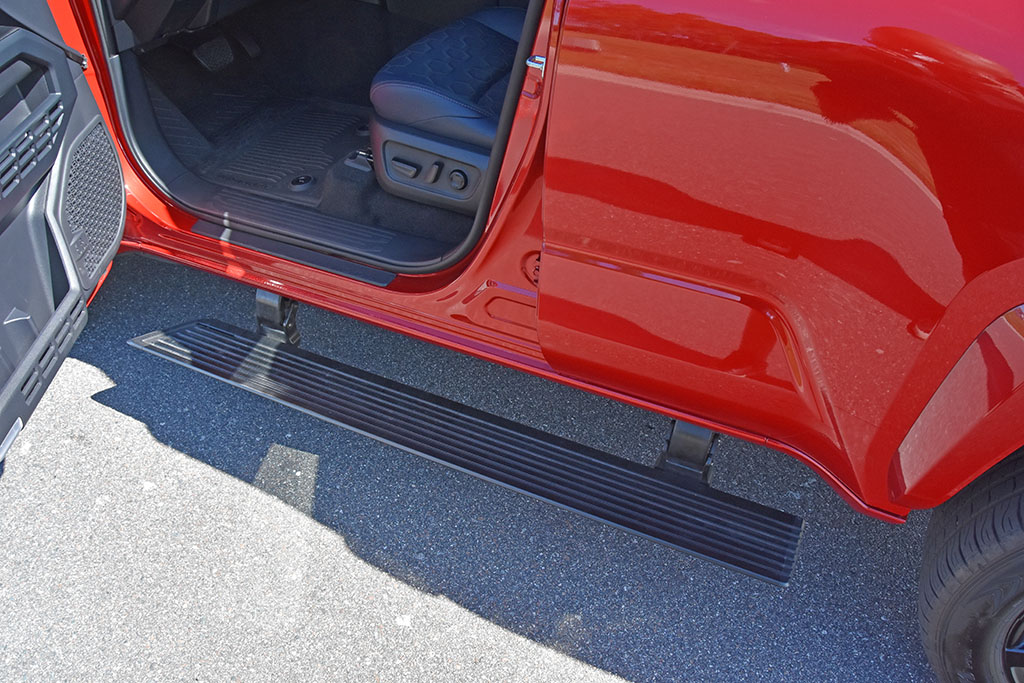
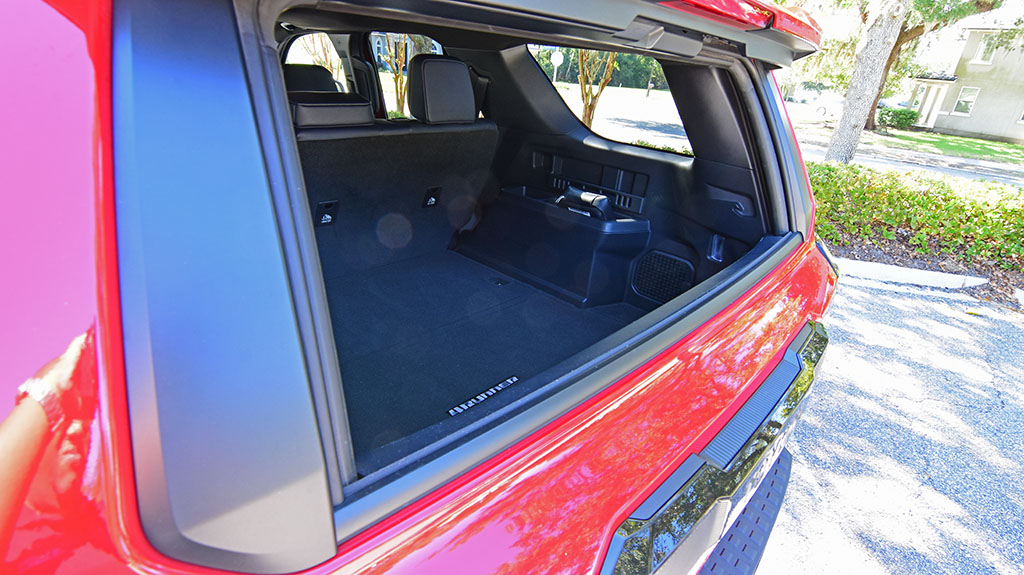
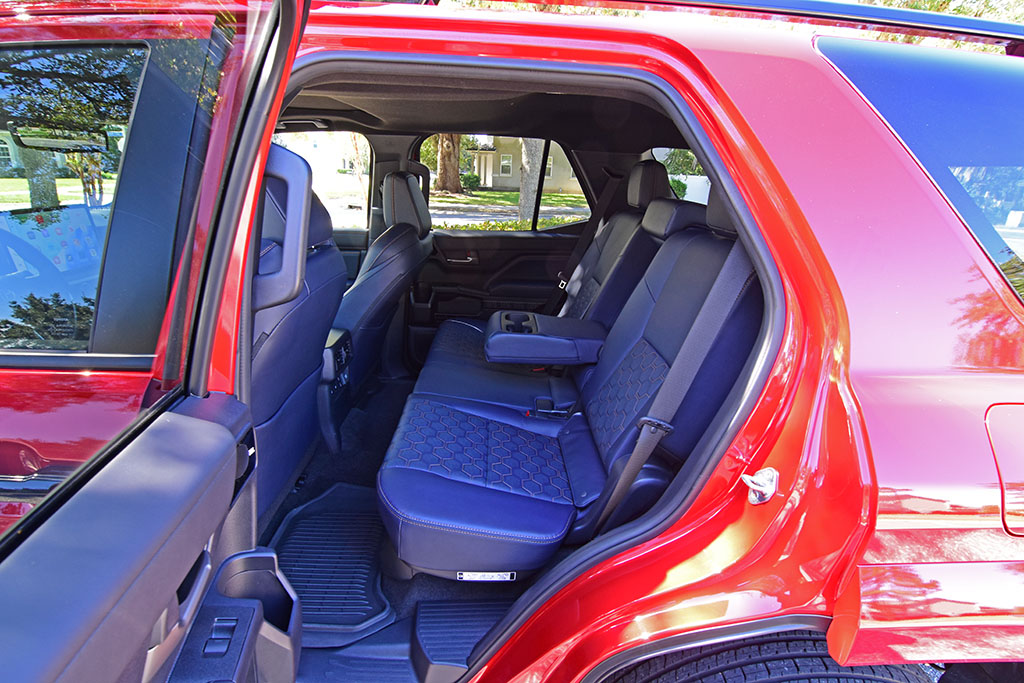
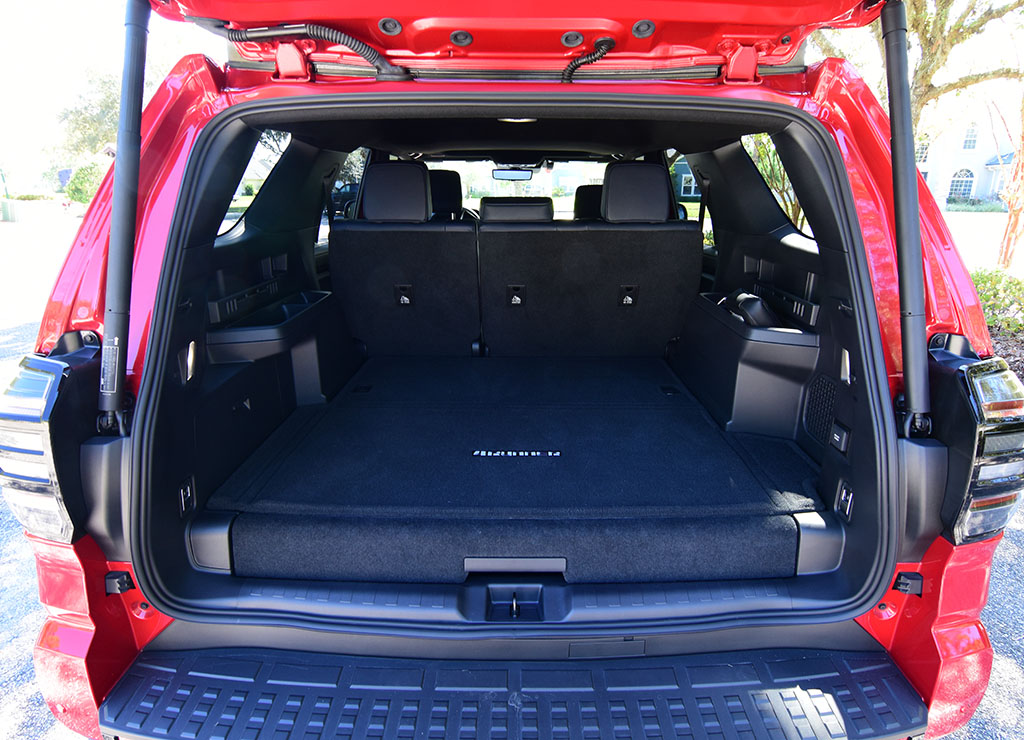
The unfortunate aspects of the interior remain the rear seating area not being as spacious as I would have liked, which includes the somewhat narrow opening for the rear door area, making it slightly difficult for easy entry and exit, even with the welcomed power sidesteps. Also, the rear cargo area loses a bit of space with a higher floor in the hybrid models due to the battery pack. There is a silly third-row seating option, but opting for such may disappoint due to its smallish seating area, mostly reserved for small kids.
Toyota keeps up with others for an extensive safety blanket, offering a plethora of the typical active safety features, which seemed to work well. In crash tests, the new 4Runner seems to do well, with only one Marginal result for its moderate overlap front test.
Toyota has done the new 4Runner justice with its redesign, offering many trim levels and two definitive powertrain options that both do well for their purpose. The hybrid setup is my choice as it just works without fault and embodies the long history of Toyota nearly perfecting such a system that conveniently fits the duties of the 4Runner quite well. With such a setup, there’s a slight price to pay with my test vehicle coming to $67,174, which includes a short list of add-on options and a $1,495 delivery, processing, and handling fee. At the base level, the new 4Runner starts at $42,270 before any fees or options for the gas SR5 trim.

Malcolm Hogan is the founder and editor of Automotive Addicts, a trusted voice in the automotive media world for over two decades. With 20+ years of hands-on experience covering the industry, Malcolm has built a reputation for delivering honest reviews, sharp insights, and in-depth coverage of everything from new car debuts to high-performance test drives. Passionate about the evolving car culture and staying ahead of the curve, Malcolm continues to lead Automotive Addicts as a go-to destination for enthusiasts and industry insiders alike.

Malcolm Hogan is the founder and editor of Automotive Addicts, a trusted voice in the automotive media world for over two decades. With 20+ years of hands-on experience covering the industry, Malcolm has built a reputation for delivering honest reviews, sharp insights, and in-depth coverage of everything from new car debuts to high-performance test drives. Passionate about the evolving car culture and staying ahead of the curve, Malcolm continues to lead Automotive Addicts as a go-to destination for enthusiasts and industry insiders alike.