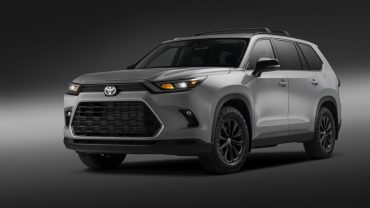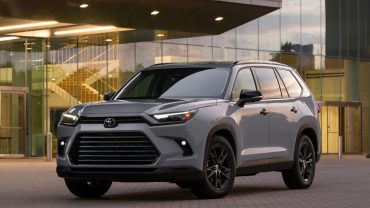
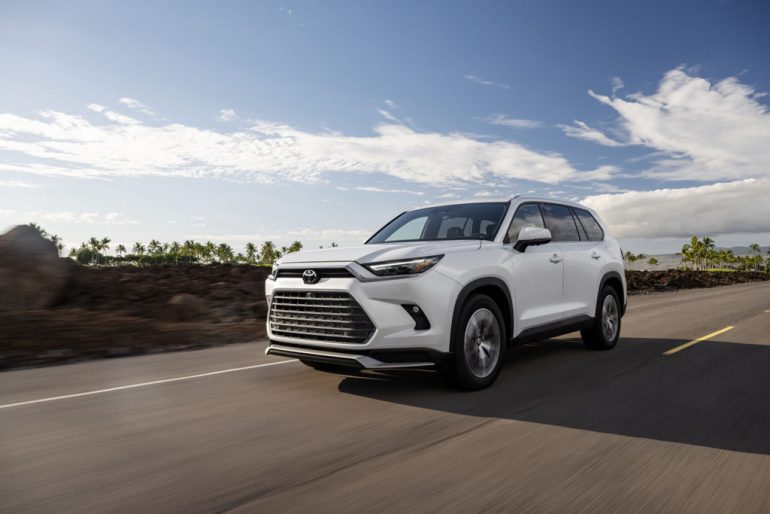
The 2027 Toyota Grand Highlander arrives with a meaningful addition to the lineup: the new Woodland Edition joins the hybrid family as an off-road-appearance and mild-capability trim positioned between the XLE and Limited. Toyota also makes changes across several existing grades — the XLE gets a standard heated steering wheel, the Hybrid MAX Platinum receives a blacked-out exterior treatment, and the gas Platinum gains new wheels. Two trims are discontinued: the Hybrid Nightshade Edition and the Hybrid MAX Limited, which simplifies the upper end of the hybrid family. The Grand Highlander remains one of the most practical three-row SUVs in the mainstream market, with an adult-sized third row, up to 97.5 cubic feet of cargo capacity with seats folded, and three distinct powertrain options spanning a naturally aspirated gas engine, a 36-mpg hybrid, and a 362-horsepower Hybrid MAX. The lineup now spans 13 configurations with MSRP running from $42,560 to $60,475 pre-destination. This guide covers invoice prices for every 2027 Grand Highlander configuration, what each powertrain and trim delivers, and how to negotiate effectively at a Toyota dealer.
Prices are pre-destination. Toyota’s destination and delivery charge on the 2027 Grand Highlander is $1,595. The Grand Highlander Hybrid LE is AWD-only; there is no FWD hybrid option. Gas LE and XLE are available in both FWD and AWD; gas Limited, Platinum, and all Hybrid and Hybrid MAX trims are AWD.
| Trim | Drivetrain | MSRP | Dealer Invoice | Dealer Margin |
|---|---|---|---|---|
| LE | FWD | $42,560 | $38,857 | $3,703 |
| LE | AWD | $44,160 | $40,318 | $3,842 |
| XLE | FWD | $45,430 | $41,477 | $3,953 |
| XLE | AWD | $47,030 | $42,938 | $4,092 |
| Limited | AWD | $51,660 | $47,166 | $4,494 |
| Platinum | AWD | $55,745 | $50,895 | $4,850 |
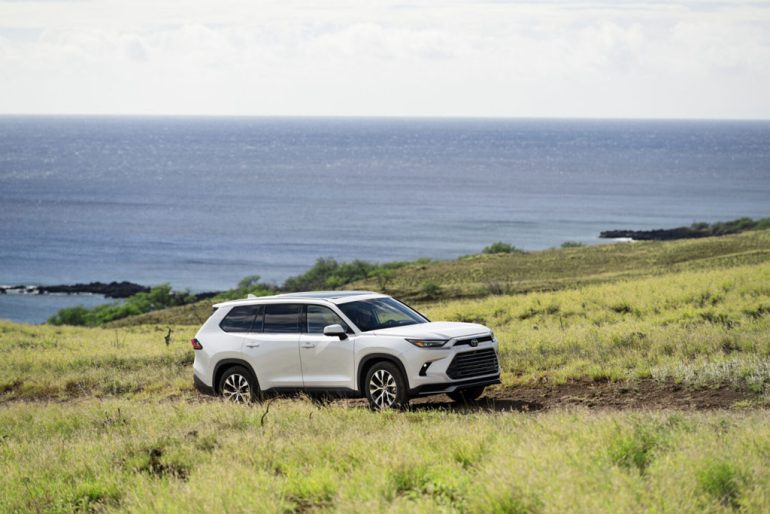
| Trim | Drivetrain | MSRP | Dealer Invoice | Dealer Margin |
|---|---|---|---|---|
| LE | AWD | $45,910 | $42,091 | $3,819 |
| XLE | FWD | $47,180 | $43,256 | $3,924 |
| XLE | AWD | $48,780 | $44,723 | $4,057 |
| Woodland | AWD | $51,780 | $47,472 | $4,308 |
| Limited | AWD | $53,410 | $48,966 | $4,444 |
| Trim | Drivetrain | MSRP | Dealer Invoice | Dealer Margin |
|---|---|---|---|---|
| Platinum | AWD | $60,475 | $55,444 | $5,031 |
Dealer margins across the Grand Highlander lineup run from $3,703 on the entry gas LE FWD to $5,031 on the Hybrid MAX Platinum AWD. These are front-end figures before dealer holdback, which Toyota pays to dealers quarterly and adds further room below the invoice numbers above. The Grand Highlander is a high-volume family SUV, and Toyota dealers are generally disciplined about holding near MSRP on fresh inventory. Buyers with competing quotes and patience on aging inventory will find the margins support meaningful negotiating, particularly on the Limited, Platinum, and Hybrid MAX configurations where combined front-end margin and holdback can approach $5,500 to $6,500 or more.
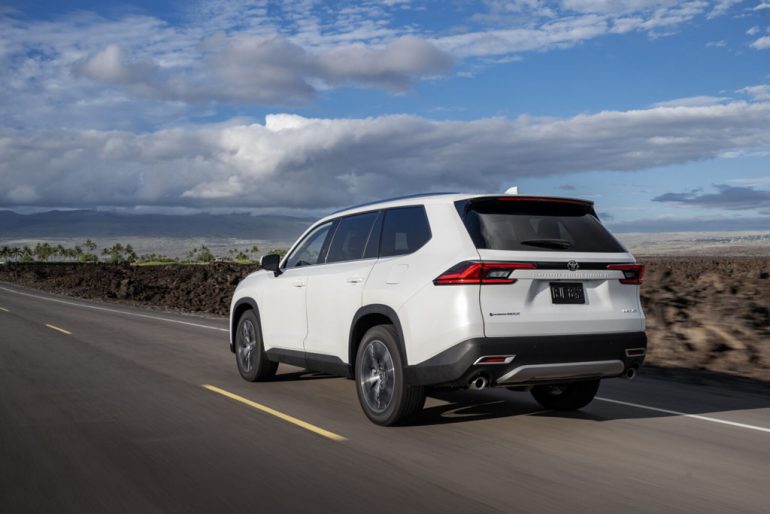
The Grand Highlander offers three distinct powertrains, and the choice between them is one of the most important buying decisions in this lineup.
The 2.4-liter turbocharged gas engine produces 265 horsepower and pairs with an 8-speed automatic transmission. FWD fuel economy is 21 city / 27 highway / 24 combined mpg; AWD is 20 city / 26 highway / 23 combined. Towing capacity is 5,000 pounds. This is the entry-price powertrain and the choice for buyers who prioritize towing capacity over fuel economy. At comparable trim levels, gas configurations are priced $2,000 to $3,350 below their hybrid equivalents at MSRP.
The 2.5-liter self-charging hybrid produces 245 total system horsepower through a combination of a four-cylinder engine and two electric motor-generators. No plug is required — the battery replenishes through regenerative braking and the gasoline engine. FWD fuel economy reaches 36 mpg combined on the XLE; AWD trims are rated at 34 mpg combined. Towing capacity is 3,500 pounds, which is 1,500 pounds less than the gas and Hybrid MAX configurations. For buyers whose primary goal is fuel efficiency and who do not need maximum towing, the hybrid is the choice — at 36 mpg combined, the annual fuel savings over the gas version are substantial enough to close the MSRP gap within two to three years of typical driving.
The Hybrid MAX combines the 2.4-liter turbocharged engine with a high-output electric motor system for 362 total system horsepower — a meaningful step above the standard hybrid and the gas engine alike. AWD is standard. Fuel economy is rated at 27 mpg combined, which splits the difference between the gas and standard hybrid. Towing capacity matches the gas at 5,000 pounds. The Hybrid MAX is the performance-oriented Grand Highlander for buyers who want SUV capability without giving up the efficiency advantages of electrification. It is offered only in the Platinum trim, making it the highest-price and most feature-complete configuration in the lineup.
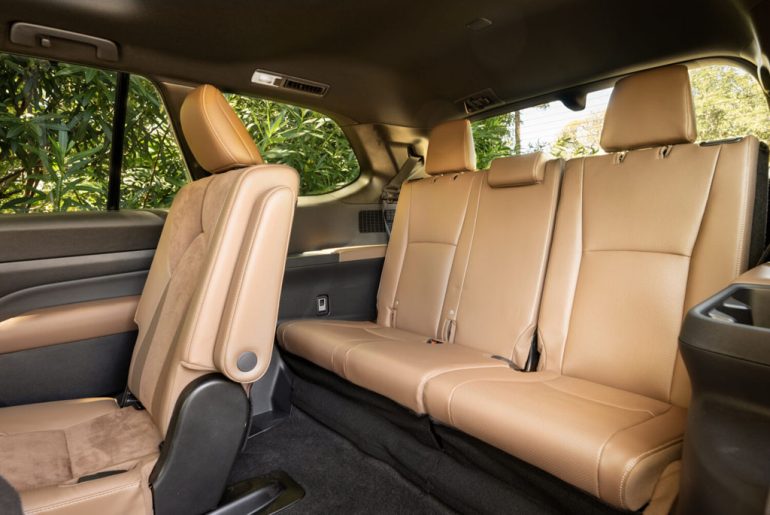
Standard across all 2027 Grand Highlander trims: Toyota Safety Sense 3.0 (pre-collision system with pedestrian and cyclist detection, full-speed adaptive cruise, lane departure alert with steering assist, automatic high beams), blind-spot monitoring with rear cross-traffic alert, a 12.3-inch infotainment touchscreen with wireless Apple CarPlay and Android Auto, three-zone automatic climate control, seven USB-C ports, and seating for eight (gas LE) or seven (most other trims with standard captain’s chairs).
The LE is the entry point, available in gas FWD, gas AWD, and hybrid AWD. It rides on 18-inch silver alloy wheels and uses fabric seating. The gas LE FWD is the lowest-price Grand Highlander entry at $42,560 MSRP / $38,857 invoice. The LE is the right choice for buyers who want the Grand Highlander’s size and three-row practicality at the lowest available transaction price and are comfortable with fabric seats and without the comfort features of the XLE and above.
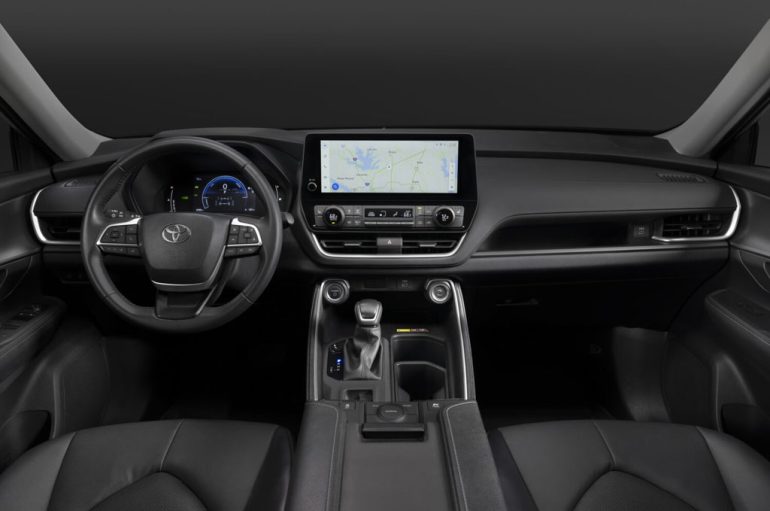
The XLE is the volume trim and the best balance of price and equipment across both gas and hybrid powertrains. New for 2027, the XLE gains a standard heated steering wheel and 18-inch dark gray painted wheels. Additional standard content over the LE includes SofTex leatherette seating surfaces, heated front seats, digital key capability, Qi wireless phone charging, and a HomeLink garage door opener. The XLE is available in gas FWD, gas AWD, hybrid FWD, and hybrid AWD — the broadest option availability in the lineup. At invoice prices ranging from $41,477 (gas FWD) to $44,723 (hybrid AWD), the XLE family represents the Grand Highlander’s value sweet spot.
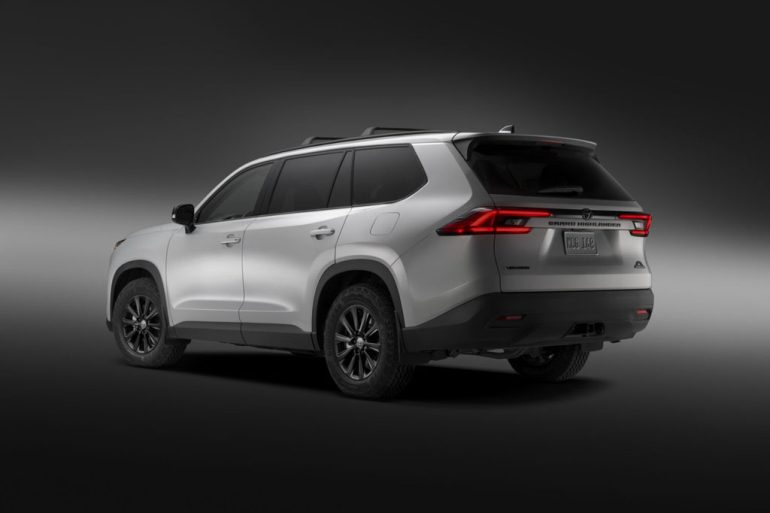
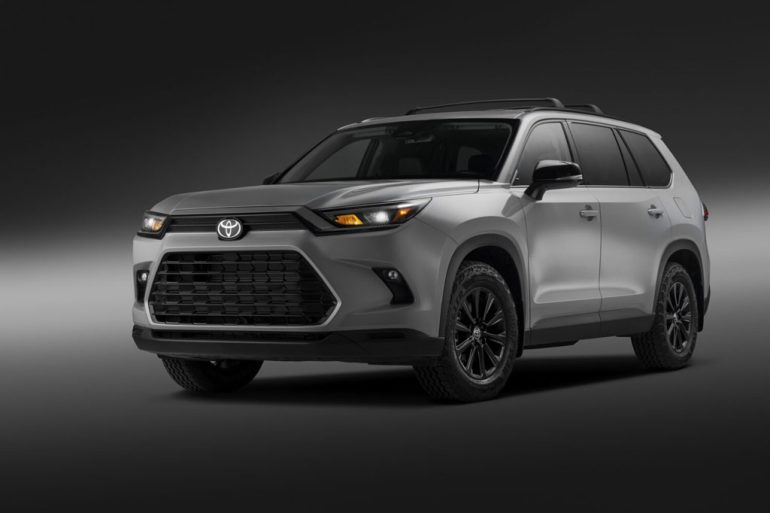
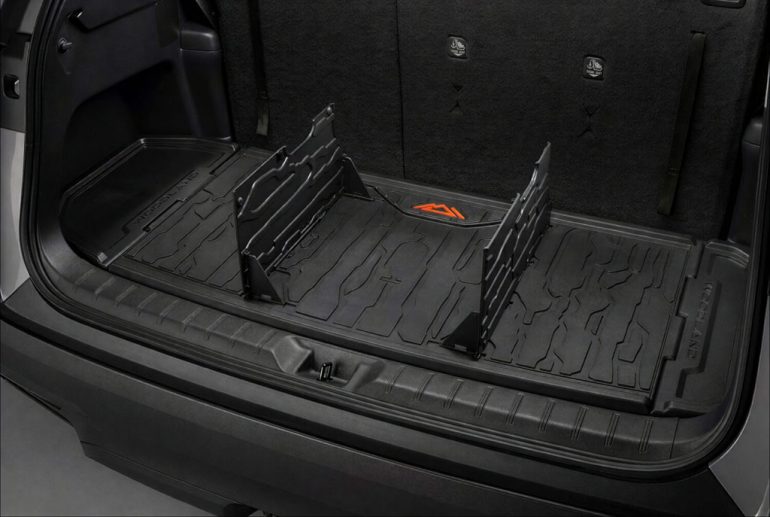
The Woodland Edition is new for 2027 and available only on the hybrid AWD powertrain. It adds 18-inch matte black alloy wheels wrapped in all-terrain tires, springs tuned for approximately half an inch of additional ground clearance over other trims, black exterior accent trim, roof rails with cross bars, LED fog lamps, a standard tow hitch, mud guards, and all-weather floor mats with Woodland branding. Inside, the Woodland gets second-row captain’s chairs, leather-trimmed seating in black, a cargo tray with pop-up dividers and enhanced lighting, and a removable second-row cooler that fits six 12-ounce cans. A 120V / 1,500-watt AC outlet is standard, allowing the vehicle to power tools or accessories while parked. The Woodland is not a serious off-road vehicle — half an inch of additional ground clearance and all-terrain tires improve its capability on forest roads and gravel, not on challenging off-road terrain — but it is the right choice for buyers who want the hybrid’s fuel economy with an outdoors-ready appearance and practical trail accessories. At a $47,472 invoice, it sits between the hybrid XLE AWD and hybrid Limited in price.
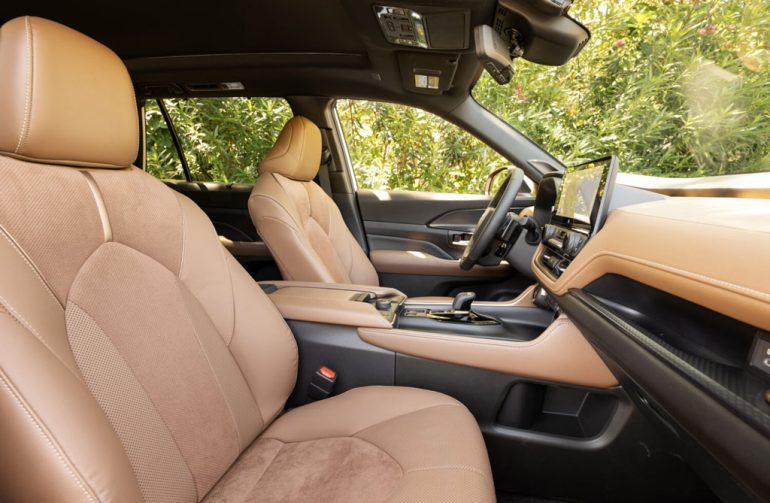
The Limited is available in gas AWD and hybrid AWD, and is the first trim where the interior experience steps into near-luxury territory. Standard additions over the XLE include genuine leather seating, heated and ventilated front seats, heated second-row seats, an 11-speaker JBL premium audio system, a 12.3-inch digital instrument cluster (separate from the infotainment screen), a hands-free power liftgate, and 20-inch chrome alloy wheels. At invoice prices of $47,166 (gas AWD) and $48,966 (hybrid AWD), the Limited is the top configuration for buyers who want premium interior content without paying for the Platinum’s panoramic moonroof and head-up display.
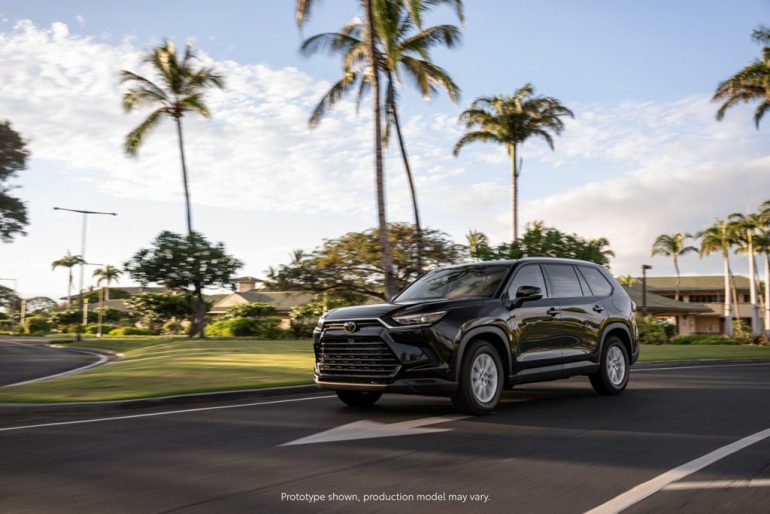
The Platinum is the top trim for the gas powertrain (AWD only) and the exclusive home of the Hybrid MAX powertrain. Standard additions over the Limited include a panoramic moonroof, a head-up display, ventilated second-row seats, a 360-degree surround monitor, Traffic Jam Assist with lane centering at highway speeds, and 20-inch alloy wheels with updated finishes. New for 2027, the Hybrid MAX Platinum receives a fully blacked-out exterior treatment — black grille mesh, black hood trim, black roof rails, black window trim, black mirror caps, and a black shark fin antenna — distinguishing it visually from the gas Platinum. The gas Platinum gets new two-tone 20-inch wheels. At invoice prices of $50,895 (gas Platinum AWD) and $55,444 (Hybrid MAX Platinum AWD), the Platinum family carries the most negotiating room in the Grand Highlander lineup.
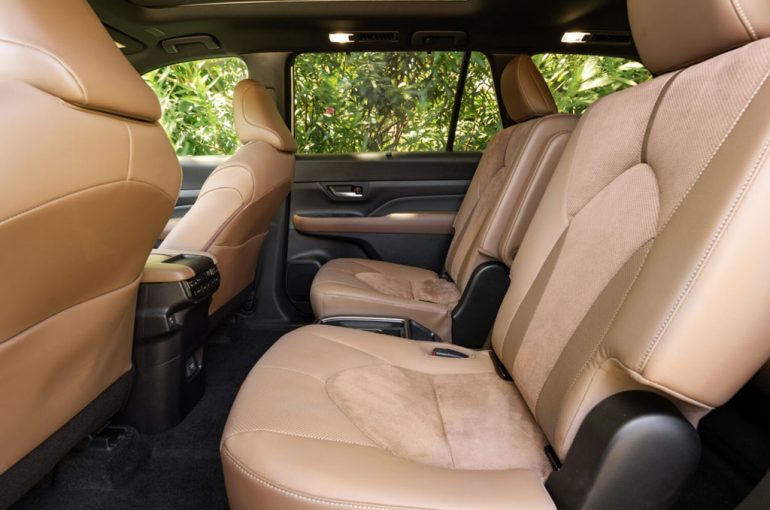
The Grand Highlander’s third row is one of its primary competitive advantages over the standard Highlander and many three-row crossover competitors. Toyota designed the Grand Highlander on a longer wheelbase than the Highlander specifically to deliver 33.5 inches of third-row legroom — enough space for most adults to ride in reasonable comfort rather than the cramped, emergency-use-only third rows that characterize many three-row crossovers. The 97.5 cubic feet of total cargo capacity with all rear seats folded is competitive with the full-size SUV segment. For buyers who need to carry seven or eight passengers regularly, not just occasionally, the Grand Highlander’s third-row execution is a genuine differentiator.
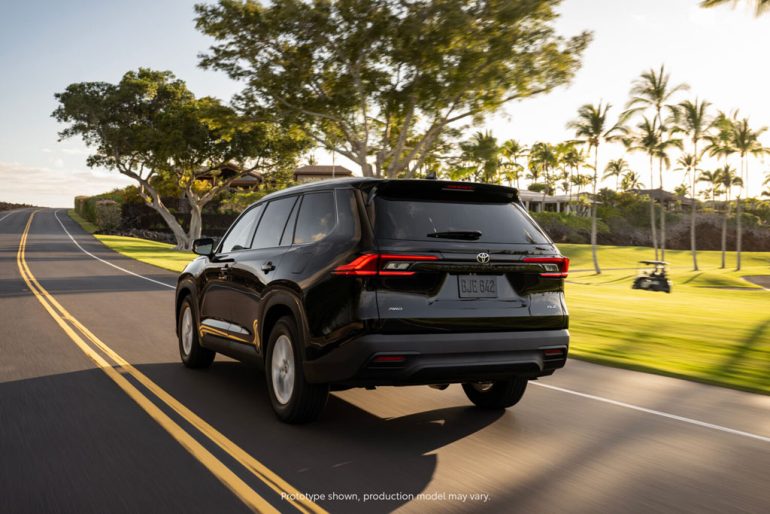
The 2027 Grand Highlander brings several targeted updates to the lineup. The Woodland Edition is the headline addition — a hybrid AWD off-road-appearance grade that fills the gap between the XLE and Limited with trail-ready accessories and all-terrain tires. The XLE across both gas and hybrid gains a standard heated steering wheel and new dark gray 18-inch wheel finish. The Hybrid MAX Platinum receives a comprehensive black exterior treatment replacing the previous chrome and silver accents. The gas Platinum gains updated two-tone wheel finishes. Pricing increased approximately $300 across the lineup from 2026.
Two trims were cut for 2027: the Hybrid Nightshade Edition (a black-exterior appearance package that the new Woodland Edition partially replaces in a different direction) and the Hybrid MAX Limited (which simplifies the Hybrid MAX family to Platinum-only). The gas Limited FWD is also gone, with Limited now AWD-only on gas. Buyers who were shopping the discontinued trims should cross-shop against the Woodland and remaining Limited and Platinum configurations.
Towing varies by powertrain. The 2.4-liter gas and Hybrid MAX configurations are both rated for 5,000 pounds — sufficient for a mid-size boat, a loaded cargo trailer, or a small camper within that range. The standard hybrid is rated for 3,500 pounds, which covers a lightweight boat, a jet ski, or a small utility trailer. For buyers whose primary use case includes regular towing near the maximum rating, the gas or Hybrid MAX powertrain is the right starting point. For buyers who tow occasionally and lightly, the standard hybrid’s 3,500-pound rating is adequate and the fuel economy advantage over the gas engine is otherwise unchanged.
The 2027 Toyota Grand Highlander carries a 3-year/36,000-mile bumper-to-bumper warranty and a 5-year/60,000-mile powertrain warranty. The hybrid battery system is covered for 10 years or 150,000 miles in California-emissions states and 8 years or 100,000 miles in federal-emissions states. Roadside assistance is provided for 2 years with no mileage limitation. Toyota includes ToyotaCare complimentary maintenance for the first 2 years or 25,000 miles. The hybrid battery warranty is a meaningful differentiator in the total cost of ownership calculation, particularly for buyers planning to hold the vehicle for 8 or more years.
The Grand Highlander is a popular family SUV and Toyota dealers frequently hold near MSRP on fresh inventory, particularly on the XLE and hybrid configurations where demand is strongest. That said, front-end margins of $3,700 to $5,000 and holdback create real room for buyers who are prepared, especially on higher-trim configurations.
Use the invoice prices in this guide as your negotiating anchor. On the gas LE FWD at $38,857 invoice, $3,703 of front-end margin is the starting point before holdback. On the Hybrid MAX Platinum at $55,444 invoice, $5,031 is the front-end figure — the most room available in any single Grand Highlander configuration. Opening your offer at or near invoice on aging lot inventory is a defensible position, particularly on less popular configurations such as gas FWD variants in markets where AWD dominates or less common exterior colors.
Compare offers from multiple Toyota dealers. Toyota has strong dealer density in most metro markets, and email-based quote requests across two or three dealers before visiting in person establish a price baseline without spending a full day negotiating. Dealers who know they are competing for a specific sale will work within their margin in ways that dealers who believe they have an exclusive opportunity will not.
Know the powertrain math before you sit down. The hybrid XLE AWD at $48,780 MSRP is $1,750 more than the gas XLE AWD at $47,030. At 36 mpg combined versus 23 mpg combined and 15,000 miles per year, the annual fuel savings favor the hybrid by approximately $700 to $900 at current fuel prices — meaning the hybrid pays back its MSRP premium in roughly two years of typical driving, with ongoing savings thereafter. Dealers are aware that buyers are running this math and will not be surprised if you use it in the powertrain discussion.
End-of-month and end-of-quarter timing consistently produces better outcomes on Toyota family SUVs. If you can be flexible on when you close, that flexibility has dollar value.
In the finance and insurance office, Toyota’s ToyotaCare maintenance coverage and the hybrid battery’s 8- to 10-year warranty substantially reduce the value of extended service contracts during the initial ownership window. Prepaid maintenance packages, appearance protection products, and tire-and-wheel plans deserve individual evaluation against their F&I asking price before you agree to any of them. Decide what you want before you sit down, and treat each F&I product as its own separate buying decision.

Darryl Taylor Dowe is a seasoned automotive professional with a proven track record of leading successful ventures and providing strategic consultation across the automotive industry. With years of hands-on experience in both business operations and market development, Darryl has played a key role in helping automotive brands grow and adapt in a rapidly evolving landscape. His insight and leadership have earned him recognition as a trusted expert, and his contributions to Automotive Addicts reflect his deep knowledge and passion for the business side of the car world.