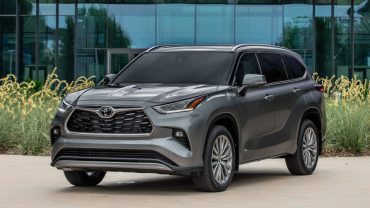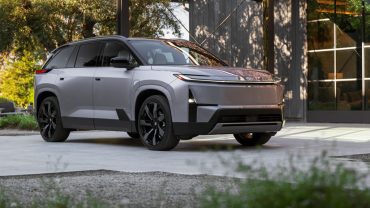
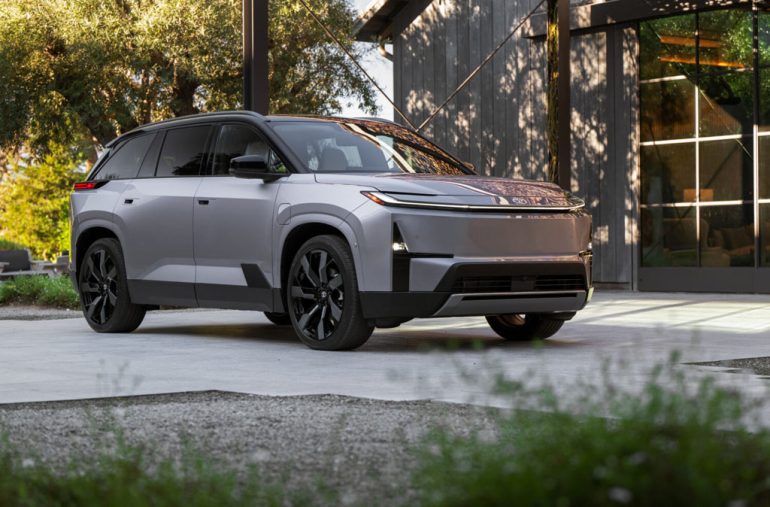
Toyota just did something that would have sounded wild not that long ago. The Highlander, one of the brand’s core three-row family SUVs since 2001, is going fully electric for its fifth generation. The 2027 Toyota Highlander EV drops the gas and hybrid setups entirely and rolls into the growing (but still small) mainstream three-row EV space currently occupied by vehicles like the Kia EV9 and Hyundai Ioniq 9. Toyota is also making a statement by keeping the Highlander name front and center instead of leaning on unfamiliar EV-only branding.
Under the skin, the 2027 Highlander rides on a modified version of Toyota’s TNGA-K platform and will launch in two trims: XLE and Limited. The XLE can be had with front-wheel drive or all-wheel drive, while the Limited comes standard with all-wheel drive. Battery choices are split between a 77-kWh pack and a larger 96-kWh pack, with the bigger battery reserved for the AWD models when you want max range and standard on the Limited.
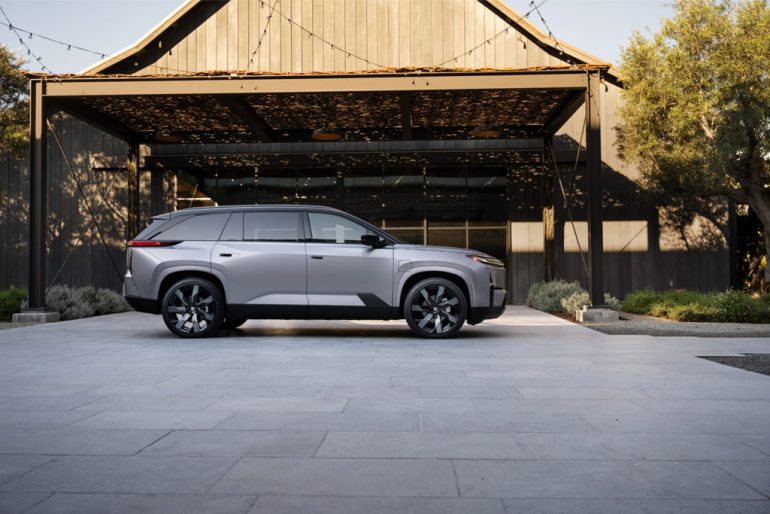
Range is solid, if not earth-shattering, which is probably exactly where Toyota wants to land for a first swing in this segment. Toyota estimates the XLE FWD with the 77-kWh battery will go 287 miles on a charge. Choose XLE AWD with that same battery and the estimate drops to 270 miles. Step up to the larger 96-kWh pack and both the AWD XLE and AWD Limited are estimated at up to 320 miles. These are manufacturer estimates for now, but it gives a clear idea of where each configuration is aimed.
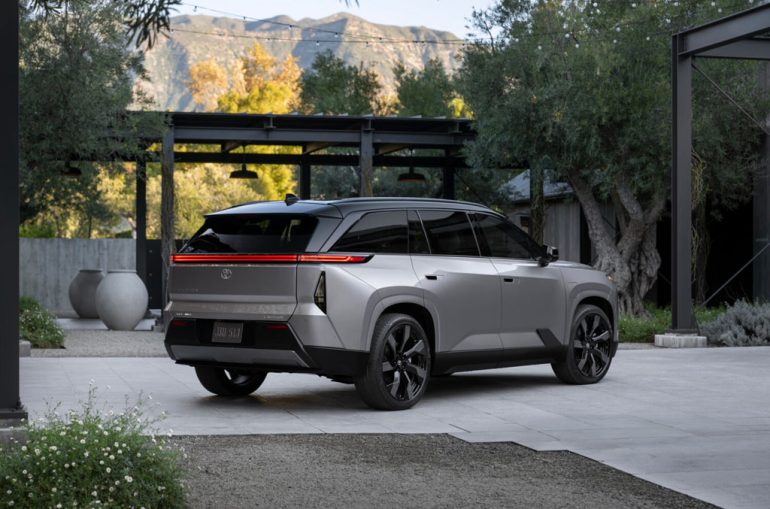
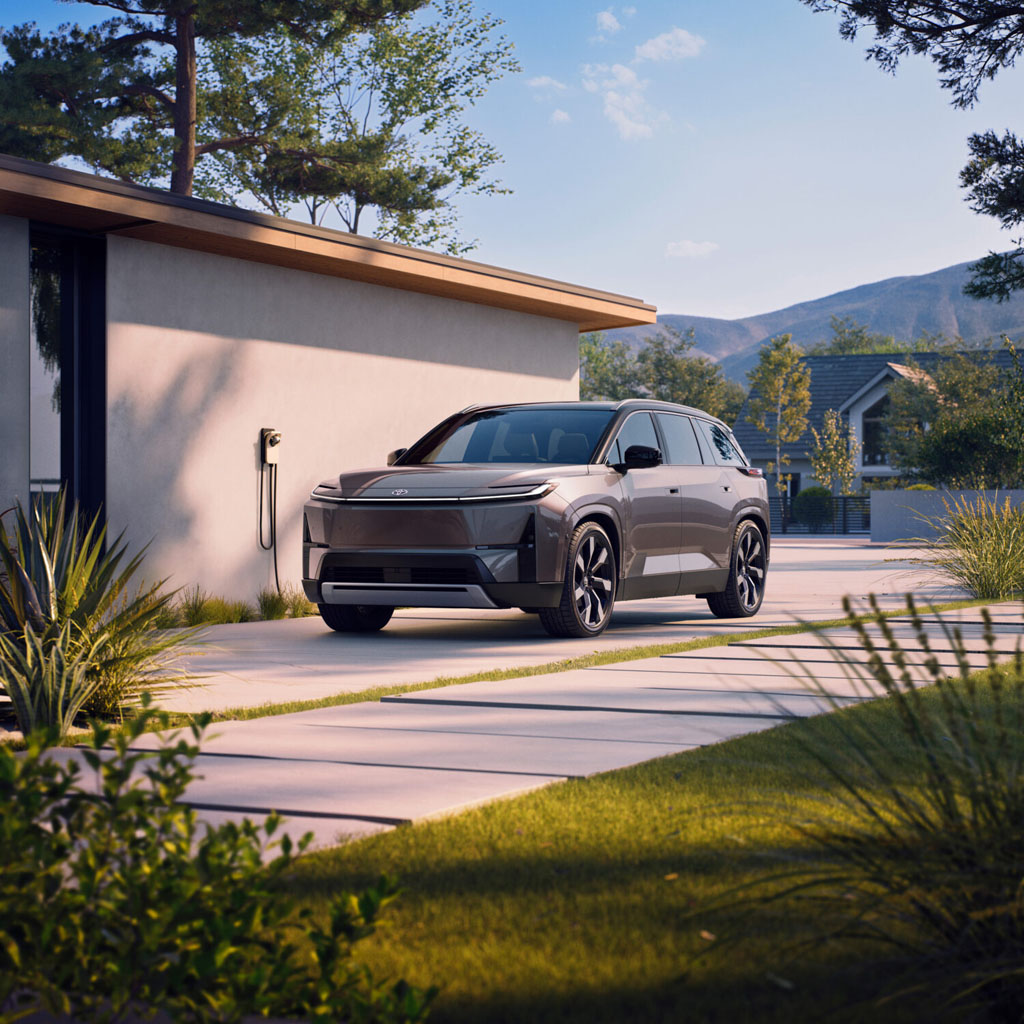
Charging is also modernized in a way that should make ownership easier, especially for road trips. The Highlander uses a standard NACS port, and Toyota says it can go from 10 to 80 percent in about 30 minutes on a DC fast charger. There’s also an 11-kW onboard charger for AC charging, plus Toyota includes a 120/240-volt charging cable. That is the practical stuff families actually care about, and Toyota seems to have checked the big boxes.
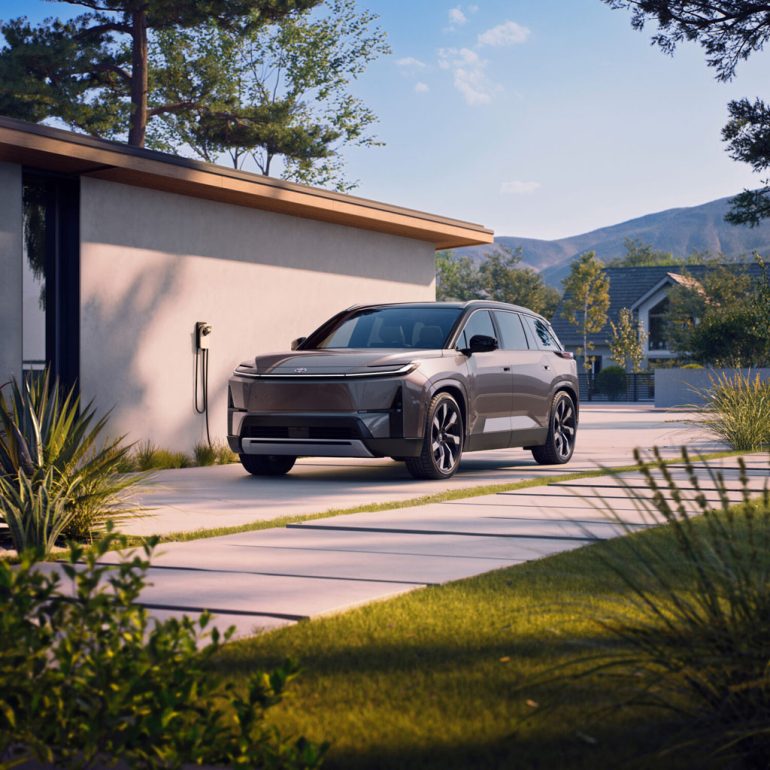
One of the more interesting additions is vehicle-to-load capability, which Toyota says is a first for a Toyota sold in the United States. In plain English, the Highlander EV can supply power to devices and appliances, and it can even serve as a backup power source during an outage depending on how you set it up. This is the kind of feature that sounds like a niche party trick until you live through a storm and realize your SUV can keep the essentials running.
Performance should be noticeably quicker than the outgoing Highlander, even if Toyota is not throwing around 0 to 60 times yet. Front-wheel drive models use a single motor making 221 horsepower and 198 lb-ft of torque. All-wheel drive adds a second motor and jumps to a combined 338 horsepower and 323 lb-ft. AWD models also get terrain-focused drive modes and Crawl Control, which handles low-speed acceleration and braking so the driver can focus on steering around obstacles. It’s a nice touch for anyone who deals with snowy driveways, rutted campsites, or the occasional unpaved shortcut.
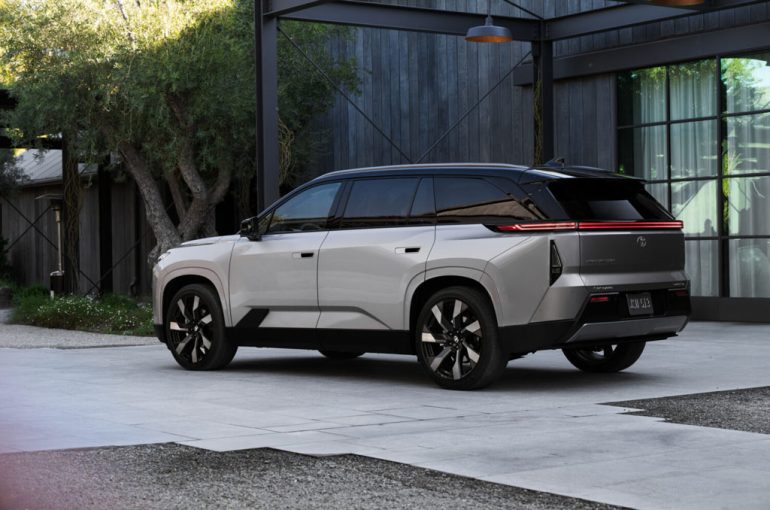
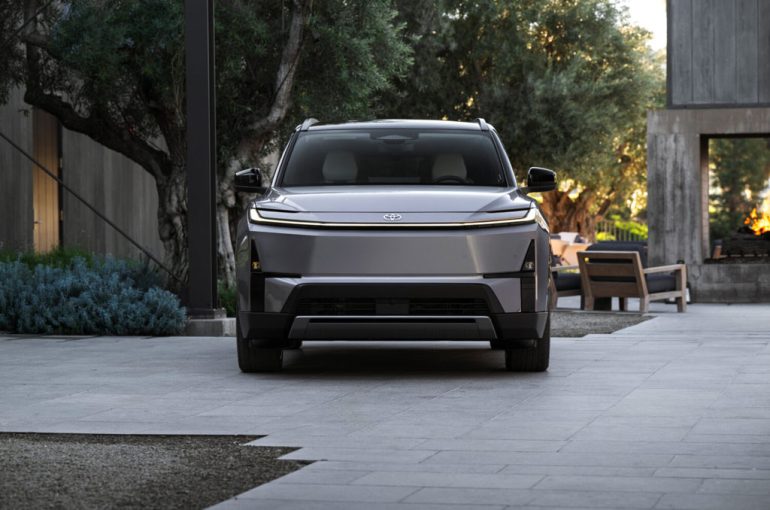
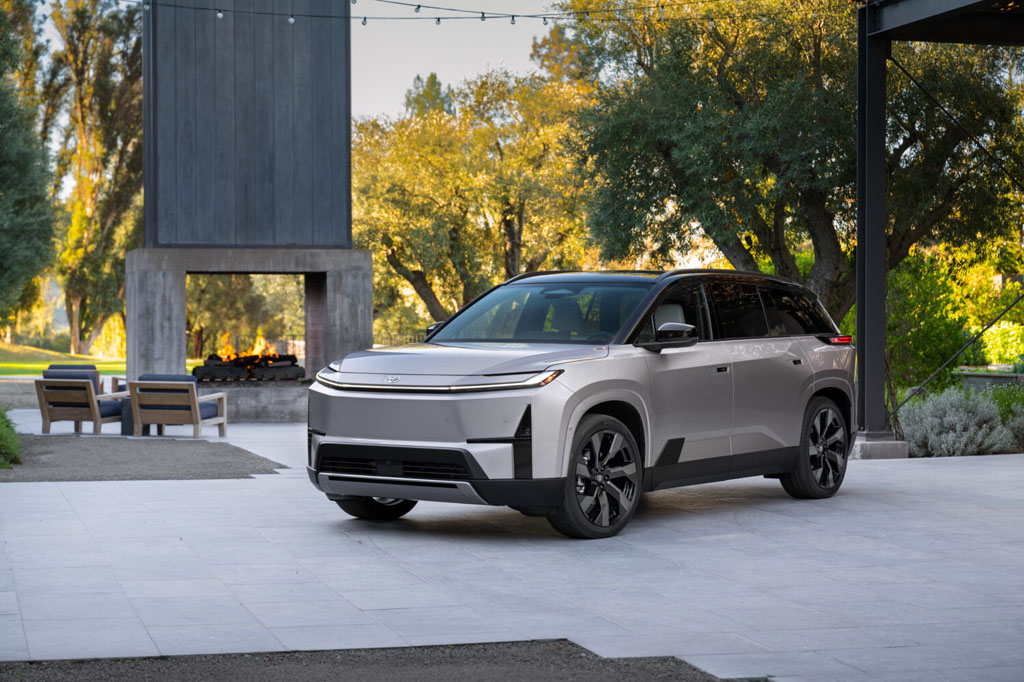
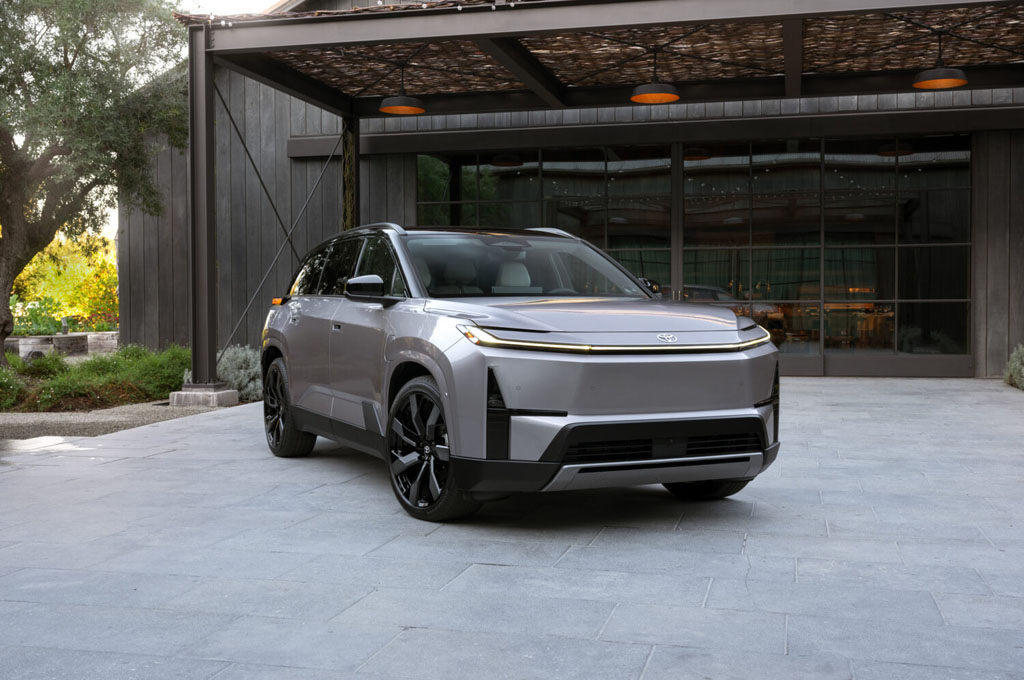
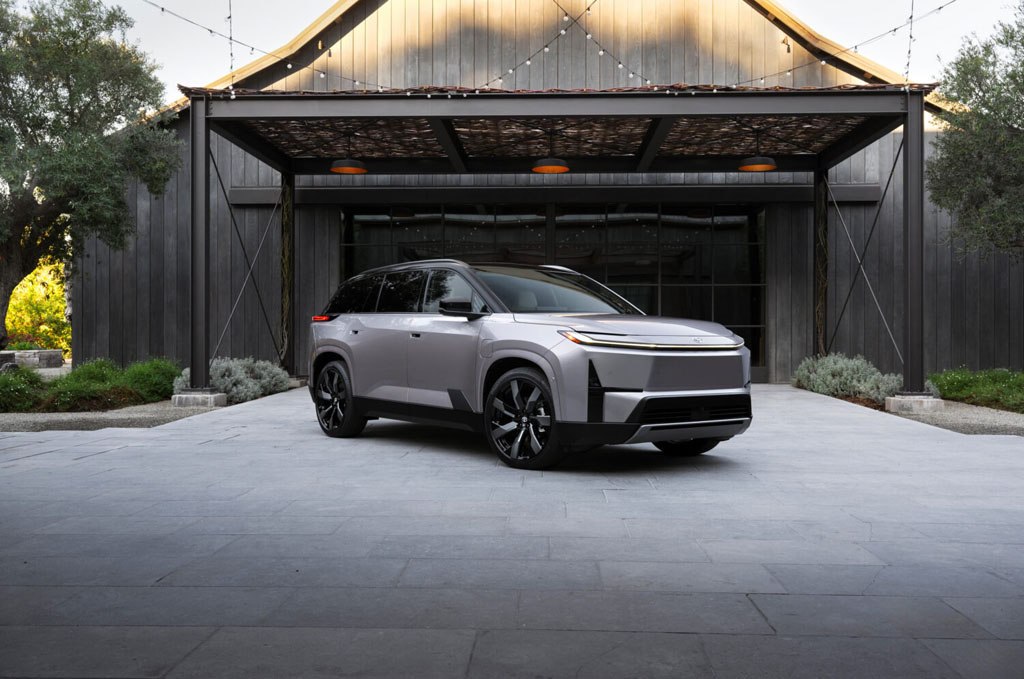
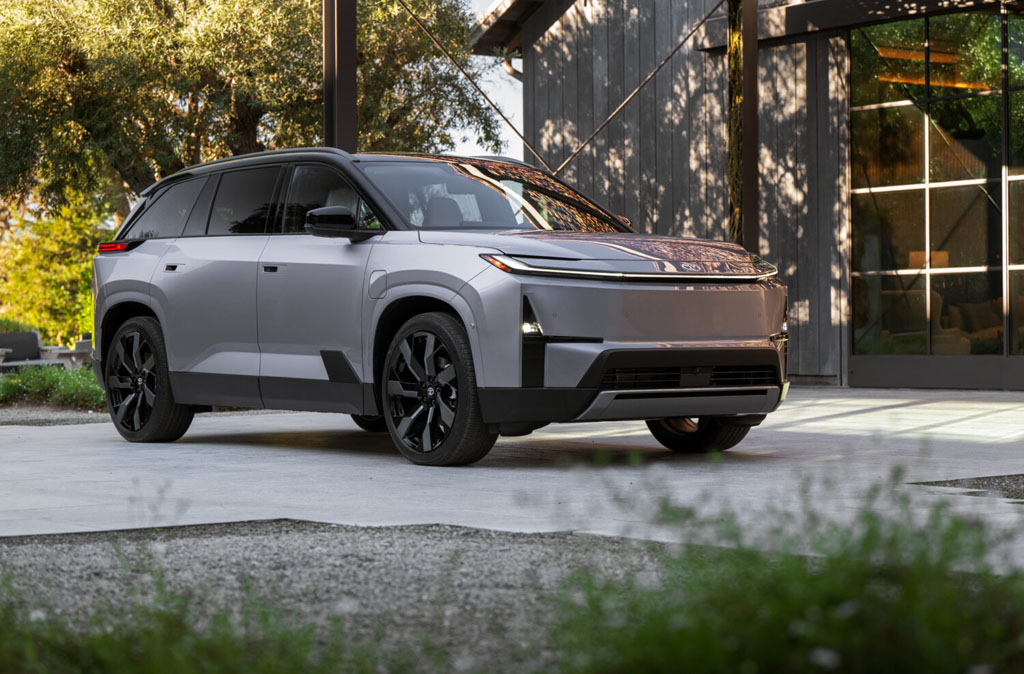
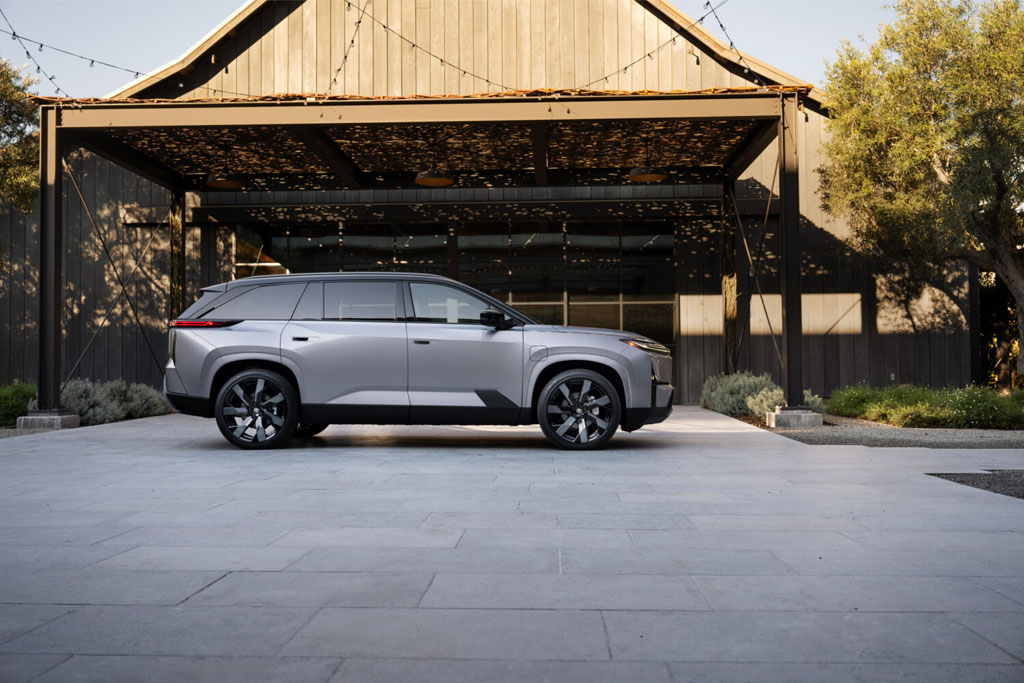
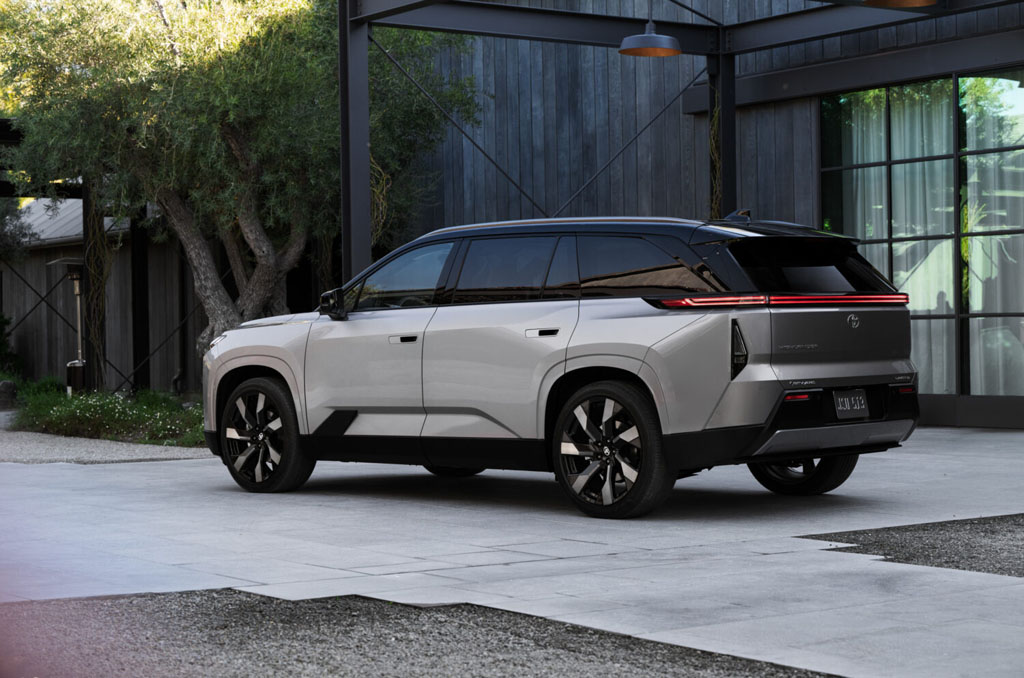
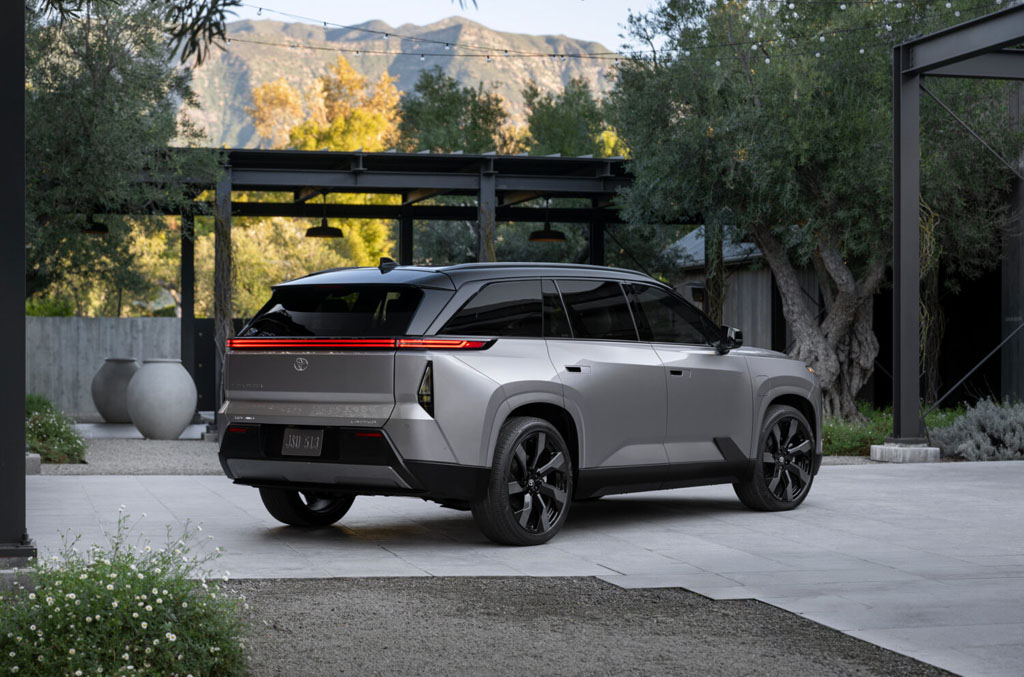
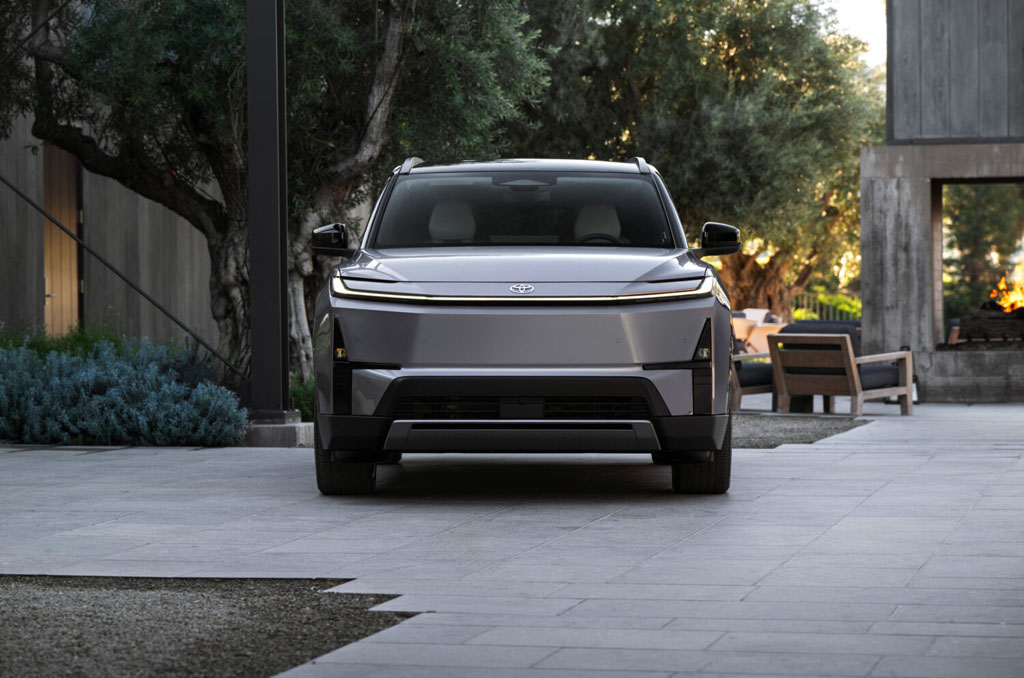
Visually, Toyota leaned into a tougher, more squared-off look than the current Highlander. The new EV wears chunkier fenders, straight lines, and full-width daytime running lights that help emphasize the SUV’s width. The main headlights are tucked into geometric housings near the bumper edges, and the rear gets rectangular taillights positioned just below the glass with a wraparound effect. Limited models can also be ordered with a two-tone black roof and big 22-inch wheels, which will likely become the “spot it instantly” spec in parking lots.

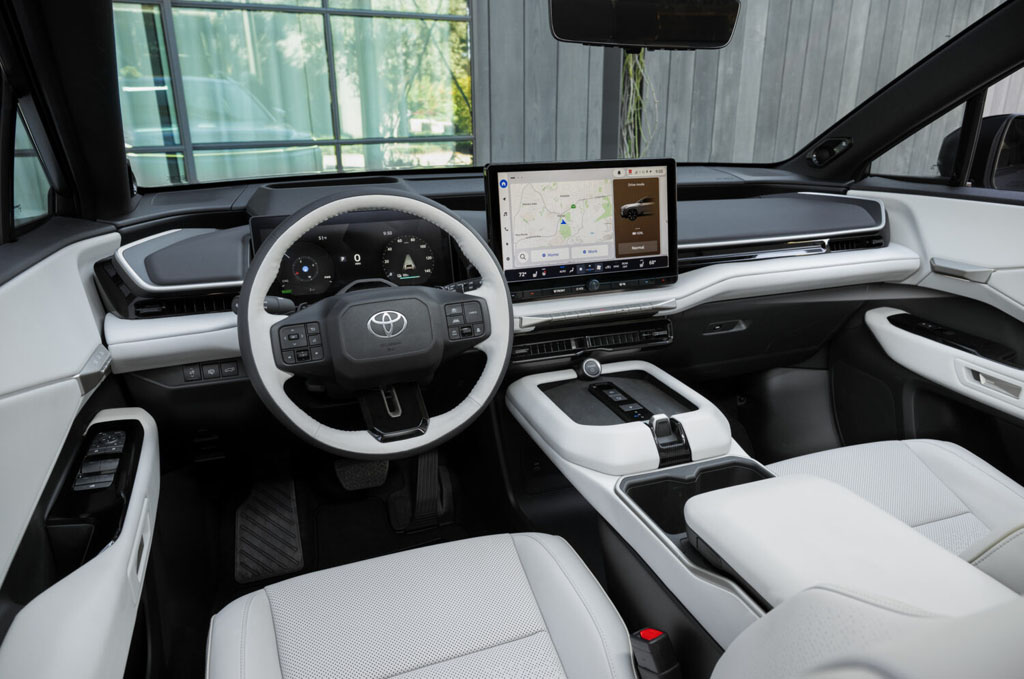
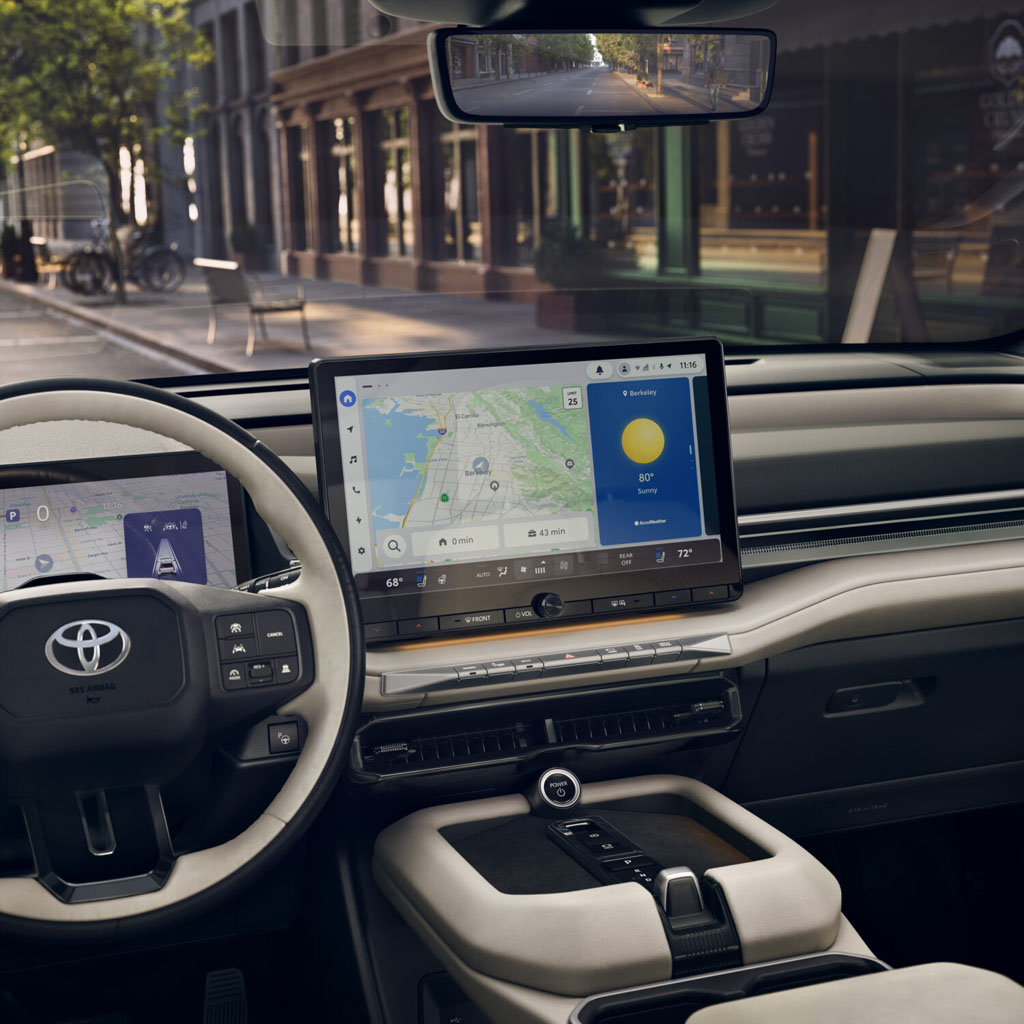
Inside, Toyota clearly aimed for modern without going full touchscreen overload. A 14.0-inch center touchscreen and a 12.3-inch digital gauge cluster lead the dash, with features like 5G connectivity, a voice assistant, wireless Apple CarPlay and Android Auto, and the ability to connect two phones via Bluetooth at the same time. There’s also a built-in dashcam feature Toyota calls Drive Recorder that uses the exterior cameras. Thankfully, Toyota kept physical controls for essentials like HVAC, drive modes, and volume, which makes daily driving far less frustrating than systems that bury everything in menus.
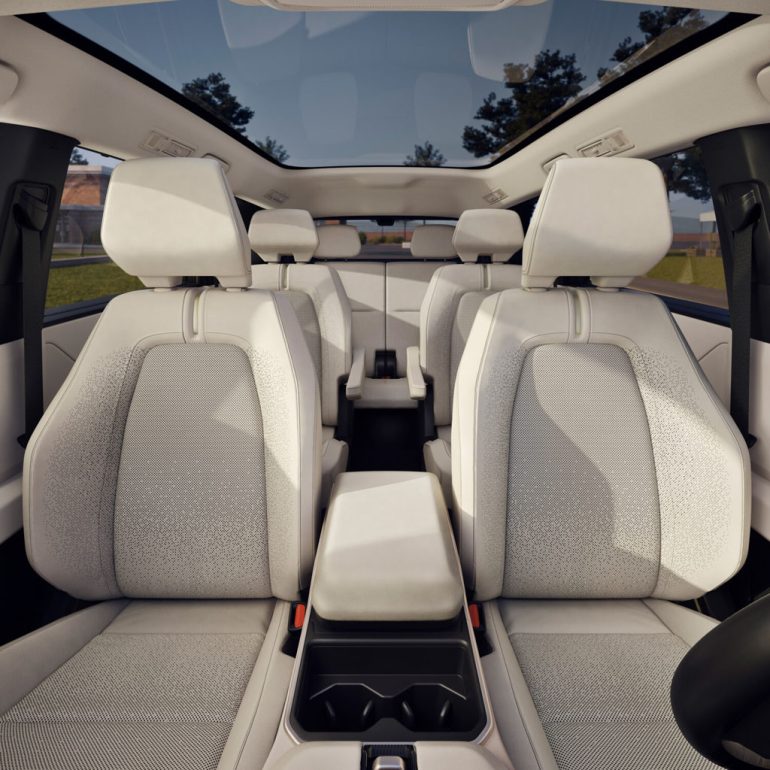
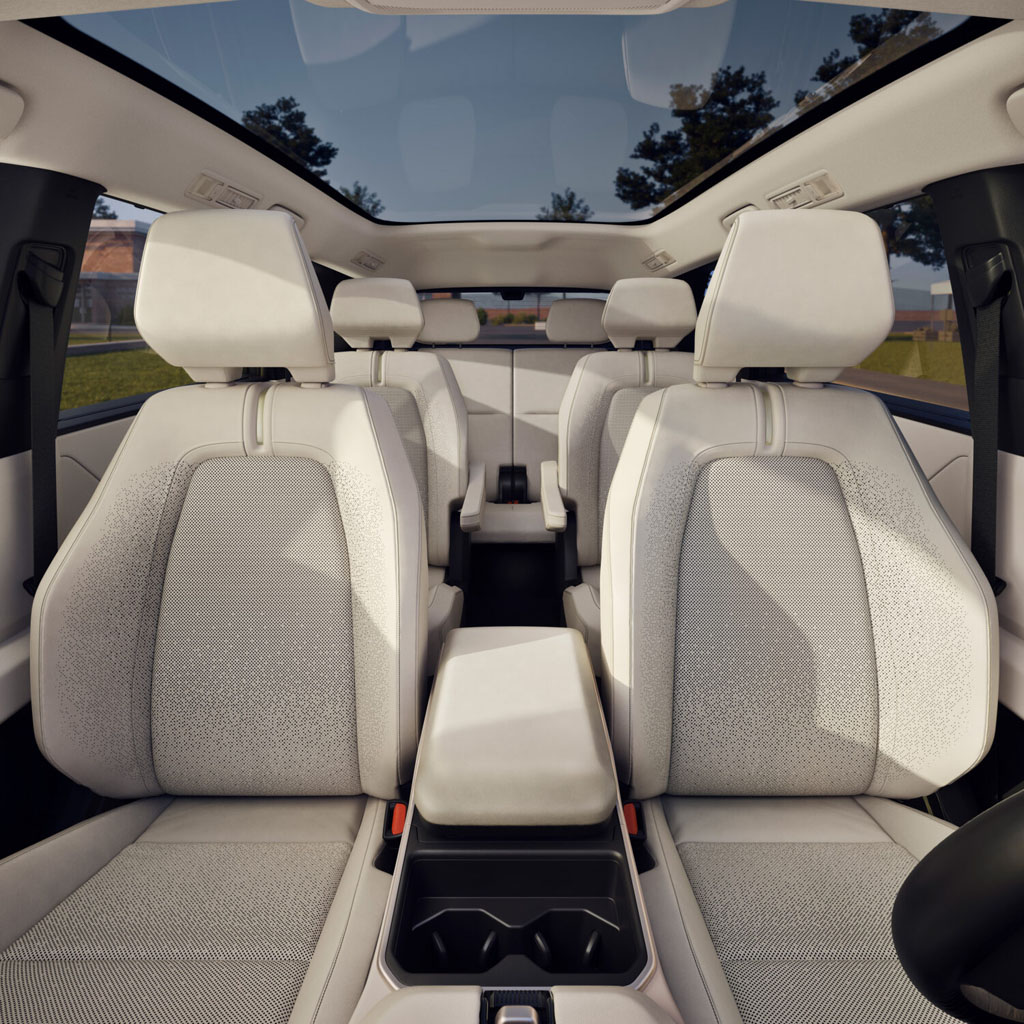
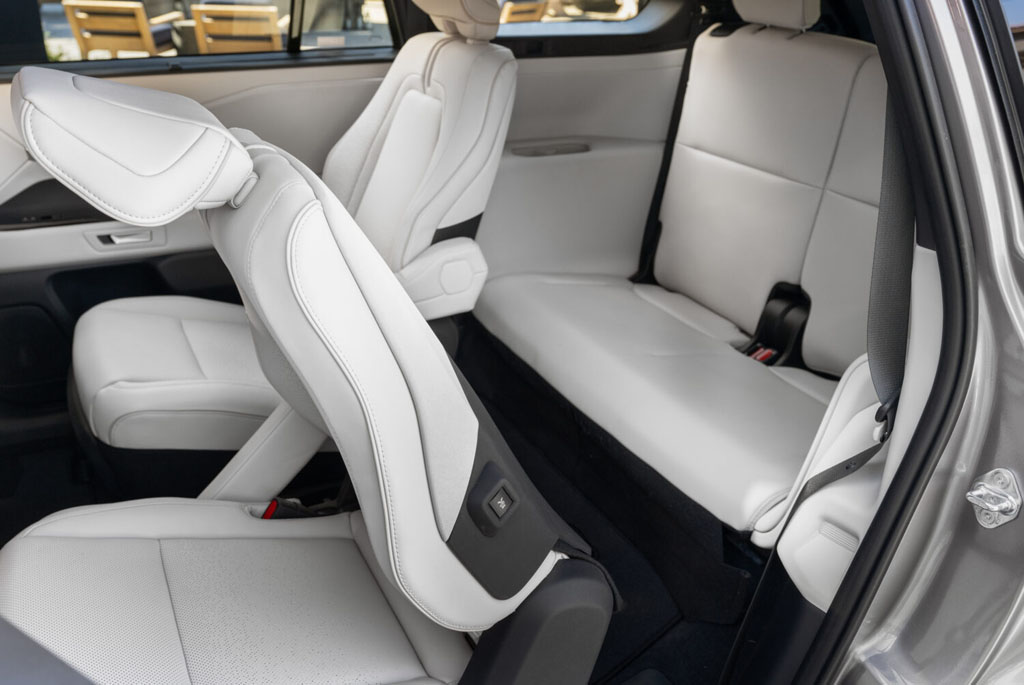
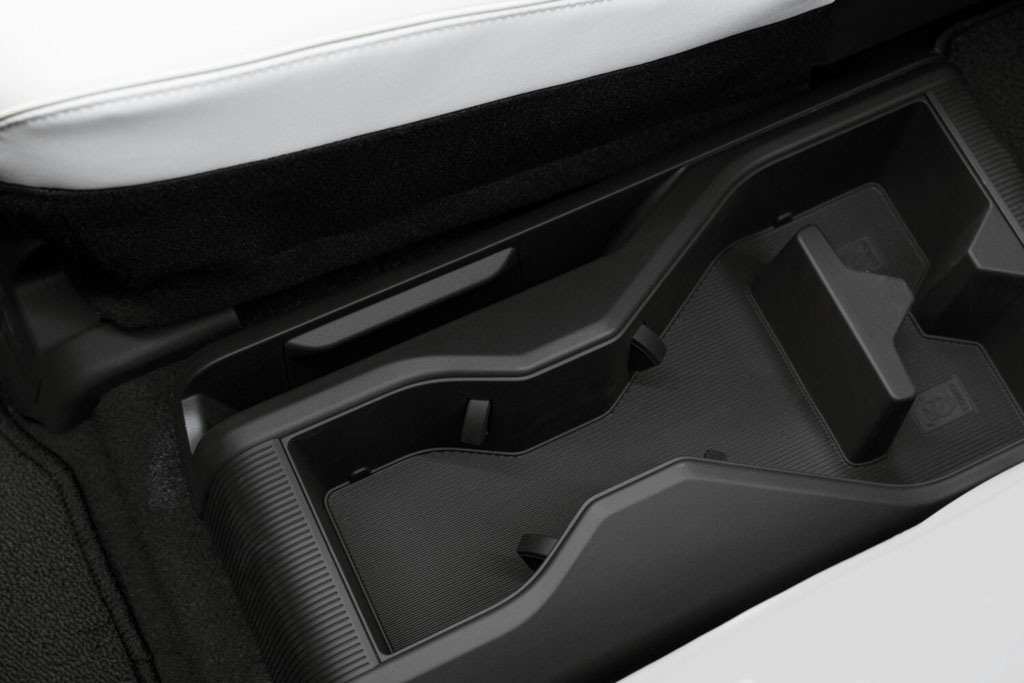
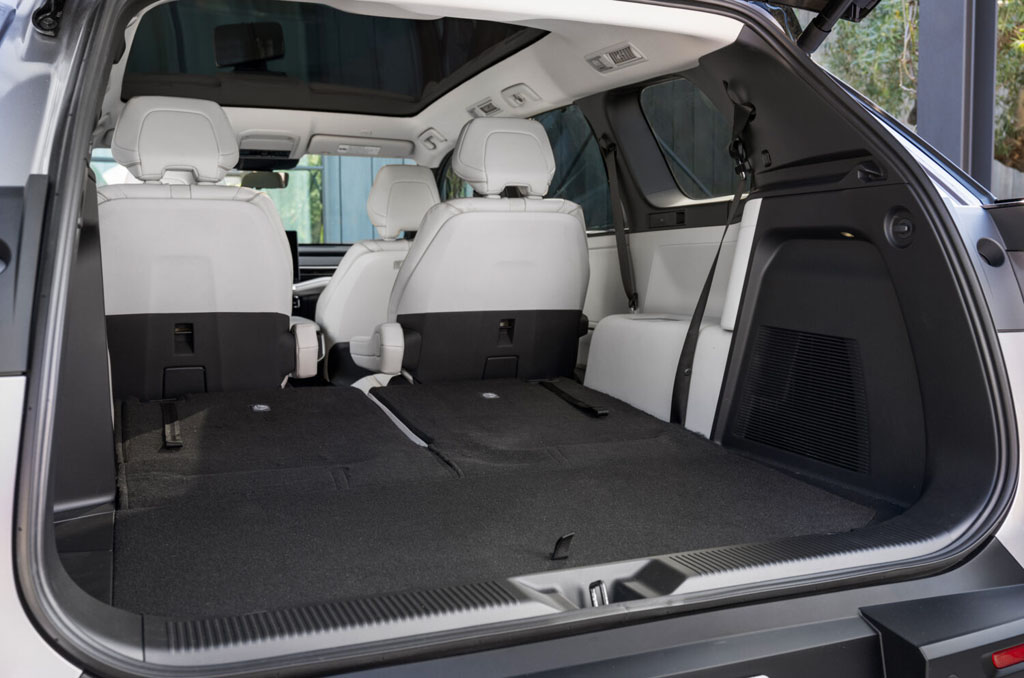
Space and family usability are a big part of the Highlander pitch, and Toyota packed the EV with practical details. Seating is up to seven with a second-row bench, though that configuration is limited to the XLE AWD trim. SofTex upholstery is standard, along with heated front seats and a heated steering wheel. Limited models add ventilated front seats and heated second-row seats, and the third row folds flat to open up more than 45 cubic feet of cargo space. Toyota also went a little wild with everyday storage: there are 18 cupholders, plus clever cubbies and slots designed for phones and tablets, and a hands-free power liftgate.
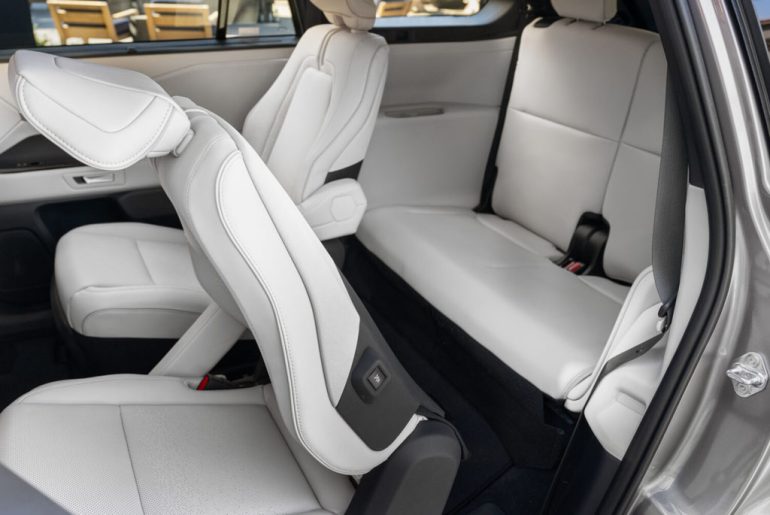
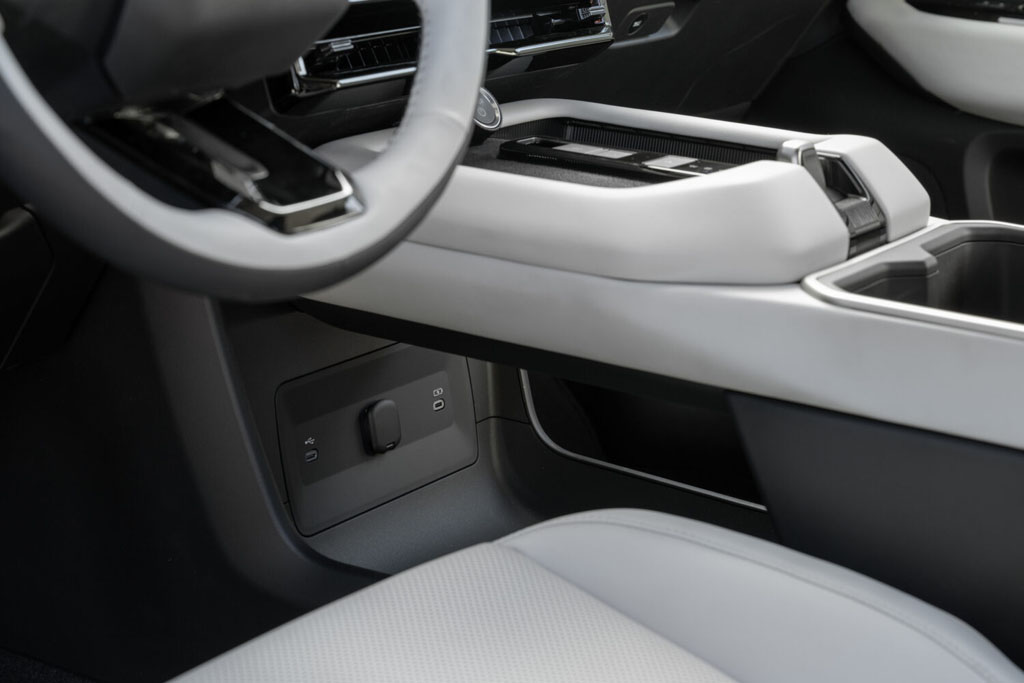
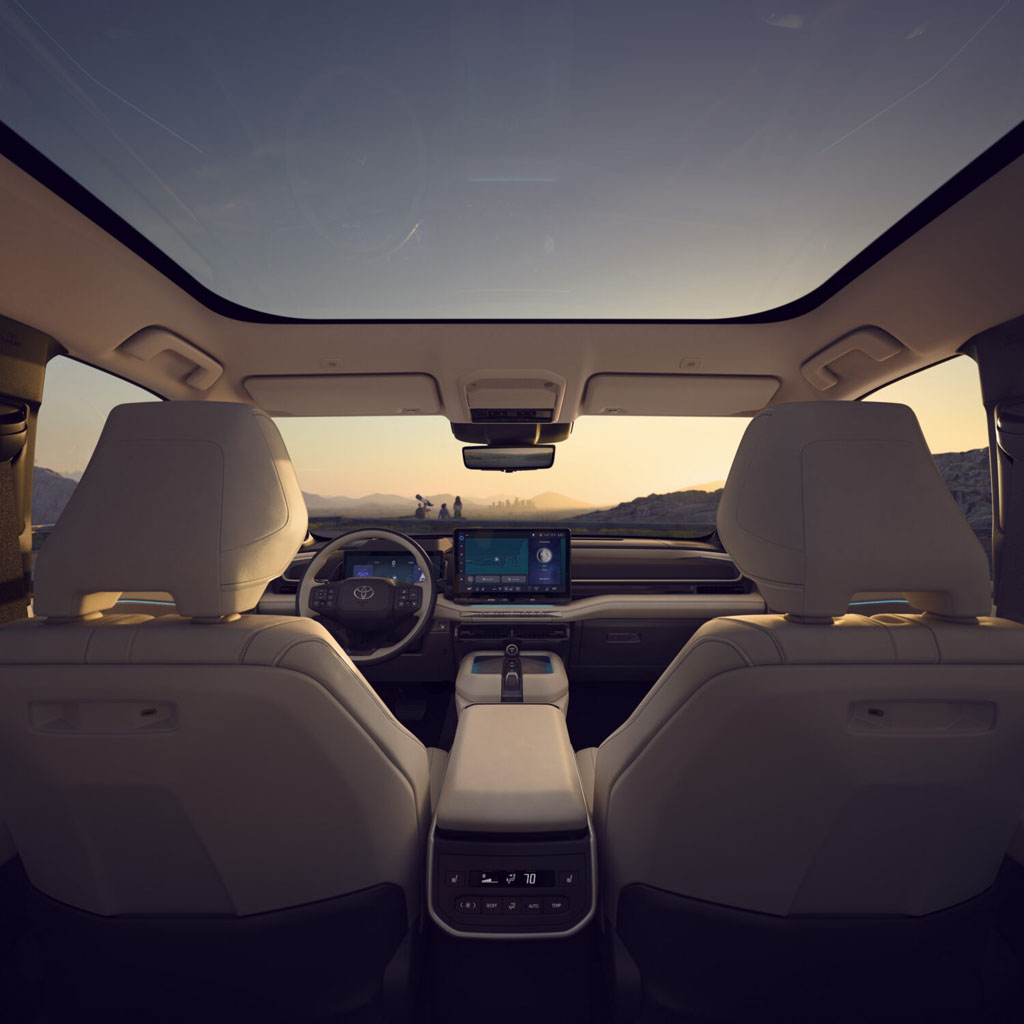
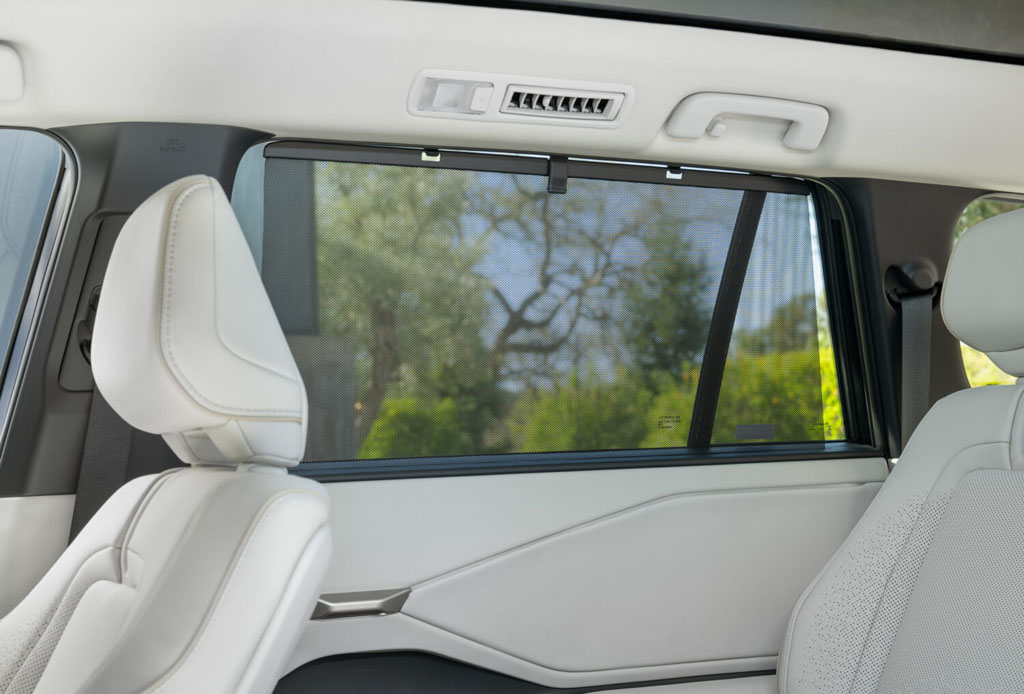
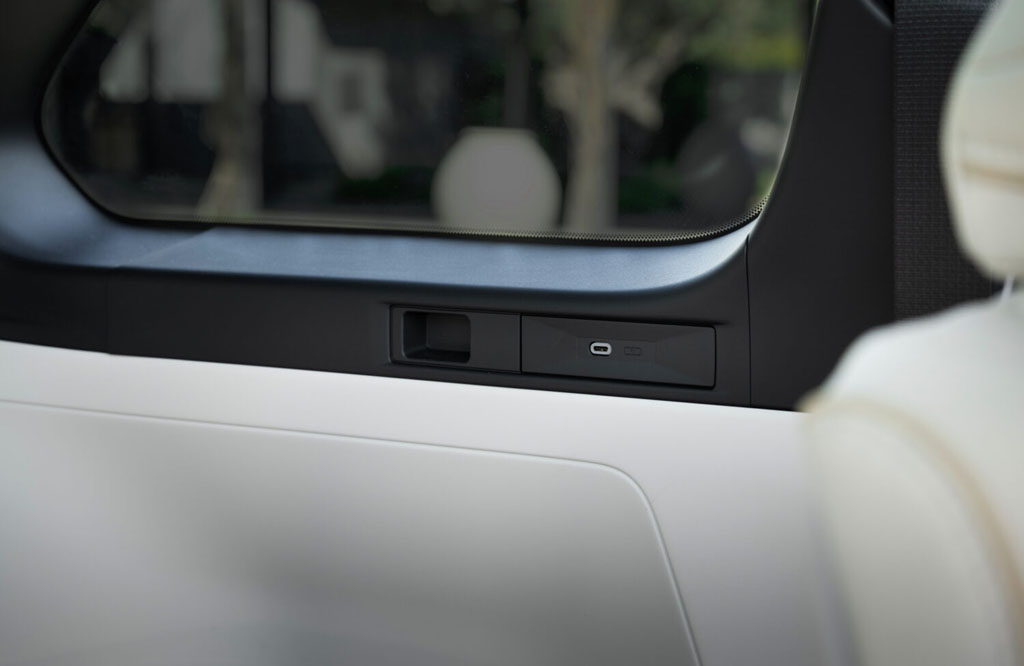
Toyota is also promising a quieter ride, using noise-absorbing material throughout the cabin structure, acoustic glass up front, and additional damping at the rear. For audio, the base system is a six-speaker setup, while XLE AWD and Limited buyers can upgrade to an 11-speaker JBL system. A fixed-glass panoramic roof, described as the largest in Toyota’s lineup, is optional on both trims. Add in dual wireless chargers, USB-C ports for the second and third rows, and ambient lighting with 64 colors tied into Safe Exit Assist, and it’s pretty clear Toyota expects this to be a high-tech family hub, not just a commuter box.

When can you actually buy one? Toyota says sales should begin in late 2026 and carry into early 2027, which gives the brand some flexibility as production ramps. The 2027 Highlander EV will be Toyota’s first EV assembled in the U.S., built at the Georgetown, Kentucky plant, with batteries sourced from America as well, supported by Toyota’s major investment in battery production in North Carolina. Pricing will be announced later, but expectations point toward a starting figure in the mid-$50,000 range, which puts it right where a well-equipped three-row EV needs to be if Toyota wants to compete on more than just name recognition.



Mike Floyd is a finance executive by trade and a car enthusiast at heart. As a CFO with a keen eye for detail and strategy, Mike brings his analytical mindset to the automotive world, uncovering fresh insights and unique perspectives that go beyond the surface. His passion for cars—especially his favorite, the Porsche 911, fuels his contributions to Automotive Addicts, where he blends a love for performance and design with his professional precision. Whether he’s breaking down industry trends or spotlighting emerging innovations, Mike helps keep the site both sharp and forward-thinking.

Mike Floyd is a finance executive by trade and a car enthusiast at heart. As a CFO with a keen eye for detail and strategy, Mike brings his analytical mindset to the automotive world, uncovering fresh insights and unique perspectives that go beyond the surface. His passion for cars—especially his favorite, the Porsche 911, fuels his contributions to Automotive Addicts, where he blends a love for performance and design with his professional precision. Whether he’s breaking down industry trends or spotlighting emerging innovations, Mike helps keep the site both sharp and forward-thinking.