
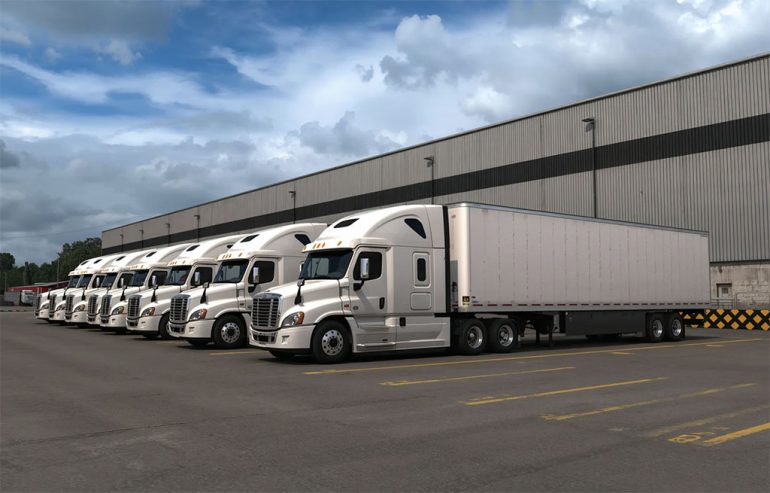
Commercial transport incidents involve a dense web of state and federal regulations that differ significantly from standard passenger vehicle cases. When a heavy tractor-trailer is involved in a collision, the legal framework shifts from simple traffic laws to the complex world of the Federal Motor Carrier Safety Administration. These rules govern everything from the weight of the cargo to the specific mechanical health of the braking system.
The scale of a commercial vehicle means that any failure in adherence to these standards can lead to catastrophic results on the highway. Investigators must look beyond the immediate scene to determine if a specific federal violation contributed to the event. This oversight is intended to keep the massive flow of interstate commerce safe for the smaller vehicles sharing the road every single day.
Identifying the responsible entities requires a deep understanding of how the shipping industry operates on a structural level. It is rarely as simple as looking at the person behind the steering wheel at the moment of the impact. Engaging an Atlanta truck accident lawyer can help untangle the various parties involved in a freight-related claim to ensure that the correct corporate interests are held accountable.
Driver error is frequently the most visible cause of a commercial collision, often involving factors like excessive speed or simple distraction. In these cases, the focus is on the individual’s failure to maintain control of their vehicle according to the standard rules of the road. However, an error on the pavement often points to a much deeper failure within the company’s internal management structure.
Carrier negligence refers to the systematic failure of the trucking company to provide a safe working environment and functional equipment. This can involve skipping mandatory maintenance schedules to keep trucks on the road longer than is legally or physically safe. When a mechanical failure occurs, the company may be just as responsible as the driver who was operating the faulty machinery at the time.
Loading protocols also play a vital role in the stability of a heavy freight vehicle during a high-speed turn or sudden stop. If a trailer is loaded improperly, the shifting weight can cause a rollover or a jackknife that the driver cannot possibly correct. Determining whether the error was at the warehouse or on the highway is a critical part of any thorough liability investigation.
The transition to Electronic Logging Devices, or ELDs, has revolutionized the way that data is gathered after a commercial transport incident. These devices are hard-wired into the vehicle’s engine to record exactly when the truck is in motion and when it is stationary. This creates a permanent and unalterable record of the driver’s specific activities throughout their entire multi-day journey.
Before this technology became mandatory, drivers relied on paper logs that were often susceptible to errors or intentional manipulation to hide hours-of-service violations. The ELD provides an objective timeline that shows if a driver was operating while fatigued or beyond their legal daily limits. This data is essential for recreating the events leading up to a crash with a high degree of precision.
Objective evidence from these sensors allows investigators to compare the driver’s statements against the actual mechanical reality of the trip. If the logs show that a driver skipped a mandatory rest period, it provides a clear link between corporate pressure and the resulting accident. These digital footprints are often the most important pieces of evidence in a complex commercial liability case.
The logistical structure of the modern freight industry often involves multiple companies working together to move a single shipment across the country. An independent contractor might own the tractor, while a third-party logistics firm brokered the load for a completely different parent corporation. This creates a situation where several different insurance policies may overlap or conflict after a serious road event.
Third-party logistics firms, often called 3PLs, play a major role in the chain of command but often try to distance themselves from liability. They are responsible for vetting the carriers they hire to ensure that the drivers are qualified and the equipment is safe. If a firm hires a carrier with a history of safety violations, they may be held liable for their poor oversight.
Parent corporations can also be held responsible through the concept of vicarious liability if the driver was acting as their direct agent. Untangling these relationships requires a methodical review of contracts, shipping manifests, and corporate tax filings to see who actually controlled the mission. Identifying every potential defendant ensures that there are enough resources available to cover the extensive damages often caused by large trucks.
A thorough investigation is the only way to ensure that all contributing factors in a freight accident are identified and documented correctly. This involves downloading data from the truck’s internal “black box” to see the speed and braking patterns at the exact second of impact. It also requires a physical inspection of the vehicle to check for any signs of pre-existing mechanical wear.
Every piece of evidence, from the tire tread depth to the driver’s cell phone records, must be preserved before it can be lost or destroyed. Many trucking companies have document retention policies that allow them to purge records after a certain period unless a legal “spoliation” letter is sent. Acting quickly to secure this data is the most important step in protecting the integrity of the future claim.
Ultimately, the goal of a detailed investigation is to provide a clear and undeniable narrative of how the collision occurred. By connecting the dots between corporate negligence and the physical evidence on the road, a strong case for recovery is built. This methodical approach ensures that the truth is revealed and that the responsible parties are held to account for their actions.

Automotive Addicts Contributors are a collective of guest writers, industry professionals, and passionate enthusiasts who bring fresh perspectives to the Automotive Addicts platform. Focused on delivering timely news, in-depth reviews, and unique insights, these contributors help keep the site dynamic and engaging. Many use the platform to expand their reach and build credibility within the automotive media world, adding depth and variety to the content that drives the Automotive Addicts community.


