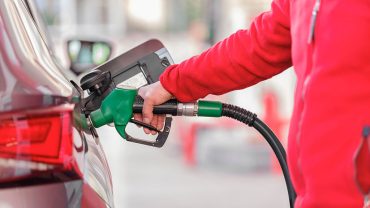
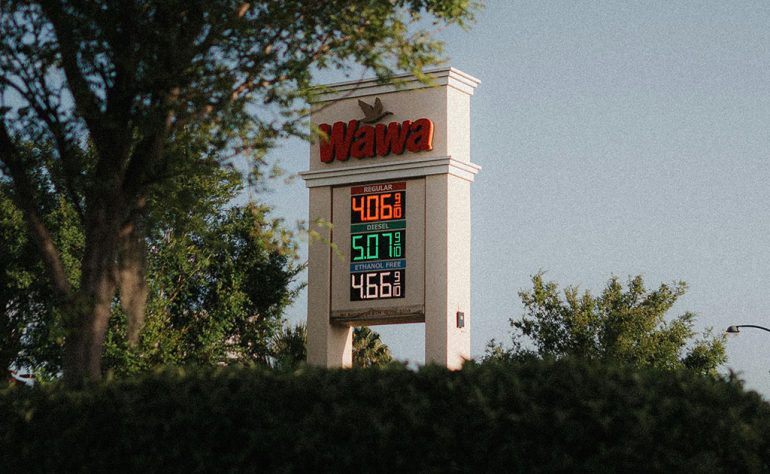
The EPA has approved a temporary nationwide waiver allowing broader summer sales of E15, a gasoline blend made up of 15 percent ethanol and 85 percent gasoline, in an effort to keep fuel supplies flowing and ease pressure at the pump. The waiver takes effect May 1 and runs through May 20, with the agency saying it is prepared to extend the move if market conditions do not improve. EPA Administrator Lee Zeldin framed the decision as a way to reduce uncertainty and give families more fuel choices heading into the summer driving season.
On the surface, that sounds like a straightforward win for motorists. E15 is often priced slightly below regular E10 in places where it is already widely available, so opening the door to broader sales could help shave at least a little off refueling costs in some markets. For consumers who are simply looking for any relief during a volatile stretch for energy prices, that matters. Even a modest drop at the pump can add up over a busy summer of commuting, road trips, and everyday errands.
Still, the real-world benefit may be more limited than the headline suggests. PBS reported that not every state or fuel retailer is set up to move quickly on E15, and some markets simply do not have the infrastructure to make the higher-ethanol blend broadly available on short notice. That means many drivers may hear about the waiver and never actually see E15 appear at their local station, at least not in a meaningful way during this initial window.
There is also an important ownership angle consumers should not ignore. While many newer vehicles are approved to run E15, some older vehicles, along with certain boats, motorcycles, and off-road equipment, may not be ideal candidates for the fuel. That does not make E15 a bad idea across the board, but it does mean drivers should check their owner’s manual before treating it like a universal substitute. What helps lower costs for one household could create problems for another if the fuel ends up in the wrong tank.
The bigger takeaway for consumers is that this is less of a game-changing fuel-price reset and more of a short-term pressure valve. If E15 becomes easier to find, some drivers could benefit from slightly lower prices and a bit more choice at the pump. But questions remain about infrastructure, compatibility, and whether any savings might be offset elsewhere in the economy. For now, the EPA is betting that more supply and more flexibility will help calm the market. Drivers should welcome the added option, but they should also stay realistic about how much relief it will actually deliver.

Lloyd Tobias is a seasoned automotive journalist and passionate enthusiast with over 15 years of experience immersed in the world of cars. Whether it’s exploring the latest advancements in automotive technology or keeping a close pulse on breaking industry news, Lloyd brings a sharp perspective and a deep appreciation for all things automotive. His writing blends technical insight with real-world enthusiasm, making his contributions both informative and engaging for readers who share his love for the drive. When he’s not behind the keyboard or under the hood, Lloyd enjoys test driving the newest models and staying ahead of the curve in an ever-evolving automotive landscape.