
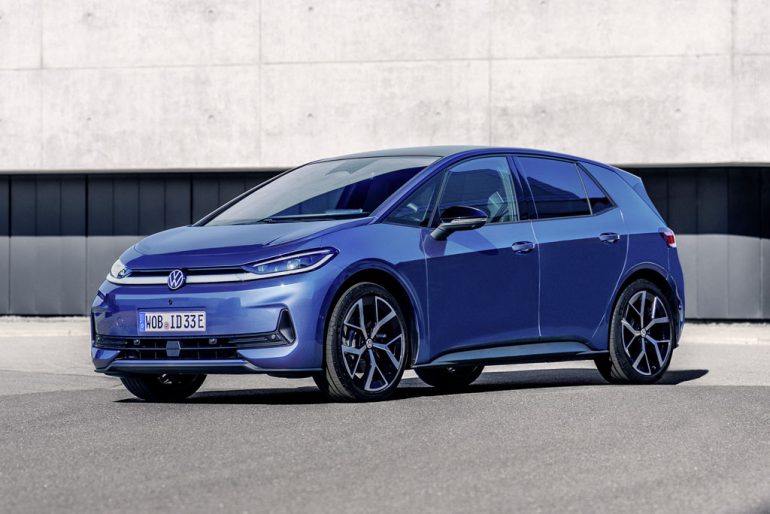
Volkswagen’s new ID.3 Neo feels like more than just a routine refresh. It looks like a course correction. For a brand that has taken its share of criticism over awkward EV styling and frustrating cabin interfaces, this new electric hatchback sends a clear message that VW has been listening. The ID.3 Neo may be aimed at Europe, but the real story here is what it says about where Volkswagen is headed next.
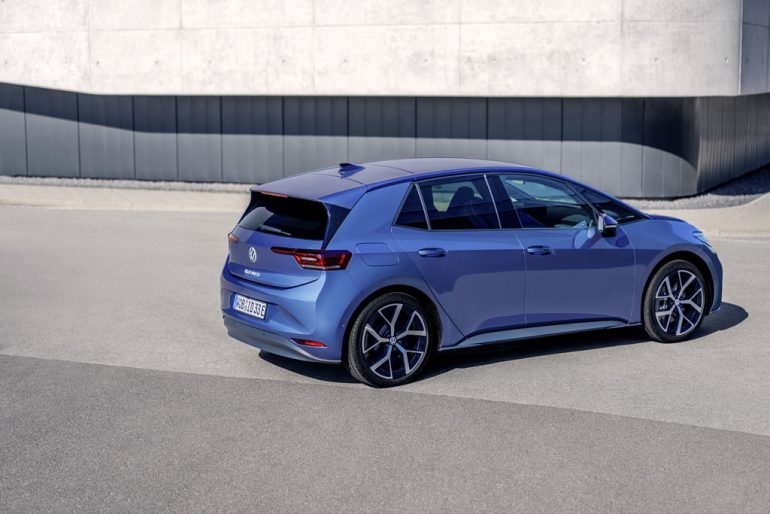
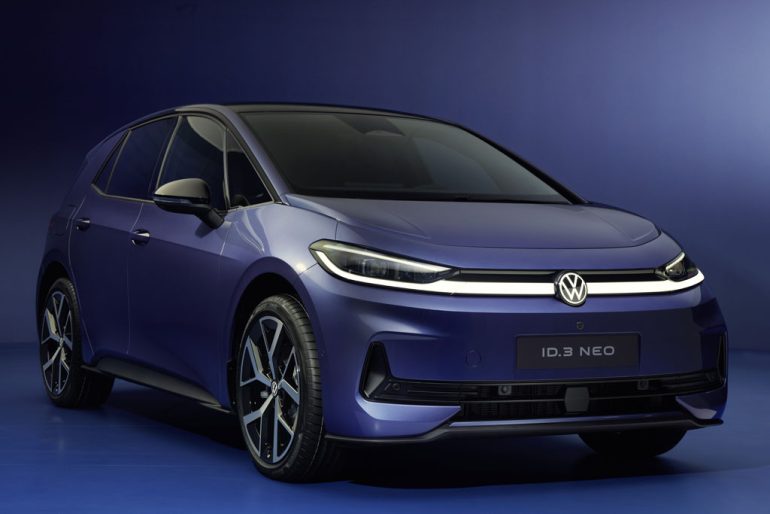
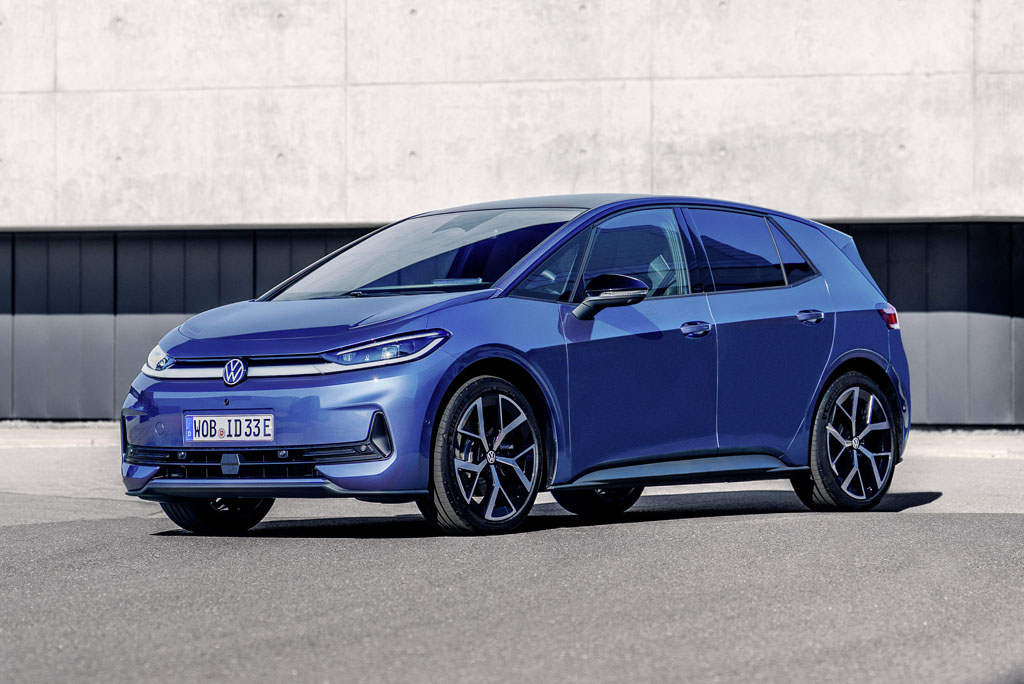
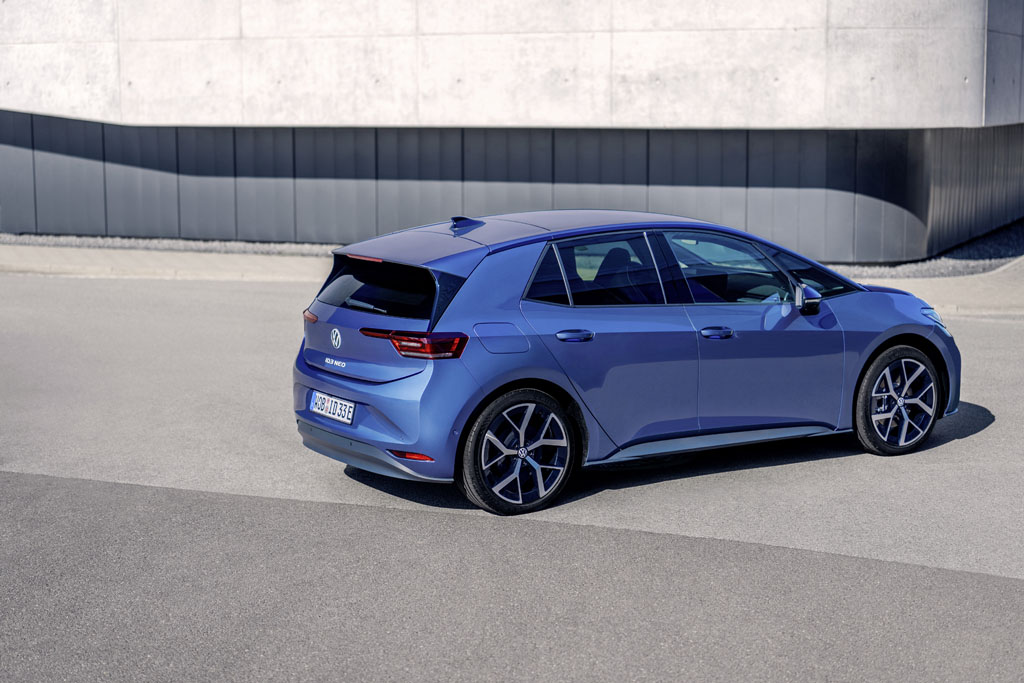
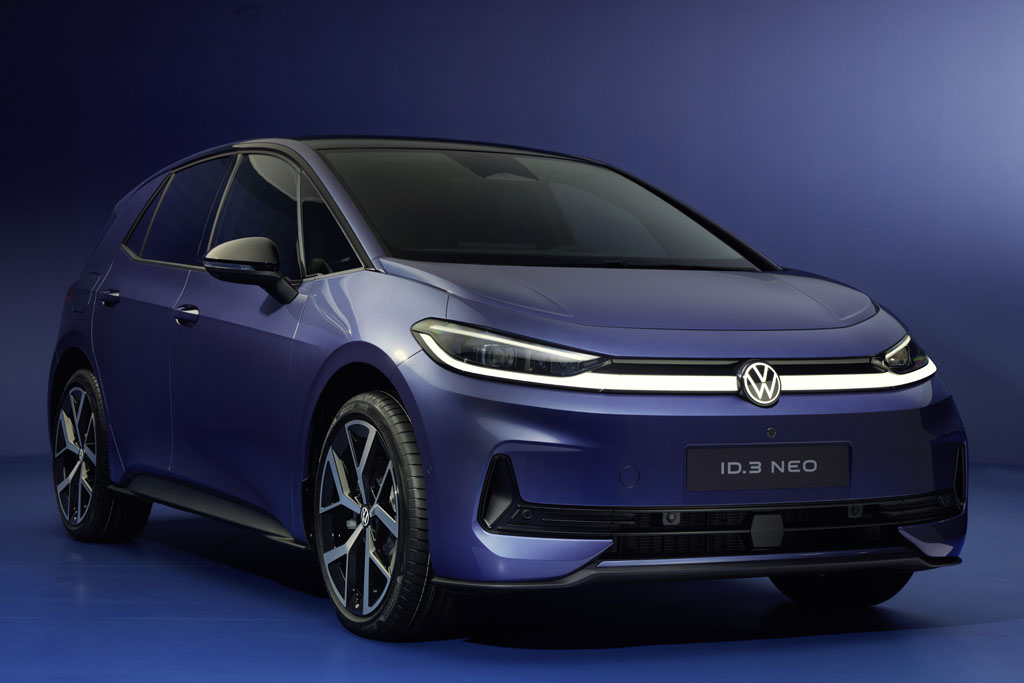
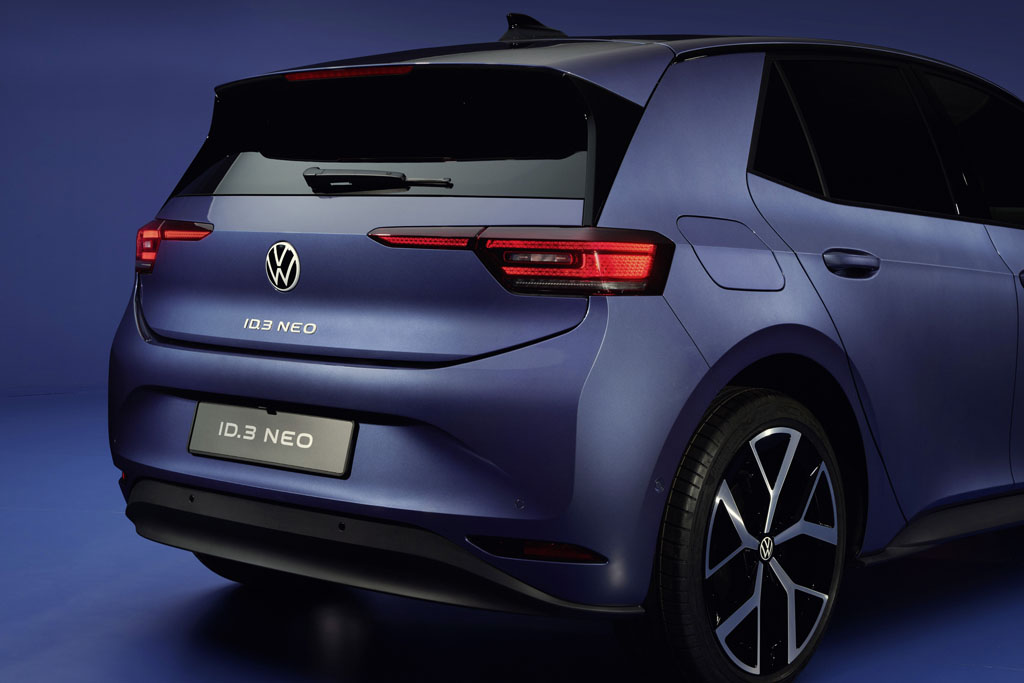
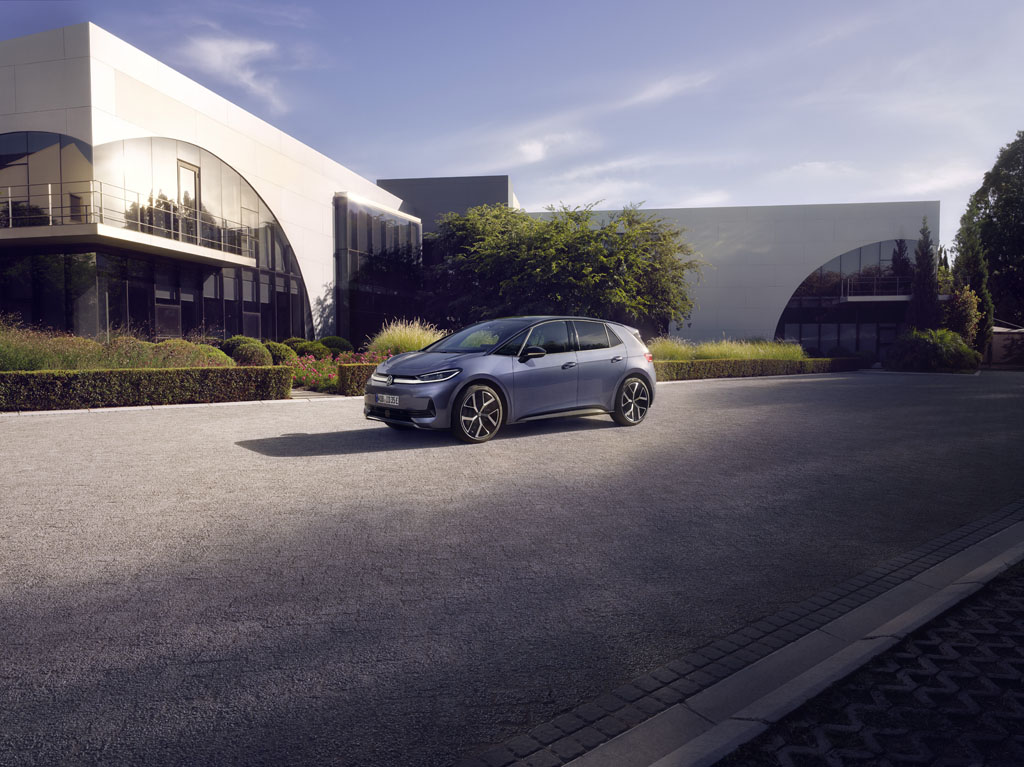
At first glance, the biggest win is the design. The original ID.3 always felt a little too eager to prove it was futuristic, and that approach did not age especially well. The Neo moves in a cleaner, more confident direction with a sharper front end, slimmer lighting, and a more mature overall shape. Volkswagen also backed away from some of the visual clutter that made earlier ID models feel overstyled. The result is a hatchback that finally looks like it belongs in the same conversation as the brand’s strongest design efforts.
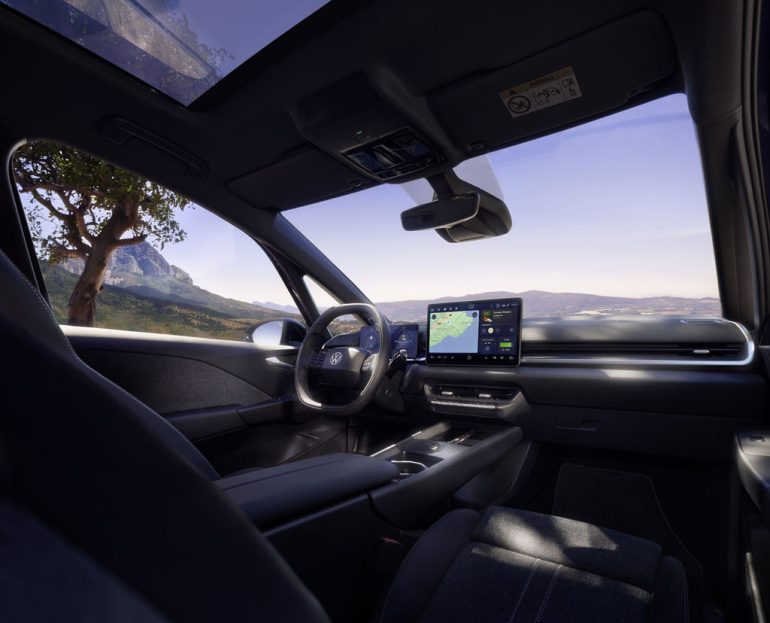
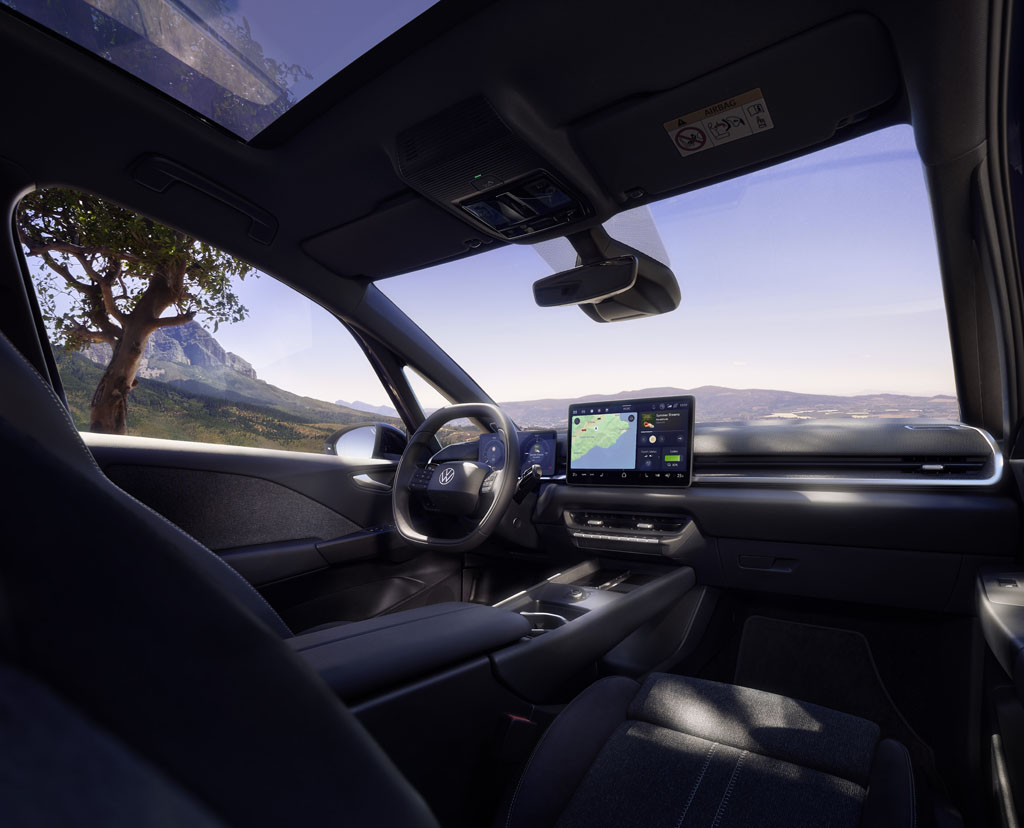
The more important change might be inside, where Volkswagen appears to have finally admitted that not every control needs to live behind a screen or a touch-sensitive surface. The ID.3 Neo brings back physical buttons on the steering wheel, adds proper climate controls beneath the central display, and even restores a real volume knob. That may sound like a small thing, but it is exactly the kind of practical improvement buyers notice every single day. In a world where too many automakers keep overcomplicating basic functions, this feels like a welcome return to common sense.
Volkswagen also seems to have taken the overall cabin presentation more seriously this time around. The bigger displays look better integrated, the materials are said to be more premium, and the entire space appears more polished than before. It no longer comes across like an interior built around a tech checklist. Instead, it looks more like a place designed for actual people who want their car to feel intuitive, comfortable, and well put together. That may be the most encouraging sign of all.
Underneath the improved styling and better ergonomics, the ID.3 Neo gets some meaningful hardware upgrades too. Volkswagen says the hatchback will be offered with three power levels, and the larger battery model pushes range up to a claimed 391 miles on the WLTP cycle. That number will naturally look different under EPA testing, but it still points to a genuinely useful electric hatch with enough range to make everyday use easy and longer drives less stressful. Faster charging, updated driver-assistance features, and available extras like an augmented-reality head-up display and vehicle-to-load capability help round out the package.
What makes the ID.3 Neo stand out, though, is not any one feature. It is the sense that Volkswagen finally remembered what people liked about the brand in the first place. Good proportions, sensible controls, understated design, and an interior that does not fight you. Even if this specific model never reaches the U.S., the ideas behind it absolutely should. If Volkswagen applies this same mindset across the rest of its global lineup, the ID.3 Neo could end up being remembered as the moment the company’s EV strategy started to feel truly Volkswagen again.

Darryl Taylor Dowe is a seasoned automotive professional with a proven track record of leading successful ventures and providing strategic consultation across the automotive industry. With years of hands-on experience in both business operations and market development, Darryl has played a key role in helping automotive brands grow and adapt in a rapidly evolving landscape. His insight and leadership have earned him recognition as a trusted expert, and his contributions to Automotive Addicts reflect his deep knowledge and passion for the business side of the car world.


