
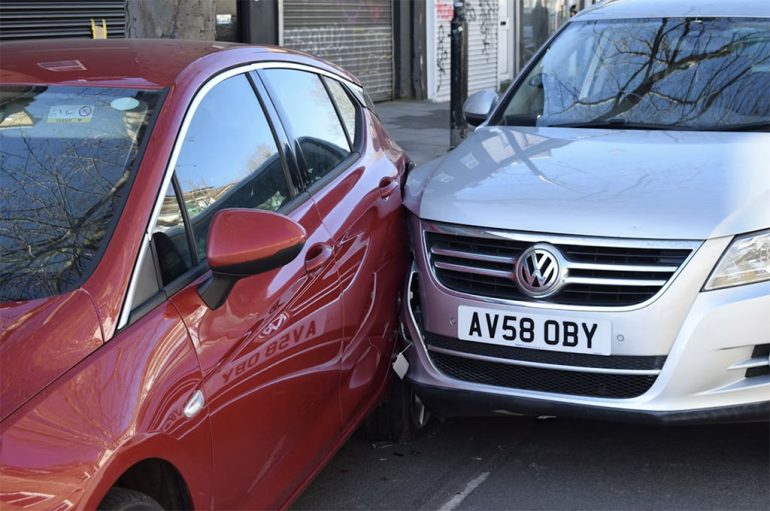
A crash scrambles your priorities. You are trying to stay safe, answer questions, and get home, while your body is still running on adrenaline. This is when people make choices that seem minor but create problems later, in medical care, insurance, and proof. Your job is not to prove a point at the scene. Your job is to protect your health and the record. In this article, we’ll break down the common mistakes you should avoid after a crash.
If you can do it safely, stay put and call 911. Swap names, phone numbers, plate numbers, and insurance details with the other driver. Then document the scene as if you will not get a second chance.
Take wide photos of the intersection, traffic lights, lane markings, and final vehicle positions, then close shots of damage on both cars. Get witness contacts early; people leave fast. If fault is already being argued, a quick call to Davies Hothem Injury Law can help you understand what to collect and what to avoid saying.
Adrenaline can mask pain. Some of the most common crash injuries take hours, or even a full day, to show up. Neck and back strain, concussions, and shoulder injuries can feel mild at first, then tighten up overnight.
Get checked the same day when possible, even if it is urgent care. Follow the care plan and attend referrals. Keep discharge notes, prescriptions, and imaging orders. Be sure to also track symptoms for a week or two, pain level, headaches, dizziness, sleep, and what movement is limited. This supports recovery and keeps your timeline clear.
Insurance calls can feel casual, but they are built to capture statements. Stick to facts you know, where it happened, when it happened, and what was damaged. Do not guess speed, distance, or who should have done what. Avoid labels like ‘I’m okay’ if you have not been evaluated. Be sure to ask for the claim number and next steps. If they request a recorded statement, pause and get clarity first, because it can be replayed later.
Proof disappears quickly. Cars get repaired, tow yards move vehicles, and dash cam footage overwrites itself. Back up photos and videos the same day. Request the police report as soon as it is ready and check it for obvious errors.
You should also save towing invoices, rental agreements, pharmacy receipts, and appointment confirmations. If the car is totaled, photograph the interior and personal items as well. A clean file helps to reduce delays.
A quick settlement can feel like relief, especially when bills hit. The risk is that you may not know the full medical picture yet. If treatment expands, that early number can trap you. Give yourself time to understand follow-up care, time off work, and any lasting limits. Stay off social media in the meantime. Even a normal photo can be twisted. Ensure you keep updates private until the case is resolved.
Your job after a crash is not to win an argument at the curb. It is to protect your health and protect the facts. Get medical care, create a clean record, and keep communication simple. Save documents in one folder, take notes after every call, and keep a basic timeline of dates and costs.

Automotive Addicts Contributors are a collective of guest writers, industry professionals, and passionate enthusiasts who bring fresh perspectives to the Automotive Addicts platform. Focused on delivering timely news, in-depth reviews, and unique insights, these contributors help keep the site dynamic and engaging. Many use the platform to expand their reach and build credibility within the automotive media world, adding depth and variety to the content that drives the Automotive Addicts community.


