
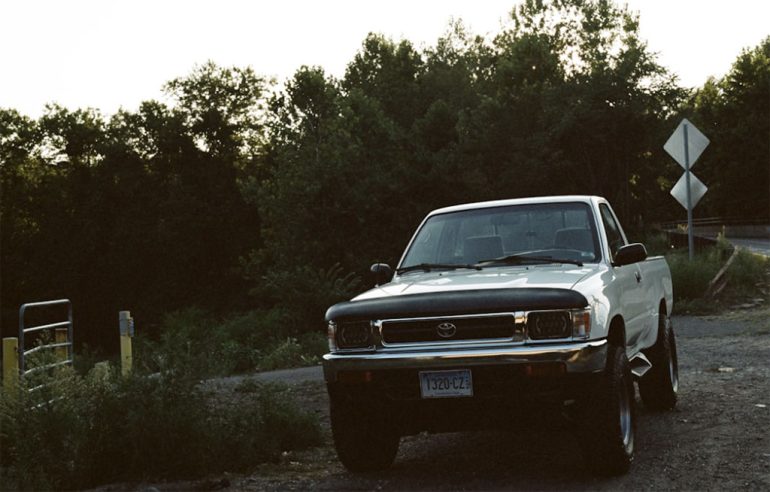
Truck people love capability. Towing capacity, payload, ground clearance, the numbers that mean a vehicle can actually do a job. Yet for anyone who lives or works on rural land, a capable pickup is quietly perfect for one overlooked job. That job is knocking down a small fire before it becomes a catastrophe.
That capability is not hypothetical. A bed-mounted unit like BLZ Fire Skids turns the same truck you use to haul and tow into a mobile first line of defense against spot fires. Used within its limits, it is one of the most practical upfits a rural truck owner can carry. This guide covers why a pickup suits the role, and how to do it responsibly.
Payload and access. Trucks go where fires start.
The same bed rated to tow and haul heavy loads easily carries a water tank, pump, and hose. Four-wheel drive gets that gear down a fire road or across a field. A pickup is, in effect, a purpose-built platform waiting for the right kit.
The point is capability. Your truck is already the hard part.
As tough as the truck. Fire work is brutal.
A skid rides through the same dust, heat, and vibration as a rig running boron steel skid plates over rocks. Cheap gear fails when you need it most. Look for a unit built to genuine commercial-grade standards.
The rule is durability. The kit must match the mission.
Rural owners, mostly. Distance is the deciding factor.
If your home or land sits far from the nearest fire station, minutes matter enormously in a fire’s first moments. Ranchers, farmers, and remote homeowners gain the most from on-site suppression. A ready skid can buy the minutes that decide whether a fire stays small. For them, a skid is less a gadget than basic insurance.
The point is proximity. The farther out you are, the more it helps.
Never. This is the line that matters.
A fire skid is for prevention and small spot fires only, full stop. Public safety guidance such as the CDC information on wildfire safety is clear that real wildfires demand professional crews. Call 911 immediately, and use a skid only for what it is designed to handle.
The rule is limits. Know exactly where yours end.
Preparation and defensible space. Gear is one layer.
Fire service resources, including the IAFC guidance on wildland fire, stress readiness long before flames appear. Clearing brush, planning escape routes, and training matter as much as any equipment. A skid works best as part of a broader plan.
The point is layers. No single tool does it all.
Methodically, not casually. Do it right.
The steps to outfit a truck responsibly are these 5:
Each step matters. Together they turn capability into genuine readiness.
There is real satisfaction in a truck that can do more than commute, and adding fire-response capability taps straight into that. But this particular upgrade comes with a duty to understand its limits. Use a skid for prevention and small spot fires, keep the fire department on speed dial, and treat it as one part of a bigger readiness plan. Done that way, your pickup becomes not just capable, but genuinely useful when it counts most.
Most half-ton and larger trucks can, but you must check the payload rating first. A full water tank is heavy, so the skid plus water has to stay within your truck’s limits. Beyond capacity, secure mounting to proper bed anchor points and balanced weight distribution matter for safe handling. If in doubt, choose a smaller-capacity unit or confirm the specifications with the manufacturer before buying.
For private use on your own property, a fire skid is generally legal to own and operate in most areas, but rules vary by location. It is intended for prevention and spot-fire response, not for responding to public emergencies. Always check local regulations, and remember that owning suppression gear never replaces calling 911 or the role of official fire services in an actual wildfire.
Capacities vary widely, from compact UTV units holding a few dozen gallons to larger truck-bed systems carrying much more. More water means more reach but also more weight, so the right size depends on your vehicle’s payload and your needs. For small spot fires and prevention, even a modest tank is useful. Match the capacity to what your truck can safely carry.
It might, but do not assume so. Some insurers view on-site fire preparation, alongside defensible space and other measures, favorably in high-risk areas. Others do not offer a specific discount. It is worth asking your provider directly and documenting your wildfire-readiness steps. Even without a discount, the protective value of acting quickly on a small fire can be significant.

Automotive Addicts Contributors are a collective of guest writers, industry professionals, and passionate enthusiasts who bring fresh perspectives to the Automotive Addicts platform. Focused on delivering timely news, in-depth reviews, and unique insights, these contributors help keep the site dynamic and engaging. Many use the platform to expand their reach and build credibility within the automotive media world, adding depth and variety to the content that drives the Automotive Addicts community.

Automotive Addicts Contributors are a collective of guest writers, industry professionals, and passionate enthusiasts who bring fresh perspectives to the Automotive Addicts platform. Focused on delivering timely news, in-depth reviews, and unique insights, these contributors help keep the site dynamic and engaging. Many use the platform to expand their reach and build credibility within the automotive media world, adding depth and variety to the content that drives the Automotive Addicts community.


