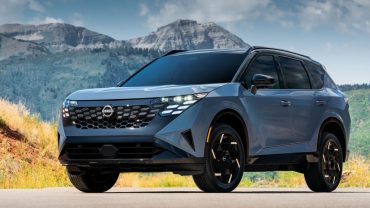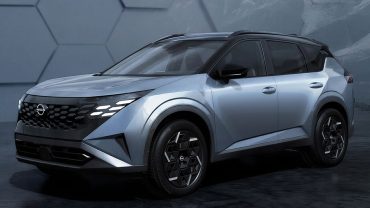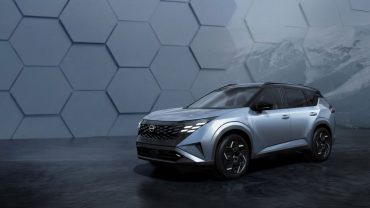
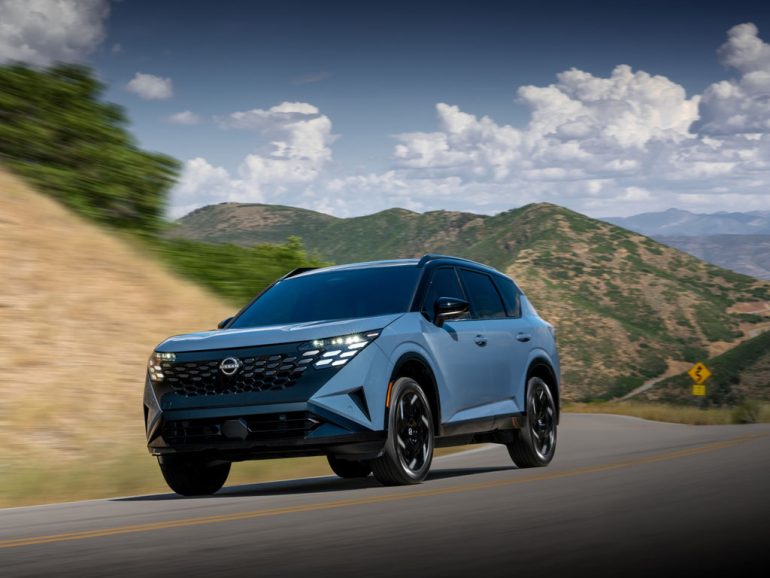
Nissan is preparing for a significant shift in its North American powertrain strategy, and the all-new 2027 Nissan Rogue Hybrid e-POWER will be the vehicle that gets things moving. The automaker plans to make hybrids its primary powertrain in North America by 2030, putting considerably more emphasis on gasoline-electric models as it works to close the hybrid gap with Toyota and Honda. Nissan Americas Chairman Christian Meunier says the Rogue e-POWER will arrive at U.S. dealerships in November 2026, kicking off a broader hybrid rollout that will eventually reach smaller crossovers and larger trucks.
The Rogue is a logical place to start. Compact crossovers remain among the most important vehicles in the American market, and hybrid versions of the Toyota RAV4, Honda CR-V and other popular models have made electrification feel increasingly mainstream. Nissan believes hybrids could quickly account for 30 to 40 percent of U.S. sales in this segment. With the Rogue already one of the company’s most recognizable and important North American products, adding a compelling hybrid gives Nissan a much-needed answer for shoppers who want better fuel economy without plugging in.
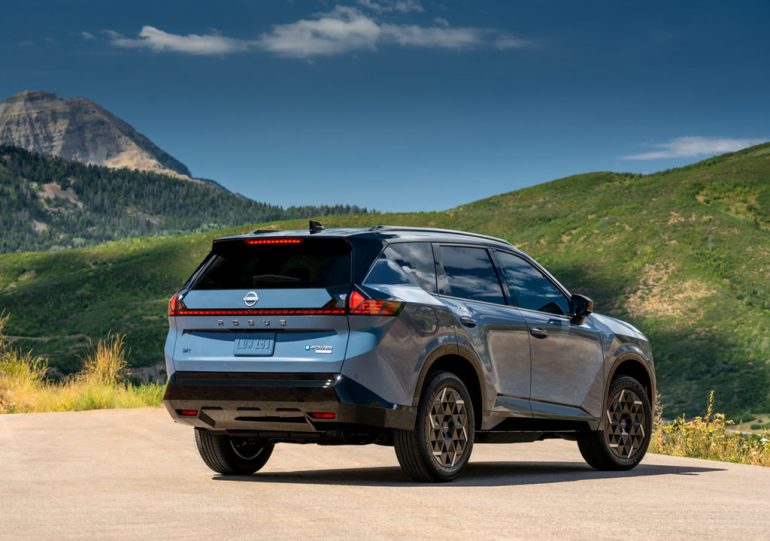
What makes the 2027 Rogue Hybrid particularly interesting is that Nissan isn’t simply following the conventional hybrid formula. Its third-generation e-POWER system uses a turbocharged 1.5-liter three-cylinder gasoline engine as a generator, while electric motors are responsible for actually driving the wheels. There is no traditional transmission connecting the gasoline engine to the wheels. That should give the Rogue some of the immediate response and smooth acceleration associated with an EV while retaining the convenience of filling up at a gas station. The gasoline engine itself produces 148 horsepower and 171 lb-ft of torque, but total system output is a much more meaningful 225 horsepower through the electric drive system. Dual-motor all-wheel drive is standard.
Efficiency is naturally a major part of the equation. Nissan estimates the Rogue Hybrid will achieve as much as 40 mpg in the city, 36 mpg on the highway and 38 mpg combined, depending on configuration and final ratings. A 2.1-kWh lithium-ion battery stores energy generated by the engine and regenerative braking, while Nissan’s e-Pedal technology allows the driver to handle much of the acceleration and deceleration using the accelerator pedal. It is a setup Nissan has had plenty of time to refine overseas, with nearly 2 million e-POWER-equipped vehicles sold globally since the technology debuted in 2016.
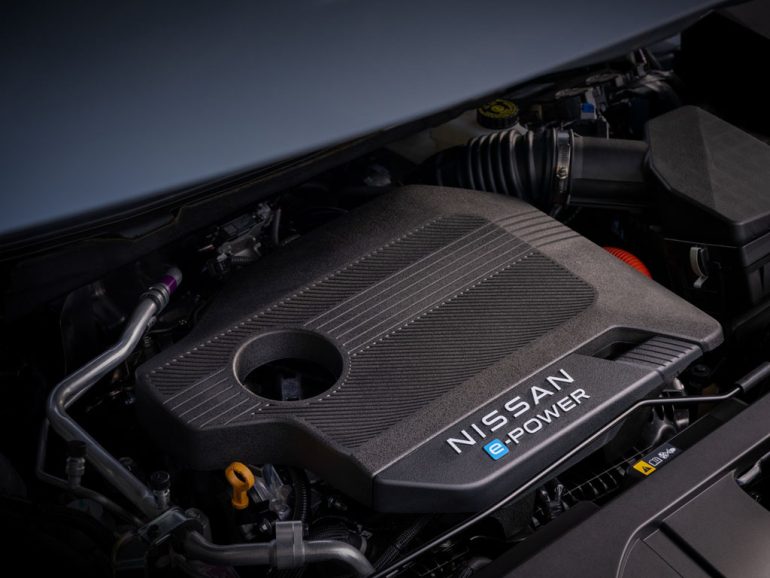
Pricing should put the Rogue Hybrid squarely into the heart of the competitive compact hybrid SUV market. The 2027 Rogue Hybrid SV starts at $35,490, while the SR begins at $37,490 and the Platinum starts at $43,490, before destination charges and options. Nissan will initially launch the SR equipped with the SR Technology Package in fall 2026, with the broader SV, SR and Platinum lineup arriving in early 2027. The Rogue Hybrid also brings a redesigned exterior, upgraded cabin materials, available 14.3-inch displays, Google built-in technology and an enhanced ProPILOT Assist system, helping make this more than simply an electrified version of the familiar Rogue.
More importantly, Nissan isn’t treating the Rogue as a one-off experiment. The smaller Kicks is also expected to receive e-POWER technology, which could give Nissan a relatively affordable hybrid crossover positioned below the Rogue. Farther up the lineup, the company is exploring new body-on-frame models with V6 and V6 hybrid powertrains, potentially including future Nissan and Infiniti pickups and SUVs. Nissan has already confirmed that the Xterra will return, with U.S. production targeted for late 2028, and the automaker is considering a broader family of American-built vehicles sharing that architecture. Bringing hybrid technology into trucks and rugged SUVs could give Nissan an opportunity to differentiate itself in categories where electrified choices are still comparatively limited.
For Nissan, the bigger story is that hybrids are quickly moving from a supporting role to the center of its North American product strategy. The company still has battery-electric vehicles in its future plans, but e-POWER offers a potentially easier transition for customers who like electric-motor propulsion without wanting to think about charging infrastructure or plugging in at home. The 2027 Rogue Hybrid will be the first real test of whether that formula resonates with American buyers. If Nissan can deliver the promised efficiency, smooth electric-like driving experience and competitive pricing, the Rogue e-POWER could become one of the most consequential new Nissan models in years, while giving the RAV4 Hybrid and CR-V Hybrid some fresh competition.

Mike Floyd is a finance executive by trade and a car enthusiast at heart. As a CFO with a keen eye for detail and strategy, Mike brings his analytical mindset to the automotive world, uncovering fresh insights and unique perspectives that go beyond the surface. His passion for cars—especially his favorite, the Porsche 911, fuels his contributions to Automotive Addicts, where he blends a love for performance and design with his professional precision. Whether he’s breaking down industry trends or spotlighting emerging innovations, Mike helps keep the site both sharp and forward-thinking.