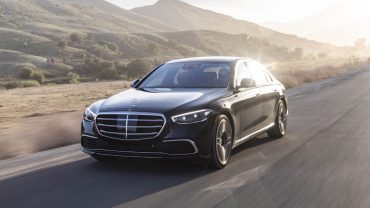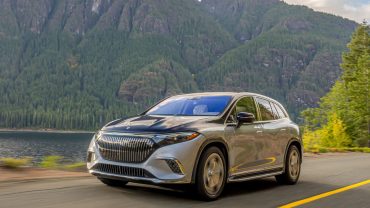
Mercedes-Benz is doing some serious housekeeping for the 2027 model year, dropping three notable vehicles as it continues to rethink a lineup that has become increasingly complex in recent years. The Mercedes-Benz EQE Sedan, Mercedes-AMG S63 E Performance, and Mercedes-Maybach EQS 680 SUV are all being discontinued for 2027. The changes point to a broader strategy of simplifying the portfolio, particularly as Mercedes begins moving away from treating electric vehicles as a completely separate family of products.
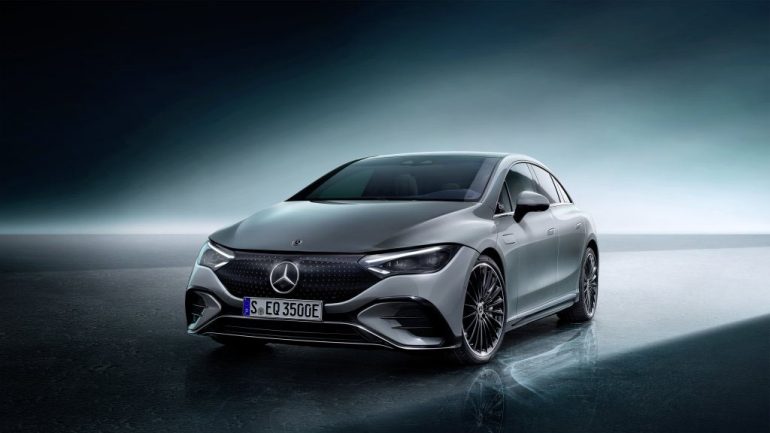
The EQE Sedan is perhaps the least surprising departure. Mercedes introduced it as an electric counterpart to the traditional E-Class, but the company’s newer EV strategy is increasingly centered around familiar nameplates instead of dedicated EQ-branded models. That shift is already visible with the electric CLA and upcoming battery-powered versions of established Mercedes vehicles. Both the regular EQE Sedan and AMG EQE are going away, bringing a relatively short chapter for the sleek electric four-door to an end. The EQE SUV, however, continues for 2027, so the EQE name has not disappeared completely.
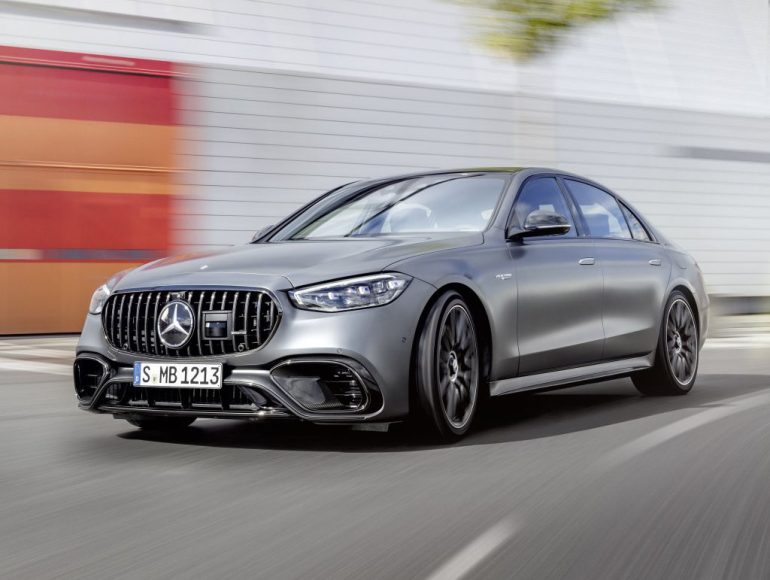
More surprising is the departure of the Mercedes-AMG S63 E Performance. The current S63 pairs a twin-turbocharged 4.0-liter V8 with a plug-in hybrid system to produce a staggering 791 horsepower and 1,055 lb-ft of torque, making it one of the most powerful luxury sedans Mercedes has ever built. Its disappearance leaves a sizable performance hole at the top of the S-Class range. Mercedes has not announced a direct replacement, but AMG continues investing in high-performance combustion engines, including V8s, so the S63 badge may not be gone permanently.
Mercedes-Maybach is also losing its most extravagant electric SUV, with the EQS 680 SUV leaving the U.S. lineup after 2026. The Maybach EQS 680 took the already plush EQS SUV and pushed it considerably further with an ultra-luxurious rear cabin, lavish materials, Maybach-specific styling, and a price that placed it firmly in six-figure territory. Its departure does not necessarily mean Maybach is retreating from electric vehicles. Instead, future electric Maybach models are more likely to follow the rest of Mercedes by being integrated into familiar model families rather than existing as standalone EQ products.
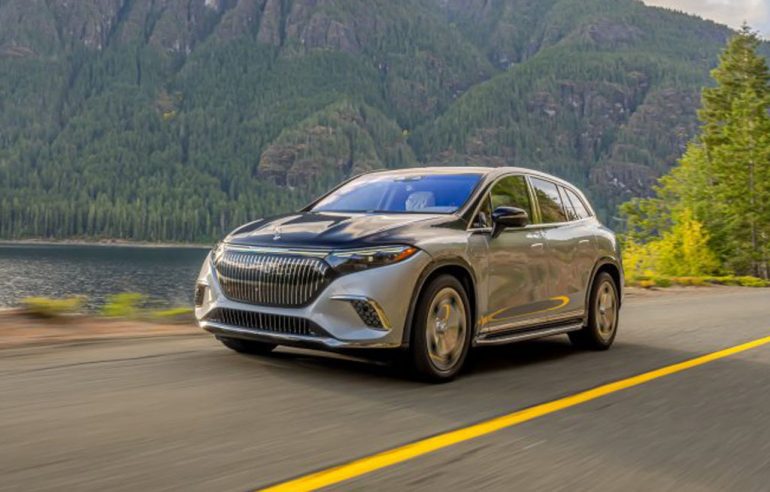
That shift says a lot about how Mercedes’ EV plans have evolved. The company initially gave its EQ models highly distinctive styling and separate identities, but newer electric vehicles are moving closer to Mercedes’ traditional design language and naming structure. The strategy makes sense as buyers increasingly shop across gas, hybrid, and electric versions of familiar vehicles rather than viewing EVs as a completely different category. Mercedes is still investing heavily in electric vehicles, but it appears to be simplifying how those products are presented to customers.
The 2027 cuts may not be the last as Mercedes continues reorganizing its portfolio around changing demand and new technology. The EQE Sedan and Maybach EQS 680 SUV represent an earlier era when automakers believed dedicated EV branding would be essential, while the S63 E Performance shows that even highly specialized performance models are not immune from lineup consolidation. Mercedes is not backing away from luxury, performance, or electrification, but it is clearly becoming more selective about how many different models it needs to deliver all three.

Lloyd Tobias is a seasoned automotive journalist and passionate enthusiast with over 15 years of experience immersed in the world of cars. Whether it’s exploring the latest advancements in automotive technology or keeping a close pulse on breaking industry news, Lloyd brings a sharp perspective and a deep appreciation for all things automotive. His writing blends technical insight with real-world enthusiasm, making his contributions both informative and engaging for readers who share his love for the drive. When he’s not behind the keyboard or under the hood, Lloyd enjoys test driving the newest models and staying ahead of the curve in an ever-evolving automotive landscape.