
Most of the cars on American lots today are the product of a supply chain that ignores the border. Engine blocks leave plants in the Midwest or South, stamped panels and wiring harnesses follow them into Mexico, and finished modules or complete vehicles often come back north.
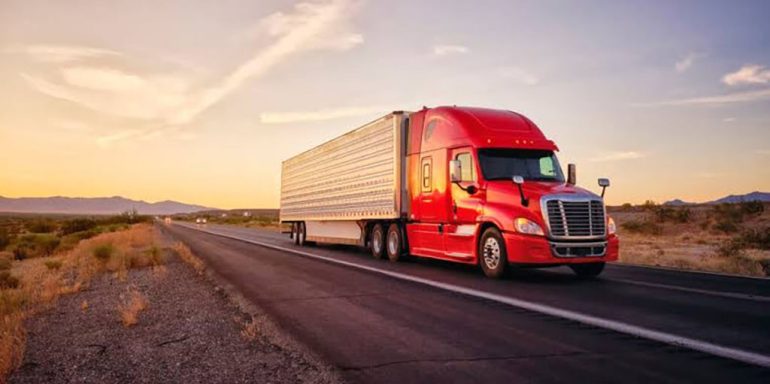
Behind that dependence is a constant flow of trailers: FTL freight to Mexico carries full loads of engines, stamped parts, and components across the border every day, so plants on both sides can keep building on schedule.
So long as the trailers keep coming, the facilities remain open, and the pricing at the facility remains consistent. Once they stop, the effects are immediate.
Any new tariff or longer inspection at San Ysidro, Calexico, San Luis, Laredo, or Pharr immediately adds cost and time. Steel coils, aluminum rolls, and unfinished engine components arrive later or cost more, and the factories that need them feel it within a day or two.The scale of the traffic is still huge.
Tariffs have dented the flow but not the dependence: as Mexico News Daily reported, drawing on U.S. Commerce Department data, Mexico shipped $85.7 billion in cars, trucks, buses, and auto parts to the United States in the first half of 2025, accounting for 39.4% of all U.S. automotive imports, more than Japan, Canada, and South Korea combined, even as the new duties pushed its monthly exports lower.
From the statistics, there is no room for any sort of uncertainty: American produstion still relies on the manufacture of components in Mexico, and vice versa.
| Supply Corridor | Primary Southbound Freight | Manufacturing Role |
| US to Northern Mexico | Raw sheet metal, engine blocks, cast brackets | Feeds tier-1 and tier-2 metal stamping plants |
| US to South/Central Industrial Hubs | Electronics, wiring harnesses, transmission gears | Keeps high-volume vehicle assembly on schedule |
There is very little room for error under just-in-time manufacturing systems. One truckload of transmission housing parts late by four hours can bring an assembly line to a halt and cost tens of thousands of dollars per hour of production that the facility cannot do while the factory remains closed. That is precisely why most vendors insist on full-truckload capacity.
There is no intermediary handling in direct shipments, and they reduce the risk of damage for FTL freight to Mexico during transit.
Getting freight into Mexico is mostly preparation. Documents have to be right days before the trailer shows up. Carriers need valid insurance and safety credentials on both sides of the line. Drivers need real experience with the inspection process. When one crossing backs up, the load may have to switch to another without missing the plant’s receiving window.
Weather, construction sites, and changes in rules still cause late revisions. The teams that manage these shipments always manage them like they were short-term projects: locking capacity in advance, allocating equipment for the shipment, and communications that start immediately after any deviation from the plan occurs.
Trade rules will keep changing. The necessity for dependable southbound capacity will remain constant. As long as the vehicle demand within USA is high, the steady flow of freight into Mexico will be one of the pillars of the modern car market.
Companies that lock capacity early and handle documentation carefully absorb the policy noise without stopping production.
The cars on the lot are only as steady as the trailers that feed the factories that build them. Southbound freight is not a side note-it is one of the central channels keeping the industry alive.

Automotive Addicts Contributors are a collective of guest writers, industry professionals, and passionate enthusiasts who bring fresh perspectives to the Automotive Addicts platform. Focused on delivering timely news, in-depth reviews, and unique insights, these contributors help keep the site dynamic and engaging. Many use the platform to expand their reach and build credibility within the automotive media world, adding depth and variety to the content that drives the Automotive Addicts community.

Automotive Addicts Contributors are a collective of guest writers, industry professionals, and passionate enthusiasts who bring fresh perspectives to the Automotive Addicts platform. Focused on delivering timely news, in-depth reviews, and unique insights, these contributors help keep the site dynamic and engaging. Many use the platform to expand their reach and build credibility within the automotive media world, adding depth and variety to the content that drives the Automotive Addicts community.


