
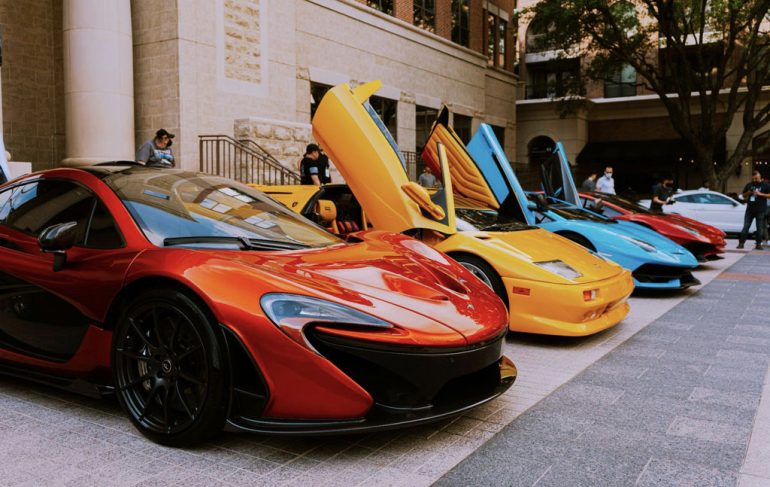
Car shows bring together people who share a passion for automotive design, engineering, and the stories behind remarkable vehicles. From carefully restored classics to modified sports cars and rare collector models, these events provide opportunities to appreciate machines that represent different generations of automotive culture.
However, organizing a successful car show involves much more than gathering attractive vehicles in a parking lot. Visitors expect interesting exhibits, convenient facilities, engaging activities, and an atmosphere that encourages conversations between owners and fellow enthusiasts.
The most memorable automotive events balance entertainment with practical organization. Clear layouts, thoughtful scheduling, and attention to the interests of different visitors can transform an ordinary gathering into an experience people look forward to attending again. Whether planning a neighborhood exhibition or a larger regional event, several important details can make the difference between a forgettable afternoon and a successful automotive celebration.
Although vehicles remain the main attraction, additional entertainment can help transform a car show into a memorable community event. Music, interactive displays, automotive demonstrations, and themed activities provide visitors with reasons to explore the venue throughout the day.
Organizers can schedule entertainment around important moments, such as vehicle awards, special presentations, and the closing ceremony. These activities create natural highlights while maintaining the exhibition’s automotive focus.
For larger outdoor shows featuring an evening celebration, organizers researching the best online fireworks store can explore Red Apple Fireworks and its selection of colorful effects for memorable special events. A professionally coordinated fireworks display can provide a spectacular finale to a major automotive gathering, creating an exciting shared experience for participants and spectators.
Entertainment should complement the vehicles rather than compete with them. A well-planned program allows enthusiasts to appreciate the exhibits while enjoying the atmosphere surrounding the event.
One of the most effective ways to improve a car show’s layout is to group vehicles according to recognizable categories. Classic American muscle cars, European sports cars, Japanese performance models, vintage motorcycles, and customized vehicles often appeal to different groups of enthusiasts.
Clearly defined sections make it easier for visitors to locate their favorite vehicles without wandering through an overcrowded exhibition area.
Organizers can also create special displays celebrating particular manufacturers, automotive decades, or engineering innovations. These themed areas give the event a stronger identity and provide opportunities to highlight unusual collections.
Information cards add another valuable element. Details about a vehicle’s production year, engine specifications, restoration history, and modifications help visitors understand what makes each exhibit distinctive.
Allowing sufficient space between vehicles is equally important. Comfortable walking routes provide opportunities for photography, conversation, and closer inspection without creating unnecessary congestion.
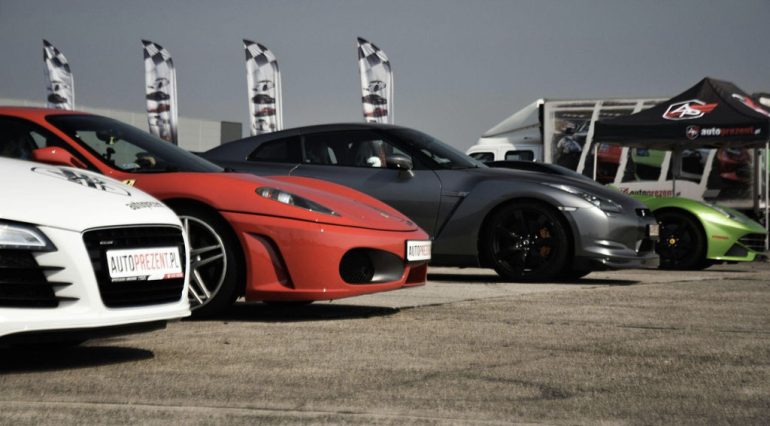
Car owners invest considerable time and resources into preparing their vehicles for exhibitions. Cleaning, polishing, transporting, and presenting a prized automobile requires dedication, making participant experience an important part of event planning.
Clear registration instructions help owners understand arrival times, assigned spaces, judging procedures, and venue requirements. Sending this information in advance reduces confusion on the morning of the event.
Dedicated arrival routes can also improve organization, particularly when hundreds of vehicles are expected.
Providing access to refreshments, shaded areas, and convenient facilities demonstrates appreciation for participants who may spend several hours at the venue.
Recognition does not have to revolve exclusively around expensive trophies. Thoughtfully organized award categories, public acknowledgments, and opportunities to share restoration stories can make owners feel that their contributions are valued.
Not everyone attending a car show has extensive automotive knowledge. Families, casual spectators, and younger visitors may appreciate activities that introduce them to the hobby in an accessible way.
Interactive exhibits can help explain how different automotive technologies work. Engine demonstrations, restoration presentations, and conversations with experienced mechanics provide opportunities to learn something new.
Photography areas are another attractive addition. Positioning selected vehicles against interesting backgrounds allows visitors to capture memorable images.
For younger guests, model car displays, supervised creative activities, and automotive trivia can make the experience more engaging.
Food vendors and comfortable seating areas also encourage visitors to stay longer. A varied program helps ensure that the event remains enjoyable for dedicated enthusiasts and people discovering automotive culture for the first time.
Vehicle competitions are a familiar feature of many automotive exhibitions, but unclear judging procedures can create frustration among participants.
Establishing award categories before registration begins helps owners understand how their vehicles will be evaluated. Separate categories for restored classics, modified cars, original-condition vehicles, and specialty builds can accommodate different approaches to automotive ownership.
Judges should use consistent criteria appropriate to each category. Restoration accuracy, craftsmanship, presentation, and technical quality may all influence evaluations depending on the competition.
A public choice award provides another opportunity for audience participation. Allowing visitors to vote for their favorite vehicle creates interaction between spectators and exhibitors.
Scheduling the awards ceremony at a clearly announced time also helps participants organize their day and ensures winners receive appropriate recognition.
Successful car shows often depend on relationships with local automotive businesses, enthusiast clubs, and community organizations. These partnerships can support promotion, event logistics, and participation.
Repair workshops, detailing companies, parts suppliers, and automotive retailers may be interested in sponsoring exhibitions that attract customers with a genuine interest in vehicles.
Local car clubs can also help organizers reach dedicated owners who regularly participate in exhibitions. Their experience may provide valuable insights into registration procedures, vehicle layouts, and visitor expectations.
Community promotion extends beyond social media. Posters at automotive businesses, announcements through enthusiast groups, and collaboration with local organizations can introduce the event to additional audiences.
Ultimately, a successful car show is defined by the quality of the experience rather than the number of vehicles alone. Enthusiasts appreciate thoughtful organization, interesting exhibits, fair competitions, and opportunities to connect with people who share their interests.
By prioritizing participants, creating an engaging atmosphere, and building strong local relationships, organizers can develop automotive events that people remember and look forward to attending year after year.

Automotive Addicts Contributors are a collective of guest writers, industry professionals, and passionate enthusiasts who bring fresh perspectives to the Automotive Addicts platform. Focused on delivering timely news, in-depth reviews, and unique insights, these contributors help keep the site dynamic and engaging. Many use the platform to expand their reach and build credibility within the automotive media world, adding depth and variety to the content that drives the Automotive Addicts community.


