
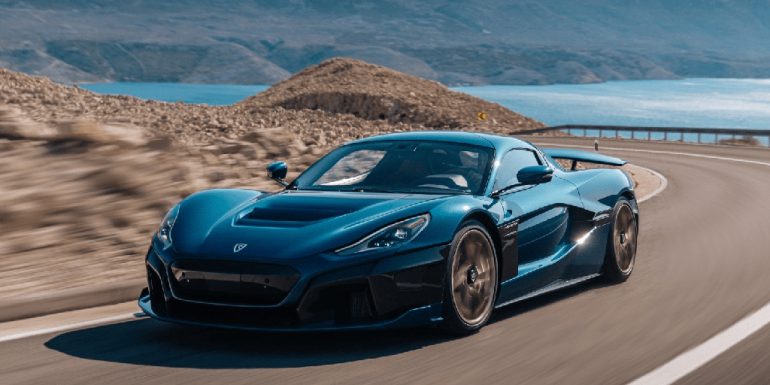
Building one of the fastest cars on the planet apparently doesn’t guarantee that buyers will line up to purchase it, even when that car produces nearly 2,000 horsepower. Croatian hypercar manufacturer Rimac is officially bringing production of its groundbreaking Nevera electric hypercar to an end, and much sooner than originally anticipated. Company founder Mate Rimac revealed that just 71 examples will be produced by the time the final vehicles leave the factory at the end of 2026. That’s considerably fewer than the 150 standard Neveras initially planned when the project was introduced back in 2018. According to reporting from Motor1 and comments shared by Mate Rimac on Instagram, the company is currently completing the final 10 Nevera R models, with all remaining deliveries expected before the year is over. It’s a surprisingly early conclusion for a car that helped redefine what electric performance vehicles could accomplish.
The final production breakdown includes 51 examples of the original Nevera and just 20 examples of the more powerful Nevera R. While those numbers might suggest disappointing commercial results, Mate Rimac sees things somewhat differently. He believes the Nevera accomplished its primary mission by establishing Rimac as a serious manufacturer capable of developing some of the world’s most advanced electric powertrains. The original Nevera certainly made a statement when it arrived with four electric motors producing an astonishing 1,914 horsepower. Rimac claimed a zero-to-60-mph sprint of just 1.85 seconds, a quarter-mile time of approximately 9.1 seconds, and a top speed of 258 mph. Those figures were nearly unimaginable for a production electric vehicle only a few years earlier, and they helped put a relatively small Croatian automaker on the same stage as some of the most established names in exotic automotive performance.
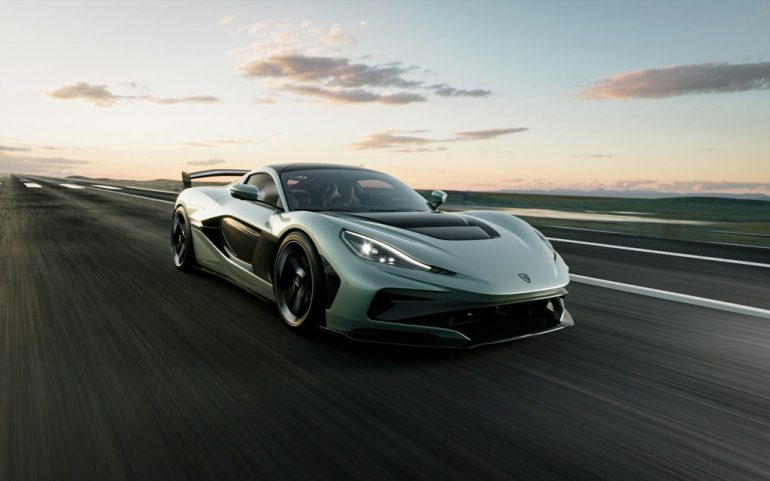
Then came the Nevera R, which somehow managed to make the original car look relatively tame. With 2,107 horsepower, revised aerodynamics, and an even more aggressive performance focus, the R pushed electric hypercar capabilities into another category entirely. Rimac claimed acceleration from zero to 60 mph in just 1.74 seconds, with the quarter-mile dispatched in an incredible 8.23 seconds. It could also reach 124 mph in 4.38 seconds and 186 mph in only 8.66 seconds, numbers that demonstrate just how violently an electric powertrain can deliver acceleration when engineers have virtually unlimited resources at their disposal. Unfortunately, spectacular performance doesn’t necessarily translate into strong demand among wealthy collectors. At this price level, many buyers still place tremendous value on the sound, emotion, and mechanical character of traditional combustion-powered hypercars, something even the most advanced electric vehicle struggles to replicate.
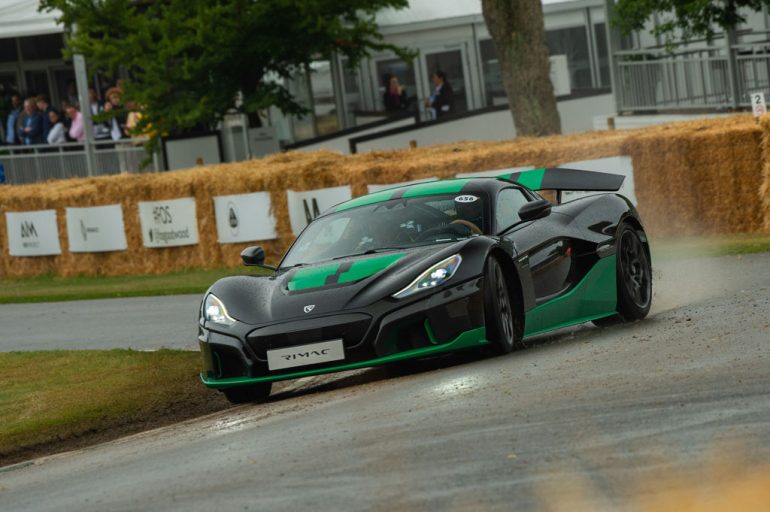
What’s particularly interesting is that Rimac’s future no longer depends entirely on selling its own hypercars. The company has evolved into a significant automotive technology supplier through Rimac Technology, developing advanced battery systems, electric motors, and other high-performance components for outside manufacturers. Its partnership with Bugatti has also become one of the most important developments in the exotic automotive industry, ultimately helping create the remarkable Bugatti Tourbillon. That machine combines a naturally aspirated 8.3-liter V16 with three electric motors for approximately 1,800 horsepower, taking a very different approach from the Nevera’s fully electric configuration. Rimac has also expanded into autonomous transportation through its Verne robotaxi project. In many ways, the Nevera served as an extraordinary demonstration of the company’s engineering capabilities, opening doors to business opportunities that extend well beyond selling a handful of expensive electric hypercars.
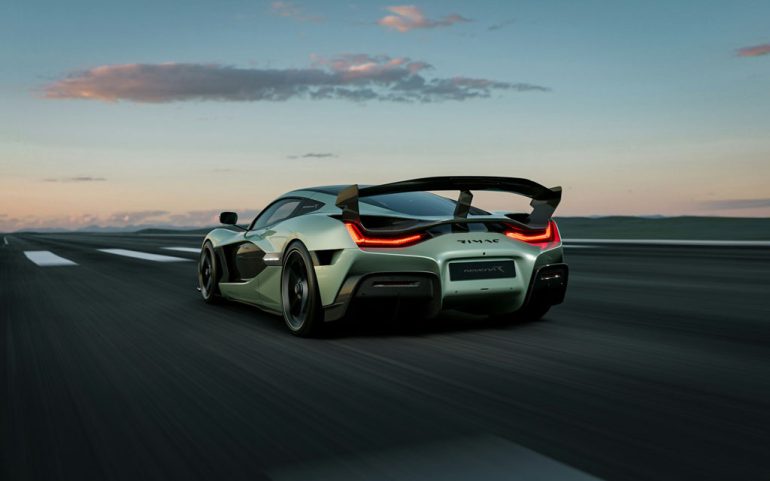
From our perspective, the Rimac Nevera deserves a tremendous amount of respect, even if it never came close to achieving its original production ambitions. There’s no denying that the car helped change perceptions of electric vehicle performance, demonstrating that EVs could compete with, and frequently outperform, some of the fastest combustion-powered machines ever built. At the same time, its limited sales highlight an interesting reality about the exotic car market. Wealthy enthusiasts aren’t necessarily interested in buying the quickest vehicle simply because it has the most impressive acceleration figures. Character, sound, history, and the overall driving experience still matter tremendously. Mate Rimac seems comfortable with that reality, noting that the Nevera helped make possible the factory, technology business, and Bugatti partnership his company enjoys today. With just 71 examples ultimately produced, the Nevera will also be considerably rarer than originally expected, potentially adding to its long-term appeal among collectors. It may be disappearing earlier than planned, but its influence on the future of high-performance automobiles is likely to last considerably longer.

Mike Floyd is a finance executive by trade and a car enthusiast at heart. As a CFO with a keen eye for detail and strategy, Mike brings his analytical mindset to the automotive world, uncovering fresh insights and unique perspectives that go beyond the surface. His passion for cars—especially his favorite, the Porsche 911, fuels his contributions to Automotive Addicts, where he blends a love for performance and design with his professional precision. Whether he’s breaking down industry trends or spotlighting emerging innovations, Mike helps keep the site both sharp and forward-thinking.