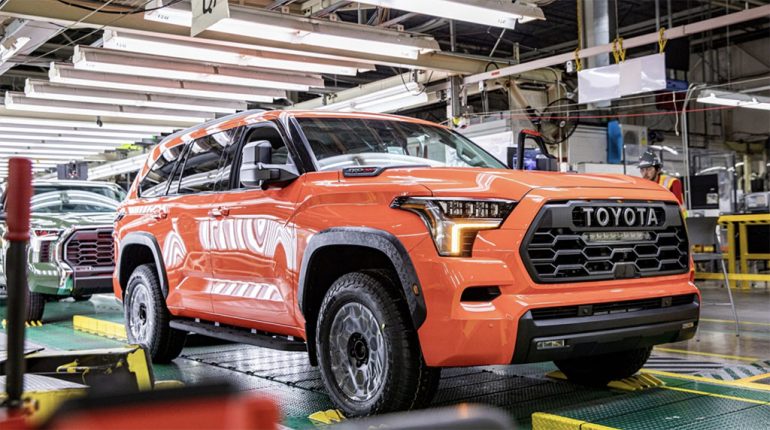
Toyota, Nissan and Honda aren’t about to start building the same cars. They do, however, want to stop writing different rulebooks for some of the things that go into them. The three Japanese automakers are backing a plan to standardize some of the materials and components that buyers rarely see. The goal is to trim production costs as competition from Chinese automakers puts more pressure on Japan’s car industry.
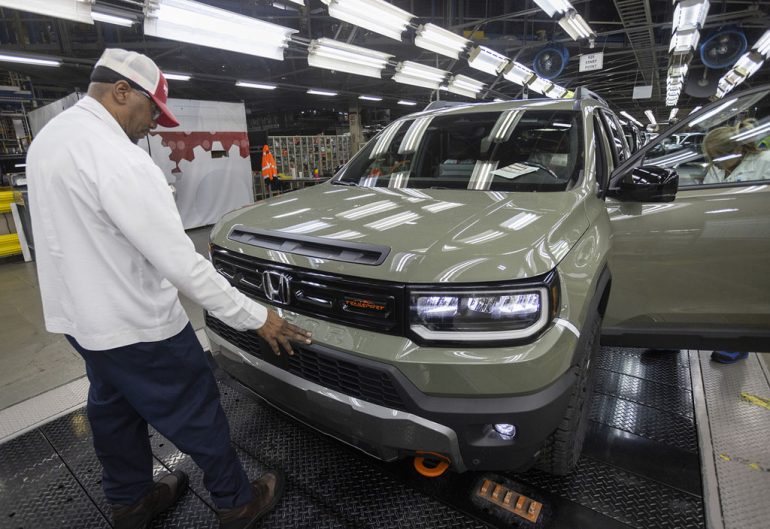
The first round is more about specifications than interchangeable parts. The automakers plan to adopt common quality requirements for steel, align their protocols for plastics and resins, and use the same color codes for wiring harnesses. That last change gives a good sense of what’s at stake. A wire’s color helps identify its function, but it’s not something that makes a Honda feel like a Honda. Agreeing on details like that could spare suppliers some of the work of meeting a different set of requirements for each customer.
Koji Sato, who chairs the Japan Automobile Manufacturers Association and serves as Toyota’s vice chairman, announced the plan at a news conference in Tokyo. Discussions will start with Japanese suppliers before expanding to overseas suppliers. The first standards are expected to take effect in 2027, and the association plans to extend the effort to more components over time.
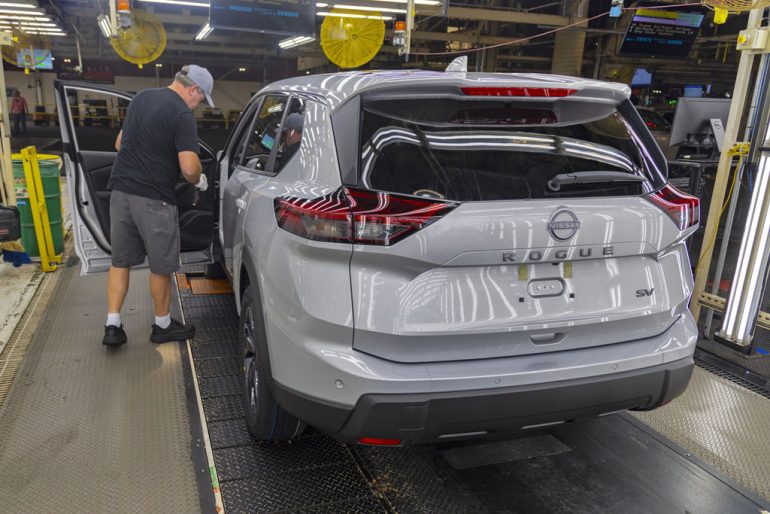
None of this means the next Camry, Accord or Altima will come with a smaller price tag. The bigger opportunity is to spend less on work that doesn’t set one car apart from another and put more of that money into developing future vehicles. Toyota, Nissan and Honda will still have to win buyers on their own. They’re betting they can do that without making their suppliers solve some of the same problems three different ways.

Mike Floyd is a finance executive by trade and a car enthusiast at heart. As a CFO with a keen eye for detail and strategy, Mike brings his analytical mindset to the automotive world, uncovering fresh insights and unique perspectives that go beyond the surface. His passion for cars—especially his favorite, the Porsche 911, fuels his contributions to Automotive Addicts, where he blends a love for performance and design with his professional precision. Whether he’s breaking down industry trends or spotlighting emerging innovations, Mike helps keep the site both sharp and forward-thinking.