
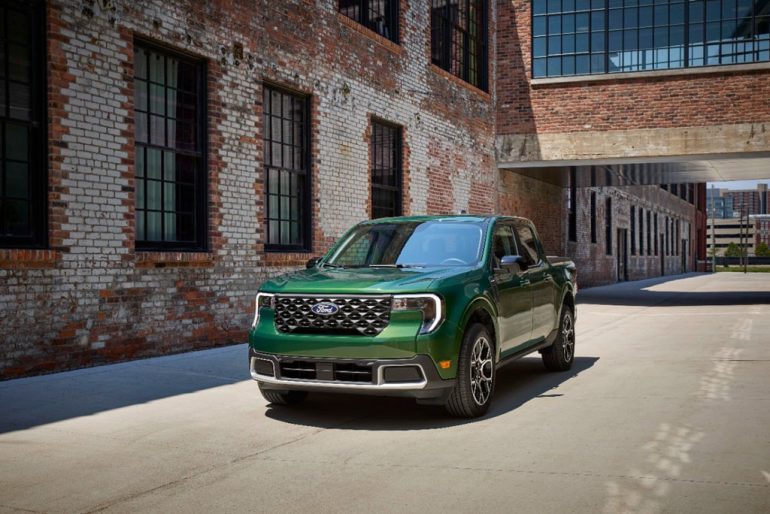
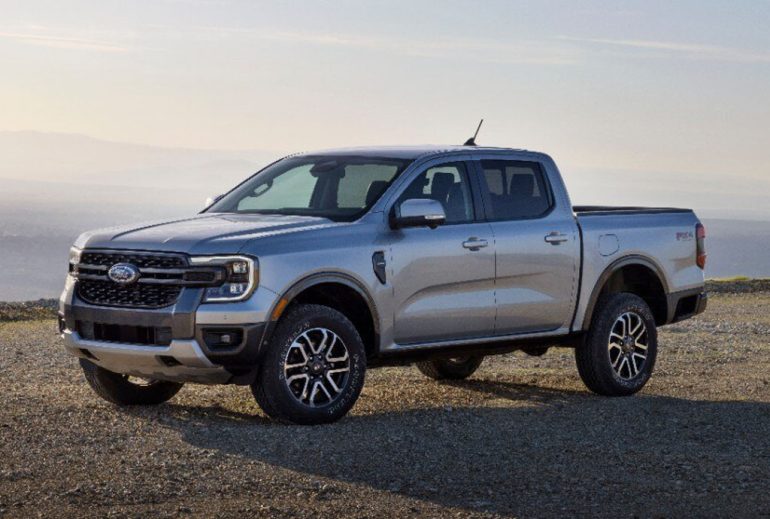
Ford sells two smaller pickups that often end up on the same shopping list. They look like neighbors in the lineup, yet they are built for very different kinds of days. The Maverick is a compact truck designed around commuting and light hauling. The Ranger is a traditional midsize pickup meant for heavier work and rougher terrain.
The right choice depends less on which truck is “better” and more on how you actually drive.
The biggest difference sits under the sheetmetal. The Maverick uses unibody construction, which is closer to a crossover SUV. The Ranger rides on a separate body-on-frame chassis, the way full-size trucks have been built for decades.
| Ford Maverick | Ford Ranger | |
| Segment | Compact pickup | Midsize pickup |
| Construction | Unibody | Body-on-frame |
| Standard powertrain | Hybrid on most trims | Turbocharged gas engine |
| Bed length | About 4.5 feet | About 5 feet |
| Primary strength | Efficiency and easy handling | Towing, payload, off-road durability |
That structural split shapes everything else. The Maverick drives more smoothly and is easier to live with in town, while the Ranger handles heavy loads and rough trails with more confidence.
Seeing both trucks side by side makes these differences easier to judge. Huntley Ford in Illinois is a good example of how the two pickups are configured for different buyers, with the inventory at this Ford dealership illustrating differences in trim levels, powertrains, and equipment across the Maverick and Ranger lineups.
For anyone who spends most of their driving time on the way to work, this is where the Maverick pulls ahead. Its hybrid powertrain pairs a 2.5-liter four-cylinder with an electric motor and does its best work in stop-and-go traffic, where gas engines are least efficient.
The Ranger takes a more conventional approach:
Size matters in daily driving too. The Maverick is close to a foot shorter overall, which makes tight parking garages, narrow streets, and crowded lots far less stressful.
Commuter tip: If most of your miles happen below 45 mph, the Maverick Hybrid’s advantage grows. Highway-heavy drivers will see a smaller gap between the two trucks.
Once the trailer hitch comes into play, the picture flips. The Ranger was engineered for this kind of work, and its numbers show it.
| Capability | Maverick | Ranger |
| Maximum towing | Up to 4,000 lbs (with the 4K Tow Package) | Up to 7,500 lbs (properly equipped) |
| Maximum payload | About 1,500 lbs | Roughly 1,800 lbs, depending on configuration |
| Off-road focus | Tremor trim adds light off-road hardware | FX4, Tremor, and Raptor offer serious trail capability |
In practical terms, the Maverick handles a small utility trailer, a pair of jet skis, or a lightweight pop-up camper. The Ranger can pull a mid-size travel trailer, a fishing boat, or a loaded equipment trailer without straining.
The beds also reflect each truck’s personality:
Weekend plans often decide this matchup. Buyers who tow something substantial even a few times a year usually end up happier with the Ranger.
Inside, both trucks seat five and offer a usable back seat, but they feel different from behind the wheel. The Maverick leans toward clever, budget-minded practicality. The Ranger feels more substantial and offers a higher ceiling on luxury.
Ford Maverick
Ford Ranger
For families, ride comfort may be the deciding factor. The Maverick feels closer to a crossover on pavement, while the Ranger’s sturdier underpinnings feel more truck-like but more planted under load.
The Maverick has long been one of the most affordable new pickups in America, with base prices that typically start in the high $20,000 range. The Ranger generally starts several thousand dollars higher, and well-equipped trims or the Raptor push far beyond that.
The sticker price is only the start. Here is how ongoing costs tend to compare:
| Cost factor | Maverick | Ranger |
| Fuel | Lower, especially with the hybrid | Higher, particularly with the V6 |
| Insurance | Often lower due to lower vehicle value | Often higher, varies by trim |
| Tires | Smaller, less expensive sizes | Larger, often all-terrain tires that cost more |
| Maintenance | Similar routine service needs | Similar, with more wear on heavy-use trucks |
Before you buy: Pricing changes frequently and depends on trim, options, and region. Always compare current figures and request insurance quotes for the exact configuration you are considering.
Over five years of ownership, the Maverick’s fuel savings alone can add up to a meaningful amount for high-mileage commuters. The Ranger earns back its higher cost only when its extra capability is actually used.
Neither truck is the universal winner. Each one is excellent at the job it was designed for, and the smartest choice comes from an honest look at your typical week.
Choose the Ford Maverick if you:
Choose the Ford Ranger if you:
The simplest test is to picture your most common day, not your most ambitious one. If that day involves traffic and errands, the Maverick makes more sense. If it involves a trailer or a dirt road, the Ranger is worth the extra money.

Automotive Addicts Contributors are a collective of guest writers, industry professionals, and passionate enthusiasts who bring fresh perspectives to the Automotive Addicts platform. Focused on delivering timely news, in-depth reviews, and unique insights, these contributors help keep the site dynamic and engaging. Many use the platform to expand their reach and build credibility within the automotive media world, adding depth and variety to the content that drives the Automotive Addicts community.


