According to a recent study conducted by the Insurance Institute for Highway Safety (IIHS), small pickup trucks have received low ratings in rear seat safety tests. The tests revealed that these vehicles failed to meet the expected standards when it comes to protecting rear seat passengers.
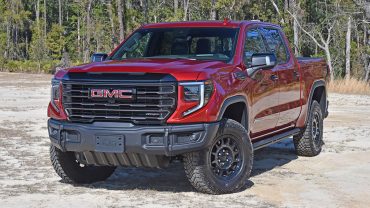
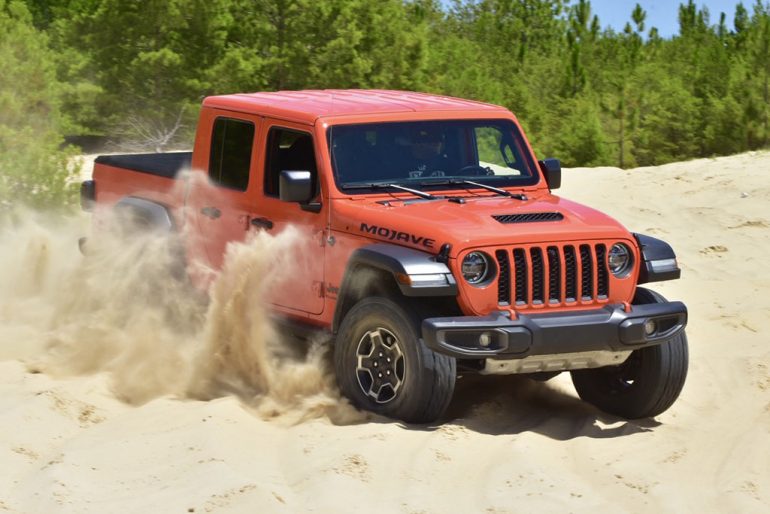
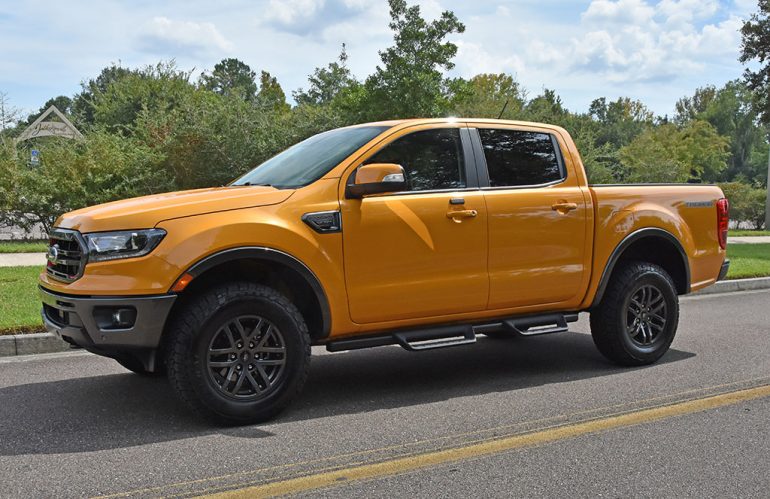
During the crash tests, the passenger dummy placed in the rear seat came dangerously close to the front seat back, indicating a significant risk of neck or chest injuries. As a result, the IIHS gave poor ratings to the Chevrolet Colorado from General Motors, Toyota’s Tacoma, and Stellantis’ Jeep Gladiator in the updated moderate overlap crash test. Only Nissan’s Frontier managed to secure an “acceptable” rating, while Ford’s Ranger received the second-lowest rating of “marginal”. It’s important to note that these ratings specifically apply to the crew cab versions of the pickups.
IIHS President David Harkey highlighted that in many cases, measurements from the dummy indicated a high risk of neck or chest injuries, emphasizing the need for improvement in rear seat belts. The nonprofit agency, IIHS, implemented an update to the moderate overlap front test last year by introducing a second dummy in the back, challenging automakers to enhance rear seat protection.
In the moderate overlap front test, a vehicle is subjected to a 40-mile-per-hour collision with a barrier to assess the level of protection provided to occupants in frontal crashes, regardless of their seating position. To receive a “good” rating, the crash test dummy should not exhibit excessive risk of injury to any body parts and must remain properly positioned during the crash without sliding forward beneath the lap belt.
Source: Reuters

Mike Floyd is a finance executive by trade and a car enthusiast at heart. As a CFO with a keen eye for detail and strategy, Mike brings his analytical mindset to the automotive world, uncovering fresh insights and unique perspectives that go beyond the surface. His passion for cars—especially his favorite, the Porsche 911, fuels his contributions to Automotive Addicts, where he blends a love for performance and design with his professional precision. Whether he’s breaking down industry trends or spotlighting emerging innovations, Mike helps keep the site both sharp and forward-thinking.