
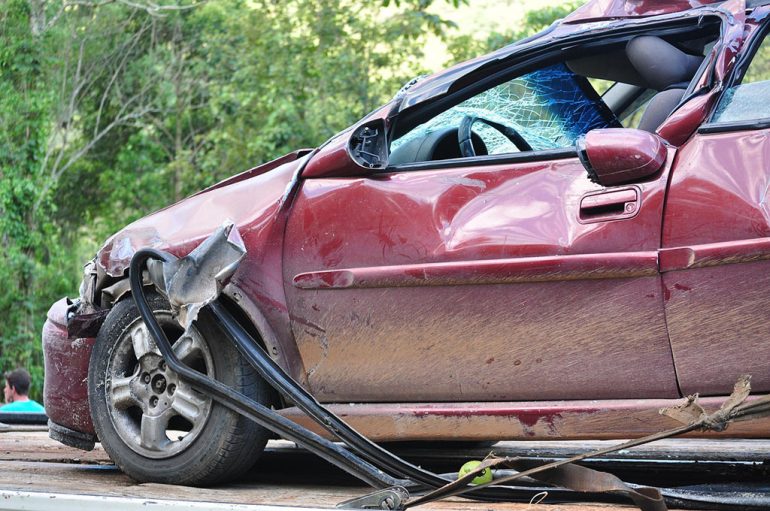
Rush hour, rain coming down in sheets, brake lights flashing in a wave. One driver slows for a merge. The car behind taps their bumper. A third vehicle clips the first while swerving. Everyone steps out, pointing fingers, absolutely convinced they did nothing wrong.
These moments happen constantly on American roads. Not every crash has a villain. Yet someone still ends up paying for dented fenders, sore necks, and rising insurance premiums, all after determining fault after a crash.
Two cars enter a wet intersection at the same time. Both drivers think they had the green. No phones, no speeding, but they still collide and walk away confused about who caused it.
Not every crash has a clear villain. Glare, bad timing, blocked views, and split-second decisions can overlap and lead to an accident where both drivers feel they did nothing wrong. Situations that seem like a no fault car accident usually come from small factors stacking together:
Because of this, what feels fair at the scene often does not match the insurance outcome. Adjusters rely on reports, photos, and physical evidence, and many drivers later learn they share part of the blame.
This guide covers practical steps for handling these unclear-fault crashes. It is general information, not legal advice.
Traffic is heavier and faster than ever, and small mistakes stack up quickly. Split-second reactions, limited visibility, and crowded roads create situations where blame is not obvious, and responsibility becomes a gray area.
More than one driver can share fault, and percentages directly affect how much compensation someone can receive. Even without a ticket, insurers can still assign partial blame, so a clean police report does not automatically mean you will be considered blameless.
Drivers often leave crashes convinced they did everything right. Both drivers may stay calm at the scene, exchange details politely, and still end up arguing for weeks through insurance adjusters about who pays.
Below are common situations that feel blameless but still lead to fault investigations. Insurers focus on small physical details, timing, and driver decisions. What seems obvious at the scene rarely stays that simple later:
These factors often matter more than what either driver remembers.
Three cars in stop-and-go traffic. The first brakes hard. The second stops in time. The third doesn’t and pushes the middle car forward.
The rear driver is usually blamed most. But the middle driver can share fault if they followed too closely. Investigators look at impact angles, vehicle damage, and braking evidence.
Bad weather rarely removes fault. It often spreads it. Drivers who left more space usually show lighter damage and shorter skid marks, which can reduce their share of blame.
A truck drops debris. You swerve and hit another car. The truck disappears.
Drivers are still expected to stay in control. Swerving into another vehicle often means partial liability. If the debris source is identified, they may carry more blame. Most of the time, they aren’t found.
Adjusters compare speed, reaction distance, and road layout. A sharp high-speed swerve looks less reasonable than a controlled maneuver.
Fog, rain, ice, or glare often turn routine driving into a judgment call. Even without speeding, drivers can be blamed for moving too fast for the conditions.
In these cases, investigators usually focus on how drivers adjusted their behavior for the environment:
When both drivers had limited time to react, the fault may be split. Careful driving in poor weather often shows in lighter damage patterns and shorter braking distances.
The first half hour after a crash often ends up being more important than people think. What you manage to say and capture at the scene can matter more than whatever you try to recall days later. Take care of safety first, then start gathering the basic details.
Before talking about blame, make the area safe. Check yourself and passengers for injuries. Some symptoms show up later, so don’t ignore how you feel. Turn on hazard lights and move vehicles only if traffic makes it dangerous to stay where you are.
If anyone feels pain or cars block the road, call emergency services. A police report becomes key evidence later. Even minor crashes can lead to delayed symptoms, so don’t assume you’re fine just because you’re standing.
When stress is high, a simple checklist helps you stay focused:
Once these basics are handled, you can concentrate on documenting the scene properly.
Roadside debates are a waste of breath. People mix up details five minutes later, even when they swear they won’t.
Grab what the scene gives you while it’s still there. A few wide photos first, so you can see lanes and where the cars ended up. Then close-ups of damage, plates, and insurance cards. If there’s a light or stop sign involved, shoot that too. Same with skid marks, odd road paint, debris.
If someone saw it from the sidewalk or another car, ask for a number. “Can I text you later for what you saw?” works. Keep it boring. No blame talk. And yeah, don’t throw out a big “I’m sorry” if it sounds like you caused it.
Tell your insurer early, even if you feel you did nothing wrong. Just give the clean version: where, when, weather, which lane, what you actually saw. If you’re unsure how it started, say exactly that. They’ll sort fault from photos, statements, and reports. Not from whoever sounded louder at the scene.
Some crashes are messy. No movie villain, just bad timing and too many moving pieces. If the fault ends up split or unclear, the boring stuff wins. Photos, basic notes, one consistent story. That’s what keeps the claim from turning into a long, stupid back-and-forth.

Automotive Addicts Contributors are a collective of guest writers, industry professionals, and passionate enthusiasts who bring fresh perspectives to the Automotive Addicts platform. Focused on delivering timely news, in-depth reviews, and unique insights, these contributors help keep the site dynamic and engaging. Many use the platform to expand their reach and build credibility within the automotive media world, adding depth and variety to the content that drives the Automotive Addicts community.


