
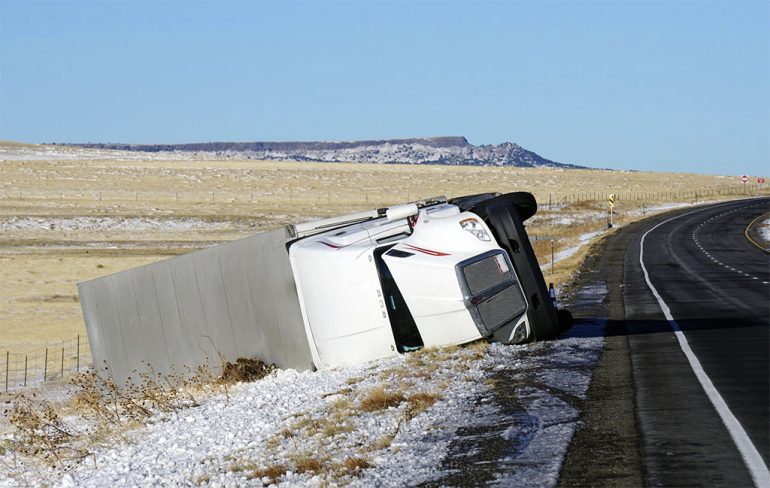
Truck accident claims often turn on one central issue: fault. When catastrophic injuries or wrongful death are involved, trucking companies and their insurers rarely accept responsibility without a fight. One of the most common defense strategies is shifting blame to the victim through shared fault allegations. A good Houston truck accident lawyer aggressively challenges these tactics by building evidence-driven cases that expose negligence and protect our clients’ right to full compensation.
Understanding Shared Fault in Truck Accident Cases
Shared fault refers to legal arguments that multiple parties contributed to a crash. In Texas, modified comparative fault rules apply. If an injured person is found partially responsible, compensation can be reduced by that percentage. If fault reaches 51 percent or more, recovery is barred entirely.
Trucking companies use this rule strategically. By alleging even modest comparative fault, they attempt to reduce payouts or eliminate liability. Our approach is built on dismantling those arguments with precise evidence and industry expertise.
Why Trucking Companies Push Shared Fault Allegations
Commercial carriers face significant financial exposure. Severe truck crashes often involve life-altering injuries, long-term medical care, and substantial damages. Insurers deploy aggressive defense strategies designed to:
We counter these tactics with immediate investigation and litigation-ready preparation from the outset.
Early Evidence Preservation Changes the Outcome
The first days after a truck crash are decisive. Critical evidence can disappear quickly unless legal action is taken. We move fast to secure:
Preservation letters and prompt legal intervention prevent spoliation and preserve leverage against shared-fault defenses.
Reconstructing the Crash With Forensic Precision
Shared fault allegations often rely on incomplete or misleading crash narratives. We use advanced reconstruction techniques to establish what truly happened.
Accident reconstruction experts analyze:
These reconstructions frequently reveal driver fatigue, excessive speed, or unsafe following distances, undermining defense claims.
Exposing Violations of Federal Trucking Regulations
Strict federal safety rules govern commercial trucking. Violations often expose systemic negligence that defeats comparative fault arguments.
We investigate compliance with:
When regulatory violations exist, they shift focus from speculative blame to documented safety failures.
Challenging Biased Police Reports and Insurer Narratives
Initial crash reports can shape liability narratives. However, they are not definitive findings of fault. Officers often lack access to electronic data or post-crash corporate records.
We challenge incomplete reports by:
Correcting early assumptions prevents trucking companies from building a flawed foundation of shared fault.
Identifying All Responsible Parties
Shared fault defenses often collapse when all negligent parties are identified. Truck crashes frequently involve multiple layers of liability beyond the driver.
We pursue claims against:
Expanding liability strengthens the case and reduces pressure on injured victims to absorb blame.
Countering Common Shared Fault Tactics
Defense teams repeatedly rely on predictable blame-shifting strategies. We confront them directly with evidence.
Allegations of Sudden Stops
We analyze braking data and calculations of the following distance to determine whether the truck driver maintained safe stopping margins.
Claims of Lane Drift by Passenger Vehicles
Video evidence and event data recorders often contradict these claims, revealing commercial vehicle encroachment.
Speeding Accusations Against Victims
Telematics and reconstruction frequently expose excessive truck speed or failure to adjust to traffic conditions.
Failure to Avoid the Crash
We apply perception-reaction time analysis to demonstrate that the collision was unavoidable due to the truck driver’s conduct.
Using Corporate Safety Histories to Strengthen Liability
A trucking company’s safety record often tells the real story. Patterns of violations can dismantle shared fault narratives.
We investigate:
These findings reveal systemic negligence and support claims for full accountability.
Leveraging Black Box and Telematics Data
Modern commercial trucks generate extensive digital evidence. When properly analyzed, this data provides objective truth that cuts through defense theories.
Key data points include:
This information frequently contradicts defense attempts to assign blame elsewhere.
Neutralizing Insurance Company Defense Teams
Trucking insurers deploy rapid response teams immediately after serious crashes. Their goal is to control evidence and shape liability early.
We level the playing field by:
Strategic case control prevents defense teams from gaining an early advantage.
Shared fault allegations are often coupled with attempts to undervalue the true cost of a victim’s losses. To counter this, a legal team must present comprehensive evidence reflecting the full impact of the collision. Since the consequences can be life-altering, a crucial first step is to fully understand the scope of various truck accident injury types and how to document their long-term effects.
A complete damages model meticulously documents:
Presenting a robust and well-documented damages case makes it difficult for trucking companies to minimize their liability, weakening the leverage of a comparative fault defense.
Litigation Readiness Forces Serious Negotiations
Trucking companies take cases more seriously when they know trial preparation is underway. We build every case as if it will be tried before a jury.
Steps we take include:
Trial readiness often shifts negotiation dynamics and neutralizes shared fault strategies.
The Role of Jury Psychology in Shared Fault Cases
Jurors respond to clarity and credibility. When evidence demonstrates preventable corporate negligence, attempts to shift blame often backfire.
We focus on:
This approach keeps attention on preventable wrongdoing rather than speculative blame.
Protecting Injury Victims from Costly Mistakes
Trucking defense teams look for opportunities to build comparative fault narratives early. Avoidable missteps can weaken strong cases.
We advise injured victims to:
Early legal guidance protects the integrity of the claim.
Why Experience in Truck Litigation Matters
Truck accident cases differ fundamentally from typical car crashes. They involve complex federal regulations, layered corporate liability, and high-stakes defense tactics.
Decades of focused trucking litigation provide advantages that matter:
This experience is critical when confronting aggressive shared fault defenses.
Securing Full Accountability After a Serious Truck Crash
Shared fault allegations are designed to dilute responsibility and reduce compensation. With immediate investigation, technical expertise, and relentless advocacy, those tactics can be defeated.
By preserving evidence, exposing regulatory violations, and presenting compelling proof of negligence, we ensure liability remains where it belongs. In catastrophic truck accident cases, a decisive legal strategy makes the difference between reduced recovery and full accountability.

Automotive Addicts Contributors are a collective of guest writers, industry professionals, and passionate enthusiasts who bring fresh perspectives to the Automotive Addicts platform. Focused on delivering timely news, in-depth reviews, and unique insights, these contributors help keep the site dynamic and engaging. Many use the platform to expand their reach and build credibility within the automotive media world, adding depth and variety to the content that drives the Automotive Addicts community.


