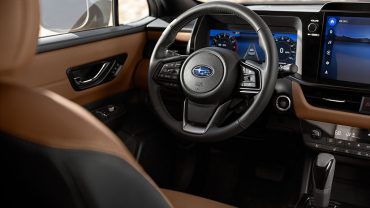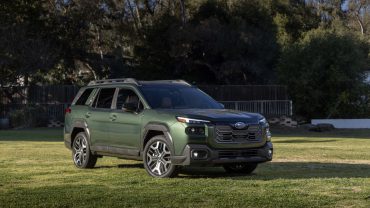
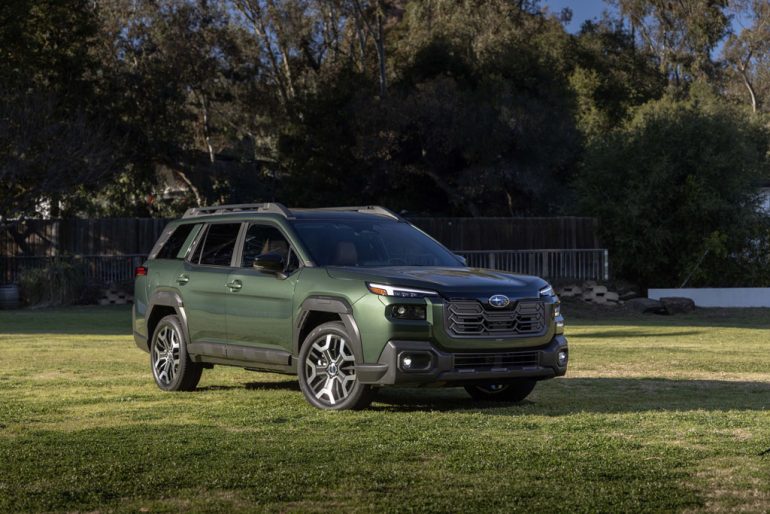
Walk onto a Subaru lot asking about a 2026 Outback and you’ll get the sticker price within thirty seconds. Ask what the dealer paid for it, and that conversation moves a lot slower. The 2026 Outback marks the seventh generation of one of Subaru’s longest-running and best-selling nameplates, and this year’s redesign is the most significant the model has seen in over a decade, with all-new exterior styling, a 12.1-inch touchscreen, a 12.3-inch digital gauge cluster, and a reworked lineup that finally separates the turbocharged models from the standard four-cylinder trims. With six trims now spanning a $13,000 price range, from the value-oriented Premium to the fully loaded Touring XT, there is more room than ever for buyers to either overpay significantly or negotiate a genuinely strong deal, depending on whether they walk in with real numbers. This guide breaks down exactly what Subaru dealers pay for each 2026 Outback trim, what a fair price actually looks like, and how to put yourself in front of competing local offers before you ever talk to a salesperson.
Subaru’s official pricing puts the 2026 Outback Premium at $34,995, with the Limited landing close to $39,300, the Limited XT around $41,600, the Wilderness at $44,995, the Touring at $45,395, and the range-topping Touring XT at $47,995, all before the destination charge, taxes, and fees. That is a wide spread for what is fundamentally one vehicle, and the gap exists because Subaru split the lineup between two engines this generation: a 180-horsepower 2.5-liter four-cylinder on the Premium, Limited, and Touring, and a stronger 260-horsepower turbocharged 2.4-liter on the Limited XT, Touring XT, and Wilderness. Kelley Blue Book’s Fair Purchase Pricing data currently shows real buyers paying $2,345 to $3,505 below MSRP depending on trim, which tells you plainly that the sticker number is a starting offer, not a fixed one.
What makes the Outback worth cross-shopping carefully is that it undercuts most midsize SUV rivals on price while still including standard all-wheel drive across every single trim, something the Jeep Grand Cherokee, Honda Passport, and Chevrolet Blazer don’t all offer without an upcharge. That positioning matters at the negotiating table, because Subaru dealers are acutely aware they’re competing against vehicles that often start thousands higher.
Every Outback on a dealer’s lot has two prices attached to it that you’ll never see side by side on the window: the MSRP that’s printed there, and the invoice price the dealer actually paid Subaru to get that vehicle shipped to their lot. The gap between those two numbers on the 2026 Outback typically runs from roughly $1,000 on the Premium up to $1,800 or more on the turbocharged trims, and it is this invoice figure, not the sticker, that should anchor your opening offer.
There’s a second number working in the dealer’s favor that almost nobody asks about: holdback. Subaru pays dealers back roughly 2 to 3 percent of a vehicle’s base MSRP after it sells, which means a $39,289 Limited carries something in the neighborhood of $780 to $1,180 in additional dealer margin that sits underneath the invoice price entirely. Combine the two, and you start to see why a dealer can comfortably sell at or even slightly below invoice and still come out ahead. That’s the leverage point. Most shoppers never use it because they never know it exists.
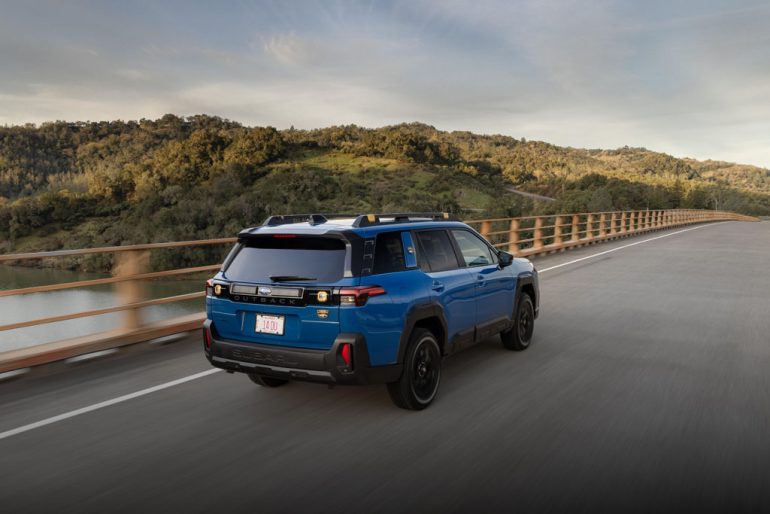
Subaru restructured the Outback trim ladder for this generation, and it’s worth understanding the engine split before comparing prices, since a Limited and a Limited XT look nearly identical on paper but drive very differently.
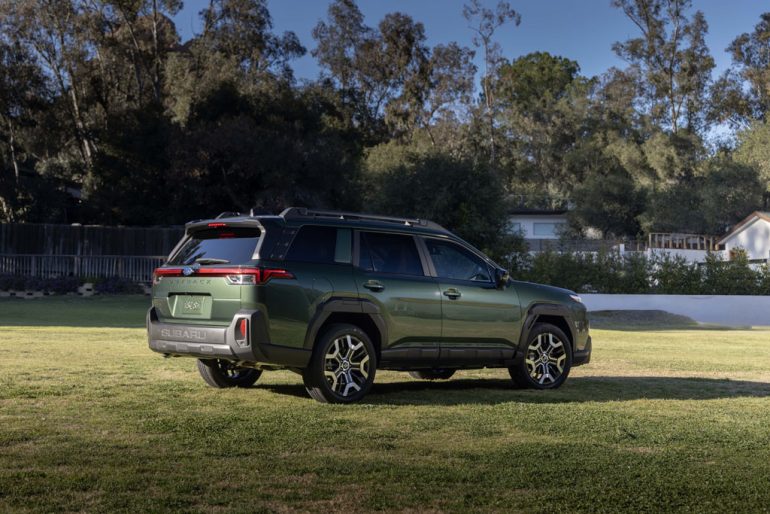
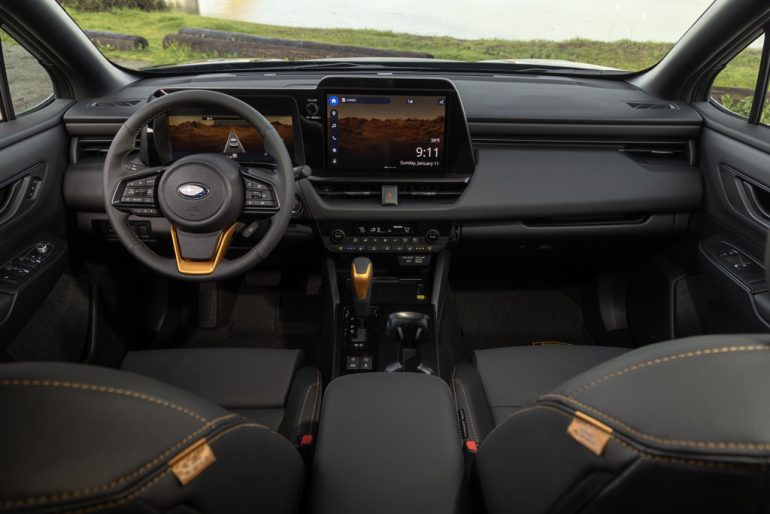
Premium ($34,995) is the entry point and comes far better equipped than the word “base” usually implies. Standard equipment includes the new 12.1-inch touchscreen with wireless Apple CarPlay and Android Auto, the 12.3-inch digital instrument cluster, a power liftgate, heated front seats, heated mirrors, and proximity keyless entry, all riding on the standard 2.5-liter engine.
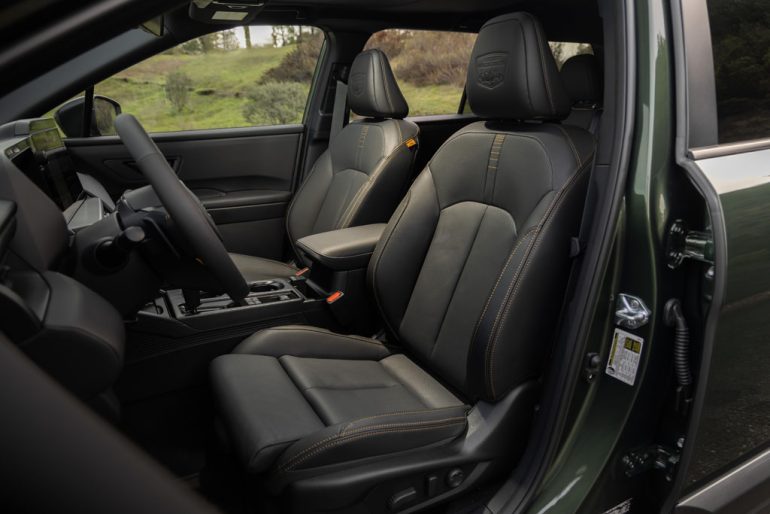
Limited (around $39,289) adds perforated leather-trimmed upholstery, a Harman Kardon stereo, an 8-way power passenger seat, a power moonroof, heated rear seats, a heated steering wheel, and 18-inch wheels, while keeping the standard non-turbo engine.
Limited XT (around $41,594) carries every Limited feature into the turbocharged 2.4-liter engine, jumping output from 180 horsepower to 260 and torque from 178 lb-ft to 277. For buyers who want Limited-level comfort with real passing power, this is the configuration that makes the most sense.
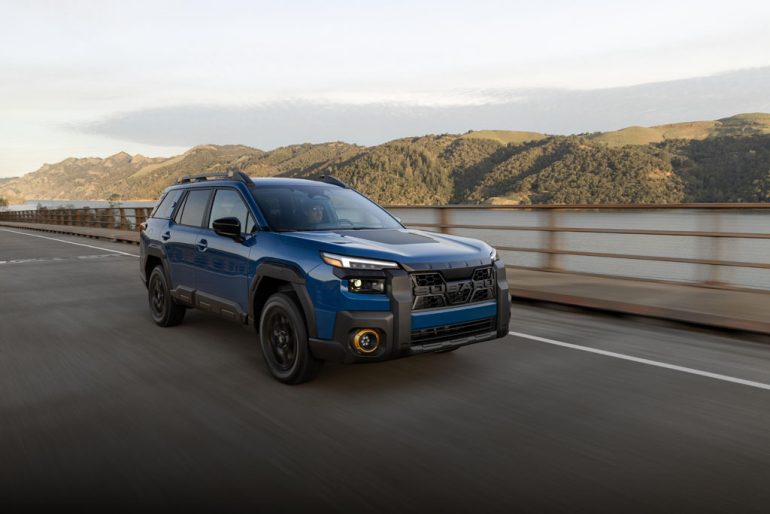
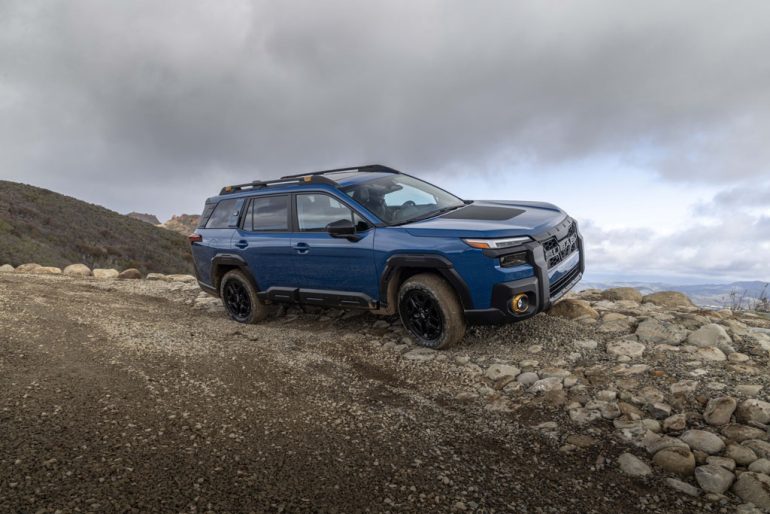
Wilderness ($44,995) is the most off-road-focused Outback Subaru has built, exclusively powered by the turbo engine and riding on 9.5 inches of ground clearance, the highest in the lineup. It adds all-terrain Bridgestone Dueler tires, electronically controlled dampers, X-MODE Dual Mode, and Wilderness-specific cladding and copper-finish accents.
Touring ($45,395) stays on the standard engine but adds the broadest EyeSight driver-assist feature set in the non-XT lineup along with the most refined cabin materials below the Wilderness and XT trims.
Touring XT ($47,995) tops the range, combining every Touring feature with the 260-horsepower turbo engine and, notably, EyeSight Highway Hands-Free Assist, a supervised driving feature that allows hands-off operation up to 85 mph on compatible highways, a genuinely new capability for this generation.
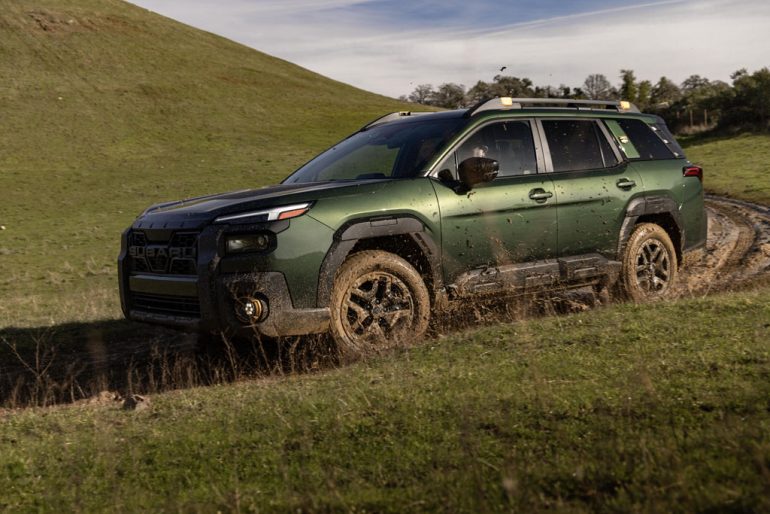
Once you’ve settled on a target price below MSRP, incentives are where additional savings get layered on, and most buyers leave money on the table here simply because dealers aren’t required to volunteer the information. Subaru Motors Finance frequently runs promotional APR offers for qualified buyers, and given the Outback’s volume, it tends to show up in regional and national cash-allowance campaigns more often than niche models in Subaru’s lineup.
Beyond manufacturer financing offers, Subaru maintains standing discount programs for loyal returning owners, recent college graduates, active-duty military and veterans, and first responders including police, firefighters, EMTs, and paramedics. None of these get advertised loudly, and all of them stack on top of whatever price you’ve already negotiated. Asking directly, by name, whether you qualify for any of these before finalizing numbers is a five-minute conversation that can meaningfully change your out-the-door total.
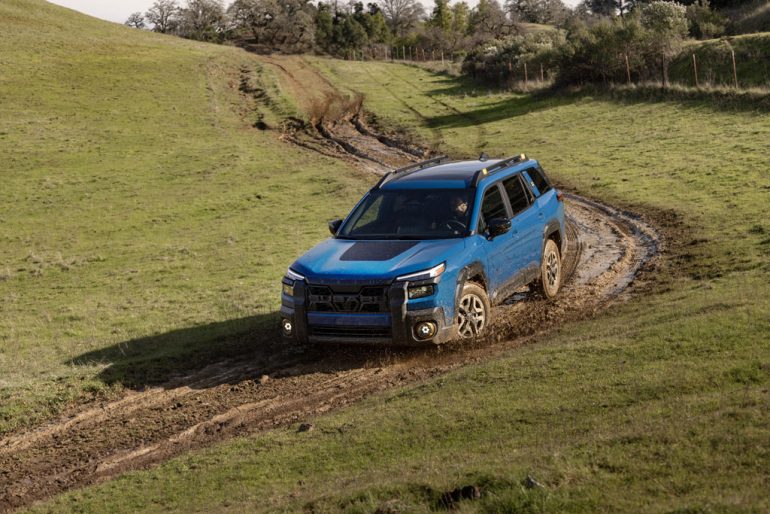
Based on current Fair Purchase data and invoice benchmarks, here’s what a genuinely competitive deal looks like across the lineup right now. On the Premium, $33,400 to $34,100 reflects strong negotiating outcomes in active markets. The Limited should land between $37,200 and $38,000. The Limited XT is achievable in the $39,300 to $40,100 range. The Wilderness, given its niche positioning and strong demand, tends to land closer to invoice at $43,000 to $43,900. The Touring sits between $43,300 and $44,200, and the Touring XT, the most negotiable trim in dollar terms given its size, can often be secured between $45,300 and $46,300.
These figures assume you’ve shopped multiple dealers against each other, kept any trade-in completely out of the new vehicle price conversation until the purchase price is locked, and entered the conversation already knowing the invoice number rather than discovering it mid-negotiation.
None of the numbers above matter if you’re negotiating blind in a showroom with one salesperson and no comparison point. The far more efficient approach is to get actual competing offers from Subaru dealers in your area before you ever walk in anywhere. Use the “Get Prices” tool above, select the 2026 Outback trim you’re considering, and you’ll get real local dealer pricing sent directly to you, typically within minutes and without setting foot on a lot.
This isn’t a quote generator pulling generic regional averages. It connects you with dealers who are actively competing for your specific purchase, which tends to produce sharper numbers than walking in cold ever will. Whether you’re eyeing the value of the Premium, the turbocharged punch of the Limited XT, or the trail-ready Wilderness, getting these quotes first means you walk into any final conversation already holding the strongest card at the table: knowing exactly what the competition is offering before the dealer in front of you does.

Darryl Taylor Dowe is a seasoned automotive professional with a proven track record of leading successful ventures and providing strategic consultation across the automotive industry. With years of hands-on experience in both business operations and market development, Darryl has played a key role in helping automotive brands grow and adapt in a rapidly evolving landscape. His insight and leadership have earned him recognition as a trusted expert, and his contributions to Automotive Addicts reflect his deep knowledge and passion for the business side of the car world.