
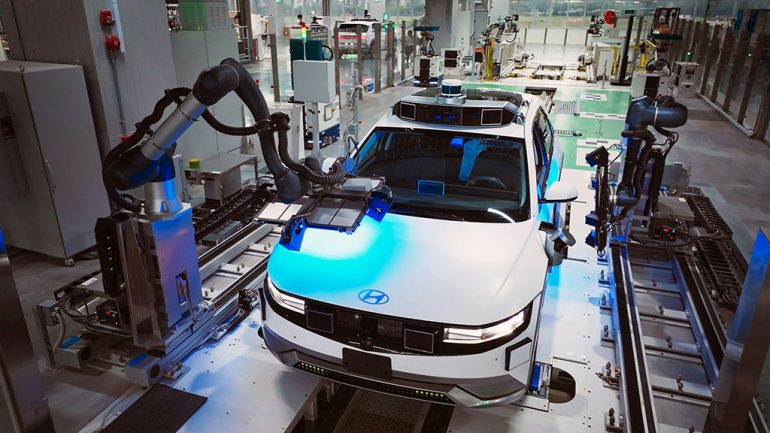
The automotive industry is evolving rapidly.
Electric vehicles are becoming more common. Connected vehicle platforms continue to expand. Fleet technology solutions are gaining popularity across many industries. At the same time, automotive technology businesses are under increased pressure to earn income and distinguish out in a competitive market.
Product innovation is no longer the primary driver of growth. Buyers are spending more time researching options before communicating with sales staff. Decision makers:
This shift has changed how automotive technology companies attract and convert customers.
Many organizations are now turning to GTM AI to:
GTM AI stands for Go-To-Market Artificial Intelligence.
It uses artificial intelligence to:
Automotive technology companies generate large amounts of customer data every day.
Prospects may:
Each interaction provides valuable information. The challenge is knowing which signals deserve attention. GTM AI helps analyze this information and identify patterns that may indicate buying intent.
Instead of relying entirely on manual research – teams can focus on opportunities that show genuine interest.
Selling automotive technology products can be complex. Many solutions involve long buying cycles. Multiple stakeholders may participate in the decision making process. Sales teams must engage:
This process generates a large amount of information. Without the right tools, important signals can go unnoticed.
GTM AI helps companies gain better visibility into prospect behavior. It helps teams understand which accounts are actively evaluating solutions and which prospects are simply gathering information. This allows businesses to allocate resources more effectively.
Not every lead deserves the same amount of attention. Some prospects are actively seeking solutions. Others may still be considering their options.
Traditional lead scoring models are based on set rules. These systems may miss critical purchasing signals. GTM AI can examine a bigger set of data points.
Examples include:
This helps sales teams prioritize leads with higher conversion potential.
Many automotive technology companies offer software products.
Examples include:
These products create a significant amount of client engagement data.
GTM AI assists in identifying prospects who have expressed an increasing interest in specific solutions. Sales professionals can then contact those accounts at the appropriate time. Successful sales talks require careful timing.
Account-based marketing is becoming increasingly popular in the automotive technology sector. Many businesses target certain fleets, dealerships, manufacturers, and transportation groups.
Success is dependent on recognizing the appropriate accounts. GTM AI assists marketing teams in determining which firms are engaging with their content and displaying buying intent.
This enables advertisers to focus their campaigns on accounts with greater potential. The end result is more effective utilization of marketing resources.
Forecasting continues to be a major concern for revenue directors. Many estimates are mainly based on manual revisions and historical trends. This strategy has limitations.
Pipeline conditions might change rapidly. Buyer priorities may shift abruptly. New opportunities may arise at any time.
GTM AI analyzes current account activity and engagement trends. Revenue leaders receive a better understanding of pipeline health and potential repercussions. More precise forecasting enables better business decisions.
Sales representatives spend significant time researching accounts. Marketing teams spend time analyzing campaign performance. Revenue leaders spend time reviewing reports. These activities are important. They can also consume valuable resources.
GTM AI helps reduce some of this manual workload. Instead of sorting through large volumes of information – teams receive insights that highlight the most relevant opportunities. This allows employees to spend more time on activities that directly contribute to growth.
Automotive technology companies use GTM AI in several ways.
Common applications include:
These insights help businesses engage prospects more effectively throughout the buying journey.
Technology alone does not guarantee success. Several mistakes can limit the value of GTM AI.
Common examples include:
Successful implementation starts with clear objectives and reliable data. Organizations that take a structured approach tend to achieve better outcomes.
Automotive technology companies operate in an increasingly competitive environment. Buyers have access to more information than ever before. Sales cycles have become more complex. Revenue teams need better visibility into customer behavior.
GTM AI helps address these challenges. It supports lead qualification. And improves account prioritization. It also strengthens forecasting and customer intelligence.
The greatest benefit is not automation. It is better decision-making.
Automotive technology companies that combine industry expertise with GTM AI can identify:

Automotive Addicts Contributors are a collective of guest writers, industry professionals, and passionate enthusiasts who bring fresh perspectives to the Automotive Addicts platform. Focused on delivering timely news, in-depth reviews, and unique insights, these contributors help keep the site dynamic and engaging. Many use the platform to expand their reach and build credibility within the automotive media world, adding depth and variety to the content that drives the Automotive Addicts community.


