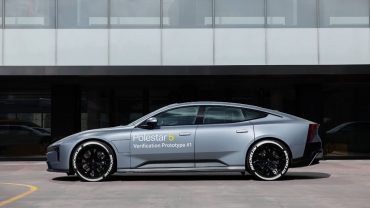
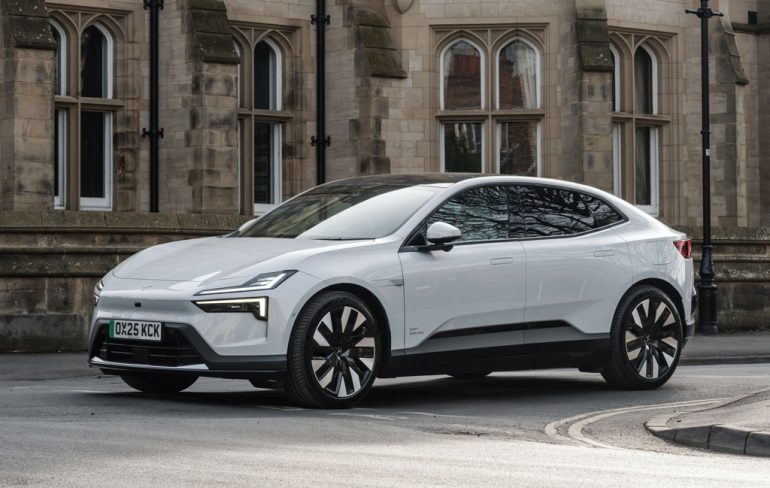
Polestar is offering one of the biggest EV discounts on the market right now, and it feels very much like a fire sale. As the brand prepares to stop selling new vehicles in the United States starting with the 2027 model year, shoppers can get as much as $25,000 off a 2026 Polestar 4 when paying cash. That drops the starting point of the sleek electric crossover from $57,800 to about $32,800 before taxes, fees, and options, which is a huge swing for a premium EV that still looks and feels far more expensive than that number suggests.
The Polestar 3 is also getting serious markdowns, with up to $23,000 in available discounts. Financing and leasing deals are aggressive as well, with Polestar offering 0% APR financing on the Polestar 4 with an $18,000 credit, plus lease offers starting at $399 per month for 39 months with $1,399 due at signing. The Polestar 3 lease deal is also attractive at $579 per month for 27 months with $5,000 down. Additional loyalty and conquest bonuses can sweeten the numbers further, depending on the model and customer situation.
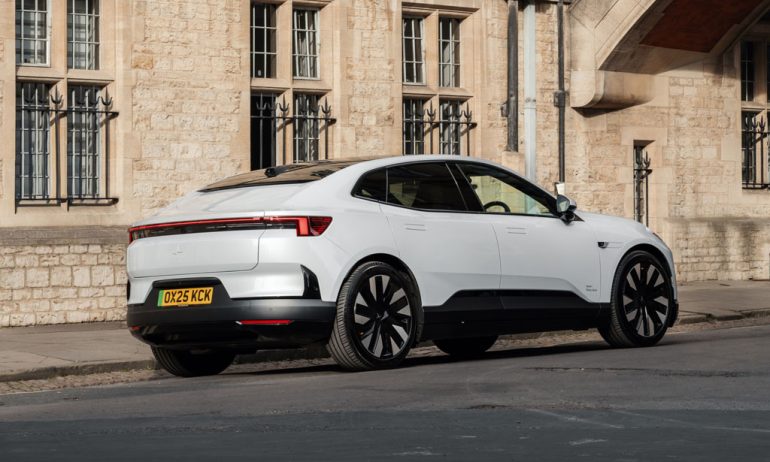
The reason for the sudden generosity is not hard to understand. Polestar has been caught in the fallout from the U.S. Connected Vehicle Rule, which restricts the sale of certain connected vehicles tied to China or Russia. Polestar is headquartered in Sweden, but it is closely tied to Geely, the Chinese automotive group that also owns Volvo. Reports from Reuters, Car and Driver, and others indicate that Polestar will no longer be able to sell new 2027 model year vehicles in the U.S., though existing inventory can still be sold and the company has said it will continue supporting current customers.
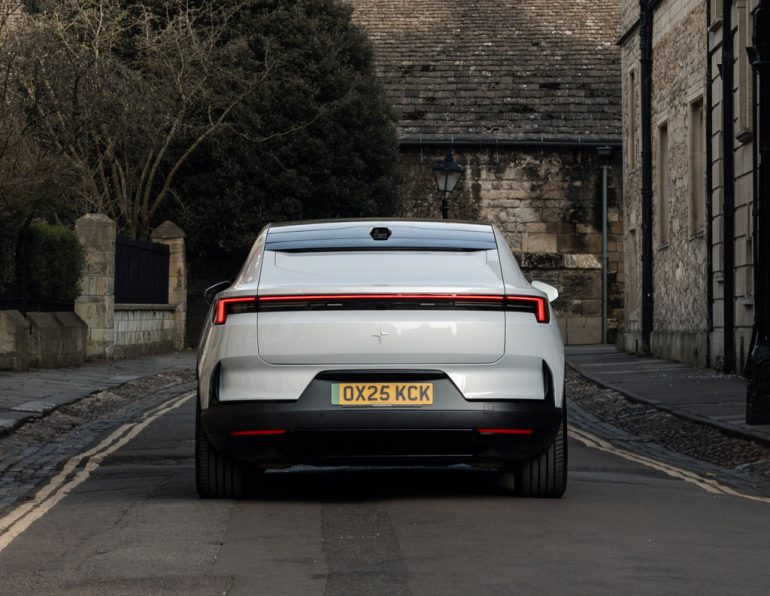
That is where buyers need to think carefully. A $25,000 discount can make the Polestar 4 look like a steal, but the long-term ownership picture is cloudy. Polestar’s relationship with Volvo may provide some service runway, and its dealer network is expected to remain involved while inventory is sold down. Still, when a brand is effectively leaving the market, questions around parts availability, software updates, warranty support, resale value, and future repairs become very real. A low purchase price does not mean much if service becomes difficult a few years down the road.
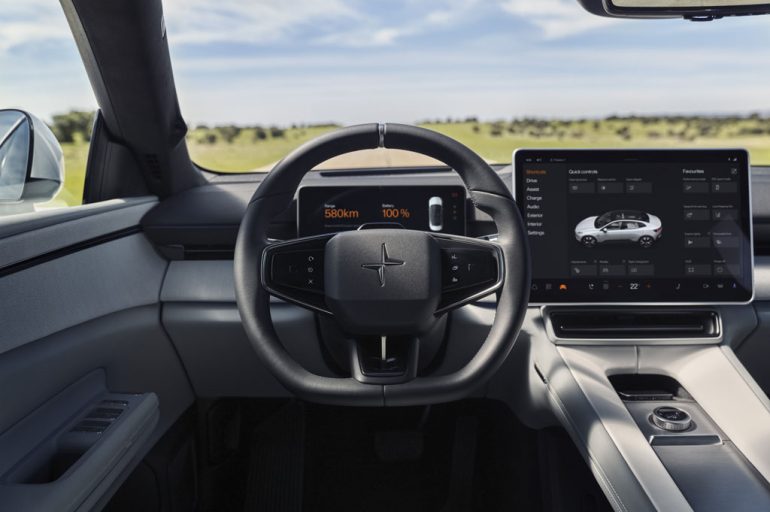
This is where the comparison to Fisker becomes hard to ignore. Fisker’s collapse left many Ocean owners dealing with limited service options, software uncertainty, parts shortages, and rapidly falling values after the company filed for bankruptcy and began winding down operations. Polestar is not in the same exact position, and it has stronger corporate backing, but the lesson is similar: buying an EV from a shrinking or exiting brand can come with consequences that do not show up on the window sticker. For shoppers willing to accept the risk, these Polestar deals are genuinely tempting. For everyone else, the discount should be treated less like a bargain and more like a warning label.

Lloyd Tobias is a seasoned automotive journalist and passionate enthusiast with over 15 years of experience immersed in the world of cars. Whether it's exploring the latest advancements in automotive technology or keeping a close pulse on breaking industry news, Lloyd brings a sharp perspective and a deep appreciation for all things automotive. His writing blends technical insight with real-world enthusiasm, making his contributions both informative and engaging for readers who share his love for the drive. When he's not behind the keyboard or under the hood, Lloyd enjoys test driving the newest models and staying ahead of the curve in an ever-evolving automotive landscape.

Lloyd Tobias is a seasoned automotive journalist and passionate enthusiast with over 15 years of experience immersed in the world of cars. Whether it’s exploring the latest advancements in automotive technology or keeping a close pulse on breaking industry news, Lloyd brings a sharp perspective and a deep appreciation for all things automotive. His writing blends technical insight with real-world enthusiasm, making his contributions both informative and engaging for readers who share his love for the drive. When he’s not behind the keyboard or under the hood, Lloyd enjoys test driving the newest models and staying ahead of the curve in an ever-evolving automotive landscape.