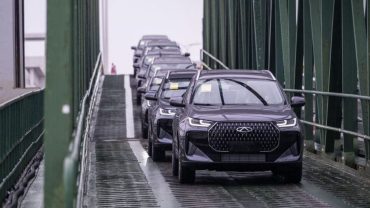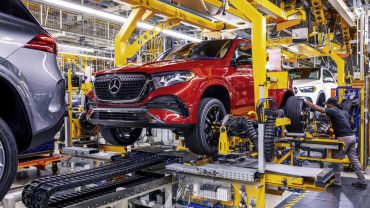
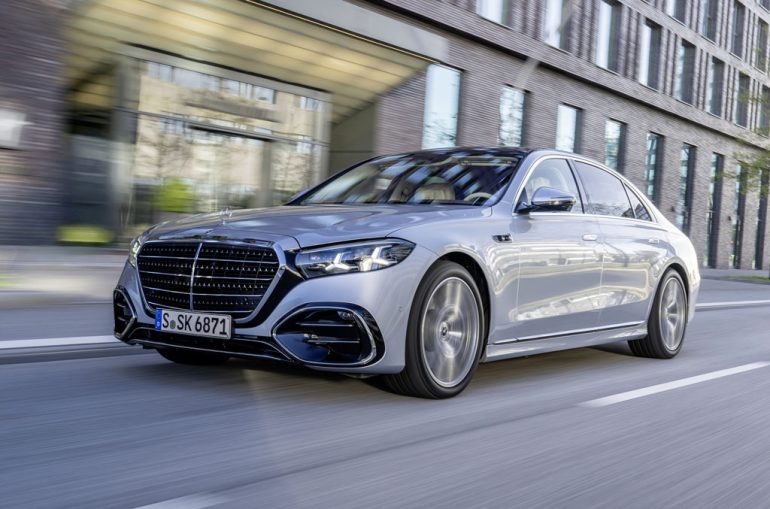
Mercedes-Benz has unexpectedly found itself caught in the middle of Washington’s latest push to restrict Chinese influence in the U.S. auto market. The Senate Commerce Committee has approved legislation that would ban sales by automakers with more than 15 percent ownership by Chinese entities, a threshold that could technically put Mercedes-Benz at risk because nearly 20 percent of the German automaker is held by Chinese investors. While that sounds dramatic, an outright Mercedes ban still appears unlikely.
According to Reuters, the proposed Senate legislation could affect Mercedes-Benz because Chinese investors hold nearly 20 percent of the German automaker, exceeding the bill’s proposed 15 percent ownership threshold. The ownership issue comes from two major Chinese stakeholders. Geely founder Eric Li Shufu holds 9.7 percent of Mercedes-Benz through an investment firm, while BAIC Group owns another 9.98 percent. Together, that puts Mercedes above the proposed 15 percent limit written into the bill. The legislation is aimed primarily at connected-vehicle security and the growing concern that Chinese-owned or China-linked automakers could pose data, software, or national security risks in modern vehicles.
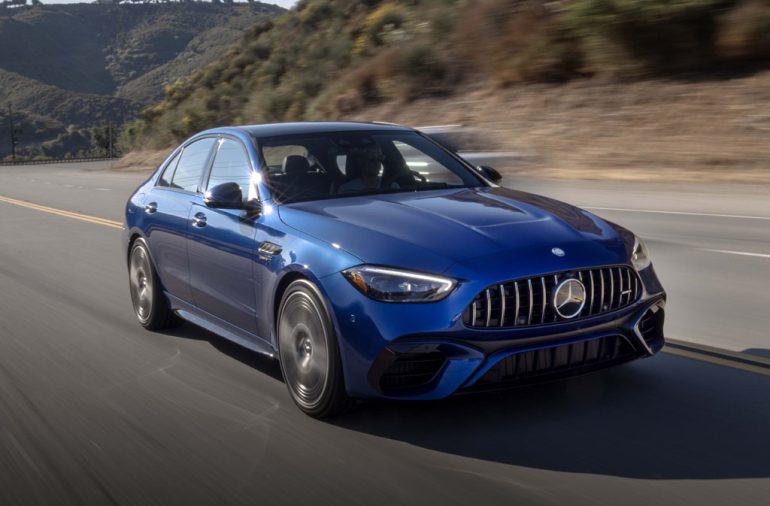
What makes this story unusual is that several lawmakers have already acknowledged the bill may need changes before becoming law. Senator Ted Cruz, who chairs the committee, reportedly said the current language would create the Mercedes-Benz problem and made clear that lawmakers would not seriously consider banning the brand from the U.S. market. Senator Bernie Moreno also said Mercedes would have until at least 2030 to comply and could potentially receive waivers if needed, which makes any immediate disruption highly unlikely.
Still, the proposal shows how complicated global auto ownership has become. Mercedes-Benz is a German company with major U.S. operations, including production in Alabama, but its investor structure now places it under scrutiny as lawmakers focus more aggressively on Chinese influence in connected vehicles. The issue follows recent actions involving brands like Polestar, which is majority owned by Geely and has faced U.S. sales restrictions under connected-vehicle rules. Volvo, also tied to Geely ownership, has reportedly received authorization to continue sales while meeting certain requirements.
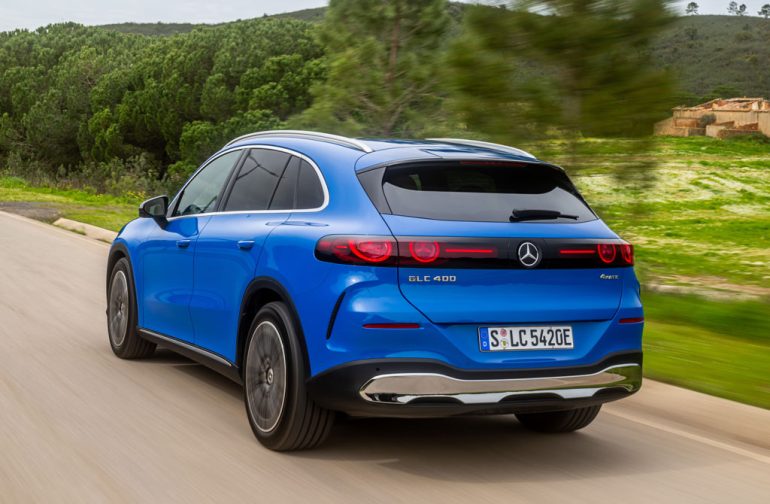
For Mercedes buyers and dealers, there is no reason to panic at this stage. The legislation still has to move through Congress, could be revised, and includes a long compliance window before any possible enforcement against brands like Mercedes-Benz. Even so, the situation is worth watching because it signals a new era where automakers are being judged not only by where their vehicles are built, but also by who owns them, who supplies their technology, and how their connected systems interact with national security concerns. For a brand as established in America as Mercedes-Benz, the idea of a U.S. sales ban may sound far-fetched, but the debate itself shows how quickly politics, technology, and the auto industry are becoming inseparable.

Mike Floyd is a finance executive by trade and a car enthusiast at heart. As a CFO with a keen eye for detail and strategy, Mike brings his analytical mindset to the automotive world, uncovering fresh insights and unique perspectives that go beyond the surface. His passion for cars—especially his favorite, the Porsche 911, fuels his contributions to Automotive Addicts, where he blends a love for performance and design with his professional precision. Whether he’s breaking down industry trends or spotlighting emerging innovations, Mike helps keep the site both sharp and forward-thinking.