
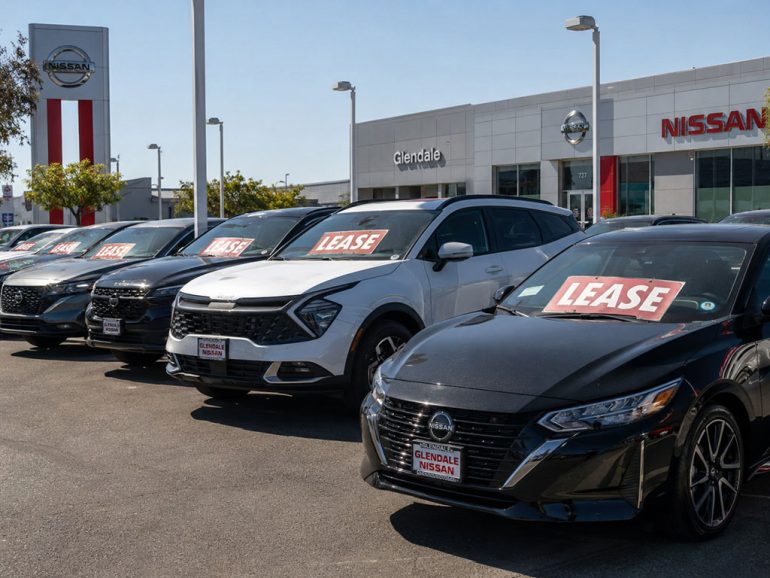
Americans are leasing fewer new vehicles than they did before the pandemic, and the shift is changing the way shoppers, dealers, and automakers think about affordability. According to Reuters, leases once accounted for around 30 percent of the U.S. new-vehicle market before the pandemic, dropped to about 17 percent during the inventory crunch, and have only recovered to 23 percent in the first half of 2026. That means leasing is still popular, but it has not returned to its old role as the easy lower-payment path into a new car.
The biggest reason is simple: lease deals are not as generous as they used to be. During the chip shortage and post-pandemic inventory squeeze, automakers learned they could keep supplies tighter and rely less on discounts, incentives, and subsidized lease offers. That strategy helped protect profits, but it also pushed monthly payments higher for returning lease customers who were used to renewing into a similar vehicle without much financial pain. Now, many shoppers are finding that their next lease can cost $100 to $200 more per month than the one they are turning in.
Leasing still has a payment advantage over traditional financing, but the gap is not as comforting as it once was. Reuters noted that the average lease payment is around $650 a month compared with about $800 a month to finance a new vehicle, based on JD Power data. That savings matters, but when prices, interest rates, insurance costs, and household budgets are all under pressure, even a lower lease payment can feel too high. Some shoppers are responding by stretching purchase loans to 84 months, which lowers the monthly bill but keeps buyers in debt longer.
Dealers are feeling the change too. Leasing has long been valuable because it creates a predictable return cycle, with customers coming back every three years to replace their vehicle. When those customers see much higher renewal payments, some walk away, shop other brands, or move into used vehicles instead. That can weaken loyalty and reduce showroom traffic, especially for brands and dealers that previously leaned heavily on leasing to keep customers in the pipeline.
The decline in leasing also affects the used-car market. Vehicles returned at the end of a lease are usually a major source of clean, late-model used inventory for dealer lots. With fewer leases written in recent years, fewer three-year-old vehicles are coming back into the market now. Reuters reported that Edmunds data shows the average selling price of a three-year-old used vehicle has increased by 43 percent compared with pre-pandemic levels, partly because off-lease supply has been thinner.
For car shoppers, the leasing slowdown is another piece of the broader affordability puzzle. Automakers may like the discipline of tighter inventories and fewer incentives, but buyers are left with fewer cheap lease specials, higher renewal offers, more expensive used cars, and longer loan terms. Leasing is not dead, especially in luxury segments and EV deals where incentives can still be strong, but the old days of consistently cheap three-year leases are harder to find. For now, shoppers need to compare leases, loans, used options, and long-term ownership costs more carefully than ever.

Lloyd Tobias is a seasoned automotive journalist and passionate enthusiast with over 15 years of experience immersed in the world of cars. Whether it’s exploring the latest advancements in automotive technology or keeping a close pulse on breaking industry news, Lloyd brings a sharp perspective and a deep appreciation for all things automotive. His writing blends technical insight with real-world enthusiasm, making his contributions both informative and engaging for readers who share his love for the drive. When he’s not behind the keyboard or under the hood, Lloyd enjoys test driving the newest models and staying ahead of the curve in an ever-evolving automotive landscape.