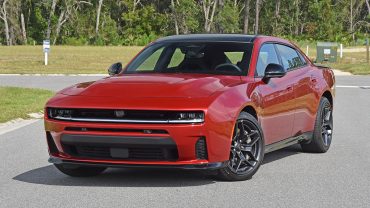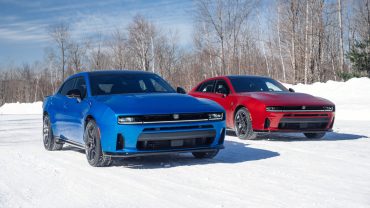
We have been spending quite a bit of time lately looking at what is happening inside Stellantis, and the new Dodge Charger has become one of the clearest examples of why the company has so much work to do. Just days after we reported on Stellantis deploying more than 2,000 engineers and creating nearly 50 “quality war rooms” to attack vehicle problems faster, the Charger story has taken another interesting turn. That report followed our own week behind the wheel of the 2026 Dodge Charger R/T Plus Sixpack S.O. 4-Door, where we found plenty to like about the twin-turbo inline-six but also came away frustrated by repeated software glitches and a general feeling that the car needed more polish. Now, sales and inventory data are adding another layer to the discussion.
One of the pieces that pushed us to revisit the Charger so soon came from CarBuzz, which recently examined just how much inventory dealers are carrying and how difficult it has become to move many of these cars. CarBuzz cited data showing thousands of new Chargers sitting on dealer lots, with aggressive discounts beginning to surface in an effort to get buyers interested. CarEdge data from earlier this year paints an equally sobering picture, listing 8,841 Chargers for sale in March with a staggering 452-day market supply and an average selling price of about $58,300. That kind of supply is far beyond what dealers would normally consider healthy, and it gives shoppers an unusual amount of negotiating power.
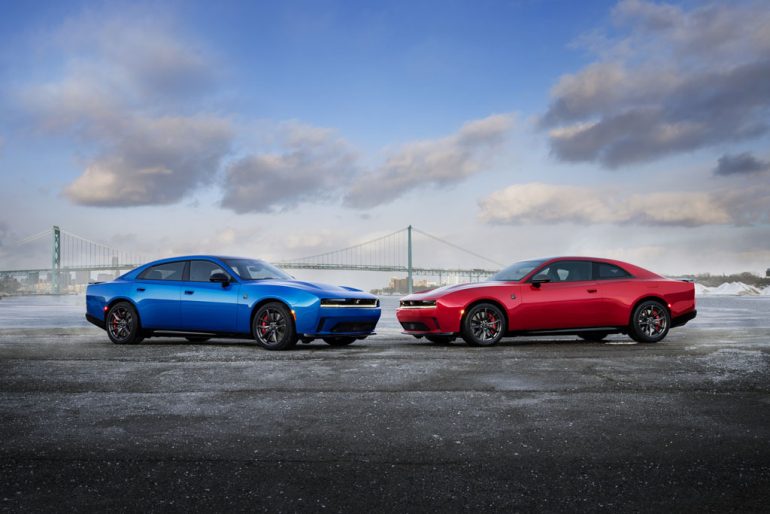
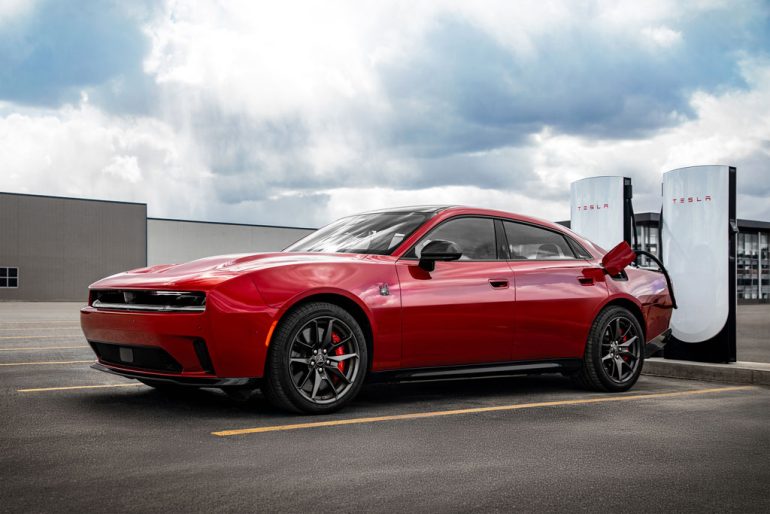
The bigger issue appears to be the Charger Daytona EV. Dodge deserves credit for trying something bold with an electric muscle car, and on paper the Daytona Scat Pack is unquestionably quick. Its 670 horsepower output and roughly 3.3-second 0-to-60 mph time give it the kind of numbers that would have sounded absurd in a production Charger not long ago. The problem is that muscle cars have never been about numbers alone. Sound, vibration, engine character, and the sense of occasion all matter to the people who have supported Charger and Challenger for decades. Removing the HEMI V8 was already going to be controversial, but asking those same buyers to embrace a battery-electric replacement was always going to be a much tougher sell.
That reality seems to be showing up in the sales figures. According to the sales numbers highlighted by CarBuzz, Dodge moved 7,421 Charger Daytonas in 2025, including 4,299 in the first half. During the first half of 2026, that figure reportedly collapsed to just 534 units. Early adopters may have given the car an initial boost, but expanding beyond that first group has been much more difficult. Discounts are now doing some of the work Dodge hoped demand would handle on its own. Depending on location and incentives, some Charger Daytona buyers have been seeing several thousand dollars knocked off sticker prices, with certain combinations of manufacturer and regional incentives pushing total savings toward $10,000.
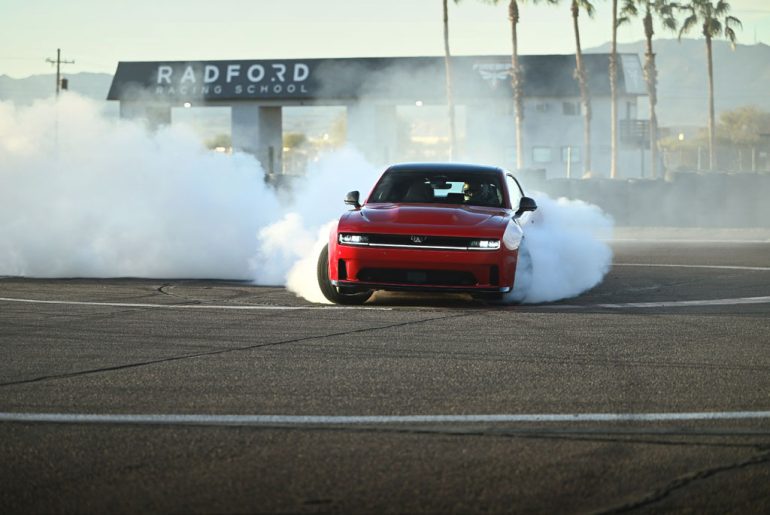
The gasoline-powered Charger Sixpack is telling a different story, and that aligns closely with what we found during our own test drive. The 3.0-liter twin-turbo Hurricane inline-six does not sound or feel like the old HEMI V8, and we are not going to pretend otherwise, but it still gives the Charger a personality that feels more familiar to longtime Dodge buyers. In R/T form, the 420-horsepower engine has strong low-end punch, good straight-line performance, and enough combustion-engine character to make the car feel connected to what came before it. Our review vehicle was not perfect by any means, especially at its $65,365 tested price, but the powertrain itself made a far stronger case for the new Charger than the EV transition has managed to do with traditional muscle-car loyalists.
Sales appear to support that conclusion. CarBuzz reports that Dodge sold 1,672 Sixpack models in the first quarter of 2026 and another 2,911 in the second quarter, bringing first-half sales to 4,583 units. That is not enough to return the Charger to the 70,000-to-80,000-unit annual volumes it once enjoyed, but it is meaningful progress. More importantly, it suggests Dodge may have found a more workable middle ground. Buyers might not be thrilled about losing the V8, but many seem far more willing to accept a powerful turbocharged six-cylinder than a full-electric substitute wearing one of Detroit’s most famous muscle-car names.
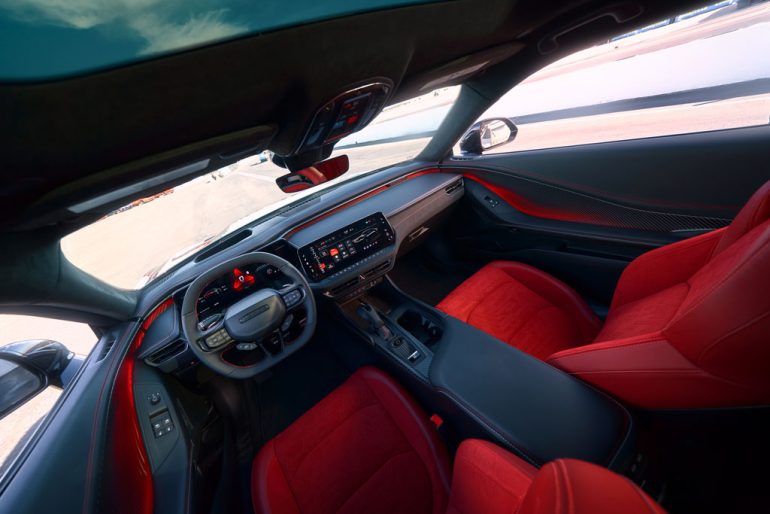
There is also a pricing problem that Dodge cannot ignore. Even when the new Charger performs well, it often asks buyers to spend serious money in a segment where emotional appeal matters almost as much as horsepower. When a well-equipped Sixpack pushes beyond $60,000 and a Daytona can climb even higher, buyers inevitably start looking at used Hellcats, Scat Packs, Mustang GTs, luxury sport sedans, and plenty of other tempting alternatives. CarEdge has already identified the new Charger as one of the most heavily supplied vehicles on the market, and large inventories tend to force discounts. That may be good news for bargain hunters, but it can also hurt resale values and make early buyers feel like they paid too much.
All of this makes Stellantis’ new quality push even more important. Dodge cannot afford to ask buyers to accept higher prices, a dramatic powertrain shift, and software problems at the same time. The Sixpack gives the company a much-needed path forward because it proves there is still interest in the Charger name when the product feels closer to what customers expect. At the same time, the mountain of inventory surrounding the Daytona shows how quickly the market can punish a product that misses the emotional target. Sources informing this follow-up include our own Automotive Addicts Charger Sixpack review, our report on Stellantis’ quality initiative, CarBuzz reporting that helped inspire this post, CarEdge inventory data, Dodge product and incentive information, and published Stellantis sales figures. The next question is whether Dodge can refine the Charger quickly enough to rebuild momentum, or whether the rumored return of a V8-powered model will ultimately be the move that brings the faithful back.

Lloyd Tobias is a seasoned automotive journalist and passionate enthusiast with over 15 years of experience immersed in the world of cars. Whether it's exploring the latest advancements in automotive technology or keeping a close pulse on breaking industry news, Lloyd brings a sharp perspective and a deep appreciation for all things automotive. His writing blends technical insight with real-world enthusiasm, making his contributions both informative and engaging for readers who share his love for the drive. When he's not behind the keyboard or under the hood, Lloyd enjoys test driving the newest models and staying ahead of the curve in an ever-evolving automotive landscape.

Lloyd Tobias is a seasoned automotive journalist and passionate enthusiast with over 15 years of experience immersed in the world of cars. Whether it’s exploring the latest advancements in automotive technology or keeping a close pulse on breaking industry news, Lloyd brings a sharp perspective and a deep appreciation for all things automotive. His writing blends technical insight with real-world enthusiasm, making his contributions both informative and engaging for readers who share his love for the drive. When he’s not behind the keyboard or under the hood, Lloyd enjoys test driving the newest models and staying ahead of the curve in an ever-evolving automotive landscape.