
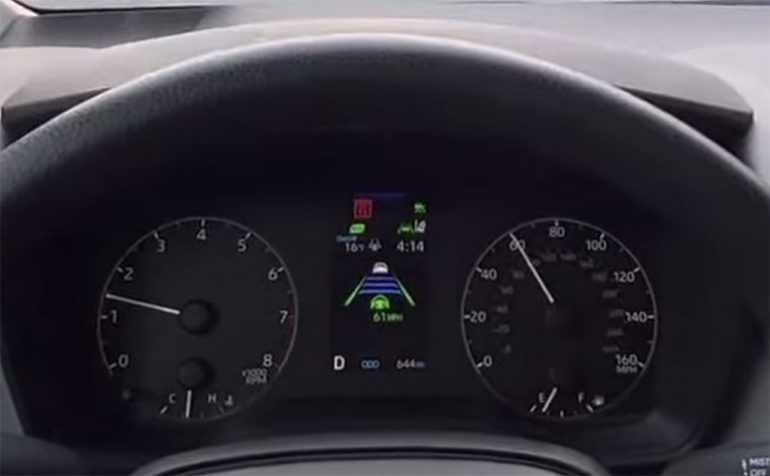
In recent years, advancements in automotive technology have transformed the way we drive. One such innovation is Adaptive Cruise Control (ACC), a revolutionary feature that enhances driving comfort and safety. In this article, we will explore what adaptive cruise control is and how to use it effectively.
Adaptive Cruise Control is an intelligent system designed to maintain a safe distance between your vehicle and the one ahead, using a combination of sensors, radar, and cameras. Unlike traditional cruise control, which solely maintains a constant speed set by the driver, ACC automatically adjusts the speed to match the flow of traffic, making it an ideal feature for long highway drives or heavy traffic conditions.
ACC uses sensors, typically located in the front grille or bumper, to detect and track the position of vehicles ahead. These sensors measure the distance, speed, and relative motion of the vehicles. Based on this data, the system determines a safe following distance and adjusts the speed accordingly.
Using Adaptive Cruise Control:
Deactivation: To deactivate ACC, either press the ACC button again or apply the brakes. Disengaging the system will revert your vehicle to normal driving mode.
Benefits of Adaptive Cruise Control:

Lloyd Tobias is a seasoned automotive journalist and passionate enthusiast with over 15 years of experience immersed in the world of cars. Whether it’s exploring the latest advancements in automotive technology or keeping a close pulse on breaking industry news, Lloyd brings a sharp perspective and a deep appreciation for all things automotive. His writing blends technical insight with real-world enthusiasm, making his contributions both informative and engaging for readers who share his love for the drive. When he’s not behind the keyboard or under the hood, Lloyd enjoys test driving the newest models and staying ahead of the curve in an ever-evolving automotive landscape.