If you have ever daydreamed about an Autobahn-style blast across a wide-open highway, Arizona might be testing that fantasy sooner than you think. According to CarBuzz.com via Fox 10 Phoenix, a new piece of proposed legislation would allow certain stretches of rural interstate to operate with no posted maximum speed limit under specific conditions. The idea is as bold as it sounds, and it is already stirring up equal parts curiosity, excitement, and a whole lot of side-eye from everyday drivers.
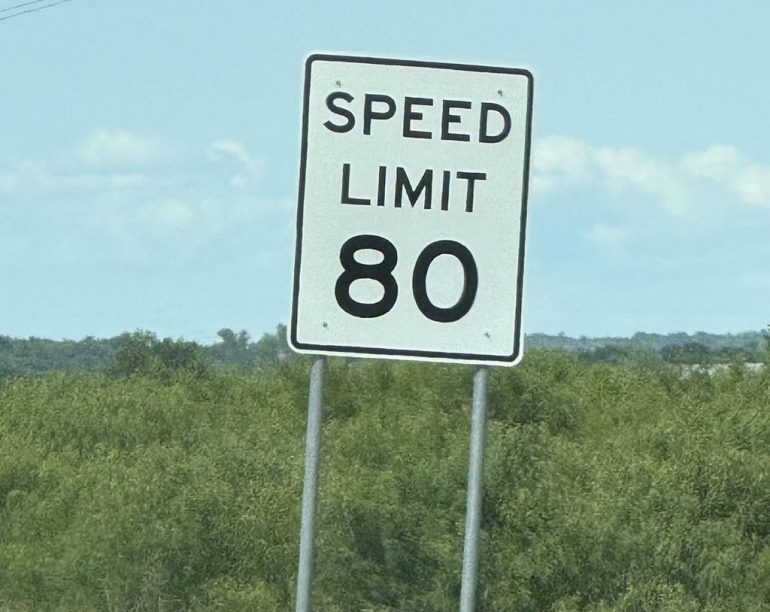
The bill is called the Reasonable and Prudent Interstate Driving Act, or the RAPID Act (HB 2059), authored by State Representative Nick Kupper. In simple terms, it would let Arizona’s Department of Transportation director designate “Derestricted Speed Zones,” meaning areas where no maximum speed limit applies to motor vehicles. The catch is that it is not a free-for-all at all hours. The derestricted rule would only apply from 30 minutes before sunrise to 30 minutes after sunset, and at night the limit would revert to 80 mph. Commercial vehicles would not be allowed to run flat-out, either.
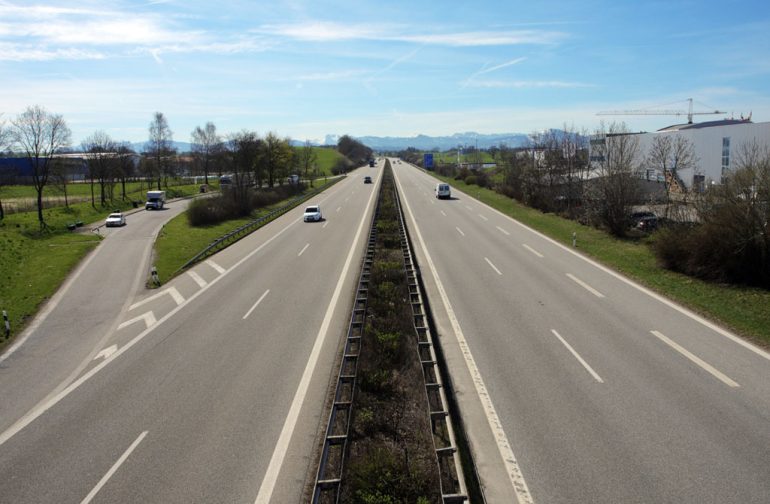
What makes this proposal more than just headline bait is the list of guardrails built into it. Any derestricted stretch would require engineering and traffic investigations, and it would need to meet some strict criteria, including being far from population centers of 50,000 people and carrying a crash rate below the statewide average. There are also firm keep-right requirements, which is a big deal if you have ever been stuck behind a left-lane camper while traffic stacks up. On paper, it reads like an attempt to copy the structure of places that treat lane discipline and situational awareness as the backbone of higher-speed travel.
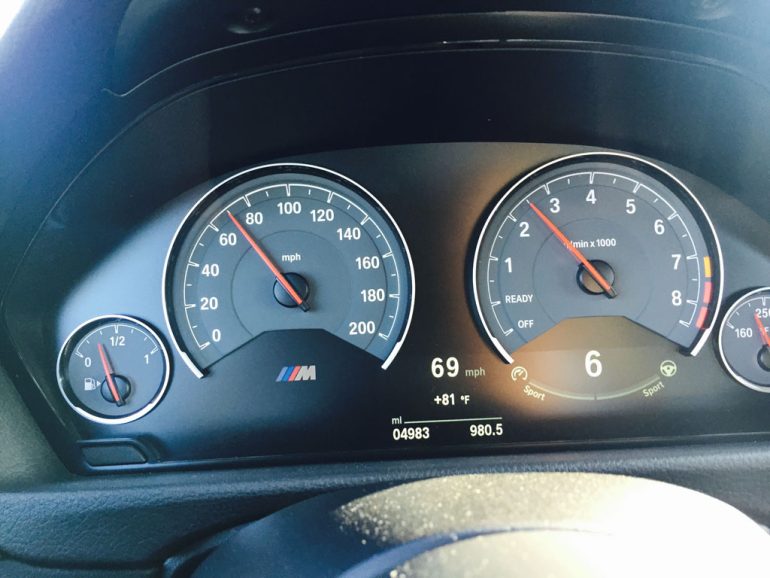
The “reasonable and prudent” wording is the heart of it, and it is also where things get complicated. The standard basically says your speed must make sense for the conditions, with traffic, weather, visibility, and even vehicle condition considered. If you crash while running a triple-digit pace, the bill’s logic is that the crash itself is strong evidence you were not being reasonable or prudent. Kupper told Fox 10 his inspiration comes from both Germany and Montana, pointing to the idea that many drivers naturally settle into a comfortable pace even without a hard number posted, and that tighter speed grouping can sometimes reduce risky speed differentials.
If this becomes law, it would start as a one-year pilot program on a section of Interstate 8, with the exact segment to be determined later. I-8’s long desert runs make it an obvious test bed, but locals interviewed by Fox 10 did not sound thrilled, with multiple drivers calling the idea crazy and outright unsafe. For now, Arizona’s highest posted speed limit is 75 mph on rural interstates, so this proposal would be a massive shift in how the state thinks about speed enforcement. Whether it turns into a carefully controlled experiment or dies in the debate phase, it is the kind of story that will have enthusiasts watching closely and safety advocates asking tough questions.

Darryl Taylor Dowe is a seasoned automotive professional with a proven track record of leading successful ventures and providing strategic consultation across the automotive industry. With years of hands-on experience in both business operations and market development, Darryl has played a key role in helping automotive brands grow and adapt in a rapidly evolving landscape. His insight and leadership have earned him recognition as a trusted expert, and his contributions to Automotive Addicts reflect his deep knowledge and passion for the business side of the car world.