Ford’s eye-popping $19.5 billion EV write-down is not just a headline-grabber, it is a reminder that automakers build on long timelines while Washington can flip the script in a single election cycle. When rules and incentives swing hard in opposite directions, product plans that made sense on a spreadsheet two years ago can suddenly look like expensive wishful thinking on the dealer lot.
A big piece of the whiplash for shoppers is that the federal EV tax credits that helped soften the blow on purchase prices are gone. The $7,500 new-EV credit and $4,000 used-EV credit ended after September 30, 2025, and the market reaction was immediate. Without that instant discount, more buyers are hesitating, leasing, or pivoting to hybrids, especially as the average new-vehicle transaction price has been hovering around the $50,000 mark.
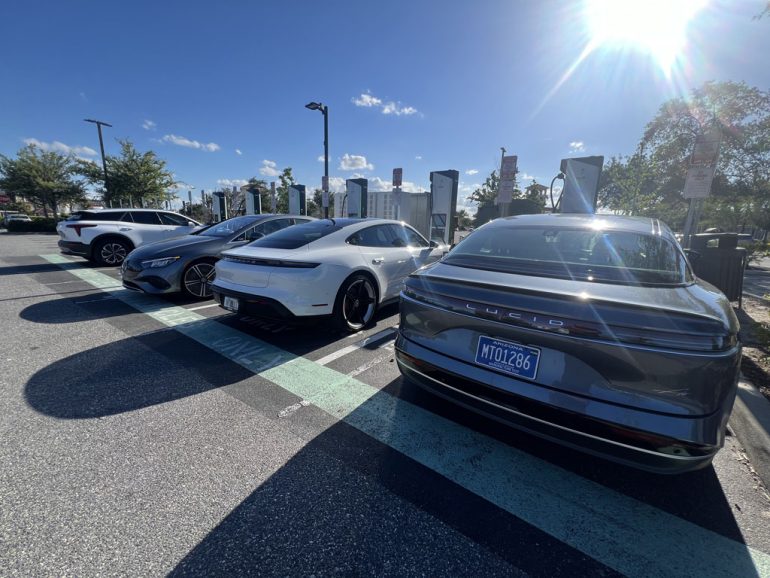
That reality is pushing Detroit into a more cautious, profit-protecting posture. Ford has openly shifted away from chasing massive EV volume in the near term, and GM has also slowed EV output and delayed some factory ramp-ups as demand proved softer than the industry expected. The consumer-friendly takeaway is simple: you should expect fewer “we are going all-EV next week” promises, and more flexible lineups where gas, hybrid, plug-in, and full EVs all live side by side.
The biggest near-term winner looks like the hybrid, not the pure EV. Hybrids have been rising quickly in registrations and sales, and Toyota has benefited from leaning into electrified options early and often. For shoppers, that means more hybrid trims on familiar nameplates, more inventory, and fewer compromises, especially if you are not ready to build your routine around charging.
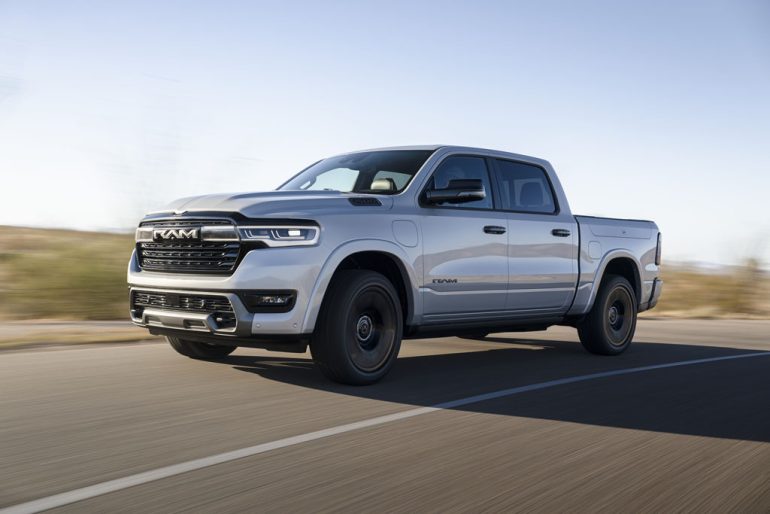
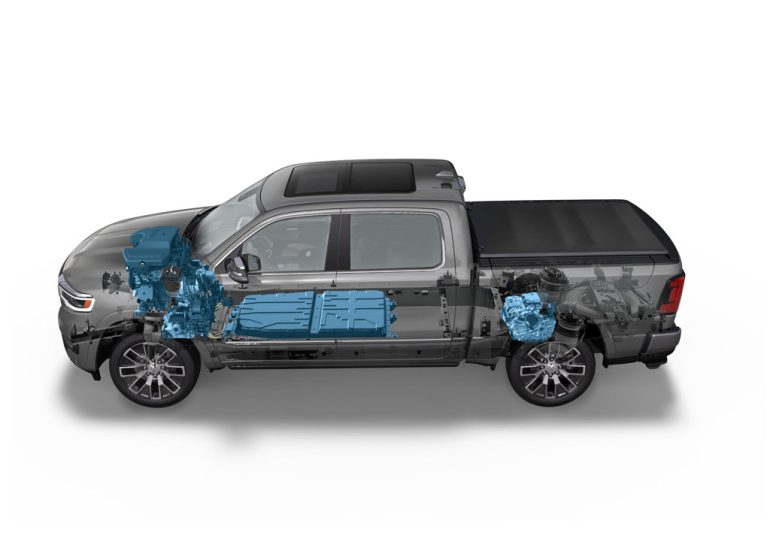
Then there’s the wildcard that could define 2026 showroom conversations: extended-range electric vehicles, or EREVs. Ford is already talking about a next-gen F-150 Lightning approach with an estimated 700+ miles of total range using an onboard generator, basically an EV-first truck that carries its own safety net for road trips and towing days. If this strategy spreads, it can give buyers the quiet torque and around-town electric driving they like, without the long-distance anxiety that still scares off plenty of mainstream truck owners.
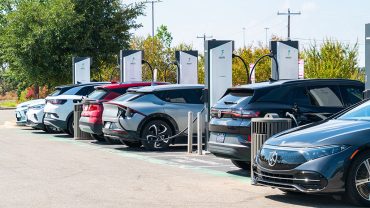
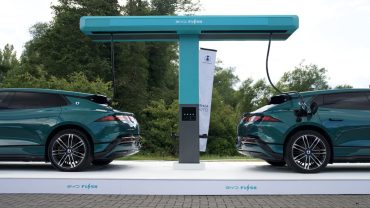
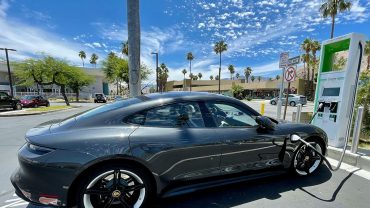
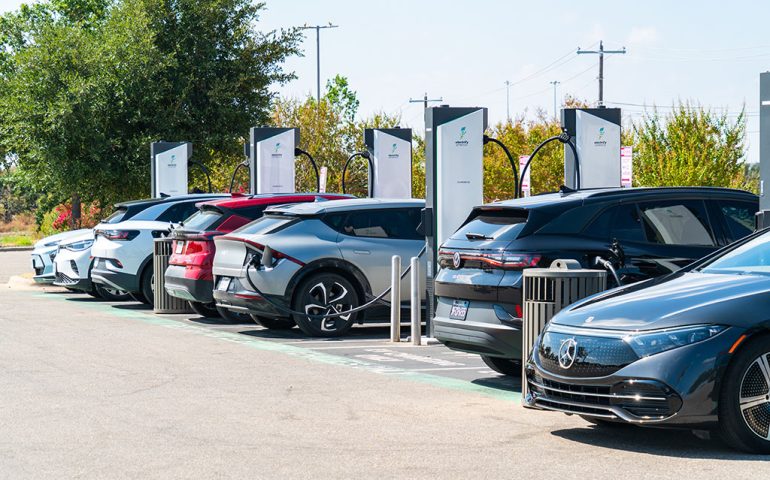
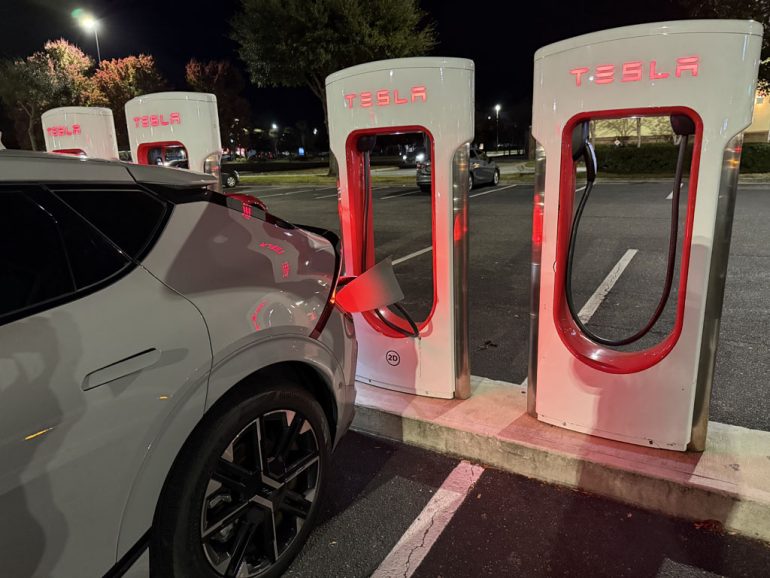
Charging should also feel less fragmented by 2026, even if EV sales growth stays choppy. The industry’s move toward Tesla’s North American Charging Standard is steadily improving cross-brand compatibility, and more automakers are lining up to offer Supercharger access. For consumers, that matters because it reduces the “which plug do I need” stress and can make EV ownership feel more normal, even as incentives come and go.
Where this gets especially interesting is pricing pressure from the wider world. China is already building EVs cheaply enough to challenge gas vehicles on price in many cases, while U.S. EVs still tend to carry a noticeable premium. Even if trade barriers slow the flood of imports, global competition still pushes automakers to find cost-down solutions, which is why you will keep hearing about smaller batteries, cheaper platforms, and simpler feature packaging through 2026.
So what should you expect on your next purchase over the next year or two? More hybrids in every size class, more plug-ins and EREVs positioned as the “best of both worlds,” and a slower, more selective rollout of full EVs from the traditional truck-and-SUV heavyweights. Meanwhile, EV deals will not disappear, they will just be driven more by manufacturer incentives, leases, and dealer-level pricing than by a predictable federal check. If you can charge at home and you plan to keep a vehicle long enough to benefit from lower operating costs, an EV can still pencil out, but 2026 is shaping up to be the year the industry meets most buyers where they actually are, not where the policy winds said they would be.

Darryl Taylor Dowe is a seasoned automotive professional with a proven track record of leading successful ventures and providing strategic consultation across the automotive industry. With years of hands-on experience in both business operations and market development, Darryl has played a key role in helping automotive brands grow and adapt in a rapidly evolving landscape. His insight and leadership have earned him recognition as a trusted expert, and his contributions to Automotive Addicts reflect his deep knowledge and passion for the business side of the car world.

Darryl Taylor Dowe is a seasoned automotive professional with a proven track record of leading successful ventures and providing strategic consultation across the automotive industry. With years of hands-on experience in both business operations and market development, Darryl has played a key role in helping automotive brands grow and adapt in a rapidly evolving landscape. His insight and leadership have earned him recognition as a trusted expert, and his contributions to Automotive Addicts reflect his deep knowledge and passion for the business side of the car world.