
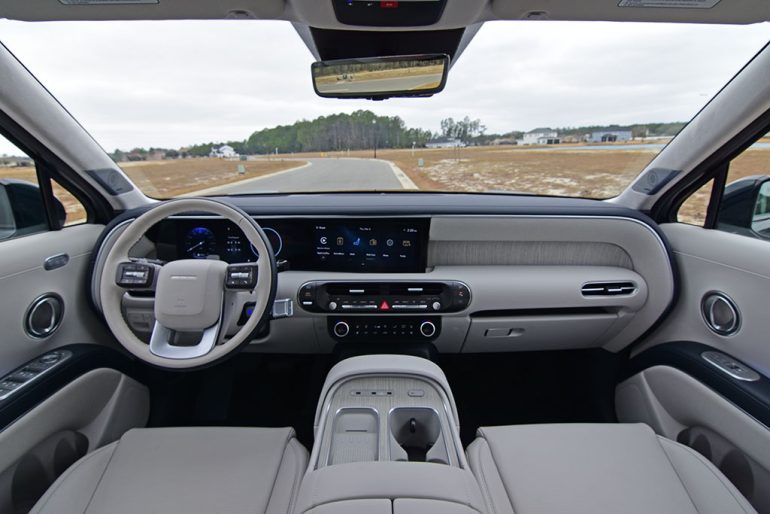
Driving is a massive responsibility that requires every bit of a person’s attention to stay safe on the modern road. A split second of looking away can lead to a lifetime of regret for everyone involved in a crash. It isn’t just about the driver’s own safety but the well-being of every other motorist nearby.
Staying focused means ignoring the constant pings and notifications that come from a smartphone or a dashboard screen. The temptation to check a quick message is high, but the physics of a moving vehicle make that choice dangerous. Most people don’t realize how far they travel while their eyes are off the pavement.
Salt Lake City has implemented strict rules to keep the streets clear of avoidable hazards. Navigating the nuances of Utah’s distracted driving laws is essential for anyone who wants to avoid heavy fines and keep their license in good standing. These statutes protect the public by punishing those who prioritize screens over safety.
State statutes explicitly forbid a driver from holding a wireless communication device while operating a motor vehicle on a public highway. This means that even holding a phone in your hand while sitting at a red light is technically a violation of the law. You cannot simply claim you weren’t using the device if it was in your palm.
There are narrow exceptions for emergency calls or using voice-to-text features that don’t require manual input. However, the core of the rule is that the phone must be mounted or stowed away so it doesn’t distract the operator. Many drivers get caught because they think a quick glance at a map while holding the device is acceptable behavior.
It is also illegal to view or record video while behind the wheel, which has become a major issue with the rise of social media. Engaging in any activity that requires multiple manual entries is a sure way to get a citation. The goal is to keep hands on the wheel and eyes on the road at all times.
Distracted driving is considered a primary offense in this region, which gives law enforcement a significant amount of power. This means a police officer doesn’t need another reason, like speeding or a broken taillight, to pull you over. If they see a glowing screen in your hand, they have the legal right to initiate a traffic stop.
This status reflects how seriously the state views the danger of a distracted operator. It isn’t treated as a secondary concern that only gets addressed after a crash occurs. Instead, the focus is on prevention and stopping the behavior before it leads to a collision. Police are actively looking for the telltale signs of a driver who is looking down.
Being pulled over for this offense can be a stressful experience that leads to an immediate ticket. There is very little room for negotiation once an officer has witnessed the violation. The clarity of the primary offense status ensures that the law is enforced consistently across the state to maintain a standard of public safety for everyone.
A conviction for using a device while driving carries more than just an immediate fine. It also results in points being added to your driving record, which can quickly lead to a license suspension if you aren’t careful. These points stay on your history for years, acting as a permanent stain on your reputation as a safe operator.
Insurance companies pay very close attention to these specific violations when they calculate your monthly premiums. A distracted driving ticket is seen as a high-risk indicator that suggests you are likely to be involved in a future crash. Your rates will almost certainly go up, costing you thousands of dollars over the long term.
For commercial drivers, the stakes are even higher as a single conviction can lead to the loss of a job. Employers in the transportation industry cannot afford the liability of a driver who ignores the rules of the road. The financial and professional fallout from a single five-second glance at a phone is far reaching and difficult to overcome.
When a crash occurs, the fact that a driver was distracted becomes a centerpiece of the civil lawsuit. Personal injury attorneys use phone records and witness testimony to prove that the defendant breached their duty of care. This evidence is incredibly powerful when it comes time for a jury to decide who was at fault for the incident.
Being found in violation of the state statutes often leads to a finding of negligence per se. This legal concept means that because you broke a safety law, you are automatically considered negligent in the eyes of the court. It makes it nearly impossible to defend your actions if there is proof that you were looking at a screen.
The resulting payouts in these cases can be massive, as the lack of focus is seen as a reckless choice. Victims are often awarded higher settlements when they can prove the other driver was texting or browsing the web. The civil justice system uses these financial penalties to hold people accountable for the damage they cause while distracted.
Developing a mindset that prioritizes a “devices down” approach is the only way to stay truly safe on the modern road. The physical and legal risks of a distraction are simply too high to justify checking a notification while in motion. No message is important enough to risk a life or a career.
It takes a conscious effort to break the habit of reaching for a phone every time it pings or vibrates. Setting up your navigation and music before you shift into gear is a small step that makes a huge difference. These simple routines build the foundation of a safe and responsible driving career over time.
Realizing that the road belongs to everyone helps put the danger into perspective. When you put the phone away, you are respecting the lives of the people around you and the laws of the state. Staying alert and focused is the best gift you can give yourself and your community every time you drive.

Automotive Addicts Contributors are a collective of guest writers, industry professionals, and passionate enthusiasts who bring fresh perspectives to the Automotive Addicts platform. Focused on delivering timely news, in-depth reviews, and unique insights, these contributors help keep the site dynamic and engaging. Many use the platform to expand their reach and build credibility within the automotive media world, adding depth and variety to the content that drives the Automotive Addicts community.

Automotive Addicts Contributors are a collective of guest writers, industry professionals, and passionate enthusiasts who bring fresh perspectives to the Automotive Addicts platform. Focused on delivering timely news, in-depth reviews, and unique insights, these contributors help keep the site dynamic and engaging. Many use the platform to expand their reach and build credibility within the automotive media world, adding depth and variety to the content that drives the Automotive Addicts community.


