
Best Truck Stops Rest Areas & Freight Hotspots Around Dallas–Fort Worth
The guide focuses on practical truck stop options, rest areas, and freight hotspots across the Dallas – Fort Worth region. Particular attention is given to how Dallas truck stops operate in real conditions, where drivers can realistically find truck parking in Fort Worth, and how fuel prices and access to showers vary depending on location and time of day.
It also addresses ongoing challenges with truck parking availability, outlines what drivers should expect when approaching weigh stations in Texas, and highlights truck-friendly routes that help reduce unnecessary delays. Whether you are passing through the area on OTR or running a consistent regional lane, understanding where to stop — and which areas to avoid — can save valuable time and significantly reduce daily stress. For many drivers evaluating driving opportunities around Dallas-Fort Worth, understanding where freight concentrates and how infrastructure works locally is just as important as pay rates or route length.
Why Dallas – Fort Worth Is a Core Freight Market

DFW reveals a national logistics gas station rather than a typical metro area. It is a freight conduit for many parts of the country—driven by retail distribution, manufacturing, and intermodal rail connections.
It is the combination of three features that shape the DFW trucking environment:
Volume: this is the constant freight whose demand is driven mainly by warehouse districts and intermodal yards.
Density: here, we have a concentration of heavy trucks in a relatively compact metro area.
Time pressure: this is the case of limited parking spots during the night and tight appointment windows.
Drivers have the available loads but trip planning is paramount which is why it is necessary to know the area more than drivers in many other regions.
Main Trucking Corridors Surrounding Dallas–Fort Worth

Truck stops and freight hotspots surrounding DFW are strategically located mainly along interstate corridors.
I-35 (North–South)
This lane carries an extensive amount of commercial traffic going from the Midwest to the South. In line with its high traffic, the lane is dotted with I-35 truck stops that fill quickly especially during rush hour.
I-20 (East–West)
I-20 is often the road chosen by drivers involved in long-haul trips as well as regional drivers. The advantageous side is the access to the main warehouse district from the side of the road which makes this route a little bit easier for having overnight parking compared to central Dallas.
I-30 Corridor
Between Dallas and Fort Worth, I-30 serves both retail and short-haul freight. Parking is limited here, but access to reloads is strong for local and regional operations.
Real Experience at the Dallas Truck Stops: Fuel, Showers, and Parking
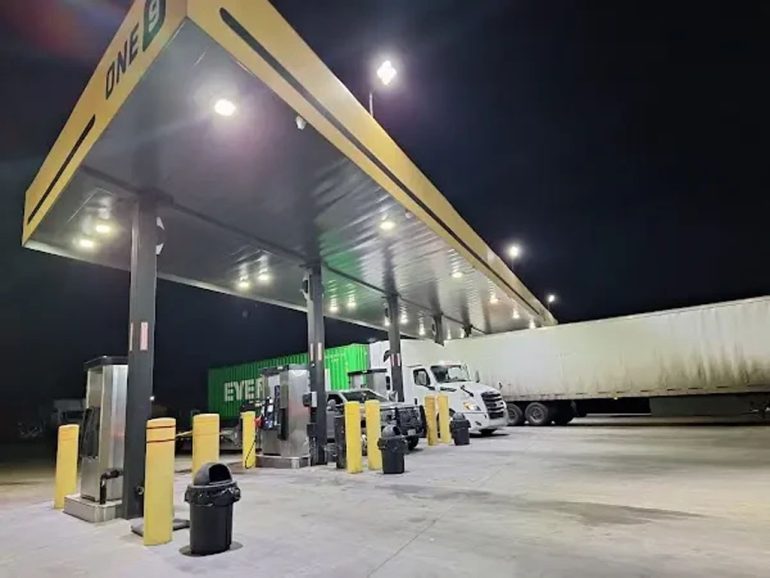
Dallas truck stops differ and not all of them have the same experience. Some of them have full amenities but a limited parking section while others provide more spacing but lesser services.
The usual priorities Dallas drivers concern are available:
Fuel prices: low-fuel prices can be attained with the high competition around the area.
Showers: during late hours, they are in high demand.
Truck parking availability: it is always hard to find parking for trucks inside the metro, whereas the outer loop is better.
Drivers are usually familiar with the road patterns in the area and they tend to refuel in the before entering the central Dallas area to avoid parking problems or they push through to the outer ring locations to park without the need for searching.
Fort Worth Truck Parking: A Sip of Breath
Truck parking in Fort Worth compared to Dallas may be somewhat easier, especially on the western and southwestern sides of the city. The industrial zones are not that congested, they provide better access to I-20 and I-35 without the heavy traffic on the area.
The weekdays after work hours still however fill up quickly. Late arrivals without a plan usually find it hard to find parking spots near the freight hubs, which is why Fort Worth truck parking works best for drivers who plan stops earlier in the day and target outer industrial zones rather than central freight clusters.
Rest Areas in North Texas: Limited but Useful
The rest areas situated near DFW in Texas are few in numbers. They are not particularly suited for the overnight stay of motor vehicles. The most common uses for them are:
- Short breaks for drivers to remain compliant
- Using them as safety checks
- Taking temporary rest before moving to a truck stop nearby
Due to the aforementioned limitation, rest areas should not be regarded primarily as the solution to overnight parking issues in DFW but rather viewed as a part of a broader strategy, since rest areas Texas are designed mainly to support short-duration stops and regulatory compliance rather than long-term truck parking in high-density freight regions.
Truck Parking in Dallas, TX!
According to a national truck parking report by the American Transportation Research Institute and AASHTO, the lack of available truck parking spaces at public rest areas is a persistent industry concern, with an average of only about 25 truck spaces per rest area in Southern states — underscoring limited overnight parking options near freight corridors.
Rest Areas, Weigh Stations, and Their Influence on DFW Trip Planning
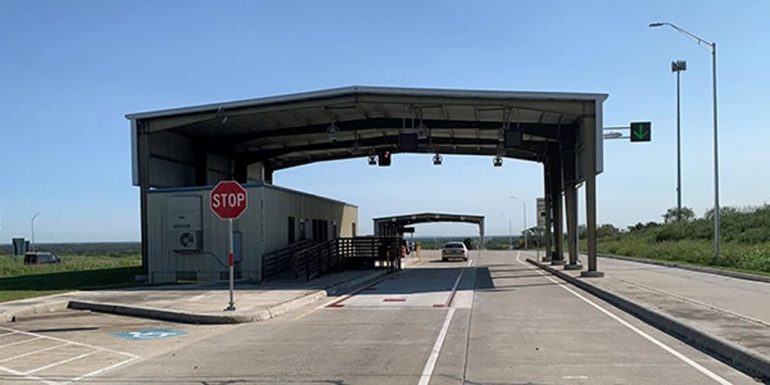
Truck drivers operating in the Dallas-Fort Worth area recognizes Texas rest areas as a small factor but still they do add value to the daily trip planning. Unlike the vast majority of rural states, North Texas when compared is quite remote to large rest areas primarily designated for passengers wanting to park overnight. Instead of that, most the facilities near the metro area are used only for short compliance breaks, fast safety checks, or temporary stops before going to a truck stop or freight destination.
The connection of rest areas and weigh stations is vital in Texas especially in the DFW region. A large number of the enforcement points are set at major entry routes, especially the I-20 trucking routes and the I-30 corridor where the freight volumes are high a lot of the time. During rush hours weigh stations could delay traffic which makes absolutely crucial any kind of action that drivers take to keep their schedule.
Drivers who are informed about these elements can pass without wasting time. Those who choose spots for breaks prior to the zones of enforcement tend usually to pass more quickly through the area than those who park spontaneously. This is especially significant with time-critical freight transport into freight hubs throughout DFW, where missing an assigned time will probably lead to a longer wait.
For example, experienced drivers do not see rest areas as only a place to sleep overnight but they see that as a part of a more complex routing strategy. If and only if they are used in the right way, they do support compliance and safety without disturbing time frames for delivery. In a densely populated area such as Dallas-Fort Worth, it is very useful to have knowledge about the location of rest areas and weigh stations where they intersect major corridors-not just a luxury.
Understanding how weigh stations Texas operate around the Dallas–Fort Worth metroplex allows drivers to plan stops more effectively and reduce the risk of unexpected delays during high-traffic enforcement periods.
Freight Hotspots and Warehouse Districts in DFW
DFW is home to many high-volume freight and the areas that attract substantial trade but also have heavy congestion.
Some of the main freight zones include:
- South Dallas warehouse districts
- Alliance corridor near Fort Worth
- Rail-connected intermodal yards
These locations are fast in moving freight but at the same time, they get stuck in truck queues. It is always best to compensate for these queues by getting there in the morning.
Freight Hubs, Parking Squeeze, and Safe Stopping Solutions in DFW Area
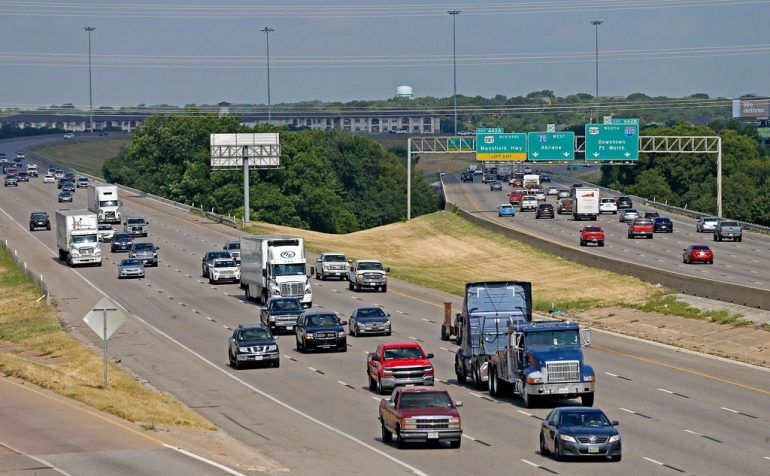
The volume of freight hubs in DFW thus creating both the chance and the challenge for truck drivers. A massive warehouse district and intermodal facilities being a steady freight demand generating facility also means they become a space competition source – especially during peak time parking near delivery zones. This issue is more apparent on I-20 trucking routes and the I-30 corridor, the spaces of which remain overcrowded throughout the day.
The drivers who come very late at night are often the ones that face the problem of the limited choices at those hubs. This fact makes safe parking tips not to be just a generality but rather a must for people working in this industry. The selection of parking lots earlier during the day time, the prioritization of those in well-lit areas with apparent truck traffic, and avoiding solitary industrial streets are the key to risk and stress reduction.
Freight hubs parking decisions have direct consequences on productivity. Drivers who schedule stops along warehouses’ working hours tend to avoid being idle for long times and also they can park near reload chances for the next cargo. This is particularly good close to Fort Worth–side logistics zones where traffic moves slightly freer than in downtown Dallas.
Another issue is the enforcement activities. Slap your interval key to the presuming based on weigh stations due to the fact that wrong starting times may put your drivers straight into inspection lines in peak times. Bring your parking and rest plans in line with the known patterns of enforcement for an even smoother drive.
Mainly, the act of safe and effective parking doesn’t just happen in the Dallas-Fort Worth area as a coincidence. It is the combination of the freight hub’s location, the primary road’s position, and the enforcement activities that a person who adapts their daily routine accordingly can achieve such outcome.
Freight hubs DFW play a decisive role in shaping parking pressure, delivery timing, and overall trip efficiency, making advance planning essential for drivers operating in these high-density logistics zones.
Truck Stop & Parking Overview by Corridor

Truck Stop and Parking Overview by Corridor
Trucking Infrastructure Around Dallas – Fort Worth
| Corridor | Parking Availability | Fuel & Showers | Freight Access |
| I-35 | Tight near city, better outside metro | Competitive but busy | High |
| I-20 | Moderate, more space south of Dallas | Reliable | Strong |
| I-30 | Limited | Basic | High (local/regional) |
| Fort Worth West | Better than Dallas core | Moderate | Growing |
Weigh Stations and Enforcement Considerations
Weigh stations can be commonly found in Texas at main entrances to the metroplex. Around DFW, enforcement activity increases during peak freight movement periods.
Drivers should look forward to:
- Random inspections around corridor entry points
- Increased monitoring on I-35 and I-20
- Faster clearance during off-peak hours
Passing stops before entering the enforcement zones saves time and helps you avoid unnecessary delays.
Safe Parking Tips for the DFW Area
Parking in Dallas–Fort Worth is only successful with a proactive plan rather than by scrambling last minute.
Veteran drivers stand by three tenets:
- Park at an earlier hour in the evening
- Choose well-lit areas with a lot of traffic
- Stay away from industrial streets where you will be alone at night
These practices lower risk, promote quality of rest, and help in compliance maintenance.
Truck-Friendly Routes and Practical Planning
Traffic patterns like congestion or construction in DFW can change very quickly. Sometimes truck-friendly routes are entirely avoiding the central area during rush hours while also utilizing outer connectors.
Routing efficiency around Dallas – Fort Worth saves fuel, protects deadlines, and most importantly makes the drivers unsocial less stressful-exp
specially when operating under strict time protocols.
Final Note

As per aforementioned information, Dallas–Fort Worth has some of the best freight chances in the entire nation; however, it not only needs one to be knowledgeable but also smart. Knowing where to fuel, park, rest, and reload transforms DFW from a stressful bottleneck into a productive run.
Through smart planning and being conscious of the freight hotspots, as well as having a realistic expectation on parking drivers can work well and the most important thing is to drive in one of the busiest trucking areas in the US.


