
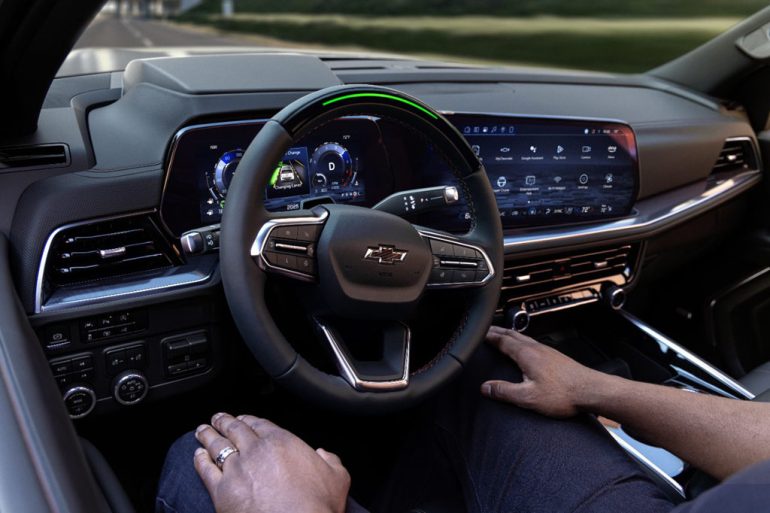
A few years back, advanced driver assistance systems were only available in flagship luxury sedans. Even small crossovers are now coming with adaptive cruise control, lane-keeping assist, a blind spot monitor and automatic emergency braking.
What started as high-quality innovation by brands such as Mercedes-Benz and BMW has quickly turned into a standard of the industry. The adoption has been quick with wide-ranging implications. The big question is: are they making the roads safer and more comfortable? Or are they quietly encouraging complacency behind the wheel?
Consumer demand, regulatory impact, and differentiation among competitors have contributed to the growth of ADAS. Automobile manufacturers are now competing in terms of horsepower and design but also software capability. Tesla for one took the lead in mainstream education and sold semi-autopilot systems directly to customers, redefining what a modern car should do.
Safety rating agencies have further reinforced his trend by rewarding vehicles with collision mitigation and driver monitoring capability. Systems once considered optional luxuries are now standard across multiple price tiers.
The benefits are concrete:
Human reaction time has limits, particularly during heavy traffic or long commuters, and assistance systems can help during a crisis. These technologies are a step in the same direction as the introduction of anti-lock braking systems and electronic stability control. They too were once doubted but are everywhere now because their effectiveness is already established.
Behavioral complexity is brought about by technological progress. As a vehicle controls steering and speed modulations, drivers can become slowly disengaged, but overreliance can become a measurable concern. The majority of the existing systems are at Level 2 autonomy, meaning that a driver has to be fully alert and able to intervene.
However, the line between assistance and autonomy is sometimes obscured by the marketing language and user perception. Debates surrounding semi-autonomous systems, particularly those branded assertively by Tesla, have raised concerns over driver responsibility.
The problem is also complicated by automation bias. Reaction time may be slower in times of crisis when people place too much trust in automated systems. Arguments surrounding motorcycle crashes in San Jose show why the dynamic nature of traffic requires constant human attention, irrespective of technological aids. Assistance can mitigate risk, but it cannot eliminate responsibility. And responsible car care is a part of the package.
For enthusiasts, the conversation extends beyond safety statistics. Driving is an experience characterized by interaction and feedback. Brands like Porsche are trying to incorporate assistance systems without losing the steering experience or chassis feedback. The balance is delicate, over intervention has the risk of eroding connection, but resistance to innovation can be counter-productive to safety progress.
Broader innovation brings about new safety concerns as well. Take electronic vehicles as an example. Due to the fire risks of lithium-ion batteries, manufacturers are streamlining thermal management systems and structural safeguards. These tendencies confirm that technological innovations must react to new areas of vulnerability as well as convenience.
As driver assistance systems evolve, the issue of liability and regulation becomes more intricate. If an accident happens, the driver alone will not be accountable, the manufacturer and the software developer will also be implicated.
Insurers have already begun to examine the effect of ADAS data on claims and premiums. Regulatory structures are likely to change over the years to establish more articulate accountability principles, so that innovation can be progressive without compromising the legal or societal confidence.
The future of driver assistance will likely emphasize partnership rather than replacement. Better integration of sensors, improved driver monitoring, and clear interface communication are expected to maintain engagement and ensure safety. There is still the need to own responsibility. Maintenance, tire inspection, and car care remain factors that affect real-world performance as much as sophisticated software.

Automotive Addicts Contributors are a collective of guest writers, industry professionals, and passionate enthusiasts who bring fresh perspectives to the Automotive Addicts platform. Focused on delivering timely news, in-depth reviews, and unique insights, these contributors help keep the site dynamic and engaging. Many use the platform to expand their reach and build credibility within the automotive media world, adding depth and variety to the content that drives the Automotive Addicts community.

Automotive Addicts Contributors are a collective of guest writers, industry professionals, and passionate enthusiasts who bring fresh perspectives to the Automotive Addicts platform. Focused on delivering timely news, in-depth reviews, and unique insights, these contributors help keep the site dynamic and engaging. Many use the platform to expand their reach and build credibility within the automotive media world, adding depth and variety to the content that drives the Automotive Addicts community.


