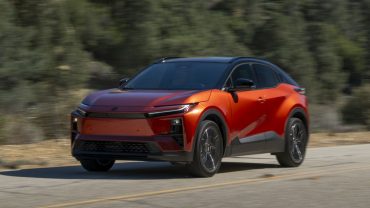

Toyota is on a serious EV roll right now, and the timing is hard to ignore. After the all-new Highlander EV hit the scene just last week and the updated bZ Woodlands showed up this week with a tougher attitude, Toyota is already dropping another headline: the C-HR nameplate is coming back to the U.S. as a fully electric compact SUV, and it is bringing real power with it.
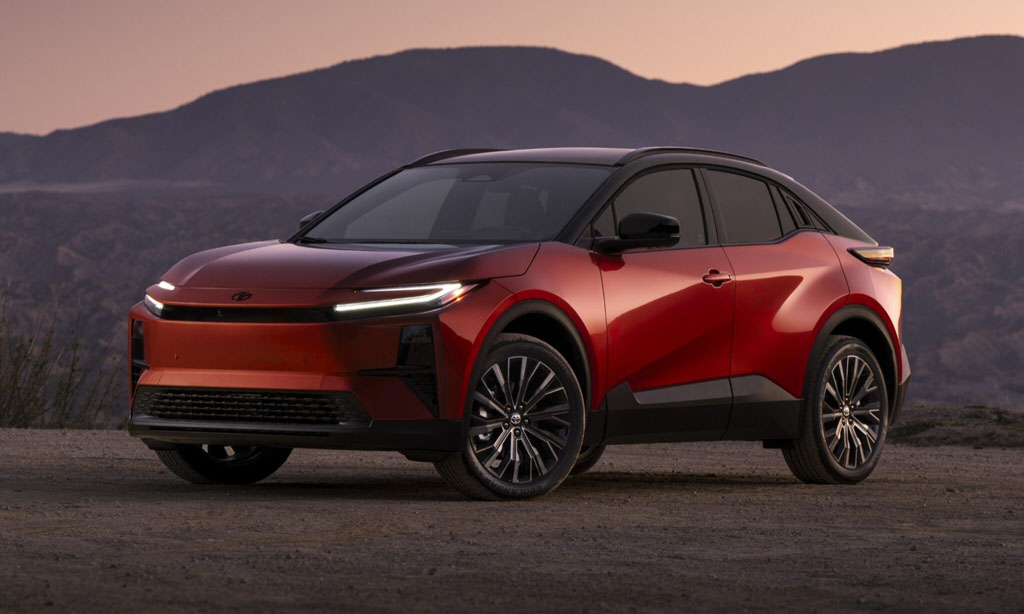
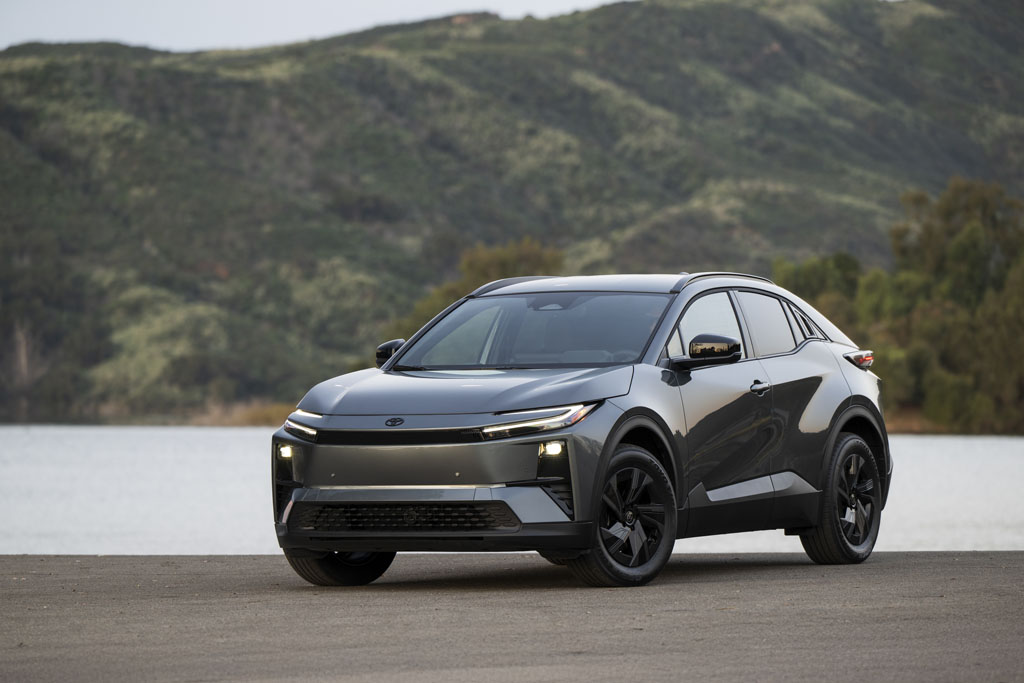
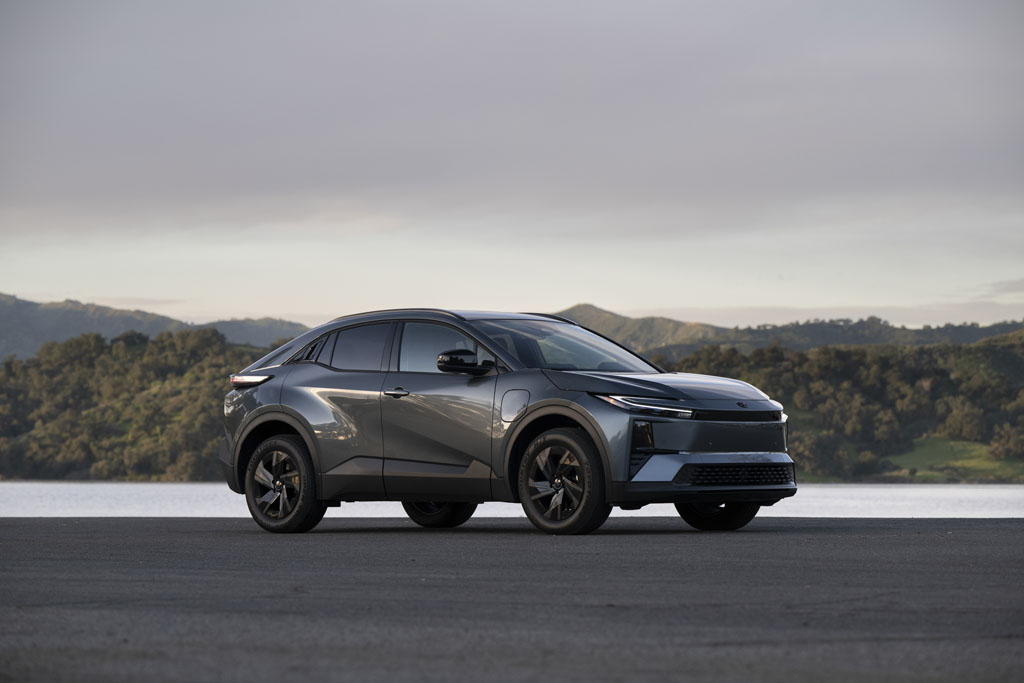
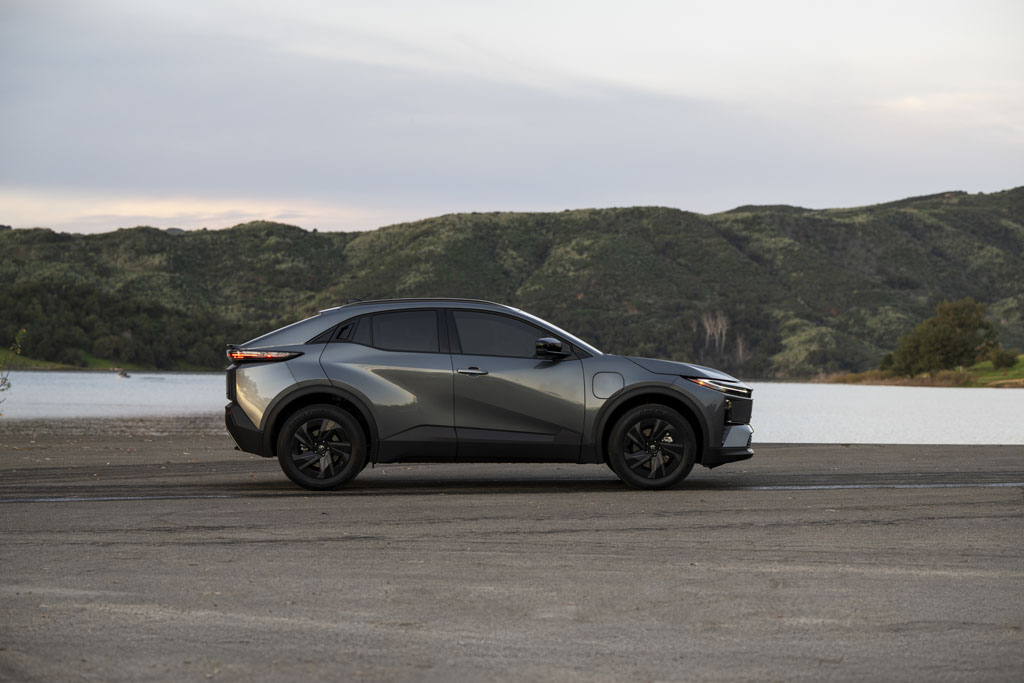
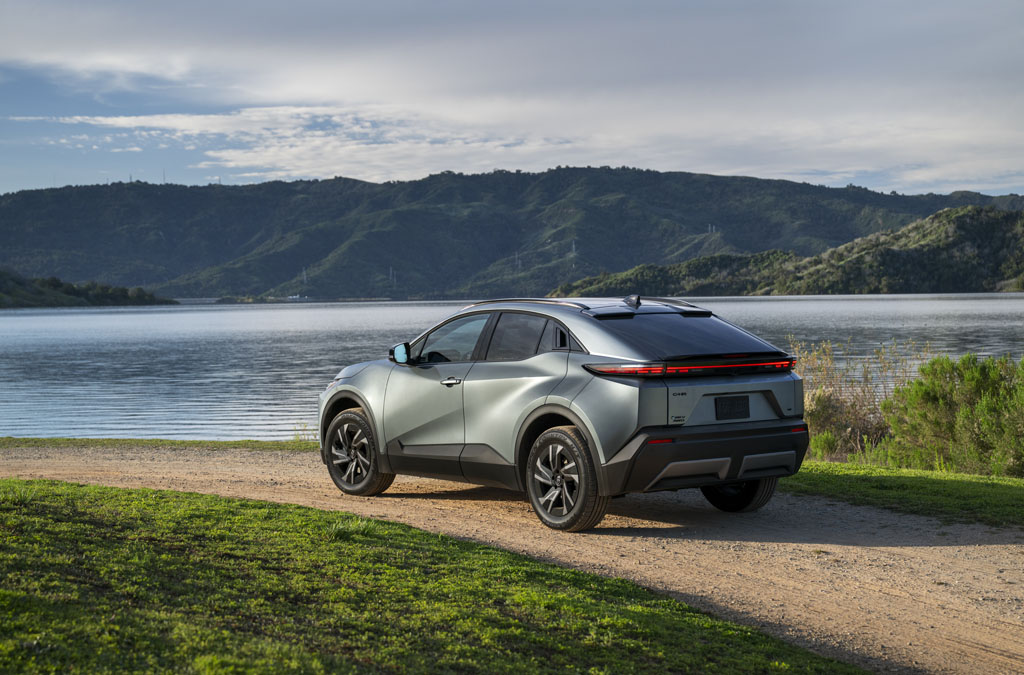
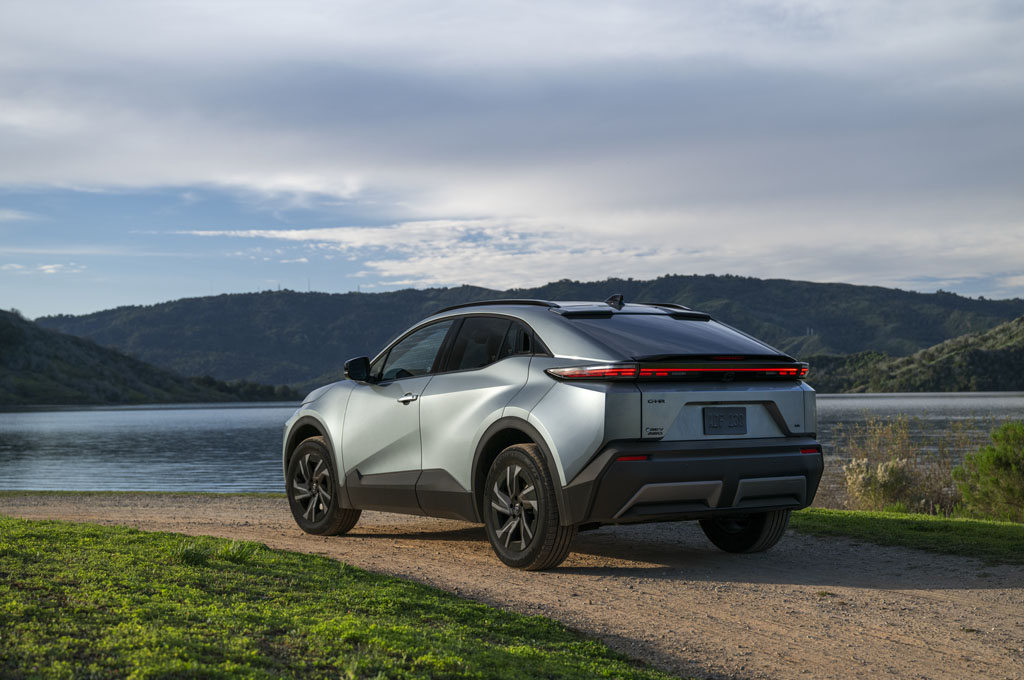
The 2026 Toyota C-HR leans into style in a way compact crossovers do not always manage. Toyota calls it a coupe-like profile, and that reads as a lower, sleeker roofline with a wide stance and the brand’s latest front-end look. The goal seems clear: make the smallest of Toyota’s new EV wave feel more like the fun choice, not just the practical one.
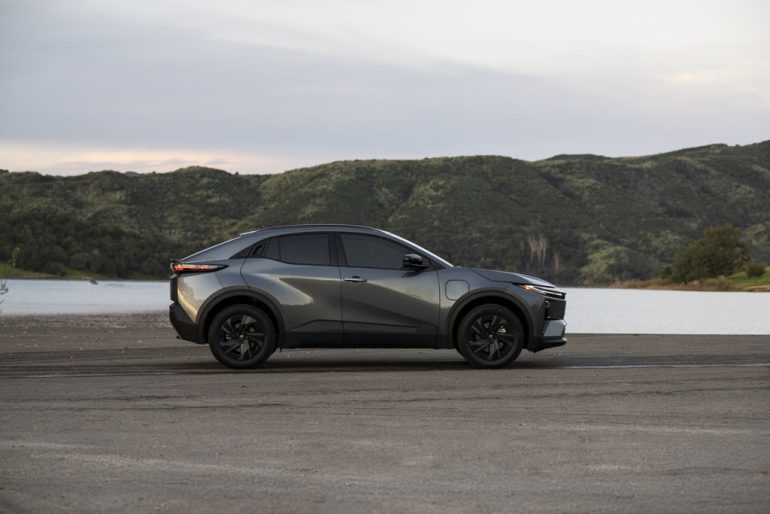
Fun is not just design talk here, either. Every C-HR EV comes standard with dual-motor all-wheel drive and a combined 338 horsepower, which is a spicy number for the size. Toyota says it is targeting a 0 to 60 mph time of about 4.9 seconds, which should make this thing feel quick in everyday driving, especially in the stoplight-to-stoplight world these compact EVs live in.
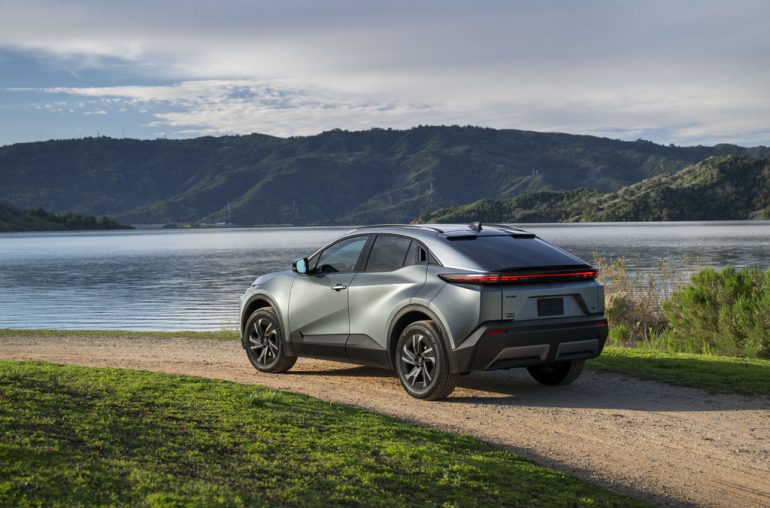
Under the floor sits a 74.7-kWh lithium-ion battery, and Toyota is estimating up to 287 miles of range in SE trim with 18-inch wheels. Step up to the XSE with 20-inch wheels and the estimate dips to 273 miles, which is pretty typical when you go bigger on rolling stock. The bigger story is that Toyota is pairing that range with a modern charging setup, including a North American Charging Standard port right from the factory.
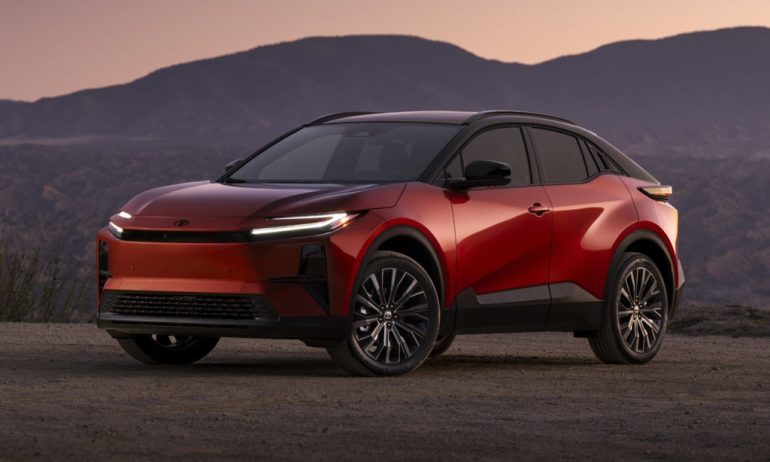
That NACS port matters, because it points the C-HR at a much broader fast-charging ecosystem without the usual guesswork. Toyota says DC fast charging from 10% to 80% can take around 30 minutes under ideal conditions, and the C-HR also gets battery preconditioning to help the pack hit a better temperature for fast charging. Toyota is even giving drivers steering wheel paddle shifters to dial in regenerative braking levels, which should make it easier to tailor the feel for commuting or backroad cruising.
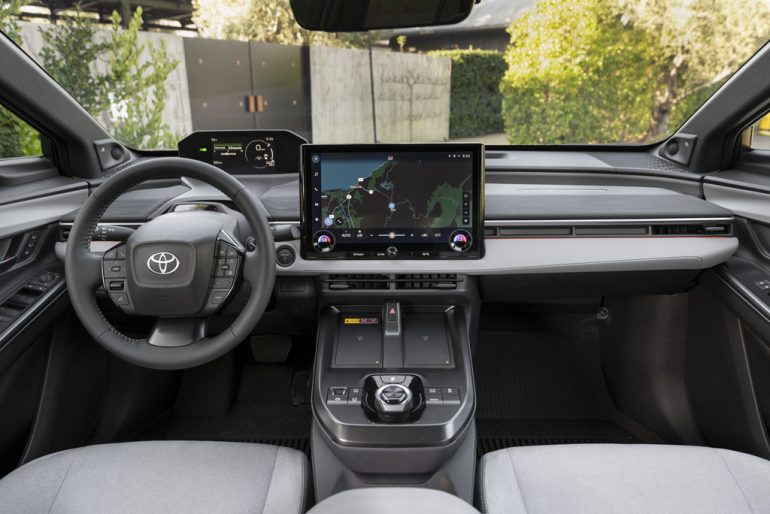
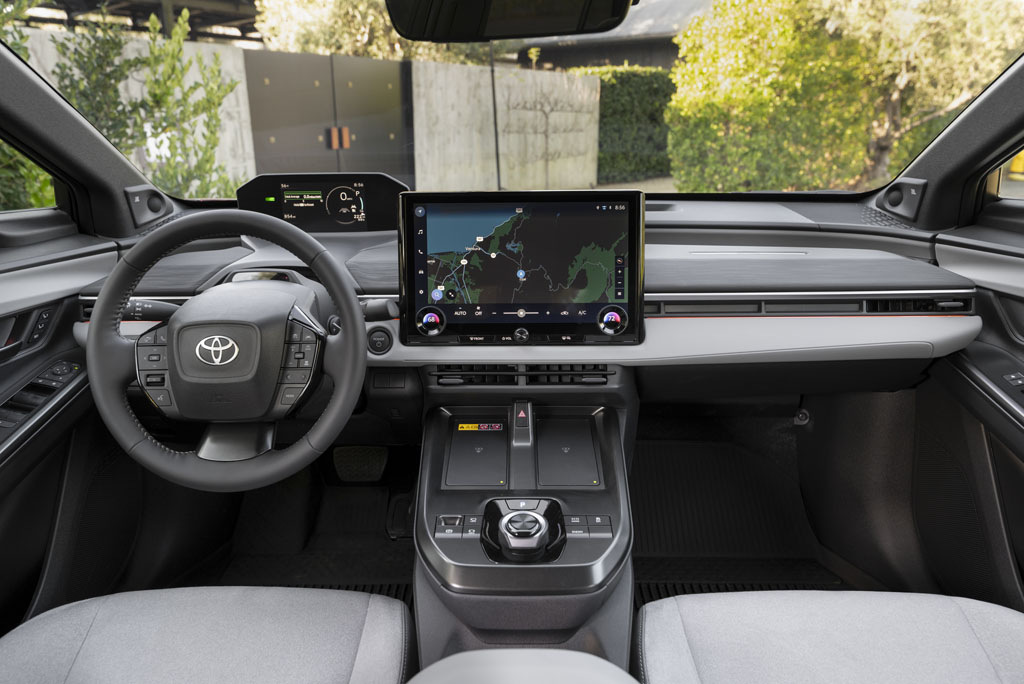
Inside, Toyota is aiming for a premium vibe instead of “entry EV” vibes. A 14-inch touchscreen is standard, along with a fully digital gauge cluster, soft-touch materials, and customizable ambient lighting to change the mood at night. Toyota also built in the modern-day essentials like dual wireless phone chargers and rear USB-C ports, plus an available panoramic roof if you want the cabin to feel a little more open.
The C-HR’s shape looks sporty, but Toyota did not forget the day-to-day needs. Cargo space is rated at up to 25.3 cubic feet behind the rear seats, and with the 60/40 split rear seatbacks folded flat, it expands to as much as 59.5 cubic feet. That is the kind of flexibility that makes a compact crossover feel like it can still handle Costco runs and weekend trips without drama.
Toyota is keeping the lineup simple with two grades, SE and XSE, and the pricing is set to start at $37,000 before dealer processing and handling. Both trims get Toyota Safety Sense 3.0 and a long list of driver assists, while the XSE layers in more premium touches like upgraded seating materials and available tech features. The 2026 Toyota C-HR is expected to arrive in U.S. dealerships in March 2026, and taken alongside the Highlander EV and the bZ Woodlands, it really does feel like Toyota is finally accelerating the EV cadence in a way we have been waiting to see.






Mike Floyd is a finance executive by trade and a car enthusiast at heart. As a CFO with a keen eye for detail and strategy, Mike brings his analytical mindset to the automotive world, uncovering fresh insights and unique perspectives that go beyond the surface. His passion for cars—especially his favorite, the Porsche 911, fuels his contributions to Automotive Addicts, where he blends a love for performance and design with his professional precision. Whether he’s breaking down industry trends or spotlighting emerging innovations, Mike helps keep the site both sharp and forward-thinking.

Mike Floyd is a finance executive by trade and a car enthusiast at heart. As a CFO with a keen eye for detail and strategy, Mike brings his analytical mindset to the automotive world, uncovering fresh insights and unique perspectives that go beyond the surface. His passion for cars—especially his favorite, the Porsche 911, fuels his contributions to Automotive Addicts, where he blends a love for performance and design with his professional precision. Whether he’s breaking down industry trends or spotlighting emerging innovations, Mike helps keep the site both sharp and forward-thinking.