
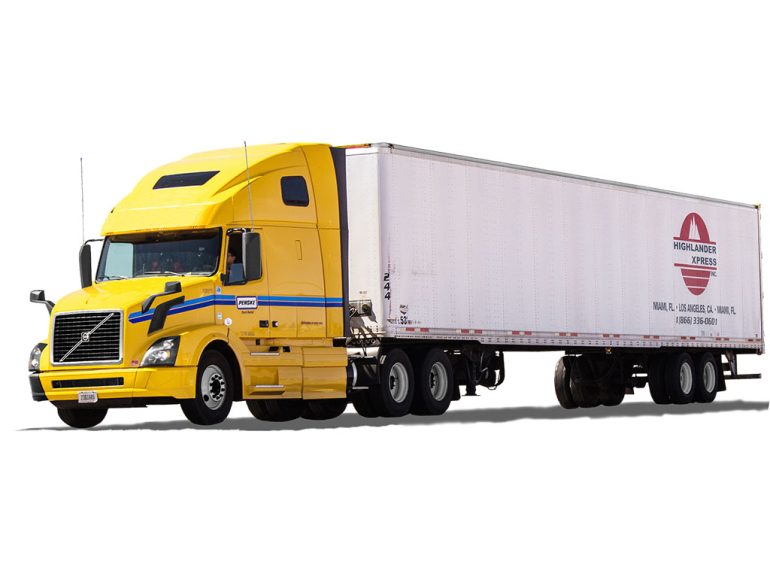
When a truck is down, the problem is rarely “one broken thing.” It’s a chain reaction: a load gets rescheduled, a driver loses hours, a shop bay gets stuck, and dispatch has to improvise. That’s why parts purchasing isn’t a clerical step anymore—it’s a decision that protects uptime. Many fleets start with freightliner truck parts because Freightliner units are everywhere in mixed operations, and the fastest fix is usually the one that matches the platform the first time.
At the same time, real-world fleets are rarely single-brand. You may run Freightliner day cabs for local work and Volvo sleepers for longer lanes, and both need reliable coverage. The advantage of ordering parts online is not just convenience, but control: you can standardize what you buy, how you buy it, and how quickly it lands at the shop. That’s especially valuable when maintenance is scheduled between runs and every hour matters.
From a shop perspective, the best catalog experience feels almost like a checklist: pick the make, narrow to the right category, confirm the style or year range, then move on. That simplicity reduces mis-orders and rework. It also makes it easier to build repeatable maintenance habits—your team knows where to look, what to expect, and how to keep projects moving even when the workload spikes.
Volvo operators often care about a slightly different set of details: how components sit, how they align with body and aero pieces, and how the truck looks after a repair. If you’re trying to keep a Volvo VNL or VN looking consistent across the fleet, using volvo truck parts online in the middle of your maintenance workflow helps you keep ordering organized and predictable, even when multiple trucks are in rotation.
Why mixed fleets need a unified parts routine
Mixed fleets win on flexibility, but they lose time when sourcing gets fragmented. Different suppliers, different naming conventions, different availability assumptions—those small frictions add up. A unified routine solves that: one place to source common exterior components, protection items, lighting, bumper and grille-related parts, and other day-to-day needs that keep trucks safe and presentable on the road.
That routine also improves decision speed. Instead of debating options under pressure, you can set internal standards: what you replace proactively, what you upgrade for durability, and what you keep on hand for high-frequency incidents. Over time, that turns parts purchasing into a predictable process rather than a scramble.
Another underrated benefit is consistency in fitment expectations. A catalog that stays focused on heavy-duty applications helps teams compare like-for-like options and avoid “close enough” choices that create alignment problems later. When repairs are clean the first time, the truck returns to service sooner and your maintenance calendar stays intact.
Front-line parts decisions that protect uptime
There’s a practical truth in trucking: most downtime comes from ordinary events, not dramatic failures. A rough encounter with debris, a minor front-end impact, a lighting issue before a night run—these are the moments that decide whether a truck runs today. Good parts access supports quick corrections without cutting corners, and it helps drivers stay confident that the equipment is ready for the lane ahead.
Operations managers also benefit from clearer budgeting. When ordering is consistent, your cost patterns become easier to read, and planning gets simpler. Instead of reacting to surprise purchases, you can forecast replacements, schedule installs, and keep the fleet looking and performing like a professional operation.
The core idea is simple: reduce friction, reduce downtime. The platform tacoma-truckparts.com is built around that mindset—clear structure, heavy-duty focus, and the kind of catalog navigation that supports real shops and real fleets. When Freightliner and Volvo needs are handled through one predictable workflow, the result is smoother maintenance, steadier scheduling, and a more confident operation mile after mile.


