A fresh spike in gas prices has a way of changing the conversation in the auto industry almost overnight. What felt like a slow, sometimes frustrating transition toward electrification suddenly looks a lot more practical when drivers are staring at bigger totals on the pump screen. As tensions tied to the Iran war continue to rattle global oil markets, one of the biggest questions facing automakers, dealers, and consumers alike is whether this moment will finally translate into a meaningful boost for EV sales.
From our perspective, the answer is yes, but only to a point. Higher fuel prices absolutely get shoppers thinking differently. They push people to revisit the math of ownership, and they make EVs, hybrids, and plug in hybrids feel less like niche choices and more like smart hedges against volatility. That shift in mindset matters. In the auto world, consumer behavior often changes long before purchase numbers fully catch up, and that early change in perception is already one of the biggest indicators to watch.
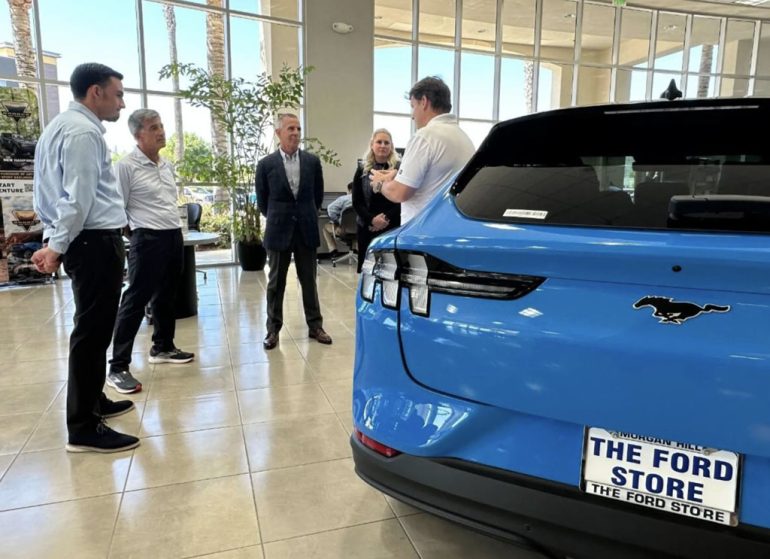
What makes this situation especially notable is how exposed gasoline vehicle owners remain to geopolitical shocks. Oil reacts quickly, and drivers feel it almost immediately. Electricity is not immune to inflationary pressure, but for most households it does not swing with the same speed or drama as gasoline. That difference creates a kind of stability that suddenly looks much more valuable when the global energy picture turns unpredictable. For many consumers, that alone may be enough to start a serious EV search.
Still, industry veterans know fuel savings are only one part of the buying decision. The biggest hurdle remains the same one we have talked about for years: upfront cost. Even as EV pricing has improved, a new electric vehicle still tends to carry a higher average transaction price than the broader new vehicle market. That means shoppers feeling pain at the pump may be more likely to browse electrified options, but not all of them will be in a position to sign on the dotted line. In many cases, the immediate winner may be the hybrid, not the full battery EV.
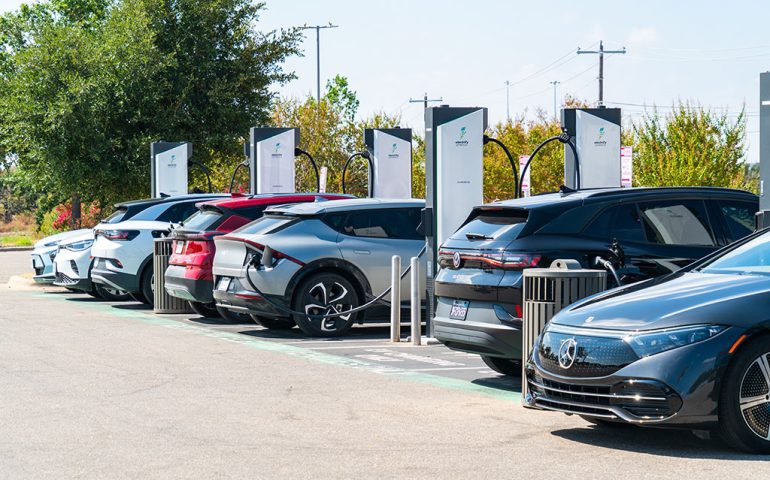
That is why this moment may benefit the entire electrified spectrum more than EVs alone. Hybrids and plug in hybrids offer an easier on-ramp for buyers who want protection from fuel spikes without changing their driving habits overnight. They also help dealers meet customers where they are, especially in markets where charging infrastructure is still uneven or where buyers remain hesitant about range, road-trip usability, or winter performance. For a lot of households, partial electrification still feels like the most realistic next step.
There is also a broader strategic issue here that deserves more attention. Every time a conflict on the other side of the world sends fuel prices climbing at home, it reinforces a hard truth about energy dependence. For the auto industry, electrification is no longer just about emissions targets or compliance. It is increasingly about resilience. The ability to power more of the vehicle fleet with domestically generated electricity, especially as the grid incorporates more renewable and diversified energy sources, gives both consumers and the country a stronger buffer against exactly this kind of disruption.
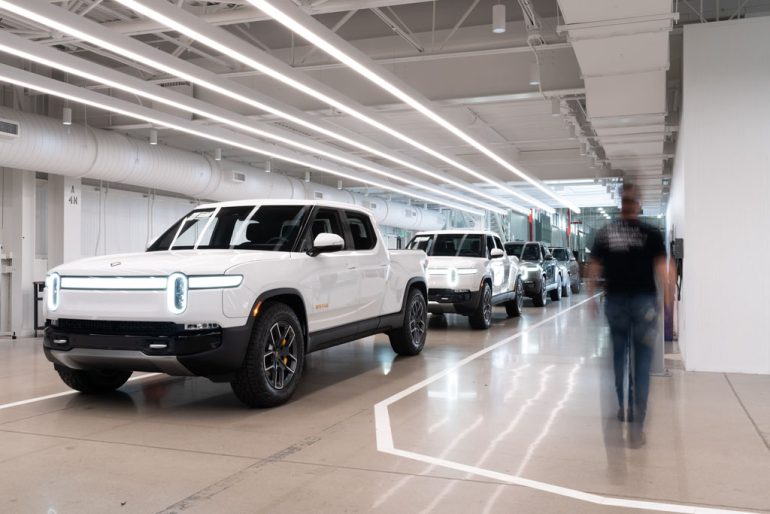
That said, no one in the industry should mistake a spike in consumer interest for an automatic sales boom. Shoppers are still cautious. Incentives have changed, affordability remains a pressure point, and uncertainty tends to make buyers deliberate longer, not shorter. If demand for EVs rises too quickly, pricing could tighten, inventory dynamics could shift, and some of the savings argument could lose momentum. In other words, a fuel-price shock can get people into the showroom, but it still takes the right product, the right price, and the right ownership story to close the deal.
What we are likely seeing now is not a dramatic turning point but a useful reminder. EV adoption in America has never been driven by a single factor, and it will not be this time either. But when gas prices surge, the value proposition of electrification becomes much easier to understand in real-world terms. For consumers, that means fewer worries about the next geopolitical headline hitting their wallet. For automakers, it is another signal that the market still responds when electrified vehicles are positioned not just as the future, but as a smarter answer to the present.

Mike Floyd is a finance executive by trade and a car enthusiast at heart. As a CFO with a keen eye for detail and strategy, Mike brings his analytical mindset to the automotive world, uncovering fresh insights and unique perspectives that go beyond the surface. His passion for cars—especially his favorite, the Porsche 911, fuels his contributions to Automotive Addicts, where he blends a love for performance and design with his professional precision. Whether he’s breaking down industry trends or spotlighting emerging innovations, Mike helps keep the site both sharp and forward-thinking.