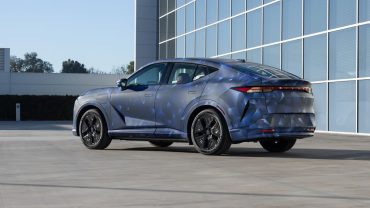
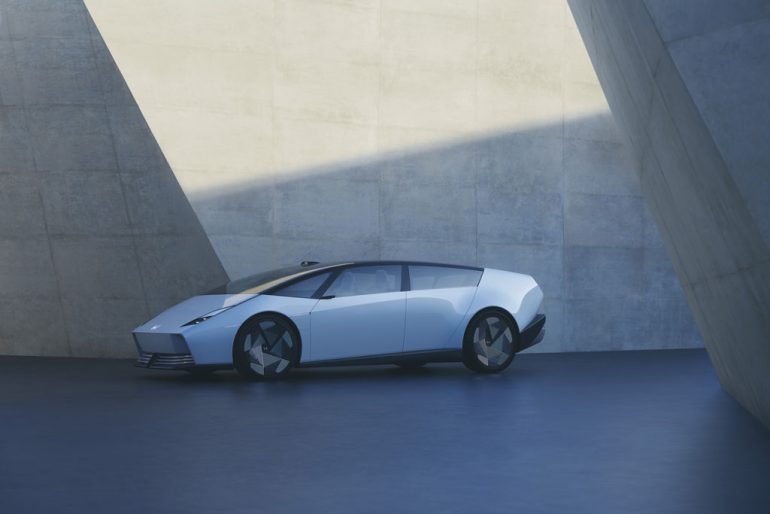
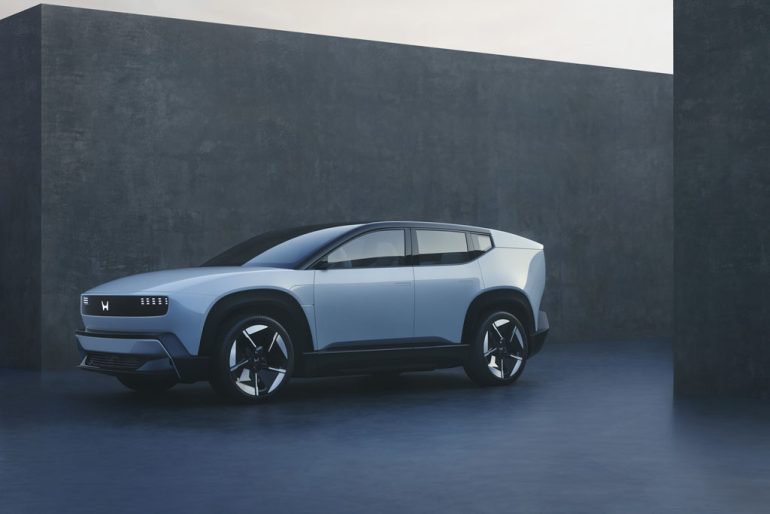
Honda’s decision to cancel all three of its planned U.S.-built EVs is more than a product change. It is a major warning sign for where the market stands right now. The 0 Series SUV, 0 Series Saloon, and Acura RSX were supposed to represent a serious next step for Honda’s electric future in America, especially with Ohio positioned as a key production hub. Instead, the company is stepping back in dramatic fashion, and from an industry perspective, this feels like one of the clearest examples yet of an automaker choosing caution over ambition in a market that has become far less predictable.
What stands out most is how direct Honda has been about the reasons. The company is not hiding behind vague corporate language. It is pointing squarely at tariffs, shifting U.S. policy around EV incentives, and a broader regulatory environment that has become increasingly difficult to read. For any automaker trying to plan years ahead, that kind of instability can wreck the business case for a new vehicle program. Honda appears to have concluded that pushing forward with these models would create even deeper long-term losses, and that says a lot about how fragile the economics of EV expansion have become.’
There is also a bigger competitive issue at play here. Honda’s comments about China were especially telling, because they highlight just how much the EV race has changed. It is no longer just about battery range or efficiency. Software, connected features, and overall value are becoming just as important, and Chinese automakers have moved the benchmark faster than many legacy brands expected. Honda admitting that it cannot currently match the value equation offered by newer Chinese players is a rare dose of honesty, and it underscores how global pressure is reshaping decisions that reach all the way back to U.S. factories.
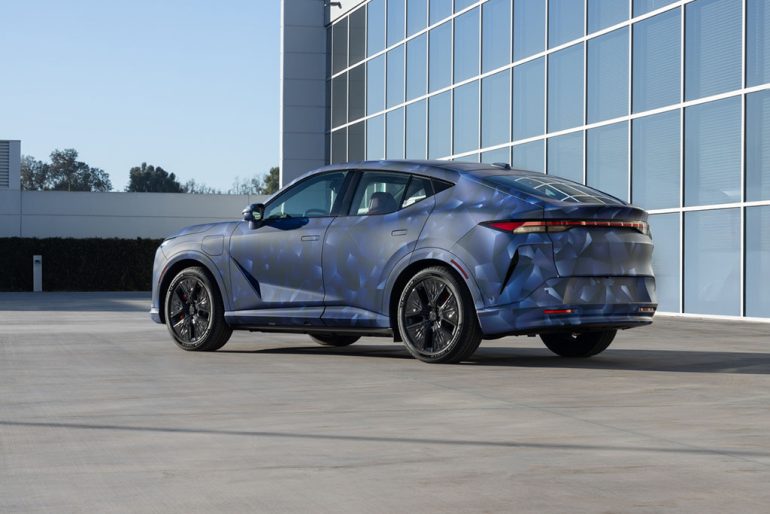
For American operations, this is a tough blow. Honda has spent heavily to prepare Ohio for its EV future, and now the immediate payoff is gone. Financially, the hit is enormous, with projected losses reaching as much as $15.8 billion and executive pay cuts following close behind. That kind of move tells you this is not a minor adjustment. It is a full strategic reset. The company now has to convince investors, dealers, and buyers that this retreat is part of a smarter long game rather than a sign that it got caught flat-footed in one of the industry’s most important transitions.
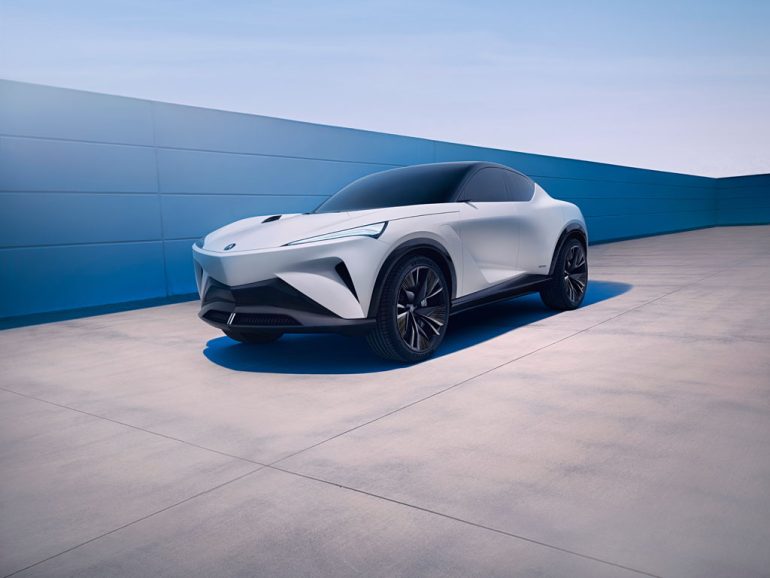
From where we sit, Honda’s move reflects a reality many automakers are dealing with but not all are willing to say out loud. EV growth is still happening, but the path is messy, expensive, and increasingly shaped by politics as much as consumer demand. Canceling these three vehicles will sting in the short term, but it may also buy Honda time to rethink how it competes in an electric market that is evolving faster than traditional product cycles allow. The revised strategy Honda plans to reveal in May now carries real weight, because this is no longer about tweaking the roadmap. It is about proving the company still has one.

Lloyd Tobias is a seasoned automotive journalist and passionate enthusiast with over 15 years of experience immersed in the world of cars. Whether it’s exploring the latest advancements in automotive technology or keeping a close pulse on breaking industry news, Lloyd brings a sharp perspective and a deep appreciation for all things automotive. His writing blends technical insight with real-world enthusiasm, making his contributions both informative and engaging for readers who share his love for the drive. When he’s not behind the keyboard or under the hood, Lloyd enjoys test driving the newest models and staying ahead of the curve in an ever-evolving automotive landscape.