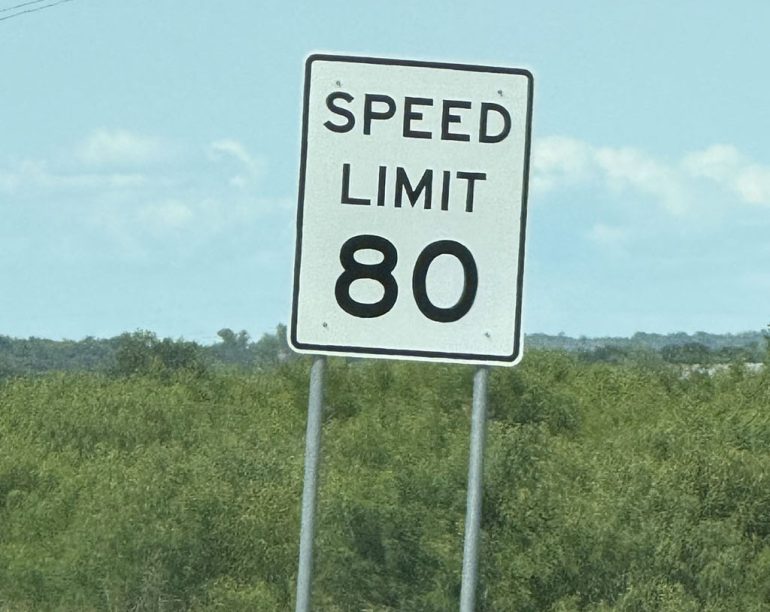
Florida lawmakers are once again stirring up a debate that always gets drivers talking. A bill moving through the state legislature would allow certain highway speed limits to rise to 80 mph, a notable jump from what many Florida motorists see today on stretches like Interstate 95. From an automotive enthusiast perspective, the idea sounds simple enough on the surface. Modern vehicles are quieter, more stable, and more capable at speed than ever before. But as anyone who spends real time on Florida roads already knows, the bigger issue is not whether today’s vehicles can handle it. It is whether the flow of traffic, driver behavior, and enforcement realities can keep up.
That is where this proposal gets complicated. In theory, a higher posted limit can make sense on long, open highway stretches designed for fast, uninterrupted travel. In practice, Florida traffic is rarely that uniform. You have tourists unfamiliar with the roads, commercial traffic moving at its own pace, aggressive drivers already well above the limit, and left-lane campers creating rolling bottlenecks. Raise the limit to 80 mph, and for some drivers that becomes permission to push even further. That is the concern many safety-minded motorists will immediately point to, and it is not hard to understand why.
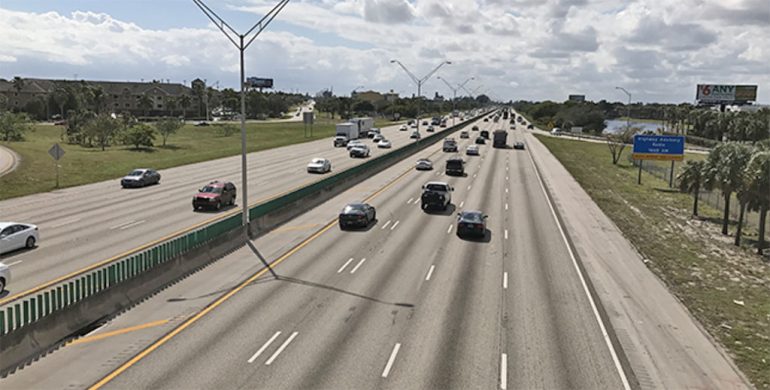
At the same time, there is a fair argument that this bill may not dramatically change real-world speeds for a lot of drivers. Anyone who regularly travels major Florida highways has likely seen traffic moving well into the upper 70s already when conditions are clear. In that sense, supporters could say the law would simply better reflect how highways are actually being used. There is also the argument that aligning the posted limit more closely with prevailing traffic speeds can reduce the speed gaps that often create dangerous lane changes and surprise braking. That may sound sensible from behind the wheel, but it only works when driver discipline is part of the equation, and that has never been Florida’s strongest selling point.
From our standpoint, this is less about headline speed and more about execution. If Florida wants to push limits higher, the state also has to be realistic about what comes with it. Road design, signage, enforcement, and public education all become more important when average speeds rise. Driver-assistance tech in newer vehicles certainly helps, but it does not replace attentiveness or judgment. A posted 80 mph limit may be manageable on the right roads in the right conditions, yet it could quickly become problematic if treated as a blanket signal that faster is always safer.
For now, the proposal remains just that: a proposal. It has cleared the Florida House, but it still needs Senate approval before it could take effect. Even so, it is the kind of legislation that reflects a broader truth in today’s automotive world. Cars and SUVs have become far more capable, but the human element behind the wheel remains the wildcard. That is why any conversation about higher speed limits should be less about what vehicles can do and more about whether the roads, and the people using them, are truly ready for it.

Darryl Taylor Dowe is a seasoned automotive professional with a proven track record of leading successful ventures and providing strategic consultation across the automotive industry. With years of hands-on experience in both business operations and market development, Darryl has played a key role in helping automotive brands grow and adapt in a rapidly evolving landscape. His insight and leadership have earned him recognition as a trusted expert, and his contributions to Automotive Addicts reflect his deep knowledge and passion for the business side of the car world.