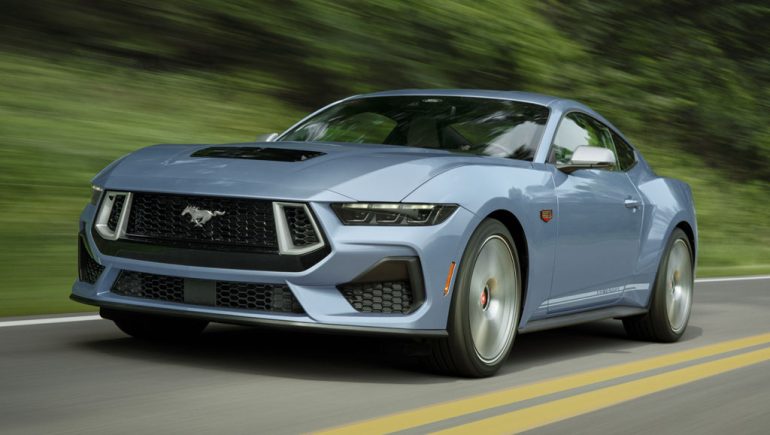
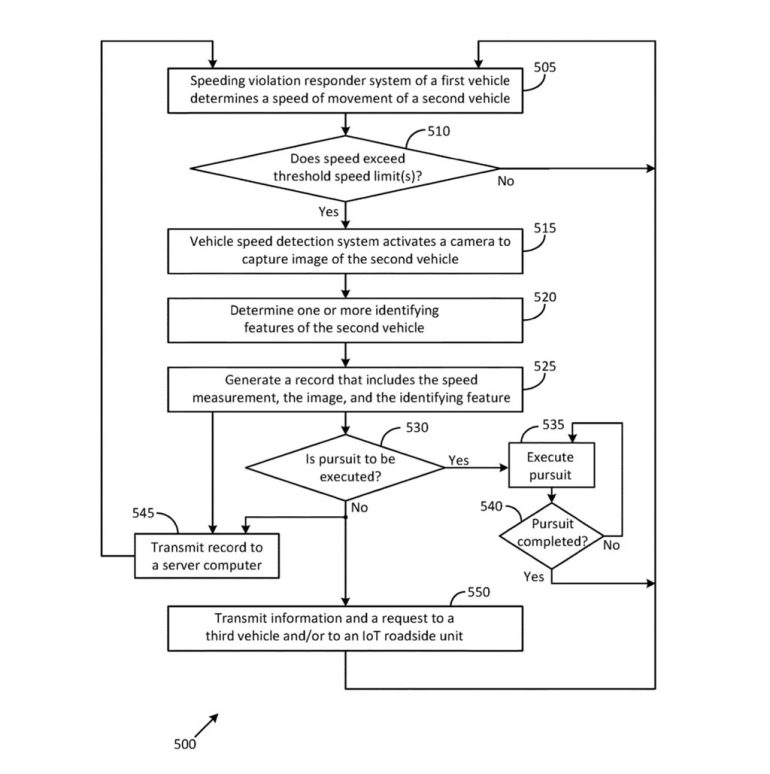
A new Ford patent application is still making the rounds from the initial report via various sources like CarScoops because it sketches out a future where vehicles could help report speeding violations to law enforcement. The idea, as described in the filing, revolves around using onboard cameras and sensors to detect when another vehicle is traveling above the posted speed limit, then documenting that incident with images and data.
In the concept, an equipped vehicle could capture a photo of the alleged speeder and bundle it with relevant information, including location details, before sending a report to police or roadside monitoring systems. Some coverage notes the filing also contemplates a role for autonomous vehicles, essentially turning them into rolling observers that can identify and record speed violations without an officer needing to be present in the moment.

Even as a patent-only idea, you can see why this one sets people off. A car that “tells on” other drivers feels like it would instantly create a trust problem for owners and everyone around them. Plenty of buyers already feel uneasy about how much data modern vehicles collect, and turning everyday cars into potential traffic informants is the kind of thing that could make shoppers think twice. Who would want to buy a vehicle that might report them, or even just make other drivers assume it could?
There’s also the practical and legal side. Patents often describe broad concepts that may never reach production, and proving a violation without an officer witnessing it raises questions about enforcement and due process. Stationary speed cameras typically ticket based on license plates, but even those are controversial in many places, and they do not always identify who was actually driving.

If Ford ever applies this tech, a more likely early home would be purpose-built law enforcement vehicles rather than consumer models, which is something some outlets have speculated about. For now, the bigger takeaway is what the patent suggests about where the industry’s thinking can go, and how quickly it can collide with public perception when it touches privacy, policing, and the simple expectation that your car is on your side, not tattling to the authorities.

Mike Floyd is a finance executive by trade and a car enthusiast at heart. As a CFO with a keen eye for detail and strategy, Mike brings his analytical mindset to the automotive world, uncovering fresh insights and unique perspectives that go beyond the surface. His passion for cars—especially his favorite, the Porsche 911, fuels his contributions to Automotive Addicts, where he blends a love for performance and design with his professional precision. Whether he’s breaking down industry trends or spotlighting emerging innovations, Mike helps keep the site both sharp and forward-thinking.