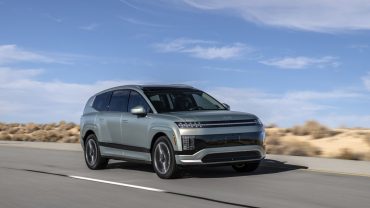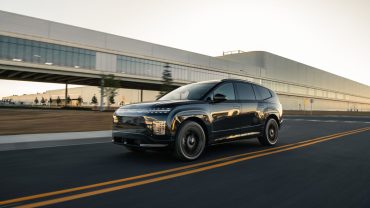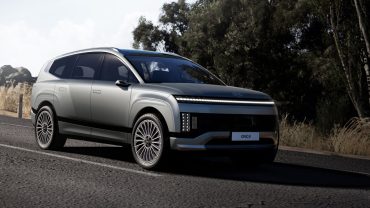
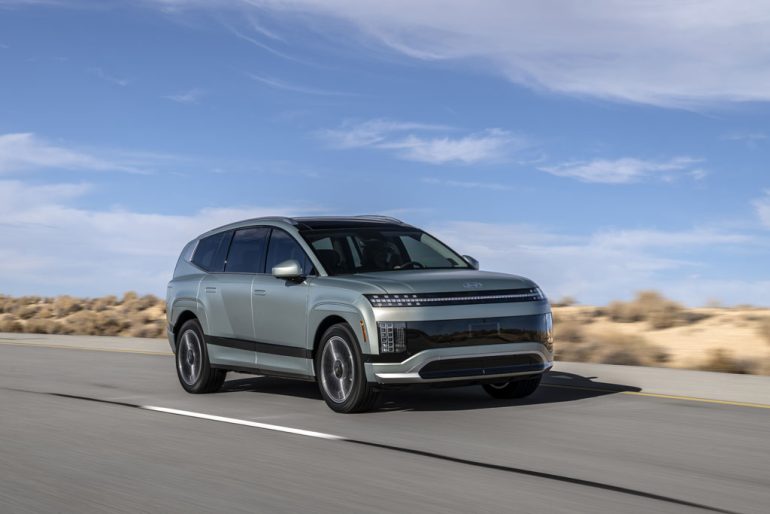
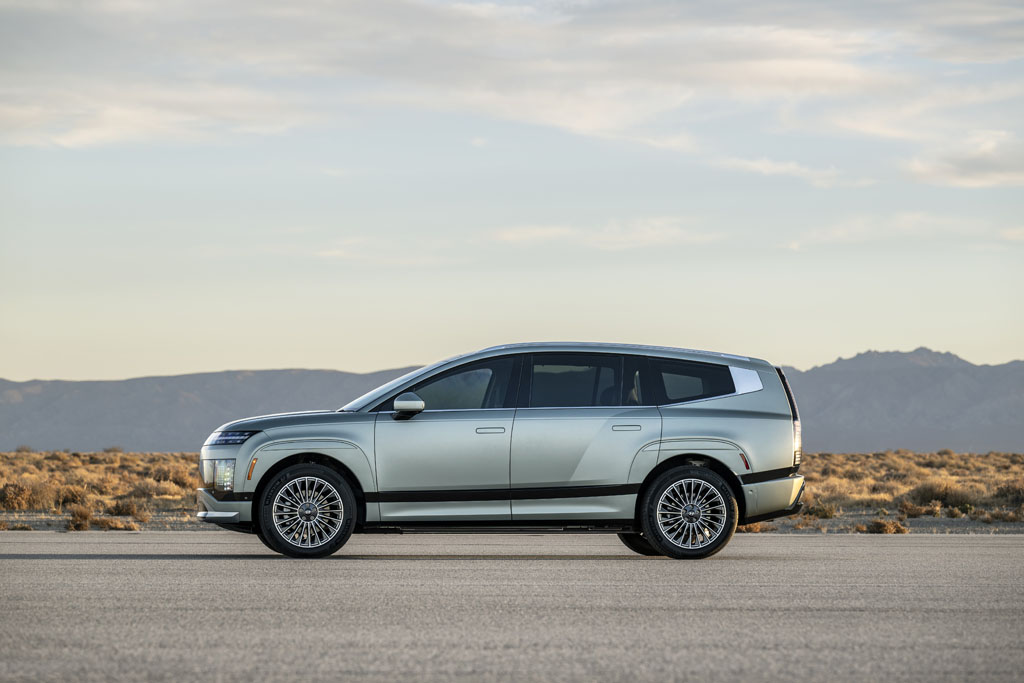
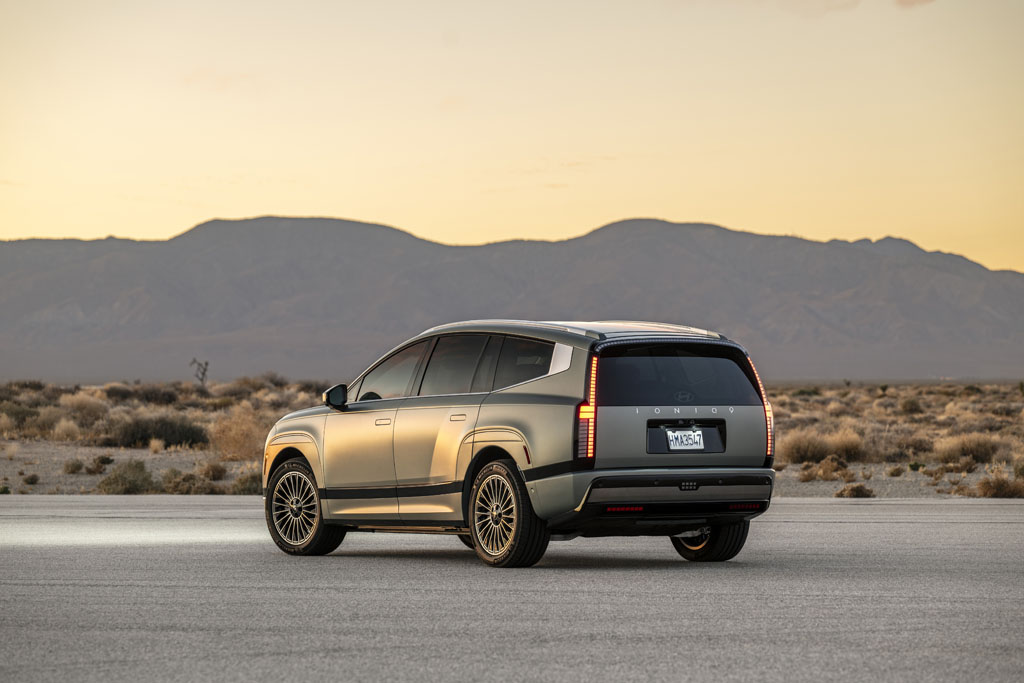
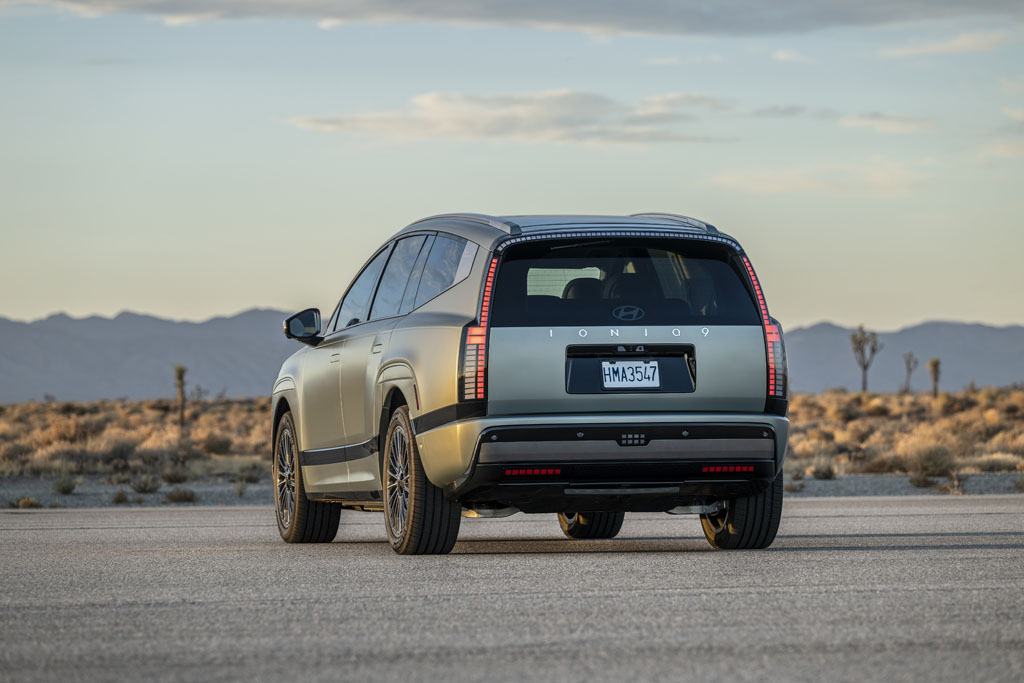
The emergence of electric vehicles (EVs) continues even with the rollbacks of government incentives and big rollouts of EV charging stations. Manufacturers, having invested large amounts in the R&D of EVs, will keep on the path to bringing us many new EV products, such as the new 2026 Hyundai Ioniq 9 that I had a chance to check out this week.
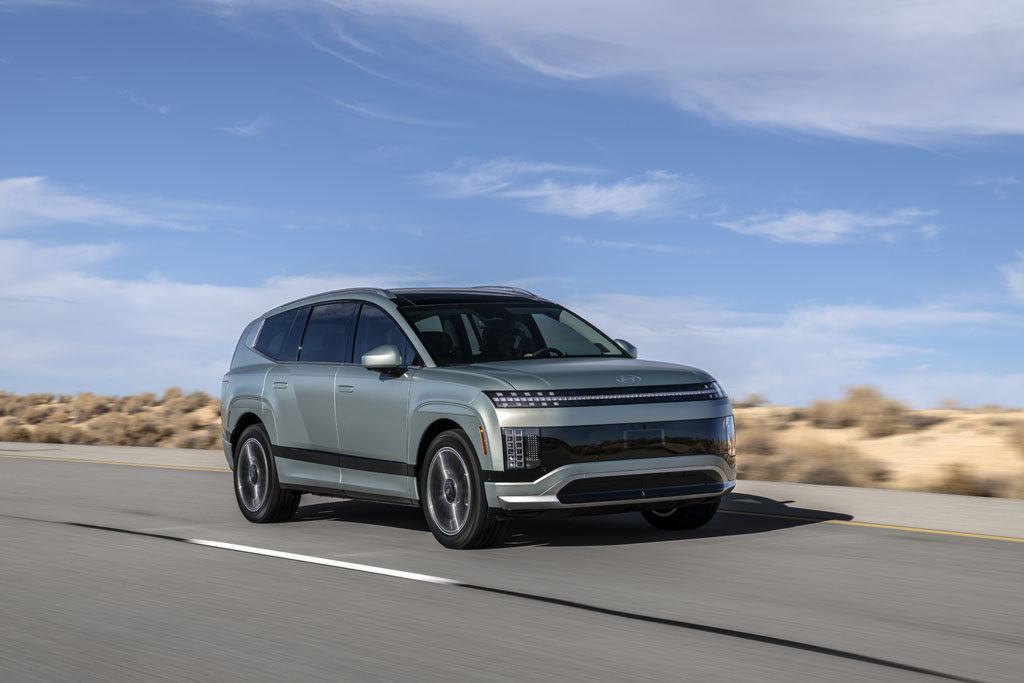
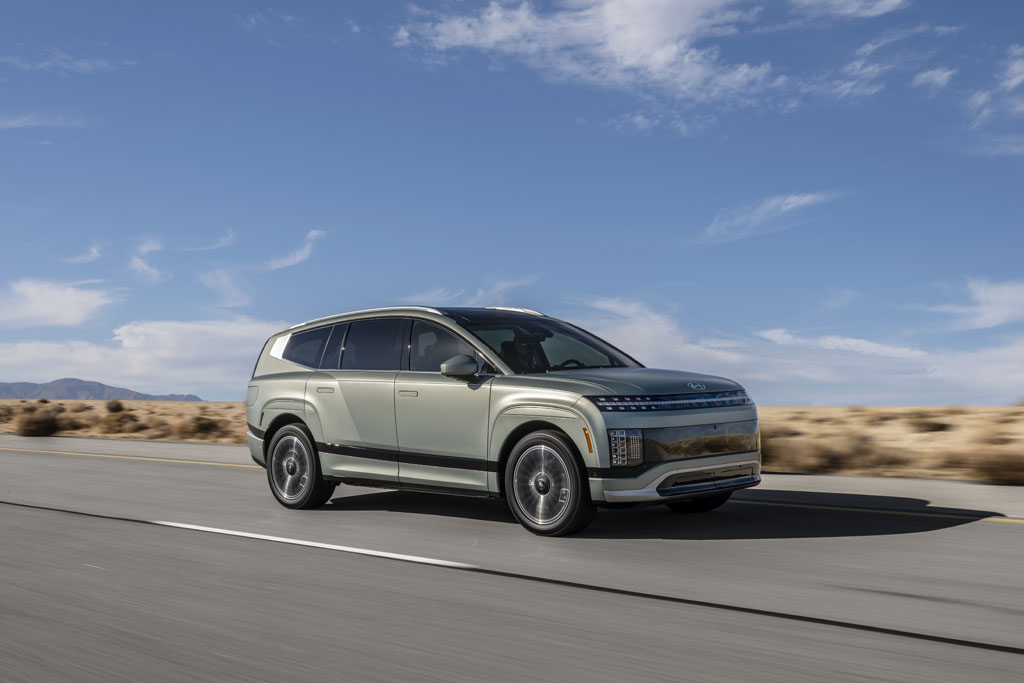
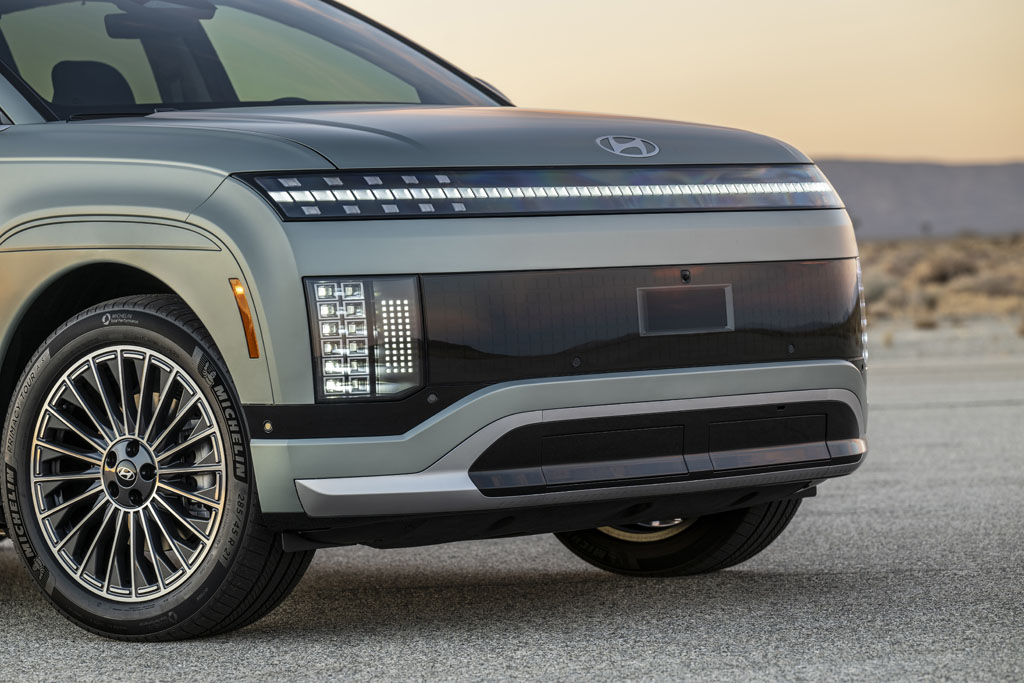
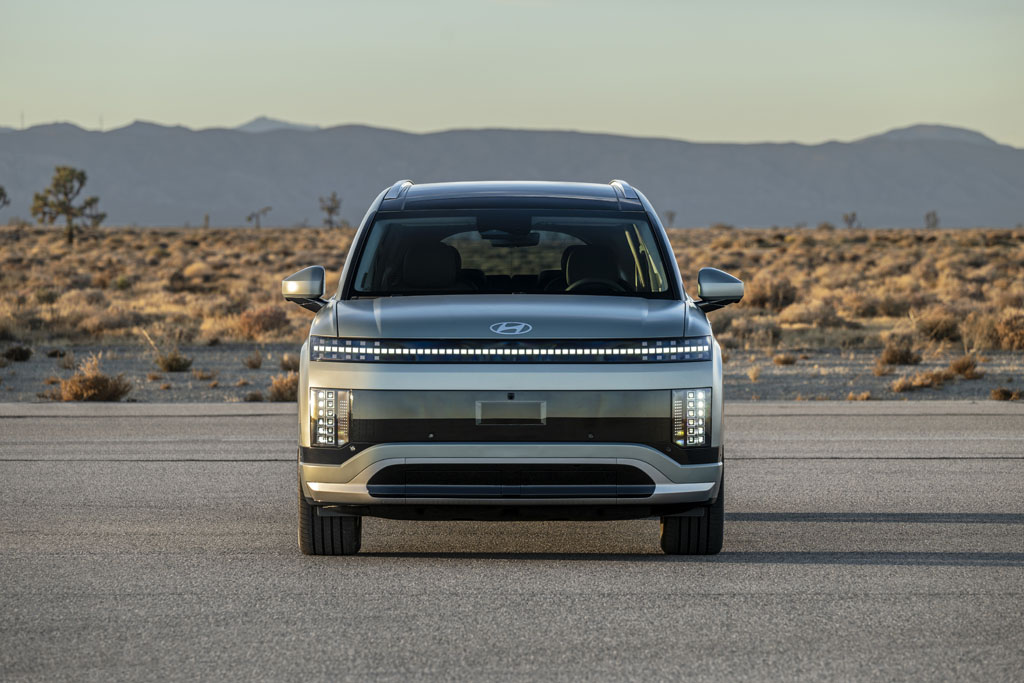
The new Ioniq 9 fills a placeholder for a 3-row electric SUV where we still don’t have many to choose from. Joining its not-so-distant Kia EV9 relative, the new Ioniq 9 brings us many desirable features and performance in its top-level AWD Performance Calligraphy Design trim of my test vehicle. Such a vehicle tends to blend the line between premium and luxury, as there are many highlights that can easily place it into the luxury realm.
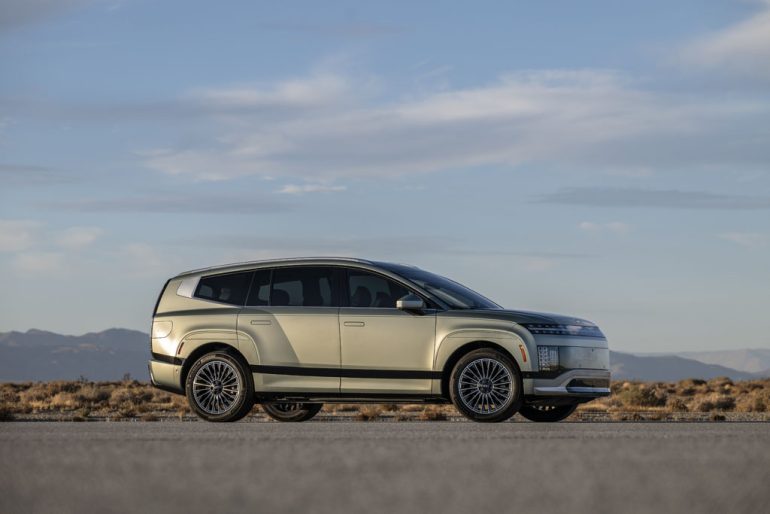
Powered by two electric motors, one at each axle for an all-wheel-drive setup, the new Ioniq 9 is quite the performer with its 422 horsepower and 516 lb-ft of torque. Such a setup is good to propel the hefty 6,008 pounds to 60 mph in just 4.7 seconds. That’s quite the feat with such a large and heavy vehicle. Moreover, the Ioniq 9 doesn’t necessarily drive as heavily as its suspension, with its fixed-rate dampers, does a good job of soaking up road imperfections and handles quite well for its segment.
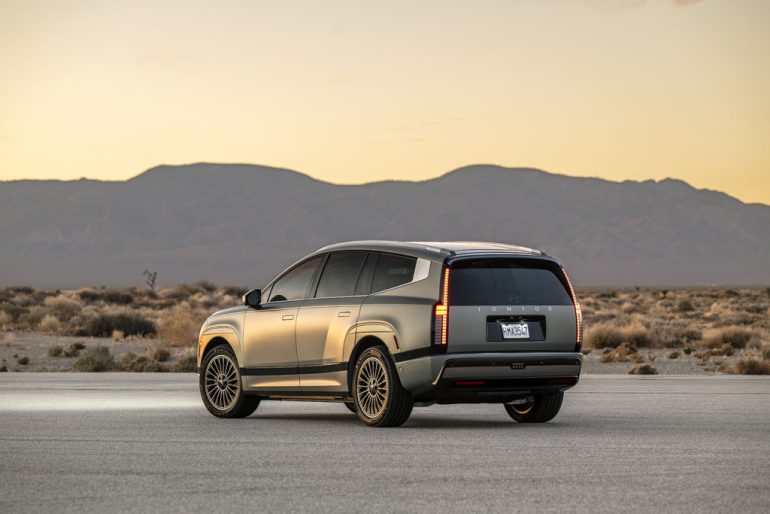
The Ioniq 9 is easy to drive and requires a good amount of steering wheel effort, possibly instilling a bit more confidence in the driving ability for a 3-row SUV, but with a lot of turns required from lock to lock. The power is effortless, and in the Normal drive mode, the initial step of power comes on softly in most cases with a slight delay in adding full throttle when demanded – and you do get full power eventually laying into the throttle. Eco drive mode only exacerbates this, where power is fundamentally limited at full throttle to help conserve energy. In Sport drive mode, the power is advanced, where throttle inputs are quite sensitive.
Braking is good and confident, inspiring most times, as you tend to feel the heft of the vehicle working against you under moderate to heavy braking. Where Hyundai excels with their EVs is through the multiple braking regen settings that can be set on the fly through the steering wheel paddles. This is where you have multiple levels of braking regen to be set, in addition to setting it to an automatic setting to utilize the vehicle’s front radar to add in braking regen automatically, or settle on the i-Pedal setting for one pedal driving.
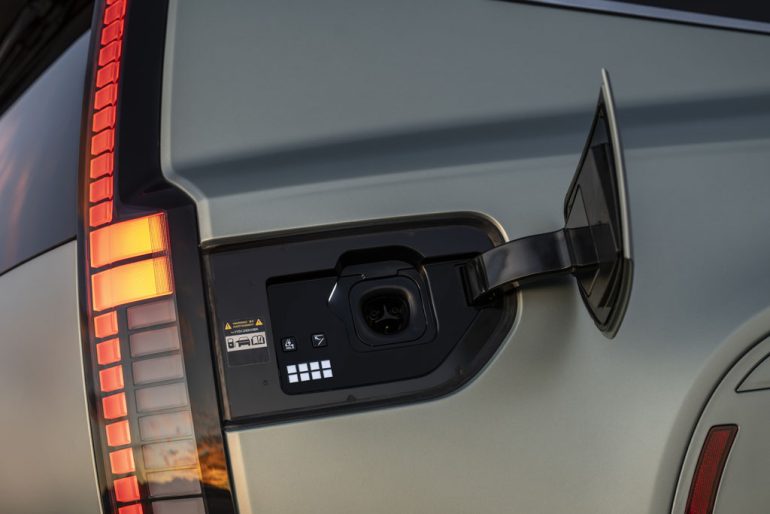
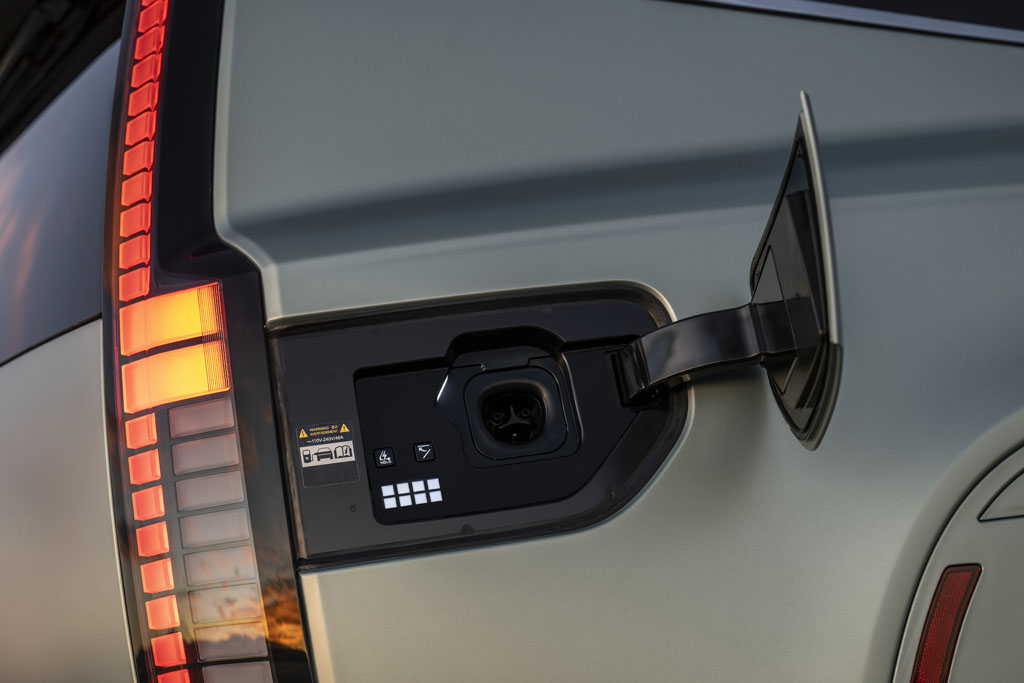
With an EPA estimated 311 miles of range, the Ioniq 9 AWD Performance has a decent reach that can be slightly extended through clever and cautious driving. A full charge of its rather large 110-kWh battery takes about 24 minutes from a 10% state of charge up to 80% utilizing a 350-kW DC fast charger, which, in the case of the Ioniq 9, is a Tesla Supercharger, by the way of the new NACS charging port. At home, my level 2 charging setup at 40 amps took about 9 hours for a full charge, down from just below a 10% state of charge, providing a peak of 9.7 kW of power. If you have the capacity, your at-home Level 2 charger at a higher amperage (at least 48 amps) could supply a charging range up to about 10.9 kW for the Ioniq 9.
On the side of efficiency, I was quite pleased to see some decent numbers with me matching and sometimes beating the 91 MPGe (2.7 mi/kWh) city EPA figure and sometimes the 79 MPGe (2.34 mi/kWh) estimate. I enjoy how Hyundai estimates out alternative range numbers for what it thinks is the maximum range you can get out of a charge, and then the worst-case scenario number. Such figures change on the fly with the change of your drive mode or adjustment of things like the climate controls, which tend to suck down a lot of extra power when they are taxed.
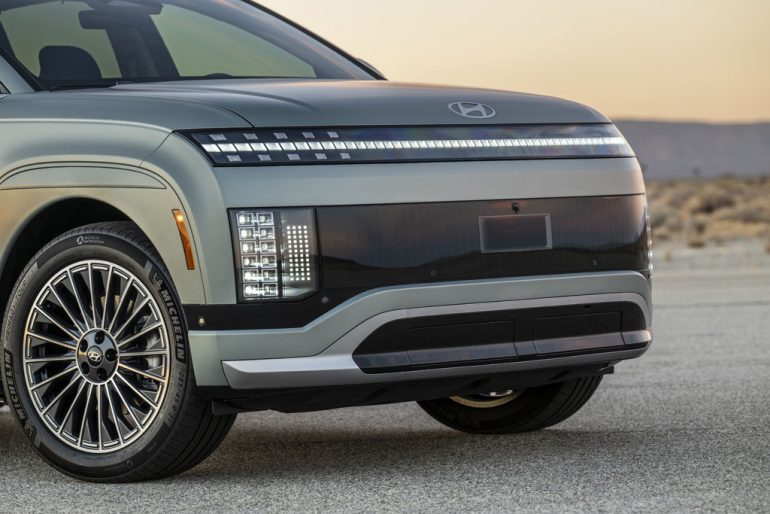
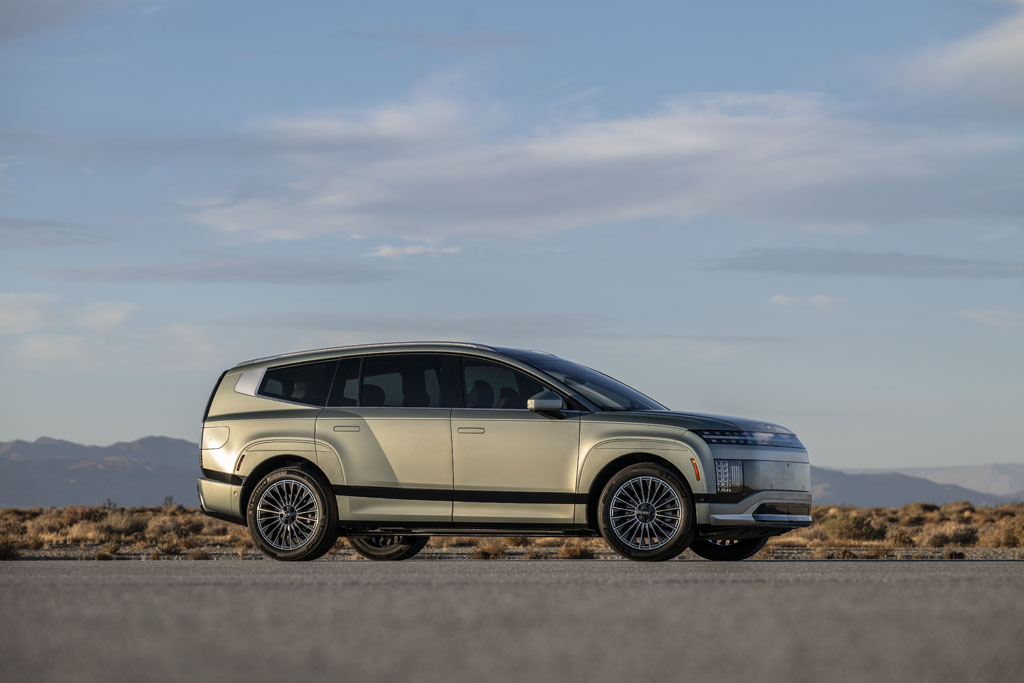
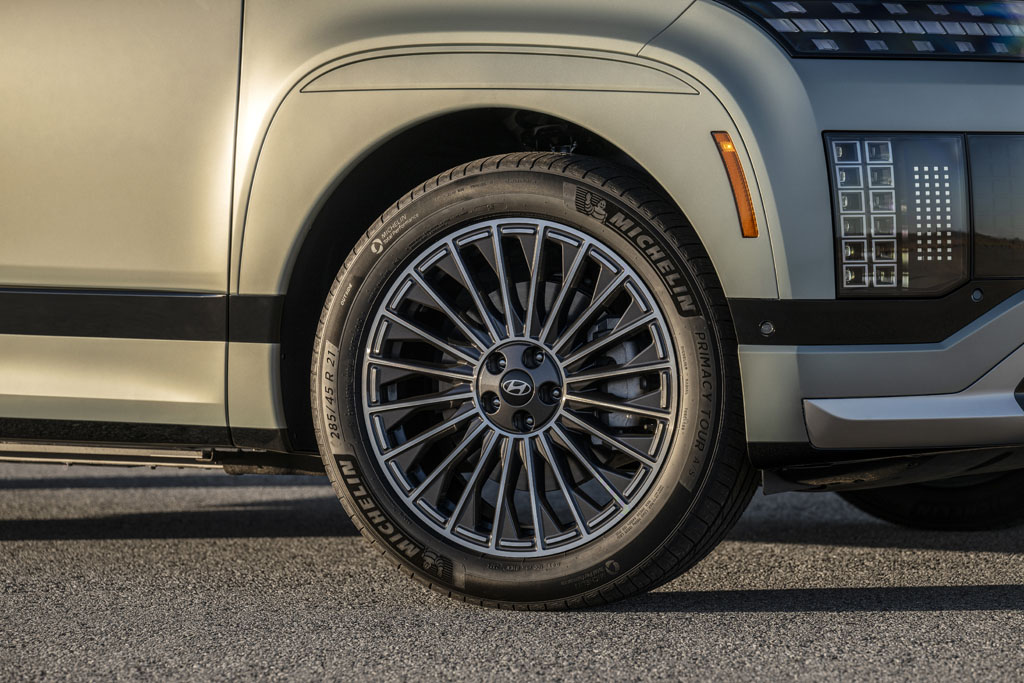
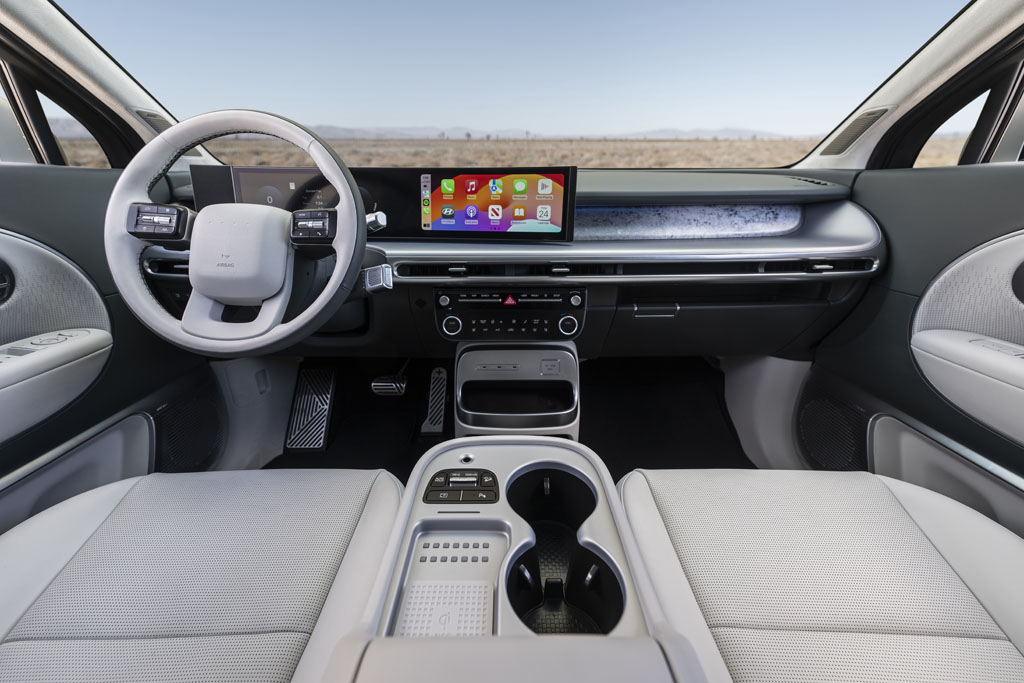
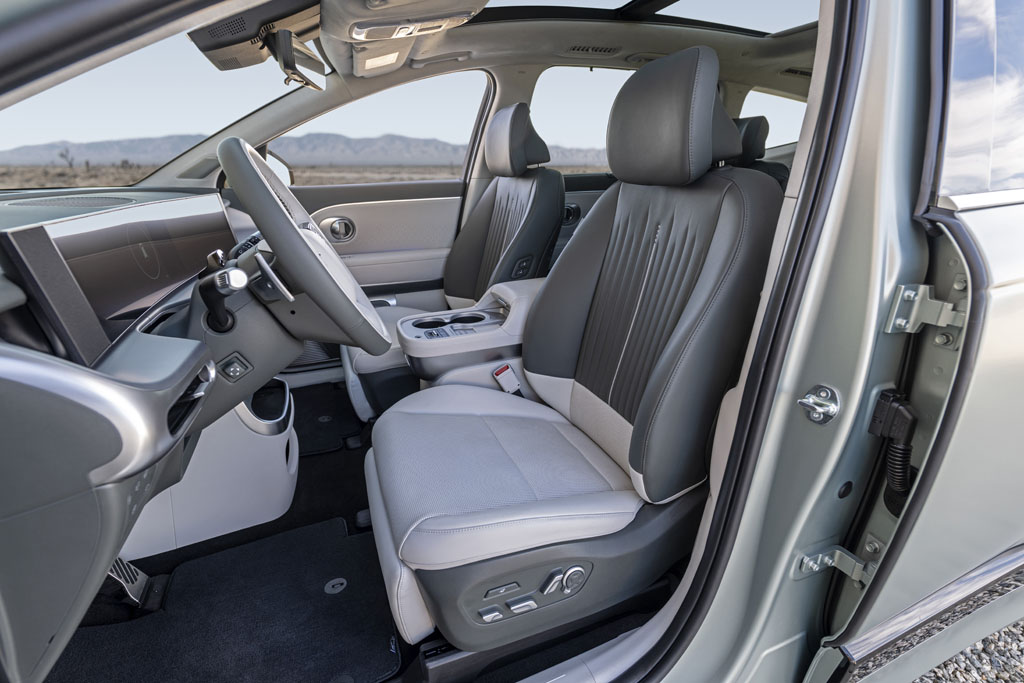
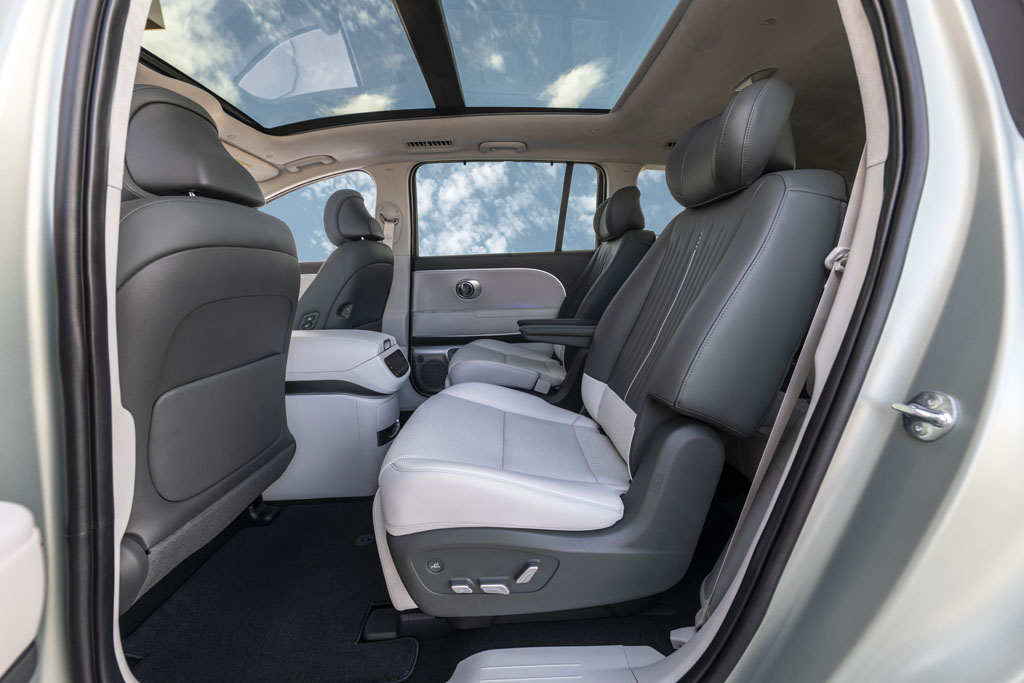
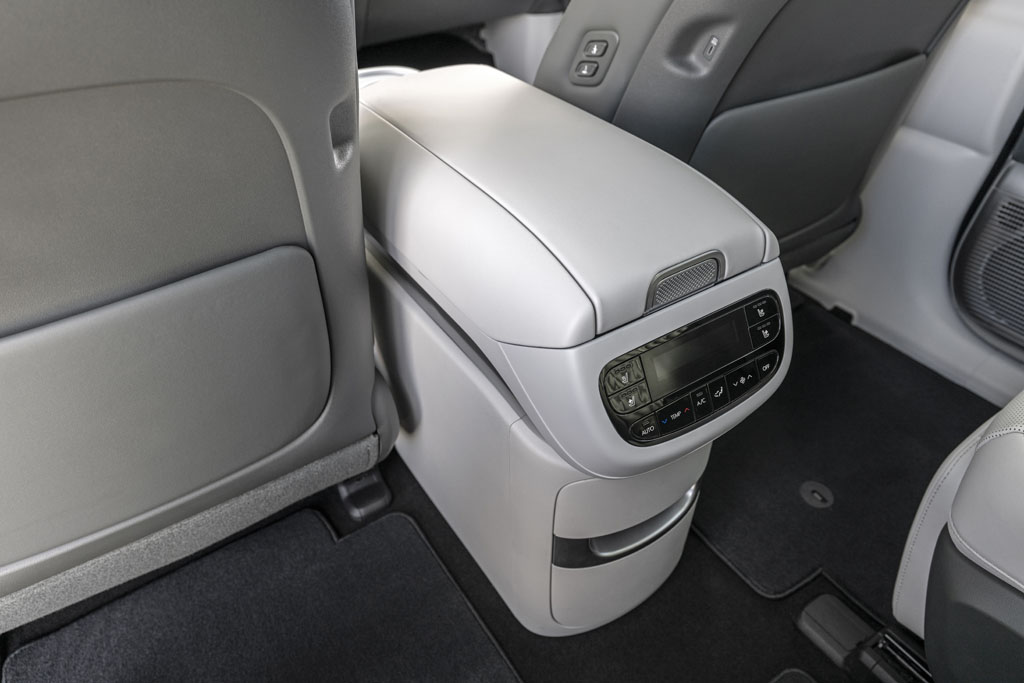
Hyundai went the distance as they always do for the interior space of the new Ioniq 9, which takes somewhat of a page from its other SUVs. However, in the top-level AWD Performance Calligraphy Design trim, the Ioniq 9 is quite the inviting luxurious space with a microfiber suede headliner, ventilated and heated front and second-row seats, massaging function through the Ergo Motion driver’s seat, heated and power tilt-telescoping steering wheel, color-selectable LED ambient lighting, several soft touch surfaces throughout, and 21-inch wheels. While not fully on the spectrum of being a luxury vehicle, the Ioniq 9 Calligraphy Design trim does well with its whisper-quiet cabin and plush accoutrements.
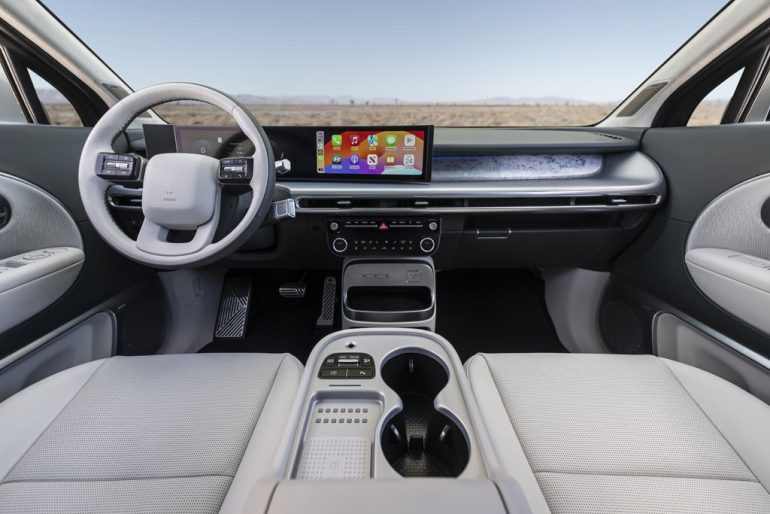
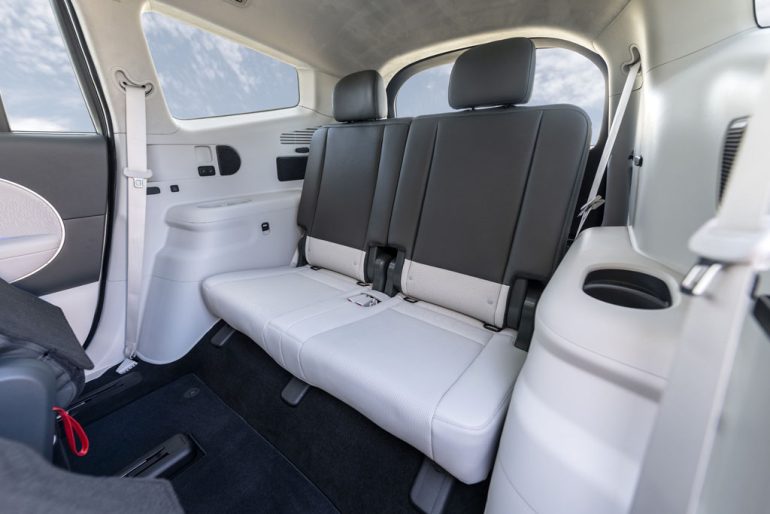
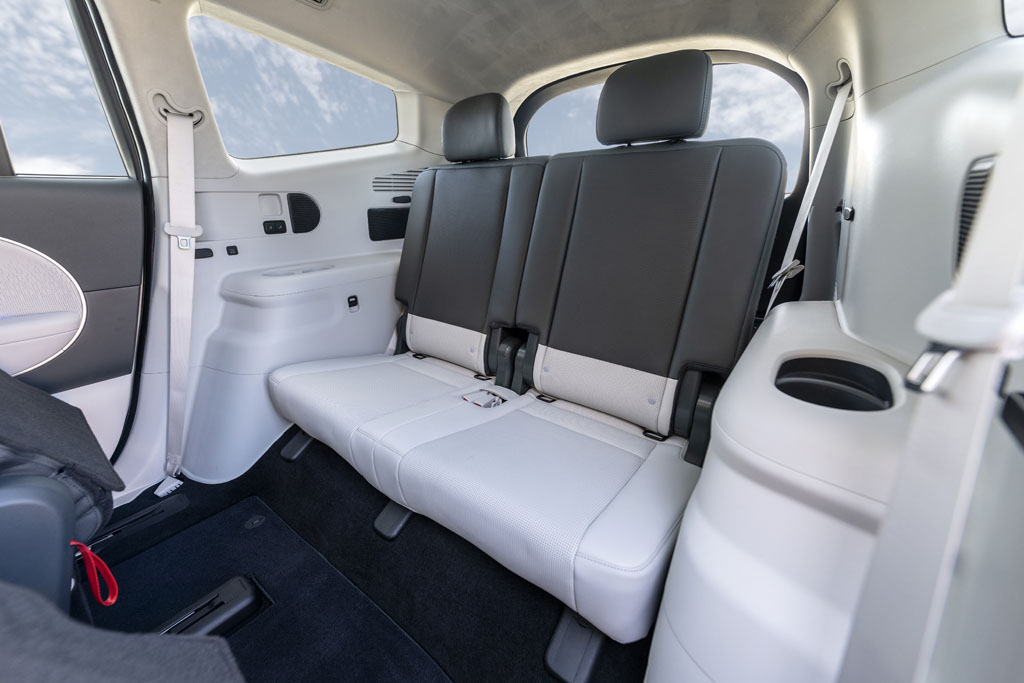
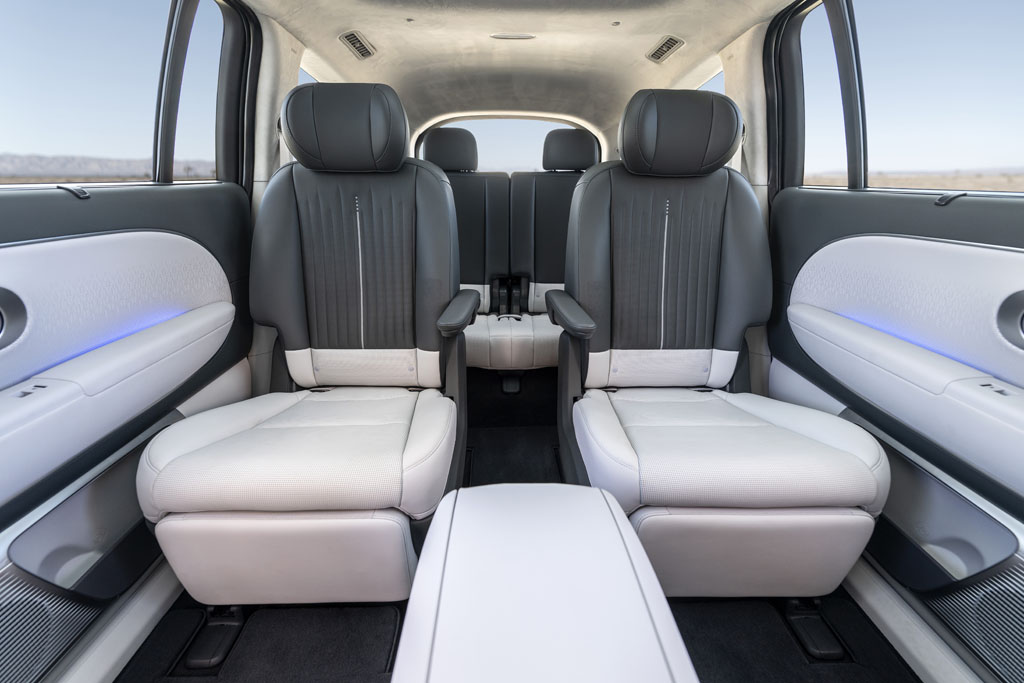
Seating areas are decent, but the third row seems to be smaller in leg room than I would have thought, but gives way to just two seats, making this vehicle a 6-passenger setup with the second row captain’s chairs. The power adjustments make things easy with the movements of the seats and even the power folding actions of the rear seats, for both up and down motions on the second and third row.
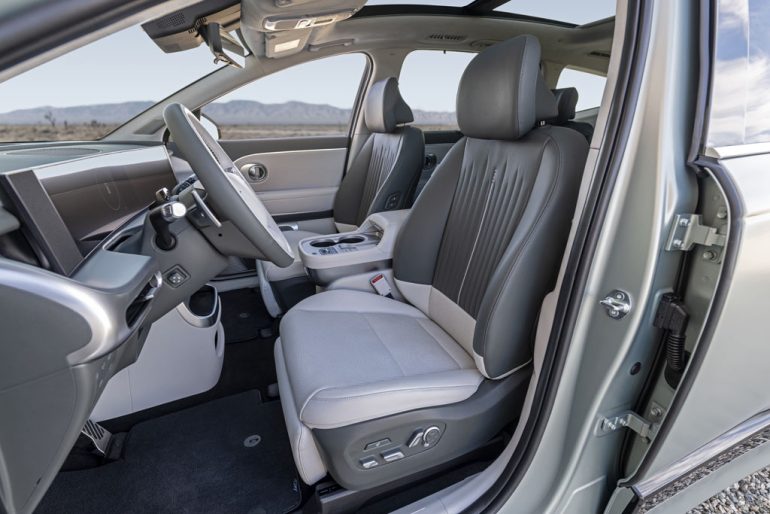
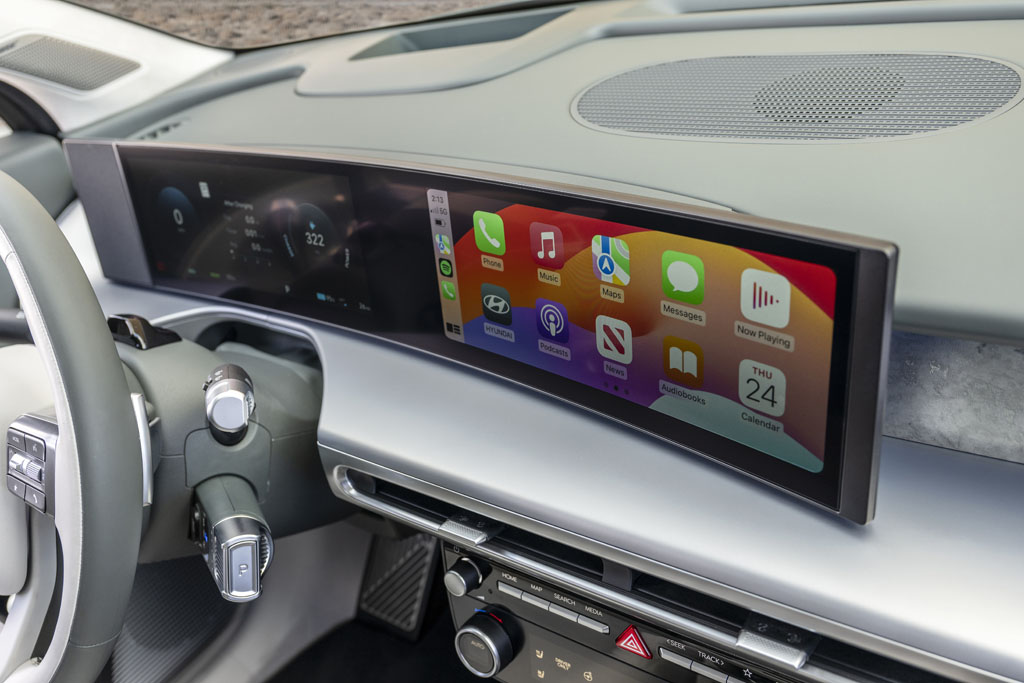
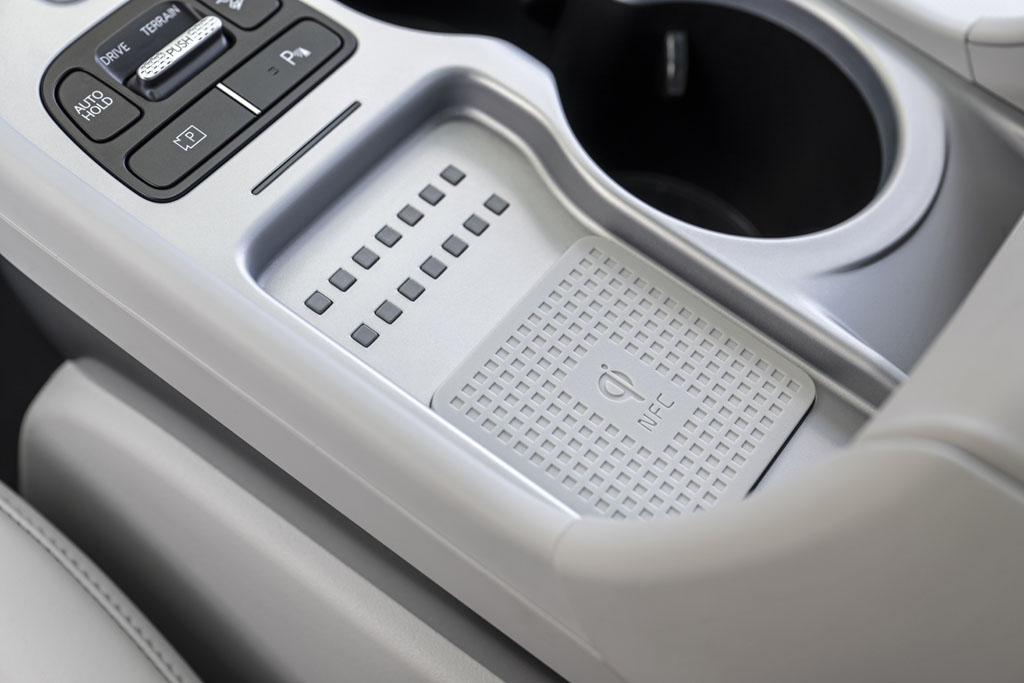
The dashboard has a clever design of its trimmed panel on the passenger’s side that has the LED ambient light bouncing off of it. The focal point, being the two 12.3-inch screens encased in a slightly curved housing, brings the infotainment system to life, but with somewhat of a dull interface. Overall, the system is simple in its operation with a short learning curve but equally simple in its look and onscreen controls, which could use some polishing or updating. The wireless (and USB-connected) Apple CarPlay and Android Auto are all welcomed, as is what seems to be one of the best functioning wireless charging pads I’ve experienced in a long time.
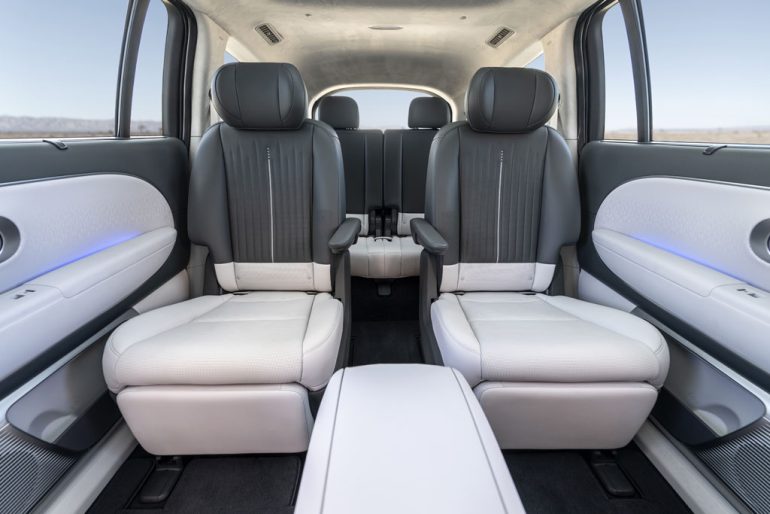
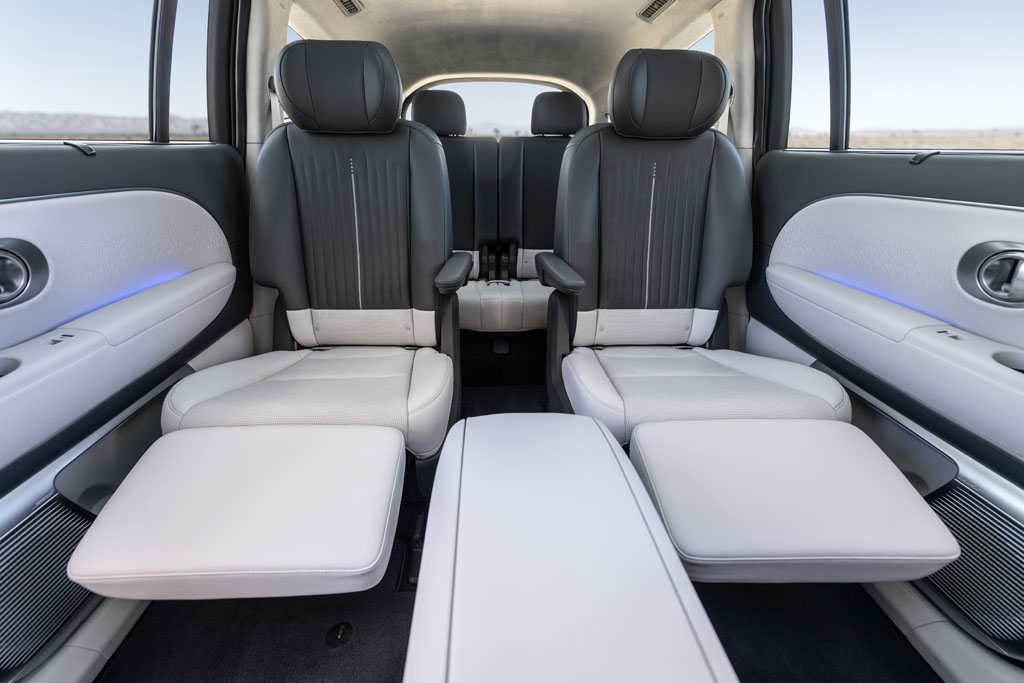
There are plentiful USB-C ports throughout the cabin in all rows and cleverly placed storage compartments that take advantage of the flat floor of the Ioniq 9. Entry and exit of the vehicle is easy with it being at the perfect height for most. The one cool party trick is the front seat’s ability to recline and power fold out the ottoman leg rests for those times you may want to get some relaxation while at a charging station – clever, Hyundai!
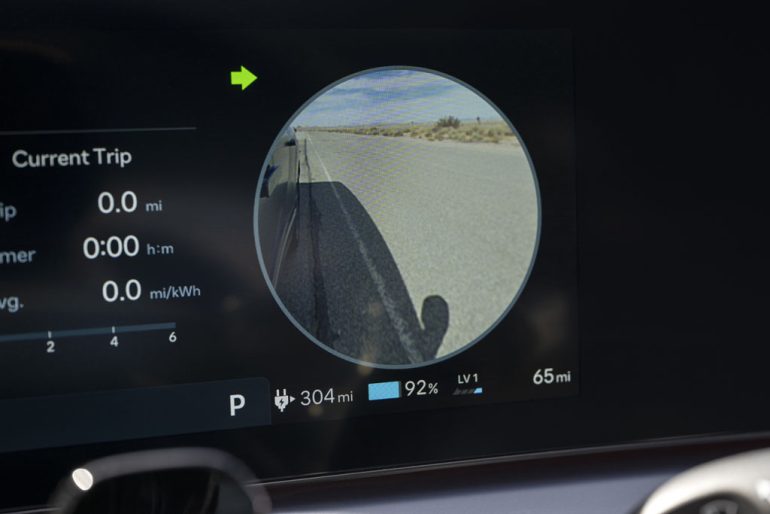
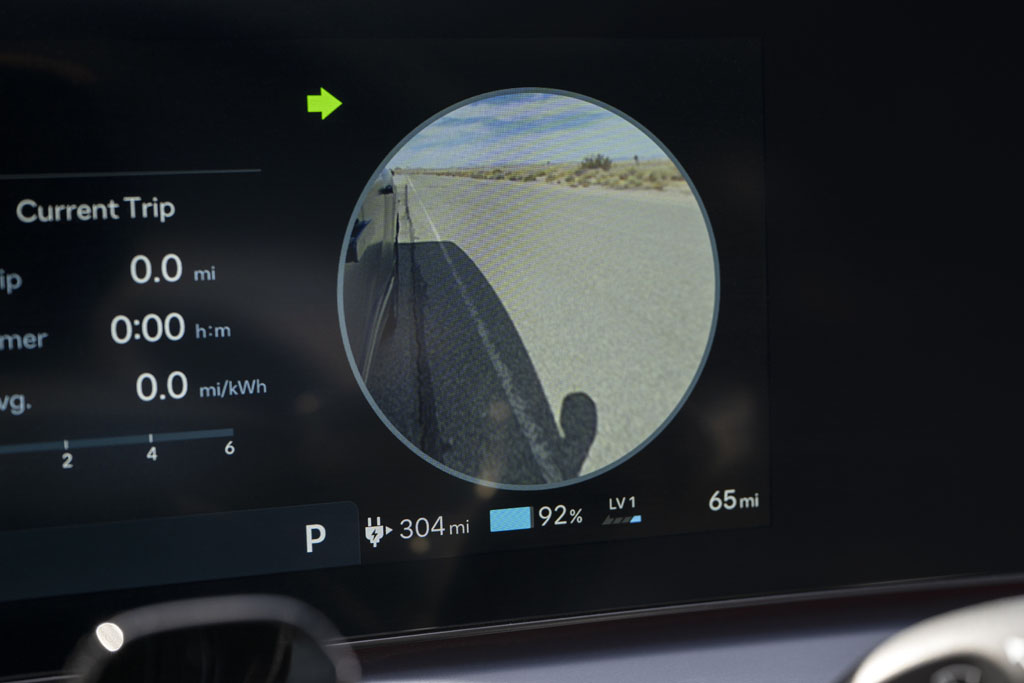
Safety remains an important aspect for Hyundai, as it does for any other manufacturer. As you would expect, you get all of the typical active safety features bundled up in the Ioniq 9, with the highlights being the 360-degree camera system with 3D angles, along with the brand’s trick blind spot view monitor that displays a live video feed of your blind spot upon signaling.
Keeping things somewhat civil in the area of pricing, the new Ioniq 9 in its rear-wheel-drive base S trim starts at $58,955 before any fees or options. From there, things climb through as many as 6 trim levels all the way to the top Calligraphy Design trim of my test vehicle with a starting MSPR of $76,490 and the as-tested price landing at $79,540, which includes a $1,000 option for the attractive Gravity Gold Matte paint job, $230 for carpeted floor mats, $220 for the vehicle load adaptor, and a $1,600 inland freight and handling fee.


Malcolm Hogan is the founder and editor of Automotive Addicts, a trusted voice in the automotive media world for over two decades. With 20+ years of hands-on experience covering the industry, Malcolm has built a reputation for delivering honest reviews, sharp insights, and in-depth coverage of everything from new car debuts to high-performance test drives. Passionate about the evolving car culture and staying ahead of the curve, Malcolm continues to lead Automotive Addicts as a go-to destination for enthusiasts and industry insiders alike.