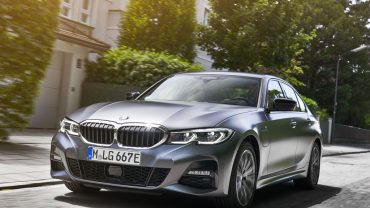
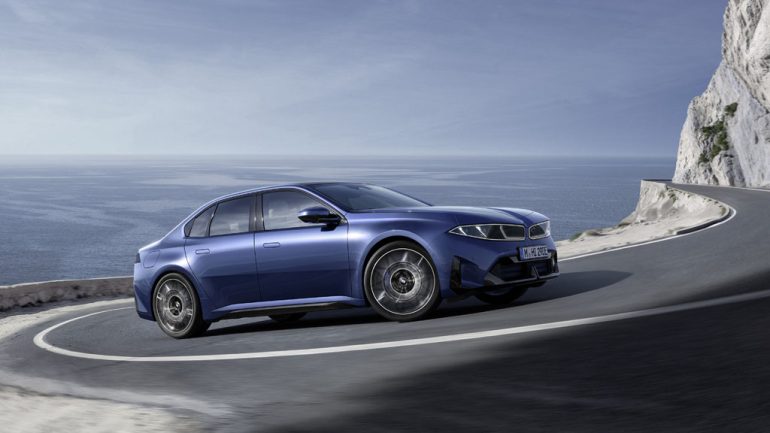
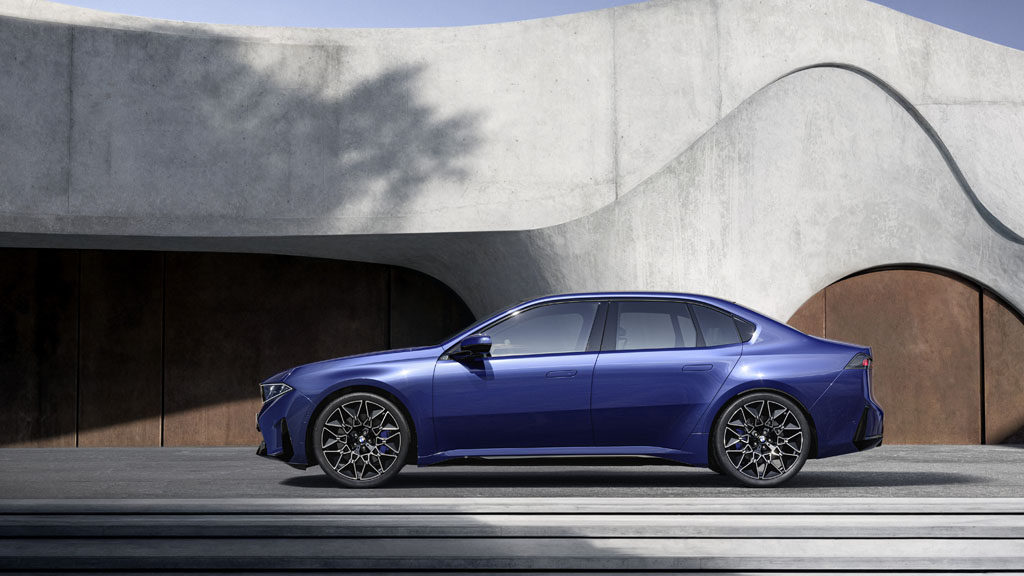
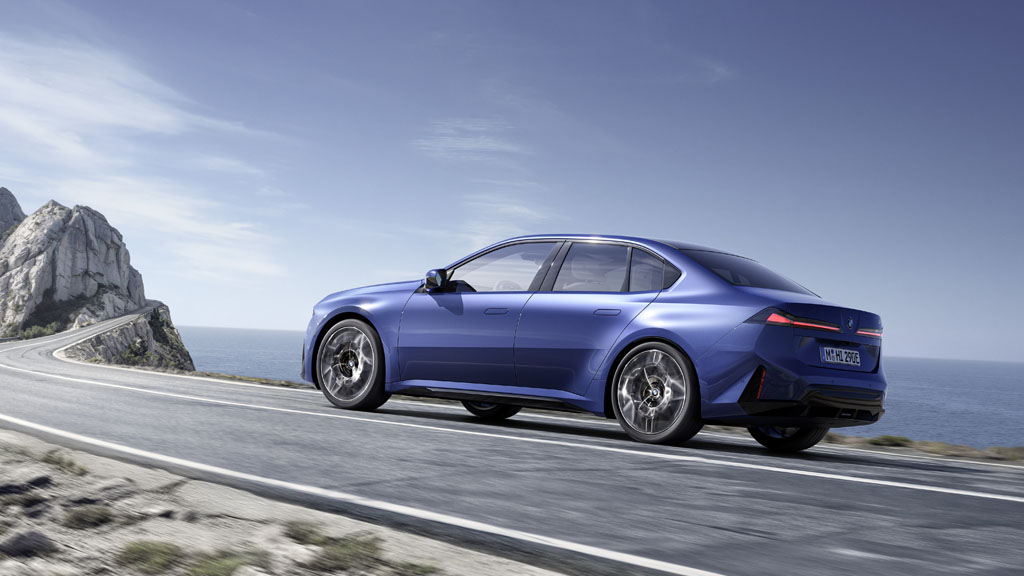
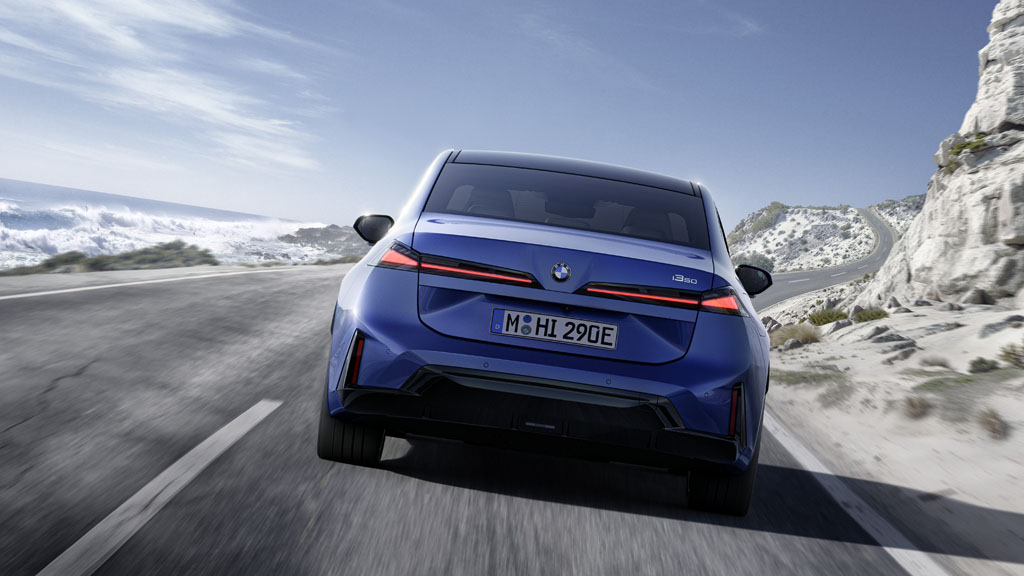
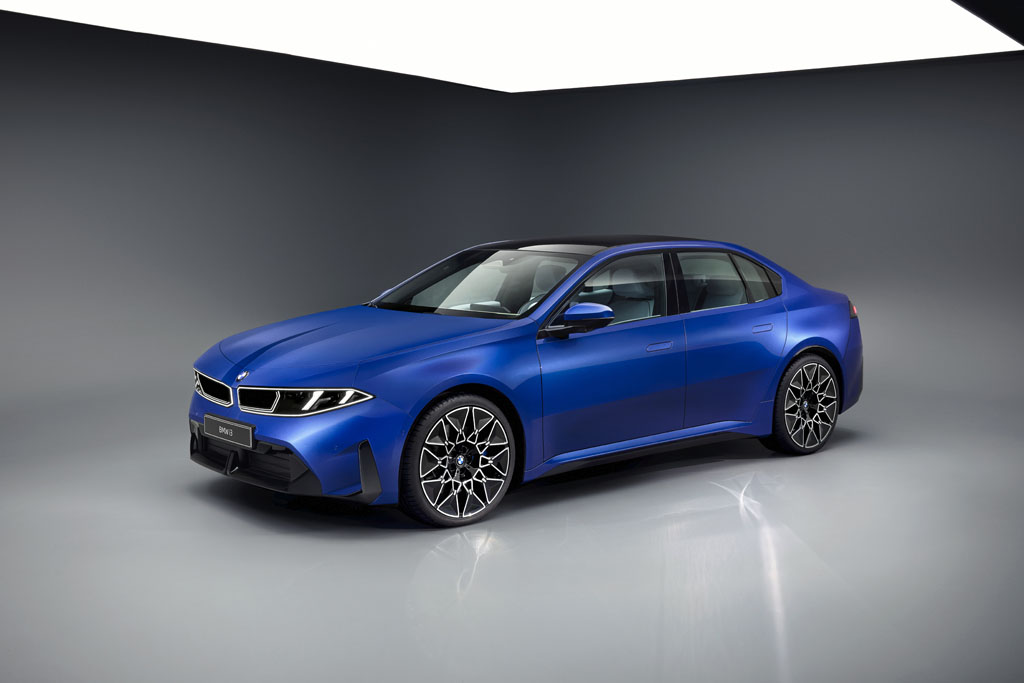
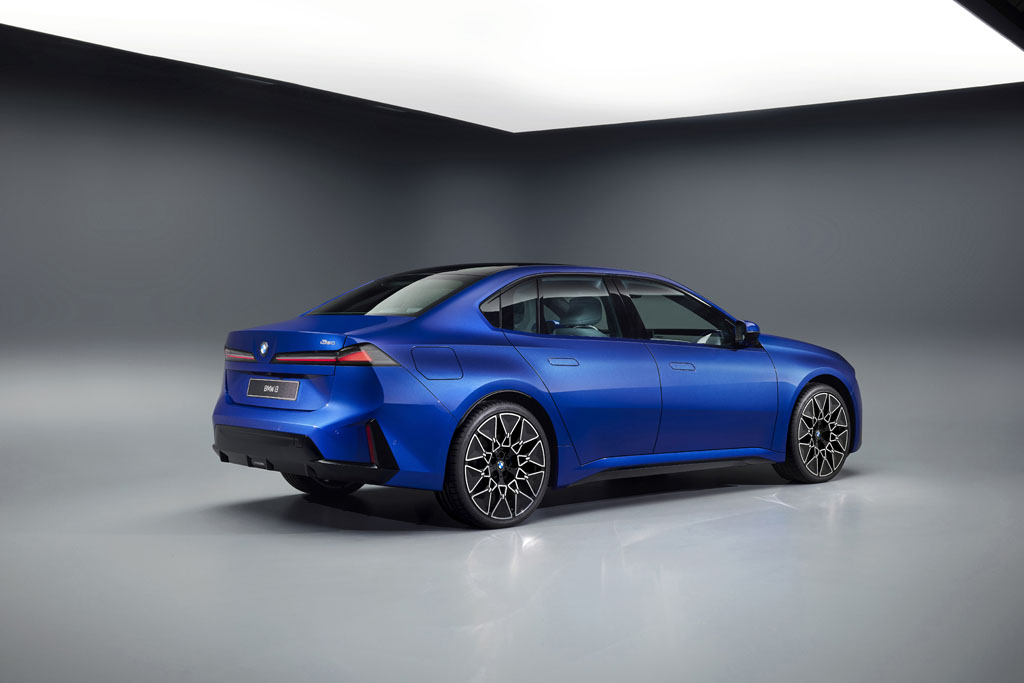
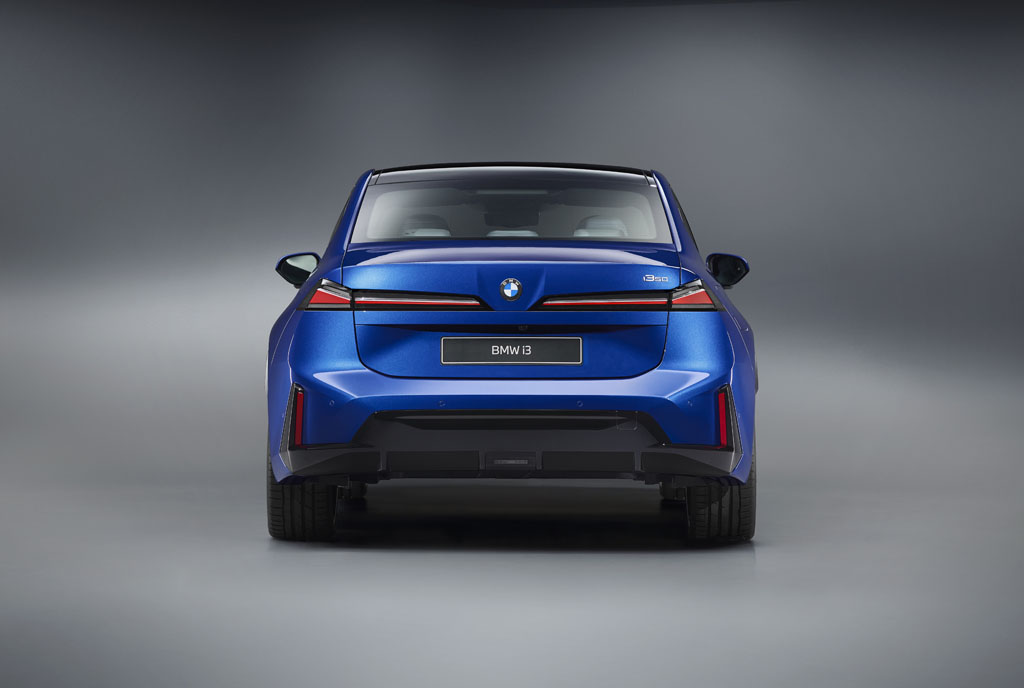
BMW has officially pulled the wraps off the 2027 i3, and this is not just another electric version of something we already know. The new i3 arrives as part of BMW’s Neue Klasse era, a fresh generation of EVs that promises to reshape the brand from the ground up. While the old i3 was a clever little outlier with carbon-fiber bones and city-car proportions, this one takes a very different approach. It is a true sport sedan, sized right alongside the 3 Series, and it looks ready to become one of the most important BMW launches in years.
That matters because the 3 Series has always been the heart of BMW for a lot of enthusiasts. So when BMW decides its electric counterpart deserves an all-new platform instead of sharing underpinnings with a gas-powered sibling, that is a pretty loud statement. The i3 rides on a dedicated Neue Klasse architecture shared with the iX3 SUV, bringing with it an 800-volt electrical system, fast-charging capability of up to 400 kW, and a structural battery pack designed to improve both efficiency and packaging. On paper alone, it sounds like BMW is finally building an EV from a clean sheet the way many fans have hoped it would.
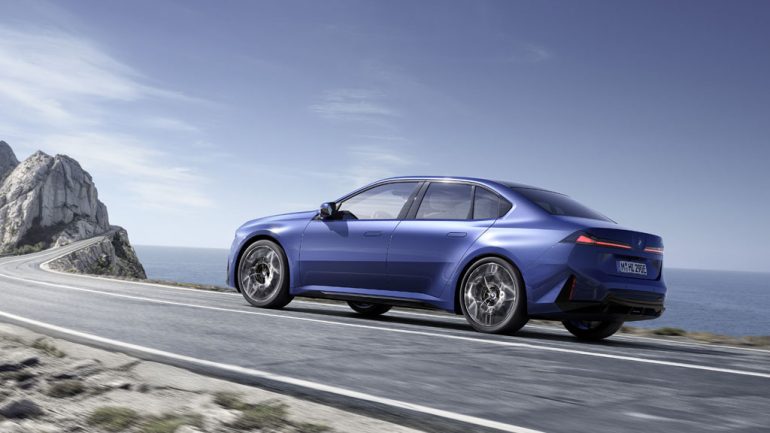
Performance should not be a weak point, either. The launch version, called the i3 50 xDrive, packs dual motors and all-wheel drive with 463 horsepower and 476 lb-ft of torque. That puts it firmly in the territory buyers expect from a modern sport sedan with a BMW badge. Even more impressive is the promise of meaningful range to go along with the power, with estimates pointing to roughly 374 miles on the EPA cycle (440 miles on the European test cycle). If that number holds up in the real world, the new i3 could immediately stand out as one of the more complete premium EV sedans on the market.
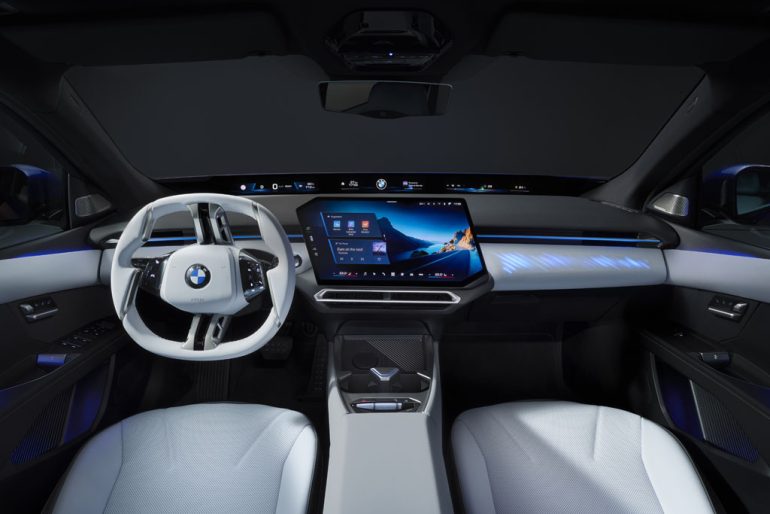
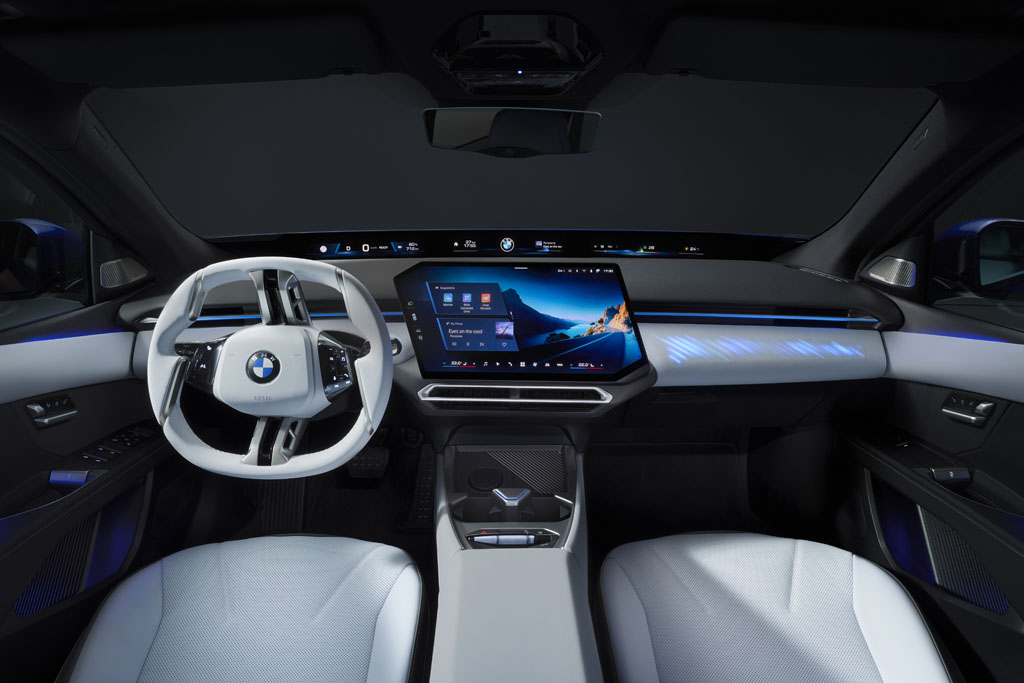
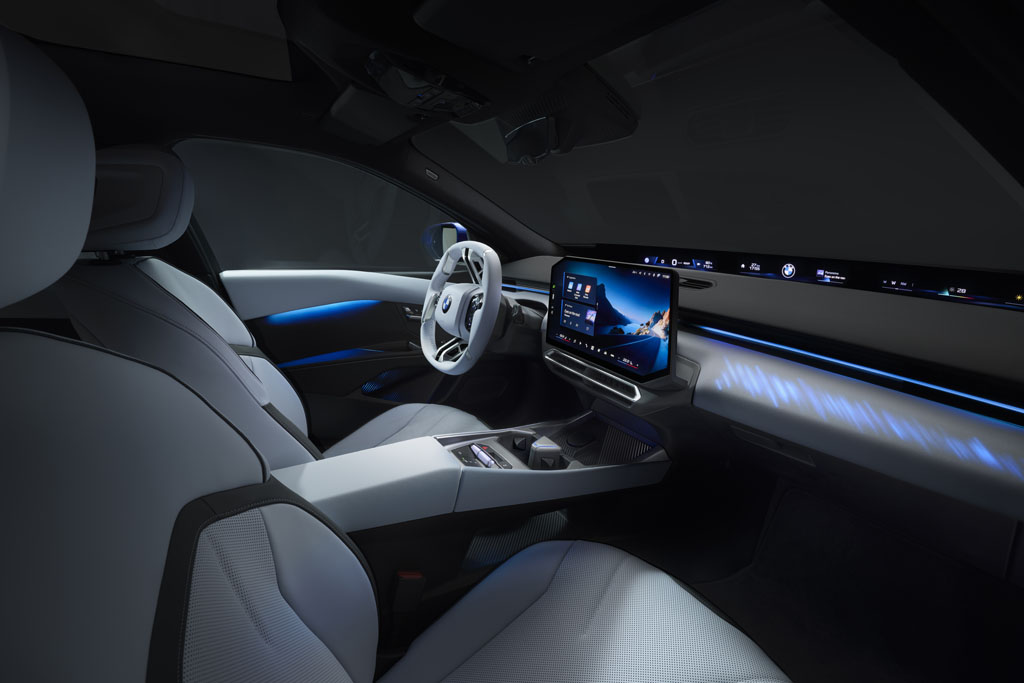
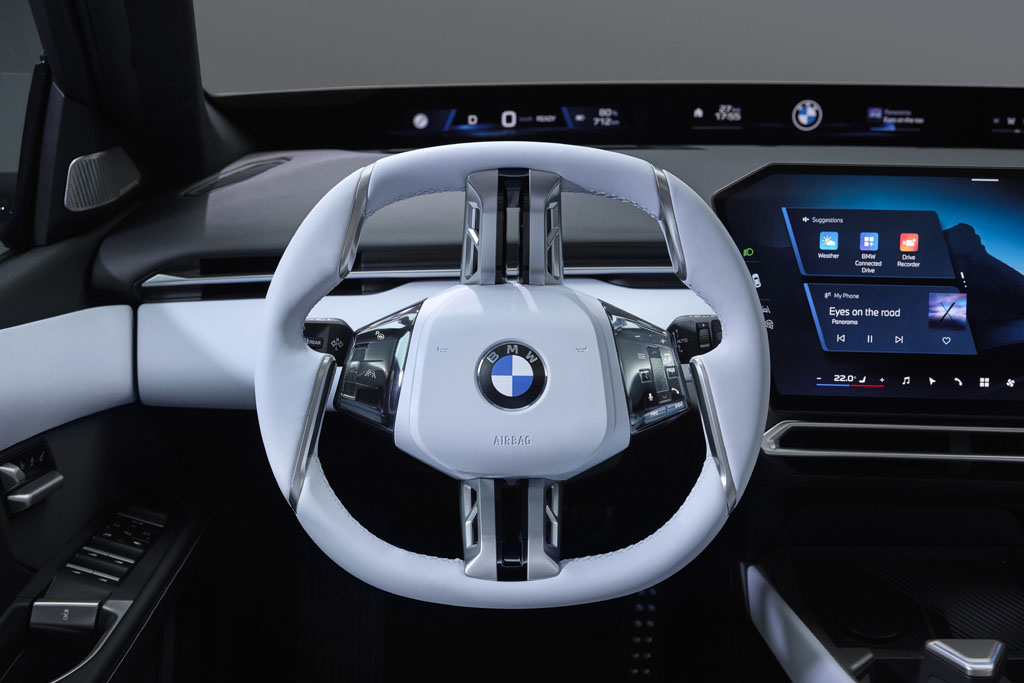
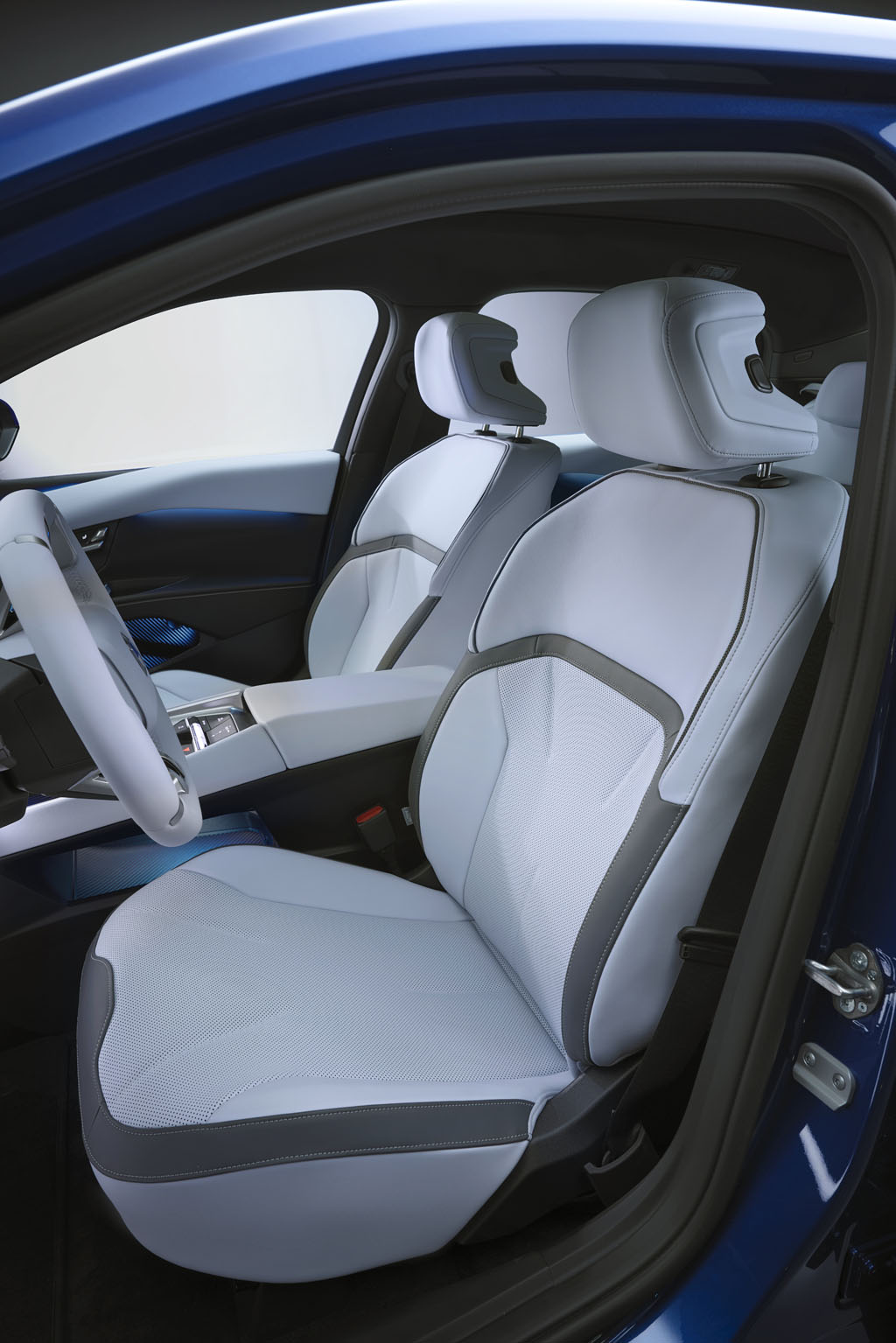
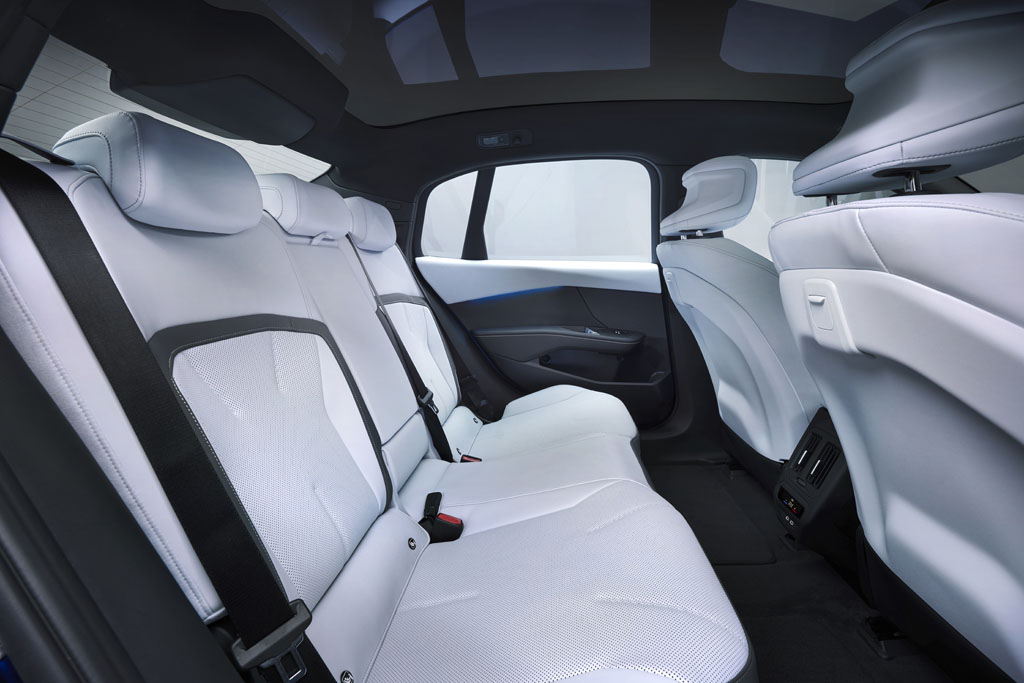
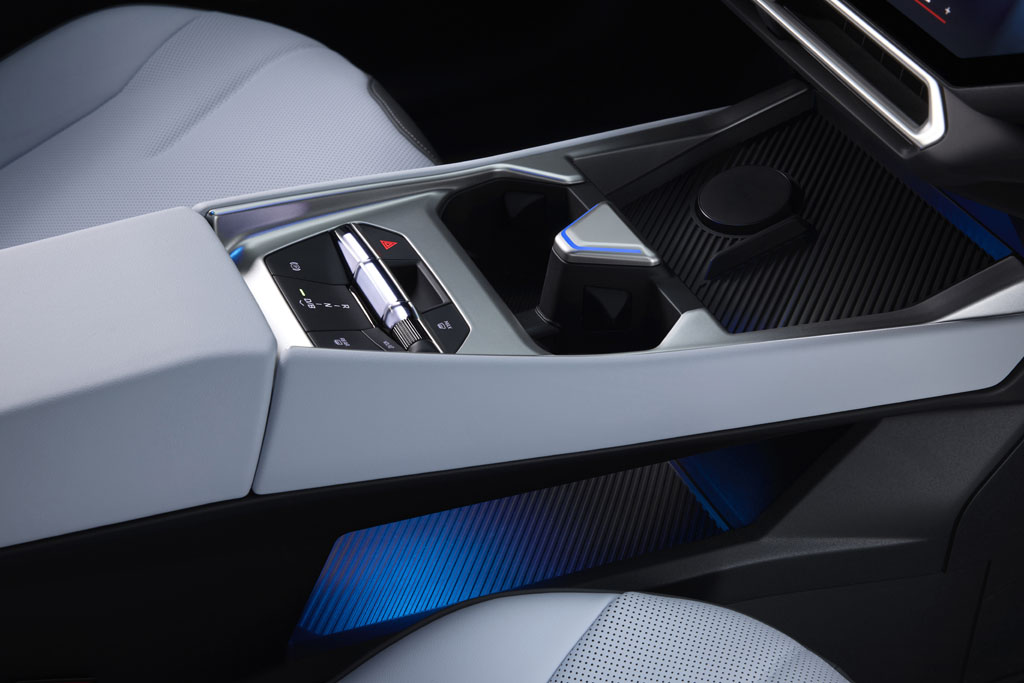
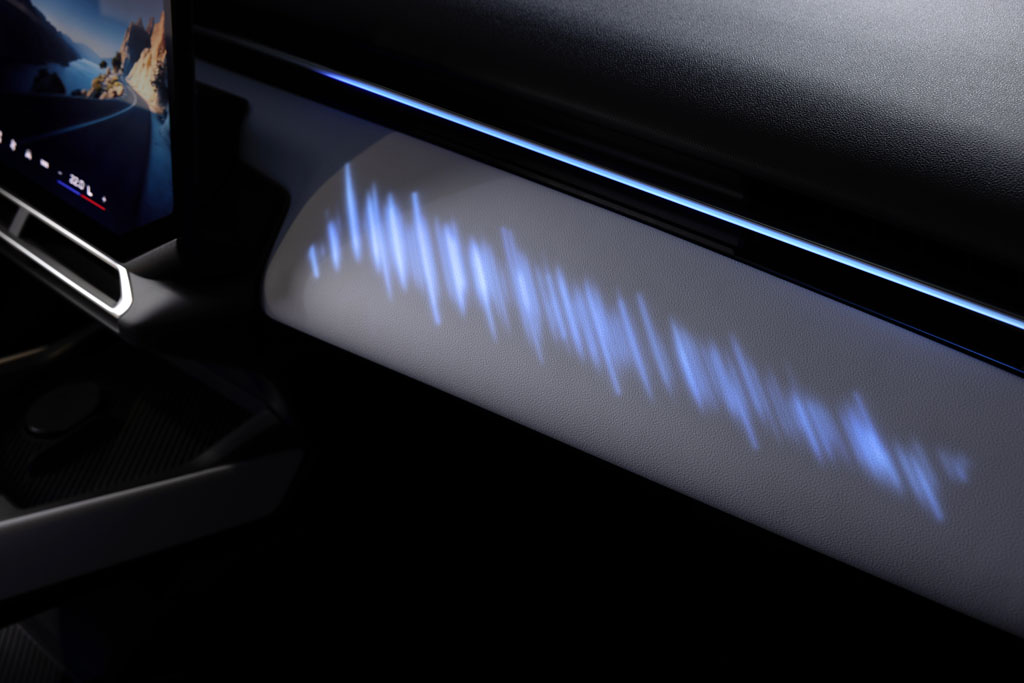
Inside, BMW is clearly trying to make the Neue Klasse feel like a real step forward instead of just a styling exercise. The cabin ditches the familiar layout of current BMW sedans in favor of a much more open, tech-heavy look. Panoramic iDrive stretches information across the base of the windshield, while a large center touchscreen angles toward the driver in a shape that is anything but conventional. Even the steering wheel looks like BMW was willing to challenge its own rulebook. It is a dramatic departure, but one that seems intended to make the i3 feel like the start of a new chapter rather than a simple electric translation of the current 3 Series formula.
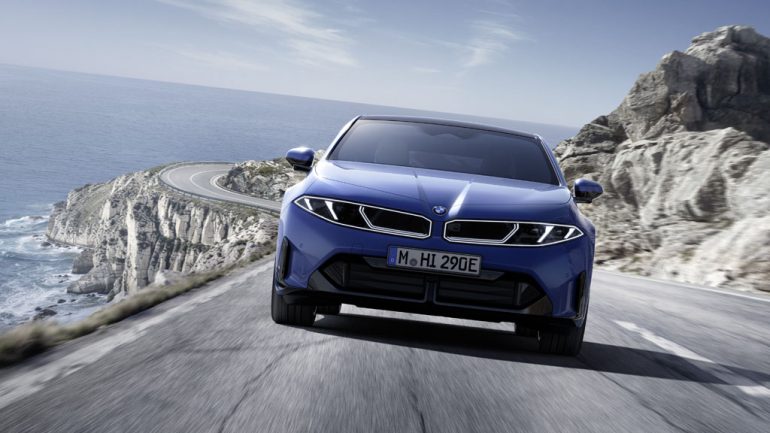
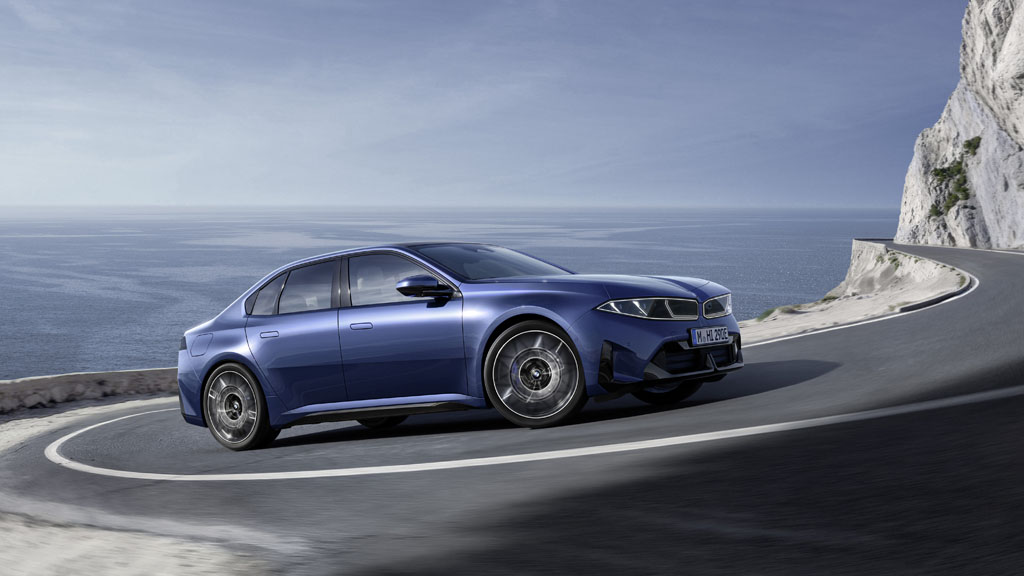
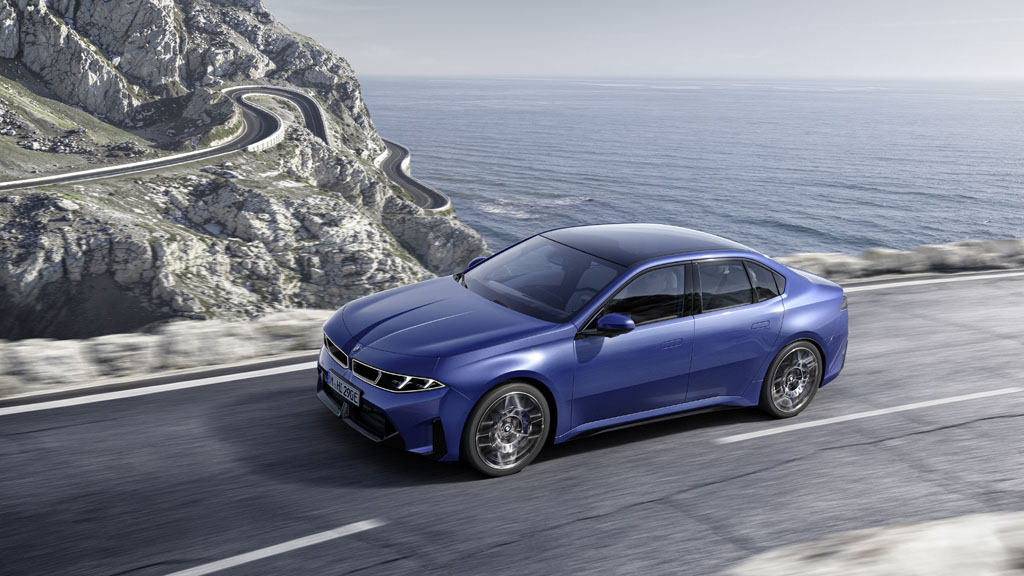
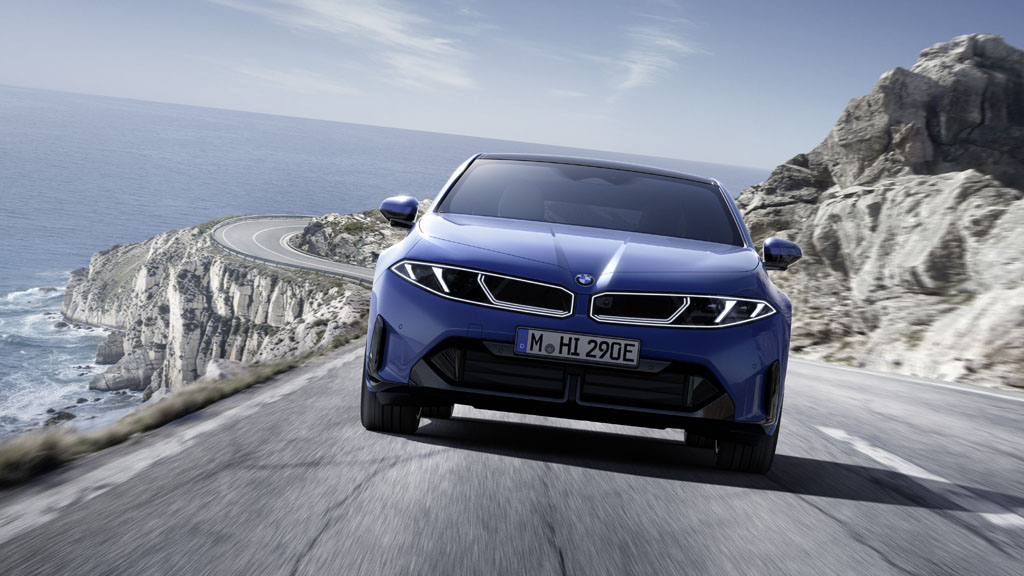
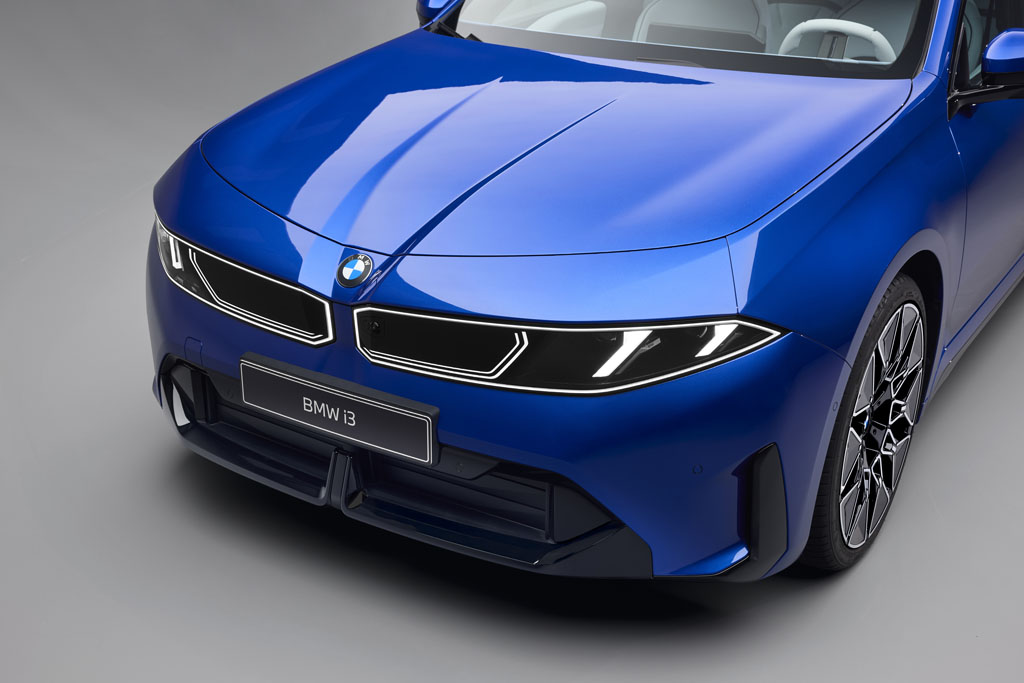
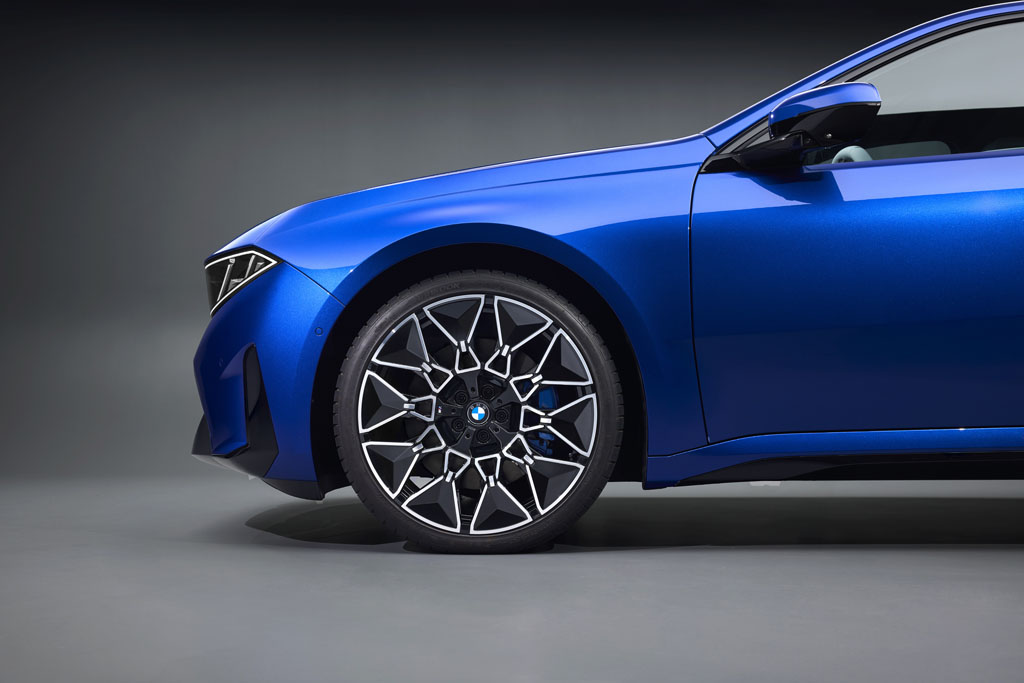
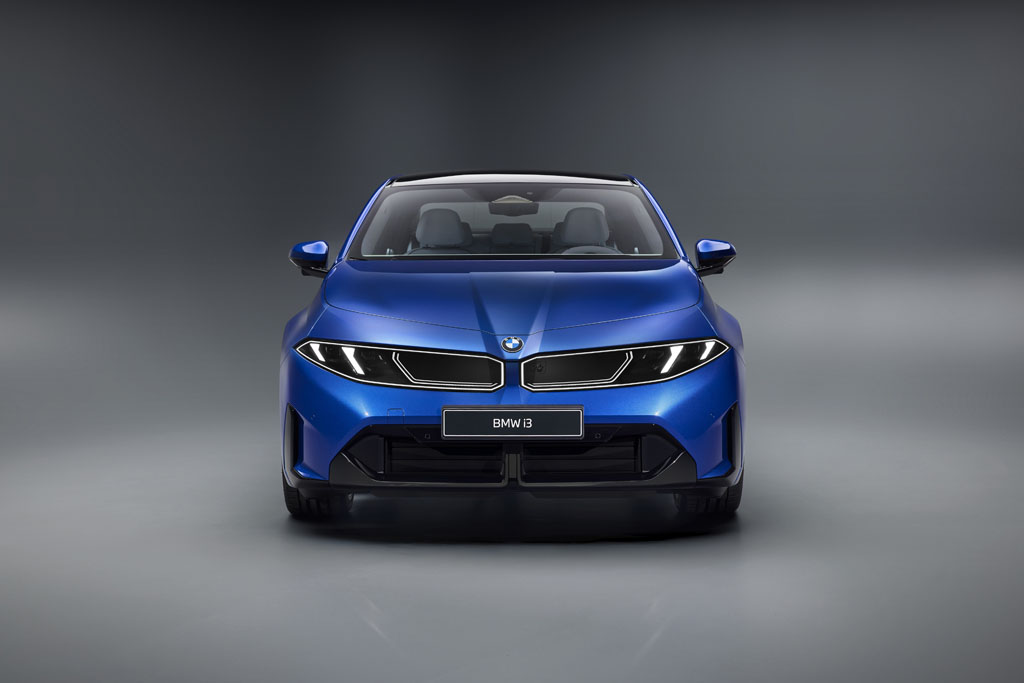
The exterior walks a smarter line. It is clearly new, but it still knows it has to look like a BMW. The front end keeps the brand’s familiar kidney grille theme, the headlights reinterpret the traditional four-eye face, and the nose leans forward in a subtle nod to the classic shark-nose BMWs of the past. That balance may be one of the i3’s biggest strengths. It does not come across like BMW is abandoning its identity. Instead, it feels like the company is trying to modernize it without losing the visual cues that made the brand recognizable in the first place.
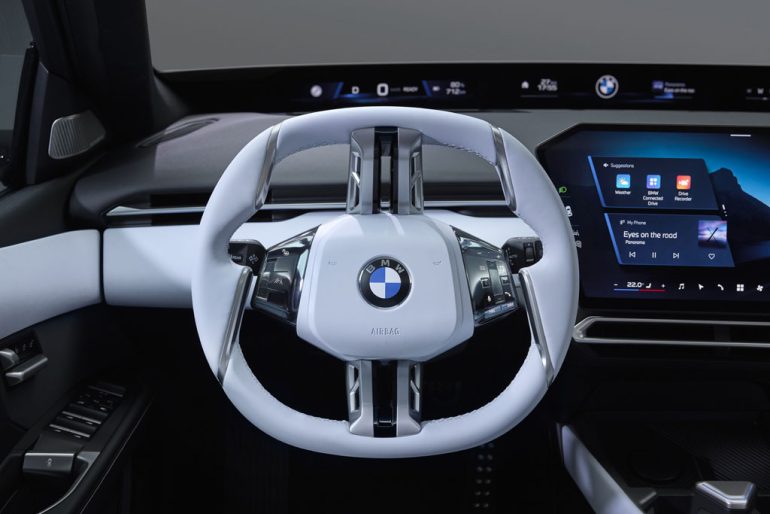
More than anything, the new i3 feels like a test of BMW’s confidence. The company is not treating this car like an experiment or a side project. It is treating it like a centerpiece. That alone makes the i3 worth paying attention to. If it delivers on the range, charging speed, performance, and driving feel that BMW is promising, this may end up being the EV that finally convinces traditional BMW sedan fans that the electric future does not have to come at the cost of character.

Mike Floyd is a finance executive by trade and a car enthusiast at heart. As a CFO with a keen eye for detail and strategy, Mike brings his analytical mindset to the automotive world, uncovering fresh insights and unique perspectives that go beyond the surface. His passion for cars—especially his favorite, the Porsche 911, fuels his contributions to Automotive Addicts, where he blends a love for performance and design with his professional precision. Whether he’s breaking down industry trends or spotlighting emerging innovations, Mike helps keep the site both sharp and forward-thinking.